
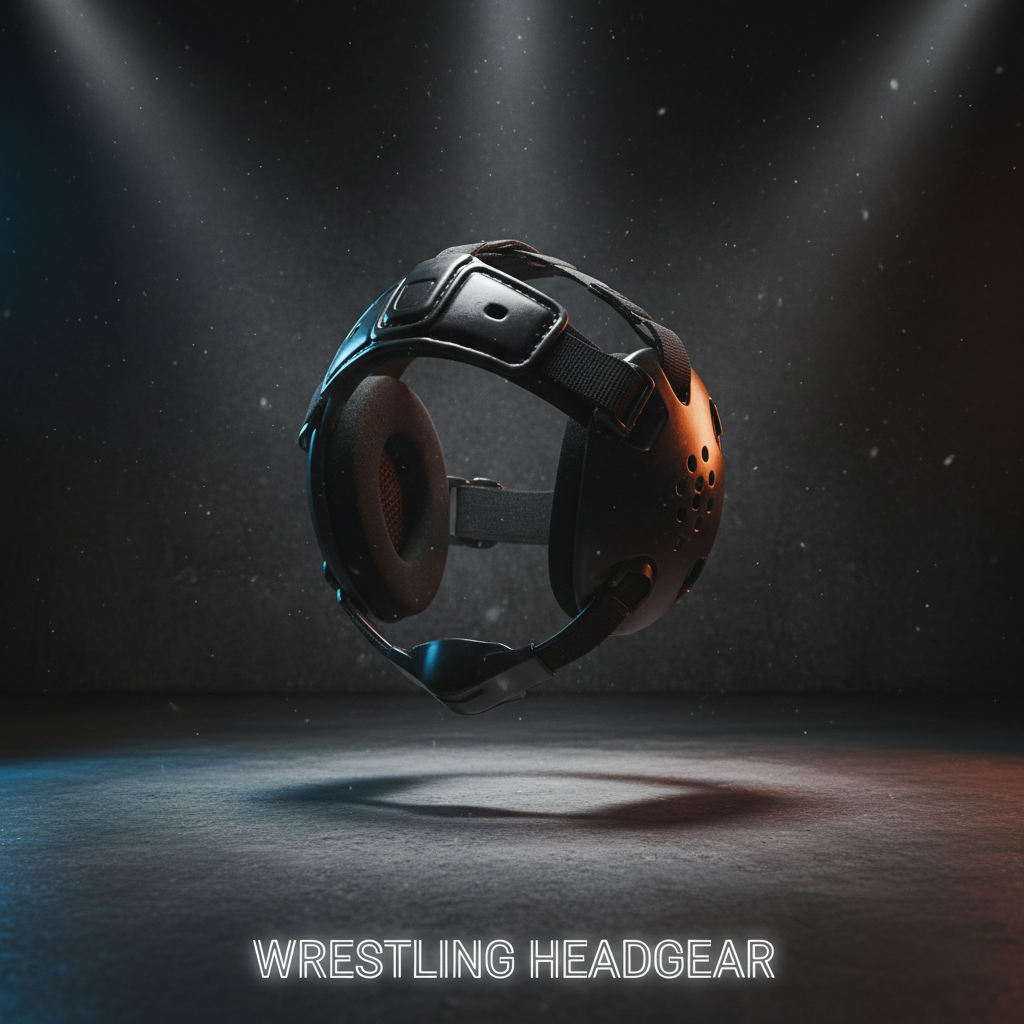
Wrestling is one of the most physically demanding sports in the world, requiring a unique blend of strength, agility, and tactical intelligence. However, with the intense physical contact comes the risk of injury, particularly to the ears. Wrestling headgear, also known as ear guards, is the primary line of defense against permanent ear damage. While shoes provide the necessary traction to drive through a takedown, headgear ensures that a wrestler can compete for years without suffering from the disfiguring condition known as auricular hematoma.
Understanding the Risk: Cauliflower Ear
The primary purpose of wearing headgear is to prevent cauliflower ear. This condition occurs when the ear receives a blunt blow or is subjected to extreme friction, causing the skin to separate from the cartilage. This separation creates a pocket that fills with blood and fluid. If left untreated, the fluid hardens, and the cartilage dies due to a lack of blood supply, resulting in a permanent, lumpy deformity. Experienced wrestlers know that wearing headgear during both practice and competition is the only 100% effective method to avoid this condition.
While some wrestlers view cauliflower ear as a badge of honor, the medical reality is far less romantic. Beyond the cosmetic deformity, severe cases can lead to hearing loss, increased risk of ear infections, and difficulty wearing earbuds or hearing aids later in life. Therefore, investing in high-quality headgear is not just about following the rules; it is a critical health decision. Modern wrestling headgear is designed to absorb impact and minimize friction while allowing for ventilation and hearing.
Types of Wrestling Headgear
When selecting ear protection, grapplers generally choose between two main categories: soft-shell and hard-shell designs. Hard-shell headgear typically features a rigid plastic exterior usually covered with a layer of foam. This style offers maximum impact protection and is highly durable. It is often favored by collegiate wrestlers for its stability and the distinct sound it makes when slapped, which can be a psychological tool during a match.
Conversely, soft-shell headgear is constructed primarily from molded foam or soft polymers. This style has gained immense popularity because it is generally more comfortable and has a lower profile, making it less likely to get snagged on an opponent during a scramble. Soft-shell designs are also often preferred by the opponent, as they are less abrasive to rub your face against during close-quarters combat. Advances in material science have made modern soft headgear nearly as protective as their hard-shell counterparts.
Strap Systems and Adjustability
The effectiveness of wrestling headgear is entirely dependent on the fit, which is dictated by the strap system. Most traditional headgear utilizes a multi-strap system, typically consisting of three to five adjustable straps connecting the two ear cups. These straps go over the head, behind the neck, and across the chin. A proper fit ensures the ear cups sit centered over the ear canal without sliding down over the eyes or slipping back off the head during a match.
One of the most critical components of the strap system is the chin connection. Wrestlers can choose between a traditional strap that goes under the chin or a chin cup. A chin cup is a molded piece of plastic or foam that cups the chin, providing a much more secure anchor than a simple strap. For youth wrestlers or those with active styles who sweat heavily, a chin cup is highly recommended as it prevents the gear from rotating when the wrestler is sweating and moving rapidly.
Proper Fitting Techniques
Fitting headgear is an art form that requires patience. When you first purchase a set, the straps will likely be stiff and the fit generic. To fit it properly, loosen all straps completely. Place the cups over the ears and have a teammate or coach tighten the top straps first to set the height. Next, tighten the back straps to secure the width. Finally, adjust the chin strap so it is snug but does not restrict breathing or swallowing. Once the perfect fit is achieved, many wrestlers tape the loose ends of the straps to prevent them from slipping or being grabbed by an opponent.
Materials and Breathability
The materials used in headgear construction affect comfort and hygiene. Closed-cell foam is the industry standard because it provides excellent shock absorption and does not absorb sweat like a sponge, which helps prevent bacterial growth. However, ventilation is equally important. Look for headgear with sufficient holes in the ear cups. These holes serve a dual purpose: they allow heat to escape to keep the athlete cool, and they ensure the wrestler can hear their coach’s instructions clearly during the heat of battle.
Hygiene and Maintenance
Wrestling mats are breeding grounds for skin infections like ringworm, impetigo, and staph. Because headgear is in constant contact with the opponent’s skin and the mat, it must be sanitized regularly. Cleaning your headgear should be a post-practice ritual. Using a disinfectant wipe or a spray specifically designed for wrestling gear is effective. Periodically, the headgear should be washed with warm, soapy water and allowed to air dry completely. Never leave wet headgear in a gym bag, as this encourages mold and bacterial growth.
Rules and Regulations
Competitive wrestling is governed by strict rules regarding equipment. In the United States, the National Federation of State High School Associations (NFHS) and the NCAA mandate that headgear must be worn during competition. The rules stipulate that the headgear must be commercially manufactured and unaltered. This means wrestlers cannot paint their headgear or cut the straps in a way that compromises safety. Additionally, if a wrestler has long hair, they must wear a legal hair cover that attaches to the headgear to keep hair contained.
Youth Wrestling Considerations
For youth wrestlers, comfort is the priority. If a young grappler finds their headgear painful or irritating, they will constantly fiddle with it or try to take it off, distracting them from learning the sport. Manufacturers produce specific youth-sized models that are scaled down for smaller heads. These often feature softer materials and easier adjustment systems, such as Velcro, which allows parents to help their children gear up quickly before a match.
Top Brands and Innovations
Several brands dominate the wrestling market, each with a loyal following. Cliff Keen is arguably the most iconic, with their “Signature” foam headgear being a staple of the sport for decades. Adidas and Asics also produce high-quality ear guards that focus on sleek, low-profile designs. Recent innovations include digital printing for custom team logos and the use of antimicrobial polymers that actively fight bacteria on the surface of the gear.
The Trade-off: Hearing vs. Protection
A common complaint among wrestlers is that headgear muffles sound. While this can make it difficult to hear a coach screaming “half-nelson” from the corner, it is a necessary trade-off for safety. Manufacturers have attempted to solve this by enlarging the ventilation holes or using distinct patterns that allow sound waves to penetrate the shell. When choosing headgear, inspect the ear cup design to ensure it offers a balance between solid protection and auditory clarity.
Conclusion: An Essential Investment
Ultimately, wrestling headgear is an essential investment in an athlete’s longevity. The sport is tough enough without the added burden of painful ear injuries. By selecting the right style—whether hard shell or soft shell—ensuring a tight, secure fit, and maintaining rigorous hygiene standards, a wrestler can focus entirely on their performance. Whether you are a first-year youth wrestler or a collegiate All-American, your headgear is your armor, protecting you today so you can stay on the mat tomorrow.