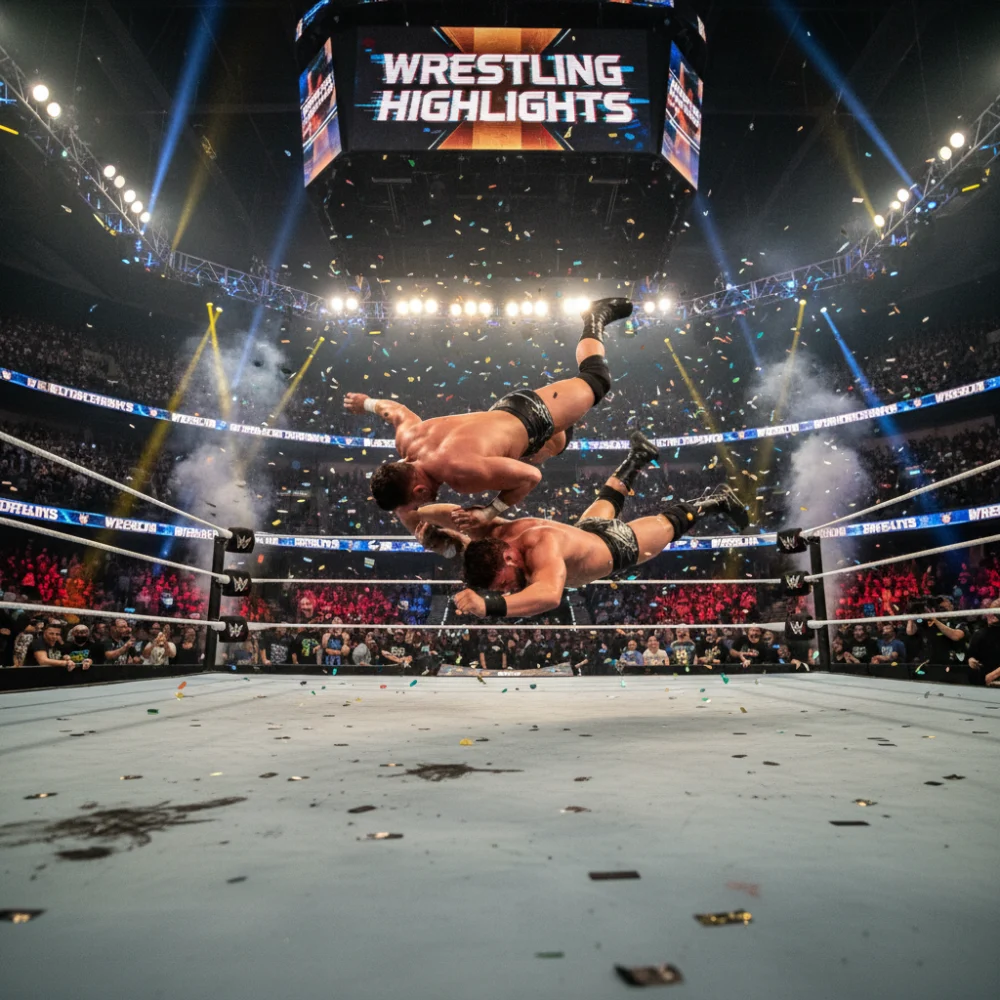
Professional wrestling has always been built on moments. From the territorial days to the global phenomenon it is today, the industry relies on creating unforgettable imagery that sticks in the viewer’s mind. However, the consumption of these moments has shifted drastically. In the past, fans had to tune in live or wait for a syndicated recap show to see the week’s best action. Today, wrestling highlights serve as the primary currency of the industry, circulating instantly across social media platforms and allowing fans to consume hours of television content in bite-sized, high-impact clips.
The rise of digital media has fundamentally changed the business model of major promotions like WWE and AEW. While television rights fees remain the biggest revenue stream, the cultural relevance of a promotion is often measured by its digital footprint. YouTube channels, Twitter feeds, and Instagram reels are populated within seconds of a move occurring on live TV. This immediacy means that a wrestler’s popularity can skyrocket overnight simply because a specific high-flying maneuver or a scathing promo went viral as a highlight, reaching millions of people who may not even watch the full program.
The Psychology of the Highlight Reel
Why are wrestling highlights so addictive? The answer lies in the condensation of storytelling. A three-hour episode of Monday Night Raw or a two-hour episode of AEW Dynamite contains slow burns, commercial breaks, and transitional segments. A highlight reel, however, distills this down to the dopamine spikes: the finishers, the surprise returns, and the shocking betrayals. For the modern viewer with a shorter attention span, highlight compilations offer all the emotional payoff with a fraction of the time investment.
This shift in consumption has also influenced how matches are wrestled and how shows are booked. Industry insiders often refer to this as booking for the GIF. Modern wrestlers are acutely aware that a spectacular, acrobatic sequence is more likely to be shared on social media than a five-minute rest hold. Consequently, the athletic standard has risen, with performers innovating complex sequences specifically designed to look impressive in a ten-second video loop. While purists argue this detracts from the psychology of a match, it is an undeniable adaptation to the digital ecosystem.
WWE has mastered the art of the digital highlight. Their YouTube channel is consistently ranked among the most-viewed sports channels in the world. By categorizing content into digestible lists like "Top 10 Moments of SmackDown" or "Most Extreme Table Breaks," they leverage their massive archival library to keep fans engaged. This strategy does not just serve current storylines; it monetizes nostalgia. A highlight clip of Stone Cold Steve Austin from 1998 can generate just as much ad revenue today as a clip of the current Universal Champion.
The Role of Fan-Made Content
It is not just the promotions creating these highlights; the fan community plays a pivotal role. Fan-made compilations, music videos (often called MV’s), and humorous edits like Botchamania preserve wrestling history in a unique way. These creators curate specific niches, such as "Best Lariat Compilations" or "Underrated Technical Wrestlers," shining a light on talent that might otherwise go unnoticed. However, this exists in a gray area of copyright law, leading to a constant tug-of-war between promotions protecting their intellectual property and fans celebrating the art form.
The accessibility of highlights has also democratized independent wrestling. In the VHS era, tape trading was a niche hobby requiring postage stamps and patience. Today, a wrestler performing in a high school gym in front of 50 people can become a global sensation if a clip of their performance is spectacular enough. Promotions like GCW (Game Changer Wrestling) have thrived by producing content that is inherently shareable, using the viral nature of shocking or hardcore highlights to drive pay-per-view buys.
However, the reliance on highlights is not without its critics. One major argument is that highlights strip away the context that makes wrestling special. A chair shot is just violence without the weeks of narrative buildup explaining the animosity between the competitors. When fans only consume the climax of the story via social media, they often miss the nuance of the storytelling. This phenomenon can lead to a disconnect between live crowd reactions and online discourse, as the internet audience is judging a singular moment while the live audience is reacting to a full story arc.
Iconic Moments Defined by Clips
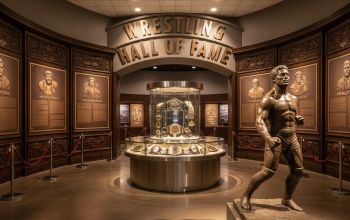
Certain moments in history are remembered almost exclusively as highlights. Consider the image of Hulk Hogan slamming Andre the Giant at WrestleMania III, or Mankind being thrown off the Hell in a Cell structure. These moments have transcended the matches they occurred in. For new generations of fans, the highlight is the history. The preservation of these clips in high definition ensures that the legacy of past superstars remains intact, serving as a digital Hall of Fame that is accessible to anyone with a smartphone.
The technical production of wrestling has also evolved to enhance the highlight experience. Camera cuts, slow-motion replays, and high-definition audio capture are all calibrated to make the impact feel as visceral as possible on a small screen. WWE’s production style, often characterized by frequent camera cuts, is designed to emphasize the impact of strikes and slams, making them translate better to video packages and promotional reels. This production value separates major league wrestling from the independent circuit, giving the highlights a cinematic sheen.
Social media platforms have distinct cultures regarding wrestling highlights. Twitter (X) is the home of real-time reaction, where a GIF of a surprise debut spreads instantly. TikTok has become a hub for younger fans, often remixing wrestling audio or moves with trending music. Reddit’s wrestling communities serve as archivists, digging up obscure clips from Japanese or Mexican promotions. Each platform requires a different strategy from promotions looking to maximize their reach.
Another fascinating aspect is the "Botch" highlight. In professional wrestling, mistakes happen, but in the digital age, they are immortalized. A slipped footing or a missed catch becomes a highlight of its own, often garnering more views than a perfectly executed move. While this can be embarrassing for the performers, it humanizes the spectacle and reminds the audience of the genuine physical risks involved in the performance. Some wrestlers have even turned these moments into part of their character, leaning into the viral nature of their errors.
Highlights as a Recruitment Tool
For the casual observer, a well-timed highlight is the gateway drug into the world of wrestling. Someone scrolling through their feed might stop to watch a clip of Ricochet performing a 630-degree senton or Brock Lesnar collapsing the ring. These spectacles break the barrier of "wrestling is fake" by showcasing undeniable athleticism and showmanship. Promotions use these viral clips as top-of-funnel marketing, hoping that the ten-second clip convinces the user to tune in to the weekly television show.
Looking toward the future, the technology behind highlights is set to advance further. We are beginning to see 360-degree video clips and Virtual Reality experiences that place the viewer inside the ring. Imagine watching a highlight of a top-rope maneuver from the referee’s perspective. As technology evolves, the definition of a highlight will expand from a simple video clip to an immersive experience, further blurring the line between the viewer and the action.
Ultimately, wrestling highlights are the lifeblood of the modern industry. They bridge the gap between the hardcore devotee who watches every minute of programming and the casual fan who checks in occasionally. They preserve history, create stars, and drive the narrative of professional wrestling in the 21st century. Whether it is a devastating knockout or an emotional retirement speech, the power of the clip ensures that the moments created inside the squared circle live on forever in the digital ether.