While the annals of professional wrestling history are often dominated by tales of larger-than-life characters, seismic betrayals, and championship gold, there are moments of pure athletic spectacle that transcend the storyline and lodge themselves in the memory of even the most seasoned observers. One such instance, which continues to resonate with wrestling veterans and fans alike, occurred at the 1996 WCW Bash at the Beach pay-per-view. Though overshadowed by the seismic, career-altering debut of the New World Order and Hulk Hogan’s shocking heel turn, the opening contest of that fateful evening delivered a breathtaking display of Lucha Libre that left a profound impression on those who witnessed it unfold, including WCW stalwart Arn Anderson.
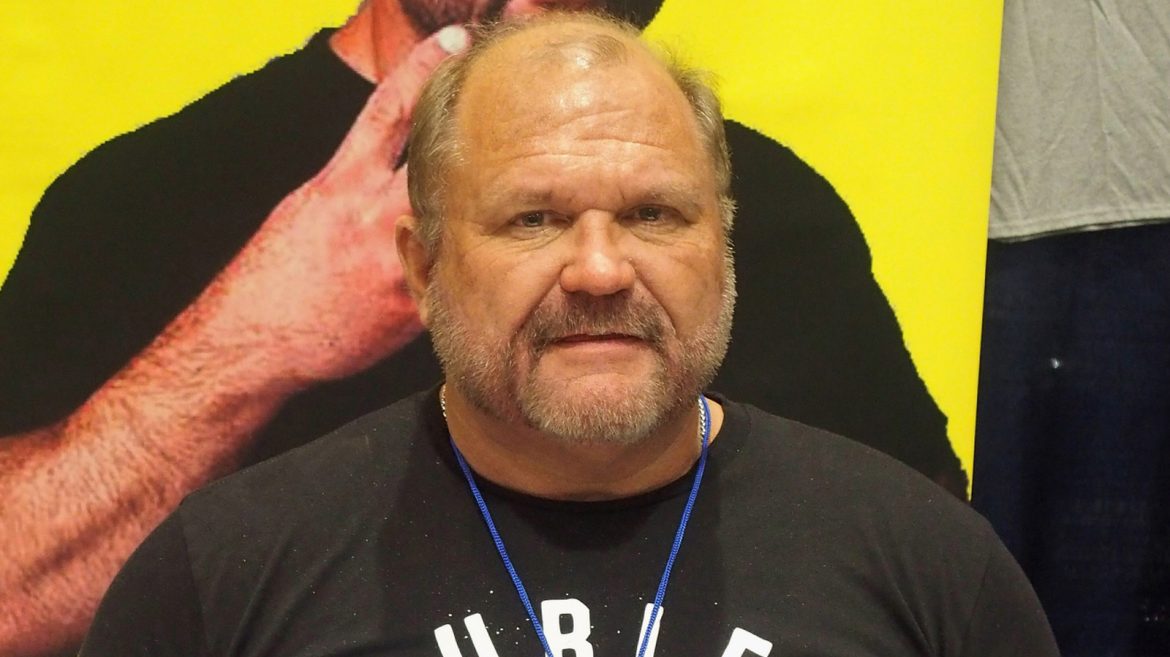
For a man like Arn Anderson, a veteran deeply entrenched in the more traditional, hard-hitting style of professional wrestling that had long defined promotions like the NWA and WCW, the introduction of the high-flying, daredevil artistry of Lucha Libre was a revelation. Anderson, a respected figure behind the scenes and a former multi-time world champion, found himself utterly captivated by the sheer ingenuity and execution displayed by the two competitors in the ring that night: the masked marvel Rey Mysterio Jr. and the equally agile Psychosis. Their match, a whirlwind of acrobatic maneuvers, innovative counters, and breathtaking aerial assaults, served as a stark departure from the power-based wrestling that often anchored WCW’s main events. It was a glimpse into a different, yet equally compelling, dimension of professional wrestling.
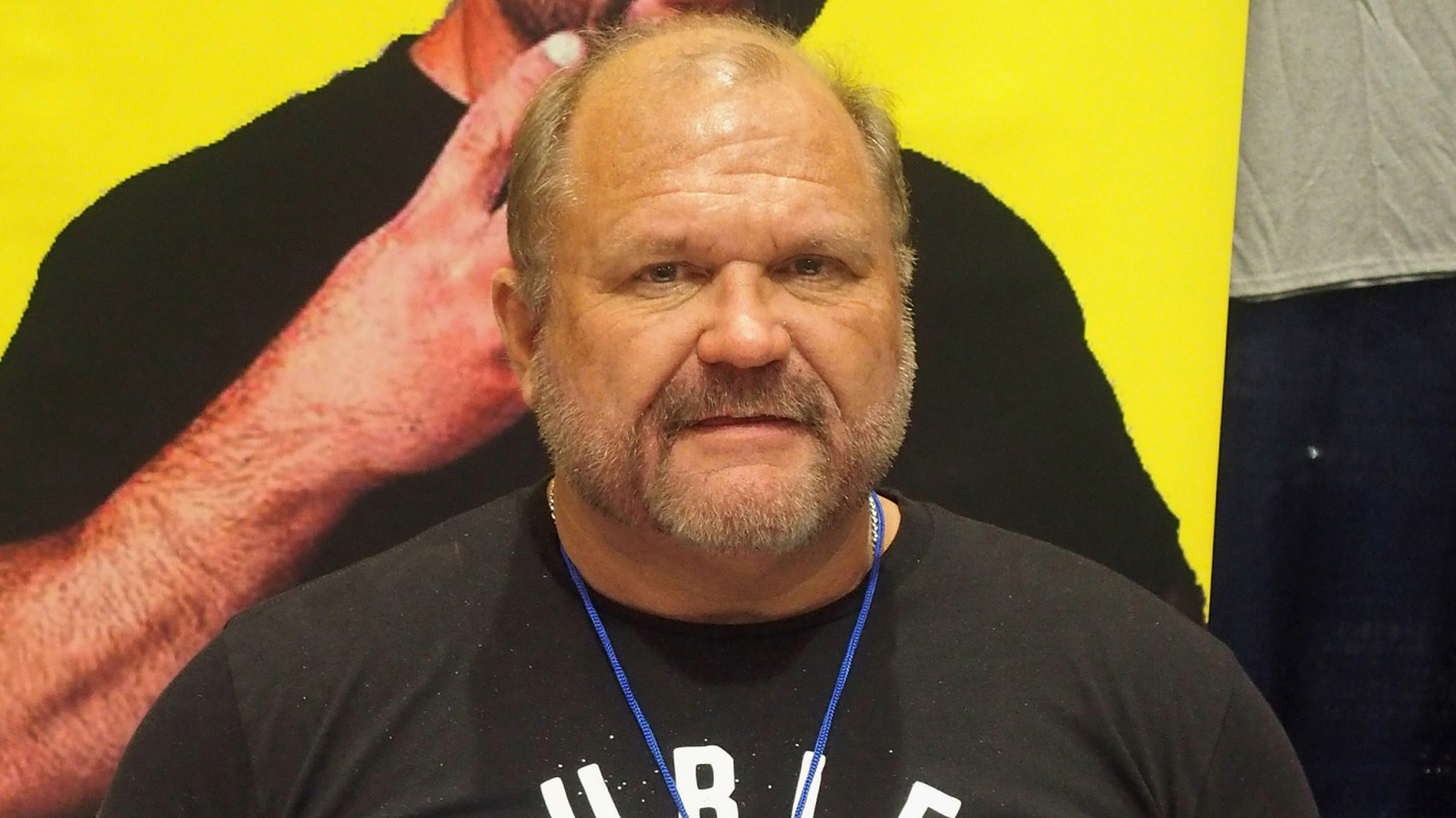
Recalling the event years later on his podcast, aptly named "ARN," Anderson articulated the profound impact this particular bout had on him. "I’d never seen anything like it because I’d never worked Mexico. I had never seen that Lucha stuff to that extent," he admitted, painting a vivid picture of his astonishment. "I just sat there with my jaw on the ground…How do you even think to come up with those spots? And then you go out and be able to perform them; one thing to picture them in your head, now you got to pull it off in front of a live crowd, and boy, did they." This sentiment speaks volumes about the level of skill and daring required. It wasn’t just about executing pre-planned sequences; it was about the spontaneous creativity, the split-second improvisation, and the sheer physical prowess needed to bring these audacious moves to life without injury. The fact that Anderson, a man who had grappled with some of the toughest competitors in the business, was left speechless underscores the unique quality of the performance.
WCW, under the creative guidance of figures like Eric Bischoff, had begun to embrace a more diverse wrestling product in the mid-1990s. While the nWo angle was undeniably the driving force behind their surge in popularity, the company also recognized the growing appeal of different wrestling styles. The cruiserweight division, in particular, became a breeding ground for exceptional talent, showcasing wrestlers from around the globe who brought their unique skill sets to a wider American audience. Rey Mysterio Jr. and Psychosis were prime examples of this international influx. Their participation in a prominent spot on a major pay-per-view like Bash at the Beach was a testament to WCW’s willingness to experiment and provide a platform for these exciting, albeit often niche, performers.
The evolution of Lucha Libre in North America is a fascinating story in itself. For decades, it remained a relatively insular art form, primarily confined to Mexico and its passionate fanbase. However, the late 1990s saw a significant shift. The success of wrestlers like Eddie Guerrero, Dean Malenko, and the aforementioned Mysterio and Psychosis in promotions like ECW and eventually WCW, began to break down barriers. Lucha Libre, with its emphasis on speed, agility, high-flying maneuvers, and intricate storytelling within the ring, offered a refreshing alternative to the more grounded, strike-heavy styles prevalent in American wrestling. It demanded a different kind of athleticism, a unique understanding of spatial awareness, and an almost balletic grace in the execution of complex sequences.
Rey Mysterio Jr., in particular, had already established himself as a prodigy by the time he stepped into the ring at Bash at the Beach 1996. His innovative use of the top rope, his incredible leaping ability, and his signature "619" maneuver (though not yet named as such) were captivating audiences. Psychosis, on the other hand, was a powerhouse of speed and agility in his own right, known for his incredible dropkicks and high-impact aerial attacks. Their matches were often a dizzying display of back-and-forth action, with each competitor seemingly determined to one-up the other with increasingly spectacular moves. The chemistry between them was palpable, a testament to their shared background and understanding of the Lucha Libre tradition.
The impact of their Bash at the Beach encounter extended beyond Arn Anderson’s personal awe. It served as a crucial stepping stone for the wider acceptance and appreciation of Lucha Libre within the mainstream wrestling consciousness. While many fans were already familiar with the style through independent promotions or international broadcasts, this pay-per-view appearance brought it directly to a massive, global audience. It demonstrated that wrestling wasn’t just about brute strength; it could also be about artistry, innovation, and breathtaking athleticism. This exposure paved the way for future generations of Lucha-inspired wrestlers to find success in major American promotions, influencing countless performers and matches in the years that followed.
Even today, the legacy of that 1996 match endures. Both Rey Mysterio Jr. and Psychosis remain active participants in the wrestling world, albeit with differing career trajectories. Psychosis, while still capable of impressive performances, has scaled back his in-ring commitments considerably, allowing his body the rest it has earned after decades of demanding action. Rey Mysterio Jr., however, continues to defy the aging process, a testament to his dedication and the unique physical demands of his style. He has openly discussed the proximity of his retirement, a natural conclusion for any athlete nearing the twilight of their career. Yet, his motivation is palpable, fueled in part by the opportunity to share the squared circle with his son, Dominik Mysterio, and to continue doing what he loves, regardless of his age. This intergenerational aspect adds another layer to Mysterio’s ongoing career, as he mentors his son while still performing at a remarkably high level, a feat made possible by the athleticism honed through years of mastering the Lucha Libre style.
The wrestling landscape has undeniably evolved since that summer night in 1996. The rise of various independent promotions, the globalization of the industry, and the increasing accessibility of diverse wrestling styles through digital platforms have created a more varied and appreciative fanbase. Lucha Libre, once a somewhat exotic spectacle for American audiences, is now a recognized and celebrated art form, with its techniques and aesthetics integrated into the repertoires of wrestlers across the globe. The seeds of this widespread acceptance, however, were sown by groundbreaking matches like the one between Rey Mysterio Jr. and Psychosis at WCW Bash at the Beach. It was a performance that transcended the immediate drama of the main event, offering a glimpse into the future of wrestling and leaving an indelible mark on those who witnessed its aerial brilliance. Arn Anderson’s recollection serves as a powerful reminder that even amidst the most significant storylines, moments of pure wrestling magic can steal the show and leave a lasting impression, a testament to the enduring power of athletic artistry in the world of professional wrestling.