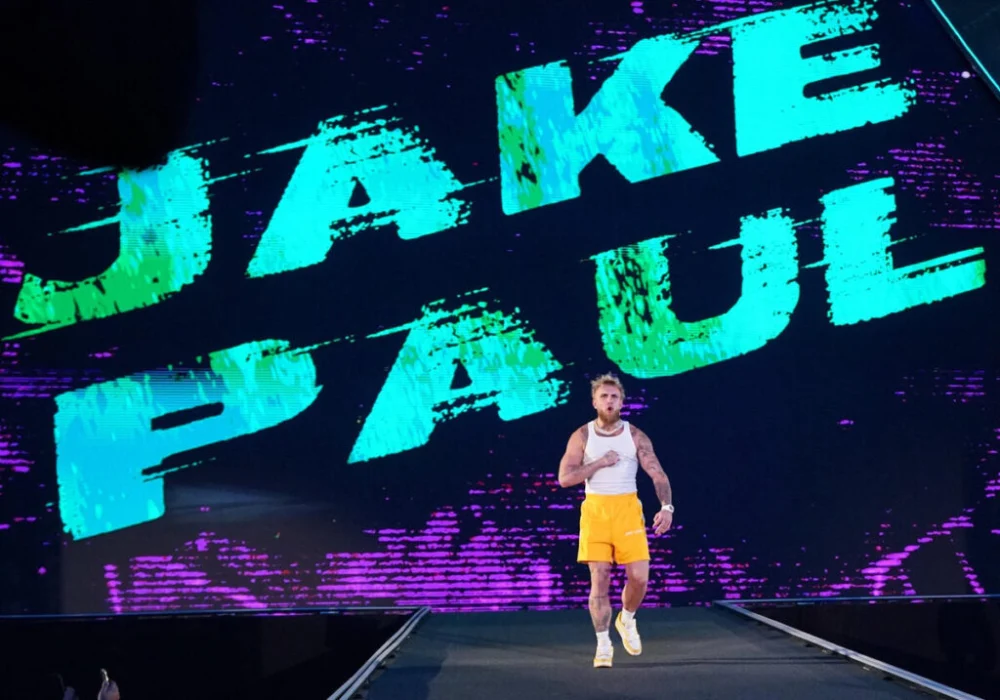
The news broke with a heavy heart across the globe: Anthony Joshua, the celebrated British-Nigerian heavyweight boxing titan, was involved in a severe vehicular accident in Nigeria, an incident that tragically claimed the lives of two individuals. While Joshua himself, a passenger in the rear of the vehicle, reportedly sustained only minor injuries and is currently receiving medical attention, the gravity of the situation prompted an uncharacteristic and poignant response from Paul, who had just faced Joshua in the squared circle just weeks prior. His immediate public statement transcended the typical post-fight banter, offering prayers and acknowledging that the sanctity of human life far outweighs any athletic contest. This sentiment, coming from the often polarizing "Problem Child," resonated deeply, serving as a stark, sobering counterpoint to the high-stakes drama and controlled aggression that define their shared profession.
The harrowing incident unfolded on a Monday, specifically December 29, 2025, along the bustling Lagos-Ibadan Expressway, in close proximity to Joshua’s ancestral home of Sagamu. The vehicle carrying Joshua, identified as a Lexus SUV, was reportedly traveling when a tire burst, causing the driver to lose control. The vehicle then swerved violently, colliding with a stationary truck parked on the side of the road. Law enforcement officials from Ogun State were quick to confirm the details, with Commissioner Lanre Ogunlowo providing an initial account to the media, stating that the accident was indeed a result of the burst tire. Further investigations by the Nigerian Federal Road Safety Corps (FRSC) indicated that additional factors, including excessive speed and an attempted overtaking maneuver, may have contributed to the catastrophic loss of control. The combined statements painted a grim picture of a sudden, violent event with devastating consequences, emphasizing the inherent dangers of the road and the tragic randomness of fate, even for globally recognized athletes. The swift response from authorities underscored the severity of the crash, bringing immediate attention to the welfare of all involved, especially Joshua given his public profile.
For Jake Paul, this tragic news arrived on the heels of arguably the most significant boxing match of his burgeoning, albeit controversial, career. On December 19, in an event broadcast globally on Netflix, Paul stepped into the ring to face Anthony Joshua, a legitimate, two-time unified world heavyweight champion. The bout, which saw Joshua deliver a sixth-round knockout, was a major spectacle, drawing immense viewership and cementing Joshua’s status while providing Paul with invaluable experience against a top-tier opponent. The immediate aftermath of such a high-stakes contest usually involves a flurry of analysis, post-fight interviews, and the typical social media back-and-forth that Paul often thrives on. However, the news from Nigeria abruptly shifted the focus, transforming a narrative of athletic competition into one of shared human vulnerability. Paul’s response, devoid of ego or posturing, highlighted a rare moment of unity and empathy in the often cutthroat world of combat sports, reminding everyone that beneath the personas and the rivalries, there lies a fundamental respect for life.
Jake Paul’s journey into the combat sports arena has been anything but conventional. Starting his career as a YouTube sensation, he leveraged his massive online following and innate knack for generating controversy into a surprisingly lucrative boxing venture. His early opponents, largely fellow internet celebrities or aging mixed martial artists, were often dismissed by purists as novelty acts. Yet, with each successive victory, Paul’s commitment to the craft became more apparent, and his performances, while often critiqued, showed genuine improvement. He transformed himself from a mere internet provocateur into a legitimate draw, capable of headlining major events and commanding significant pay-per-view numbers. His crossover appeal brought a new demographic of fans to boxing, injecting fresh energy and significant financial investment into the sport. This rise, however, has been fraught with challenges, including constant scrutiny over his opponents’ legitimacy, his own boxing skills, and his often bombastic public persona. Nevertheless, his ability to generate buzz, whether positive or negative, is undeniable, making him one of the most talked-about figures in combat sports today, bridging the gap between mainstream entertainment and professional fighting.
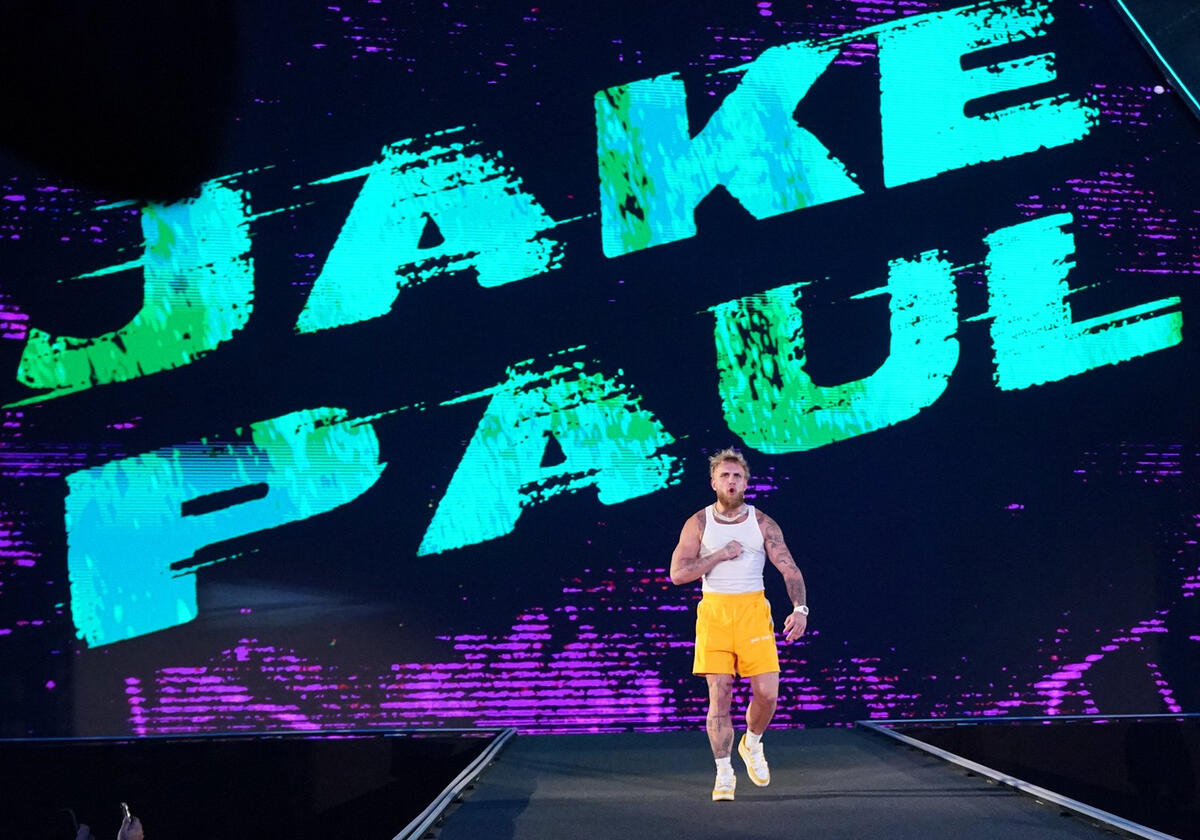
The Paul brothers, Jake and Logan, have masterfully carved out unique, yet interconnected, paths in the entertainment and combat sports landscape. While Jake pursued a boxing career, facing opponents ranging from former NBA players to seasoned boxers, Logan ventured into the world of professional wrestling, specifically aligning himself with the global juggernaut that is WWE. Logan Paul’s transition from internet celebrity to a bona fide WWE Superstar has been nothing short of remarkable, captivating audiences with his extraordinary athleticism and surprising natural aptitude for the intricate art of sports entertainment. His initial appearances, often met with skepticism from the hardcore wrestling faithful, quickly evolved into show-stealing performances on the grandest stages. He made his in-ring debut at WrestleMania 38, impressing fans and critics alike with his agility and ability to execute complex maneuvers. He quickly became a fixture on WWE programming, engaging in compelling storylines and participating in high-stakes championship matches. His ability to perform a springboard frog splash with precision, execute a variety of submission holds, and work a crowd with the finesse of a seasoned veteran showcased a dedication that few outside performers manage to achieve.
Logan’s impact on the WWE roster has been significant. He has competed for the Undisputed WWE Universal Championship against Roman Reigns at Crown Jewel, delivering a stellar performance that earned him widespread praise. He later captured the United States Championship, a prestigious title, at Crown Jewel 2023, defeating Rey Mysterio. This championship reign further solidified his status as a legitimate competitor, not just a celebrity attraction. He successfully defended the title against top-tier talent, demonstrating his commitment to his role within the company. His matches are characterized by breathtaking stunts and innovative offense, often incorporating elements of his YouTube daredevil past, which resonate strongly with a younger demographic. The integration of Logan Paul into WWE has been a resounding success, proving that when a crossover star commits fully to the craft, they can not only entertain but also genuinely elevate the product. His presence brings new eyes to the WWE universe, expanding its reach beyond traditional wrestling fans and showcasing the incredible spectacle that professional wrestling offers.
The success of both Paul brothers in their respective combat sports endeavors speaks volumes about the evolving landscape of entertainment. The lines between traditional sports, celebrity culture, and professional wrestling have become increasingly blurred, creating a fascinating ecosystem where a viral video can lead to a main event boxing match or a championship title reign in WWE. This phenomenon of celebrity crossover has been a game-changer for combat sports, bringing in unprecedented viewership numbers and financial windfalls. For boxing, personalities like Jake Paul have injected new life and controversy, drawing in a younger, digital-native audience who might not otherwise tune into traditional boxing broadcasts. Similarly, in professional wrestling, the inclusion of mainstream celebrities has always been a strategic move to garner mainstream attention. From Mr. T at the inaugural WrestleMania to Bad Bunny’s critically acclaimed performances, WWE has consistently leveraged celebrity power to expand its reach. Logan Paul represents the modern iteration of this strategy, a global influencer with a built-in audience, who has not only participated but excelled, earning the respect of his peers and the adoration of a significant portion of the fanbase.
This intertwining of worlds creates a unique dynamic. While Jake Paul has often been embroiled in feuds and verbal sparring matches, sometimes even calling out WWE Superstars or UFC fighters, his brother Logan operates within the structured, narrative-driven environment of professional wrestling. Both, however, thrive on spectacle, performance, and the creation of compelling storylines, albeit with different forms of execution. Jake’s boxing matches are real contests of skill and endurance, while Logan’s wrestling matches are meticulously choreographed performances designed to tell a story and elicit an emotional response from the audience. Yet, the underlying appeal is similar: larger-than-life characters engaging in physical contests that captivate and entertain. The Paul brothers have, in many ways, become standard-bearers for this new era of celebrity combatants, demonstrating that with dedication and a shrewd understanding of their brand, they can achieve legitimate success across diverse platforms. Their collective impact underscores a broader trend where entertainment value, star power, and authentic athletic effort converge, reshaping the very definition of a "combat sports athlete."
The unfortunate incident involving Anthony Joshua serves as a poignant, almost existential, counterpoint to the controlled chaos and high-octane drama inherent in the world of combat sports. Inside the boxing ring or within the squared circle of a wrestling arena, athletes willingly put their bodies on the line, accepting the inherent risks of concussions, broken bones, and career-altering injuries. These risks are calculated, understood, and a fundamental part of the spectacle that fans eagerly consume. Every punch thrown, every slam delivered, every high-flying maneuver executed carries a degree of danger, yet it is within a defined, regulated, and somewhat predictable environment. The adrenaline, the cheers, the rivalries – these are the elements that fuel the passion for professional fighting and sports entertainment. However, the tragic reality of an external, unforeseen event like a car accident reminds everyone, from the most hardened veteran to the newest fan, that life outside the ropes and cage is far more unpredictable and, ultimately, far more fragile.

Jake Paul’s statement, "Life is much more important than boxing," resonates deeply precisely because it strips away the layers of bravado, competition, and showmanship that define his public persona and the very industries he inhabits. It’s a simple, undeniable truth that cuts through the noise of pay-per-view buys, championship belts, and social media feuds. In a moment of genuine human tragedy, the competitive spirit is momentarily silenced, replaced by a universal concern for well-being. This perspective is a powerful reminder that while athletes like Anthony Joshua and figures like Jake Paul exist in a realm of extraordinary physical feats and intense public scrutiny, they are ultimately human beings susceptible to the same random, devastating events that can affect anyone. The collective outpouring of sympathy and concern from the combat sports community, often characterized by fierce rivalries, highlights a shared understanding of this fundamental truth.
The incident also brings into focus the immense pressure and constant travel that elite athletes endure. Whether it’s flying across continents for a training camp, a media tour, or a fight, the demands on their time and bodies are immense. While the comforts and security afforded to top-tier athletes are significant, they are not immune to the everyday risks of travel, particularly in regions where infrastructure or road safety standards might differ. The tragic loss of two lives in this accident underscores the broader societal implications and the preciousness of every individual life, irrespective of their fame or profession. For Anthony Joshua, a figure of immense pride in both Britain and Nigeria, the incident is a personal trauma that transcends his athletic achievements. His recovery, both physical and emotional, will undoubtedly be a journey, reminding the world that even the most formidable athletes face challenges far greater than any opponent in the ring.
In conclusion, the somber news emanating from Nigeria, detailing the tragic car accident involving boxing icon Anthony Joshua, has reverberated through the combat sports world, prompting a rare moment of introspection and unity. Jake Paul’s heartfelt message, prioritizing human life over the spectacle of sport, served as a powerful testament to the shared humanity that underlies even the fiercest rivalries. While the Paul brothers continue to push boundaries and redefine celebrity influence across boxing and professional wrestling, incidents like this serve as a stark reminder of the unpredictable nature of life beyond the bright lights and roaring crowds. As Anthony Joshua embarks on his recovery, and as the investigation into the tragic accident continues, the message remains clear: the triumphs and rivalries of the ring, while captivating, ultimately pale in comparison to the profound value of life itself, a truth that momentarily silenced even the most boisterous voices in the realm of combat sports.


