
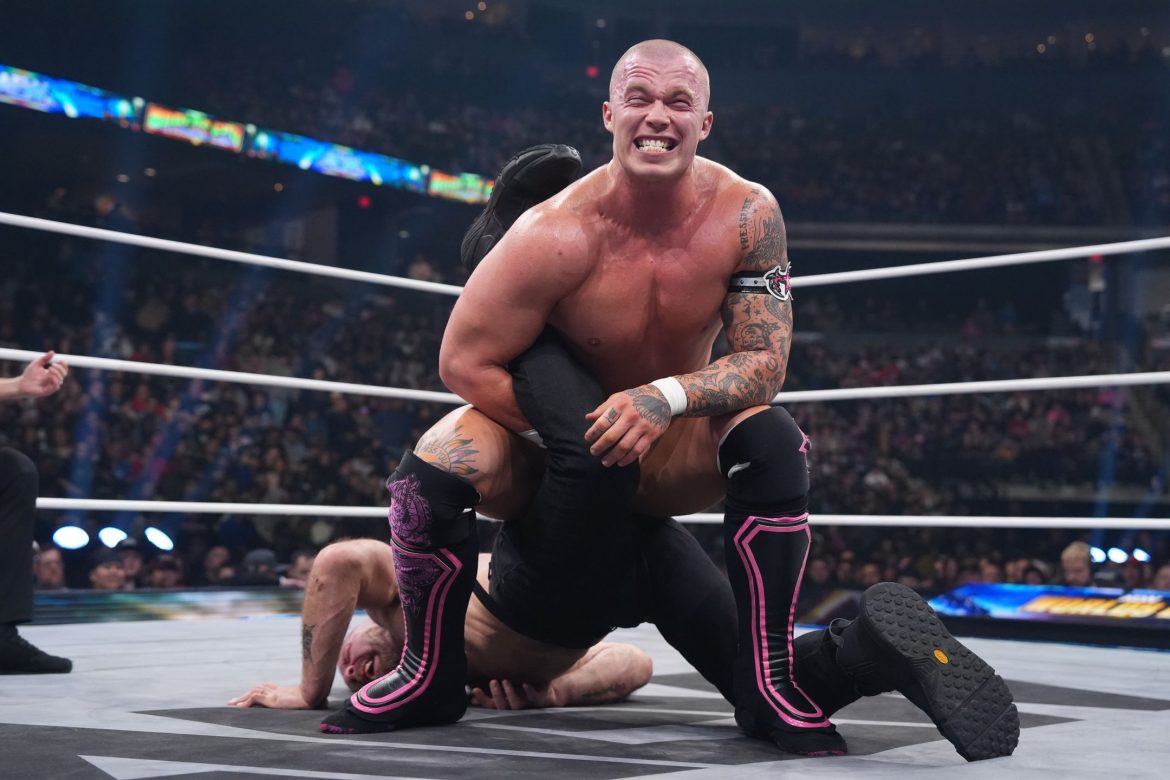
The wrestling world often operates at a breakneck pace, a whirlwind of thrilling action, dramatic narratives, and the constant hum of fan anticipation. Within this dynamic ecosystem, moments of concern for performer safety can ripple through the fanbase, prompting a collective breath held until reassurance arrives. Such was the case following the conclusion of AEW Worlds End, a significant pay-per-view event that saw the culmination of the Continental Classic tournament. Amidst the high stakes and intense competition, a particular incident involving rising star Kyle Fletcher and veteran powerhouse Jon Moxley captured the attention and, for a time, the worry of many observers. While the immediate visual was stark – a dangerous maneuver executed at a critical juncture – subsequent reports have thankfully indicated that Fletcher emerged from the fray relatively unscathed, a testament to his professionalism and the robust safety protocols inherent in modern professional wrestling.
The pivotal moment in question occurred during Fletcher’s hard-fought bout against Jon Moxley. The contest, steeped in the raw intensity that both competitors are known for, reached a crescendo atop the turnbuckles. Moxley, a seasoned campaigner with a reputation for inflicting significant damage, executed a dragon suplex that sent Fletcher spiraling. The impact, as witnessed by the live audience and broadcast to a global viewership, appeared particularly jarring, with Fletcher landing in a manner that raised immediate red flags regarding potential neck and head trauma. Despite the severity of the maneuver, Fletcher, demonstrating remarkable grit and an unwavering commitment to the performance, managed to continue wrestling. This resilience, while admirable from a storytelling perspective, naturally amplified the unease among those watching, as any visible sign of distress in a performer after such a landing can be deeply unsettling. The match ultimately concluded with Moxley securing the victory via a rear-naked choke submission, a finish that, in the heat of the moment, overshadowed the concerning visual that preceded it.
However, the wrestling news cycle, ever vigilant, quickly sought to address the palpable concern. Reports soon surfaced, notably from prominent wrestling journalist Bryan Alvarez, suggesting that Kyle Fletcher was, in fact, "fine" following the intense encounter. This update provided a crucial measure of relief, allowing fans to shift their focus back to the competitive and dramatic elements of the show. The ability of wrestlers to absorb such impacts and continue performing is a facet of the industry that, while often taken for granted, is built upon years of physical conditioning, specialized training, and a deep understanding of their own bodies and the risks involved. Fletcher’s continuation in the match, while potentially fueling anxiety, also underscored his dedication to delivering a compelling performance until the very end.
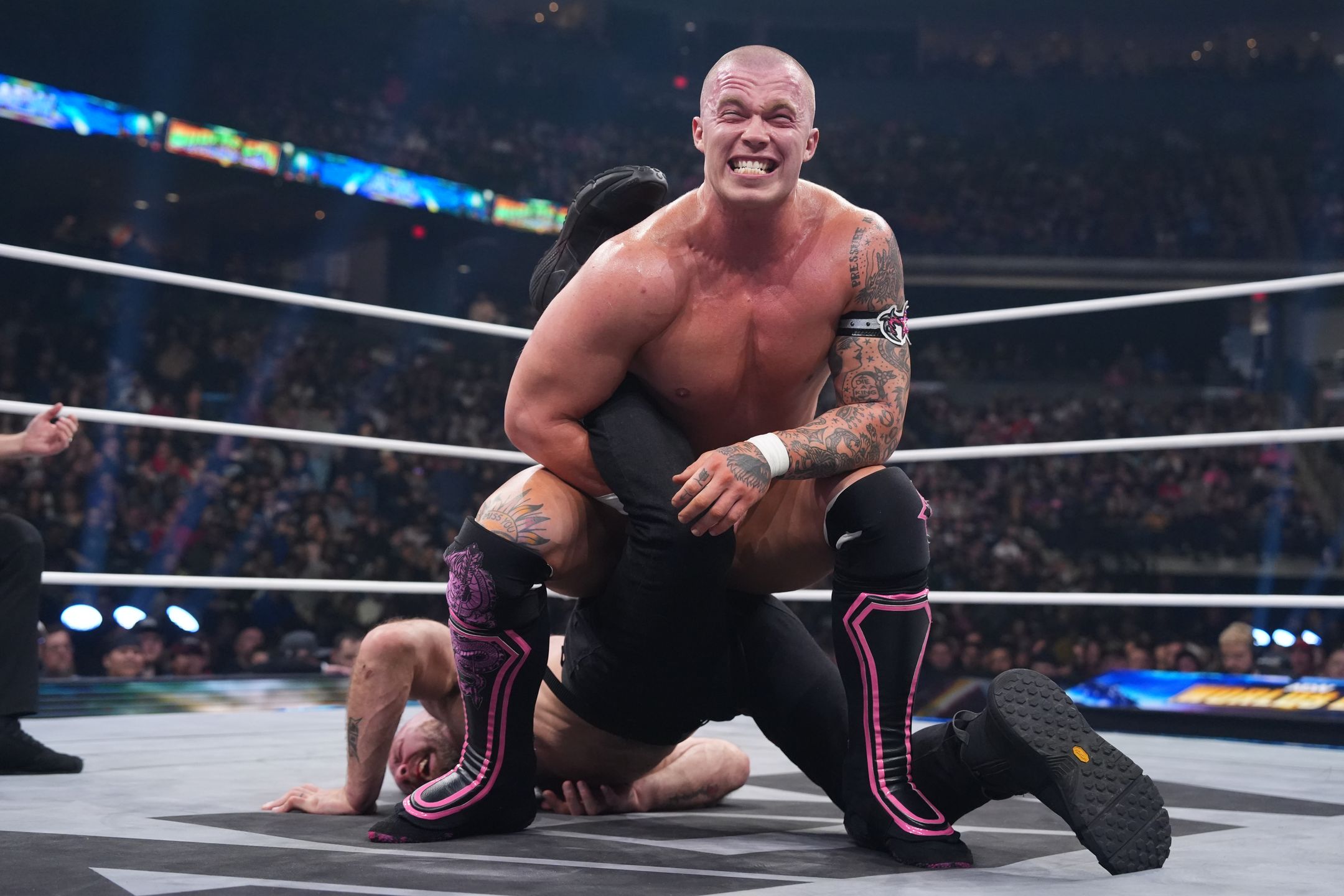
Beyond the immediate concern for his physical well-being, Kyle Fletcher also voiced his frustrations in the post-match interviews, a common practice for wrestlers to articulate their in-character emotions and advance their storylines. His disappointment stemmed from more than just the loss itself; it was rooted in the broader context of the Continental Classic tournament and his personal aspirations within AEW. Fletcher expressed a clear sense of falling short of his own lofty expectations, particularly lamenting his inability to reach the tournament finals for a second consecutive year. This recurring theme of near-misses adds a layer of sympathetic frustration to his character, positioning him as a talent on the cusp of greatness but consistently thwarted by circumstances or opponents.
A significant point of contention for Fletcher, and indeed a narrative thread woven throughout the latter stages of the Continental Classic, was the alleged unsanctioned use of a screwdriver by Don Callis. This implement, a common weapon in the arsenal of those associated with the Don Callis Family, was purportedly used by Kenny Omega in a prior match, enabling his advancement and, by extension, influencing the bracket that led to Fletcher’s encounter with Moxley. Fletcher’s frustration was palpable as he questioned the whereabouts of the screwdriver, implying that its clandestine deployment unfairly altered the tournament’s trajectory. This element of the storyline injects a classic pro-wrestling trope – the nefarious manager interfering to ensure their client’s success – into the narrative, highlighting the ongoing feuds and rivalries within AEW.
The Continental Classic itself represented a significant undertaking for All Elite Wrestling, a tournament designed to crown a new champion and showcase a diverse range of talent. The structure, drawing inspiration from international wrestling traditions, emphasized a league-style format culminating in a grand final. For Fletcher, the tournament was not merely a series of matches but a platform to solidify his standing as one of wrestling’s elite. His ambition, as stated in his post-match comments, to be remembered as "the greatest wrestler of all time," is a bold declaration that speaks to his immense self-belief and drive. However, as he himself acknowledged, such lofty goals are contingent upon delivering results when it matters most, a challenge that has evidently weighed heavily on him.
The outcome of the Continental Classic saw Jon Moxley not only win the tournament but also capture the newly established Continental Championship. This dual victory cemented Moxley’s dominance and added another prestigious title to his already impressive resume within AEW. His victory over Okada in the final was a highly anticipated clash between two of wrestling’s most formidable figures, a testament to the caliber of talent that AEW consistently puts forth. For Fletcher, this outcome represented the fulfillment of a dream for his opponent, further fueling his own determination to overcome the obstacles that have thus far prevented him from reaching such heights. The narrative of Fletcher’s pursuit of championship gold, now intertwined with his frustrations over perceived injustices, promises to be a compelling storyline moving forward.

The incident with the dragon suplex, while concerning in the moment, ultimately serves to underscore the physical toll that professional wrestling can take. Wrestlers are athletes who push their bodies to the absolute limit, performing feats of athleticism and strength that are both breathtaking and, at times, perilous. The skill and precision involved in executing moves like the dragon suplex, while intended to elicit a desired reaction from the audience, always carry an inherent risk. The fact that Fletcher was able to continue and express his clear disappointment rather than succumbing to injury speaks volumes about his physical conditioning and mental fortitude.
Furthermore, the narrative surrounding Fletcher’s frustration with the screwdriver incident is a classic example of how wrestling storylines are crafted to generate intrigue and emotional investment from the audience. The perceived unfairness of a situation, the questioning of legitimacy, and the promise of retribution are all time-honored storytelling devices that keep fans engaged. Fletcher’s character, now defined by his ambition, his near-misses, and his sense of being wronged, is poised for a compelling arc as he seeks to overcome these challenges and prove his detractors wrong. His determination to have "hard conversations" suggests a proactive approach to addressing the issues that have hampered his progress, hinting at future confrontations and strategic maneuvering.
The presence of Don Callis and his associated faction, including figures like Kenny Omega and the aforementioned screwdriver, adds a layer of classic villainy to the AEW landscape. Callis, a master manipulator and strategist, has consistently employed underhanded tactics to elevate his clients, creating a sense of unease and unpredictability whenever he or his associates are involved. Fletcher’s entanglement in this web of deceit, particularly his focus on the screwdriver, positions him as an unwitting victim of these machinations, thus garnering sympathy and support from the fanbase. His desire to address these "hard conversations" implies a willingness to confront Callis and his associates directly, potentially leading to a significant feud.
Ultimately, the narrative surrounding Kyle Fletcher at AEW Worlds End is one of resilience, ambition, and the ongoing quest for validation. While the immediate concern for his safety has been alleviated, the underlying themes of his pursuit of greatness, his frustration with perceived roadblocks, and his commitment to overcoming adversity continue to resonate. As he navigates the competitive landscape of AEW, his journey promises to be one filled with compelling matches, intricate storylines, and the unwavering determination of a wrestler striving to etch his name into the annals of professional wrestling history. The unsettling visual of the dragon suplex has, in a way, become a poignant reminder of the sacrifices made by these athletes and the courage they display in pursuit of their dreams, all while fueling the ongoing drama that makes professional wrestling such a captivating spectacle.