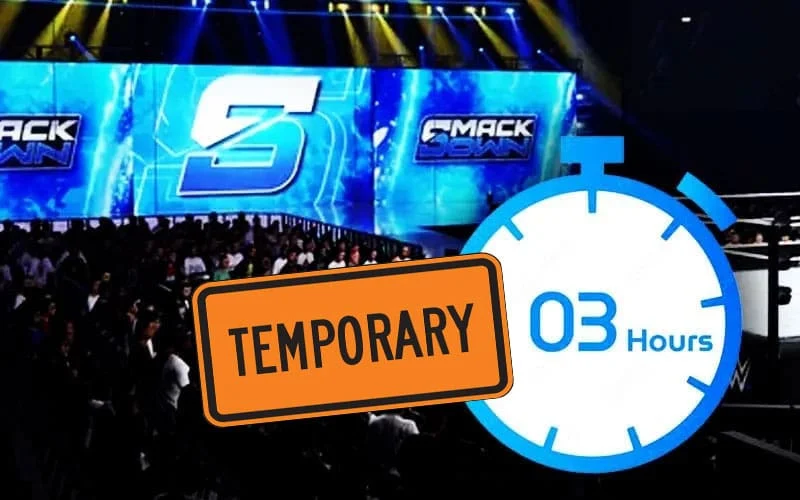
The landscape of professional wrestling television is often defined by its volatility and the constant evolution of how content is delivered to a global audience. Recently, Friday Night SmackDown underwent a significant shift by expanding its broadcast window to three hours upon its return to the USA Network. This move, which took place during the first week of January 2026, was initially met with a mixture of excitement and trepidation by the wrestling community. While the extra hour allows for more character development and longer in-ring segments, industry analysts and veteran observers are suggesting that this expanded format may not be a permanent fixture for the blue brand. Instead, the current three-hour duration appears to be a calculated, seasonal maneuver by the network and WWE leadership, mirroring a strategy that was implemented during the previous year. According to insights shared by industry expert Bryan Alvarez, the logic behind this scheduling choice is rooted in the network’s broader programming goals rather than a fundamental, long-term change to the structure of the show itself.
When examining the history of SmackDown, the program has traditionally been viewed as the leaner, faster-paced alternative to the three-hour marathon of Monday Night Raw. For much of its existence, SmackDown has thrived within a two-hour block, a format that many fans and critics believe is the ideal length for a weekly wrestling broadcast. However, the transition back to the USA Network from its previous home on FOX has opened the door for experimentation. In 2025, the show followed a similar trajectory, maintaining a three-hour presence for the first several months of the year before eventually scaling back to its traditional two-hour runtime. This cyclical approach suggests that the first half of 2026 will serve as a high-intensity period for the brand, likely intended to capitalize on the momentum of the road to WrestleMania and the post-Mania season, before the network adjusts its lineup for the summer and autumn months.
The reasoning behind these fluctuating runtimes is often tied to the logistical and financial requirements of the television network. USA Network has a long-standing relationship with WWE, and they understand the unique power of the wrestling audience. By extending SmackDown to three hours in the early part of the year, the network can maximize advertising revenue during a peak period of viewership. Furthermore, the third hour acts as a powerful lead-in for other programming. Reports indicate that the network is looking to use the massive audience generated by WWE to launch or bolster new projects. Specifically, there has been talk of a new program aimed at a similar demographic to the wrestling audience—perhaps something akin to the reality-based content featuring Braun Strowman that has been discussed in the past—which would take over the time slot currently occupied by the third hour of SmackDown once the calendar turns to the second half of 2026.
This strategy of using the "third hour" as a placeholder or a developmental tool for the network’s schedule is not entirely new, but it does place a significant burden on the creative team. Filling three hours of live television every single week is a monumental task that requires a deep roster and diverse storytelling. To meet this challenge, the January 2026 premiere of the three-hour format featured a heavy infusion of talent from various corners of the wrestling world. The episode was bolstered by the appearances of Trick Williams, the charismatic standout from NXT, and Je’Von Evans, whose high-flying style has made him one of the most talked-about young prospects in the industry. Additionally, the presence of TNA Knockouts powerhouse Jordynne Grace and the surprise return of Matt Cardona provided the show with a "supercard" feel that justified the extended runtime. These cameos and cross-promotional appearances are essential for maintaining viewer interest over 180 minutes, as they prevent the product from feeling stagnant or repetitive.
The inclusion of Jordynne Grace is particularly noteworthy, as it highlights the ongoing collaborative spirit between WWE and other major wrestling organizations. Her presence on the blue brand brings a level of prestige and unpredictability that is often missing from standard weekly television. Similarly, Matt Cardona’s appearance serves as a testament to his incredible journey on the independent circuit. After reinventing himself as the "Indy God," Cardona’s return to a WWE ring under the SmackDown banner represents a full-circle moment that resonates deeply with the hardcore fan base. By utilizing these high-profile names, WWE is able to fill the extra hour with "event-level" content, making the three-hour commitment feel less like a chore for the audience and more like a special viewing experience.
However, the question remains whether the quality can be sustained if the three-hour format were to become permanent. Many insiders, including Alvarez, have voiced the opinion that three hours is simply too long for a weekly wrestling show, citing the "Raw fatigue" that has occasionally plagued the red brand over the last decade. The creative demand to produce an extra hour of television often leads to "filler" segments, long-winded promos, and matches that are stretched beyond their natural conclusion. By keeping the three-hour window temporary, WWE and the USA Network can reap the benefits of increased ad inventory and higher ratings during the most important months of the wrestling calendar without burning out the audience or the creative staff. It allows the show to feel "big" during the championship season while returning to a more manageable and punchy two-hour format for the remainder of the year.
The "Braun Strowman" style programming mentioned in recent reports points toward a broader trend in cable television where networks seek to create a "block" of related content. If the USA Network can successfully transition the SmackDown audience into a new reality or competition-based series in the late Friday night slot, it would be a significant win for their overall ratings health. This tactic mirrors how networks have historically used hit sitcoms to launch new comedies or how Monday Night Raw has been used to promote various USA Network originals over the years. The difference here is the intentionality of the "temporary" nature of the third hour. Rather than cancelling a show or changing a time slot abruptly, the network appears to be planning a seasonal hand-off that keeps the Friday night lineup dynamic and fresh.
From a talent perspective, the temporary three-hour window offers a unique opportunity for the mid-card and the rising stars of the developmental system. During the premiere episode of 2026, Je’Von Evans was given a platform to showcase his incredible athleticism to a much larger audience than he typically reaches on NXT. For a young athlete like Evans, an extra hour on SmackDown means more than just a longer show; it means a chance to prove he can handle the pressure of the main roster spotlight. If the show were only two hours, many of these developmental showcases would likely be cut in favor of established stars like Roman Reigns, Cody Rhodes, or Randy Orton. Therefore, while the three-hour format may be exhausting for some, it serves as a vital proving ground for the next generation of WWE superstars.
The feedback from the initial three-hour broadcast was surprisingly positive, largely due to the rapid-fire succession of debuts and high-stakes matches. The pacing was managed in a way that avoided the typical mid-show slump that often affects long-form broadcasts. However, the reality of the grueling WWE schedule means that maintaining that level of energy every week is a difficult proposition. Injuries, travel fatigue, and the natural ebb and flow of storylines can make a three-hour show feel much longer than it actually is. This is why the news of the show potentially reverting to two hours in the summer is being seen by many as a positive development. It ensures that the brand remains prestigious and that the "must-see" nature of the program isn’t diluted by overexposure.
As we look toward the future of SmackDown in 2026, it is clear that the brand is in a state of transition. The move back to cable television after a successful run on network TV was a major shift, and the current experimentation with runtimes is a reflection of that new reality. Fans should view the current three-hour episodes as a special "extended season" of the show, rather than a permanent alteration to the Friday night tradition. The presence of stars like Trick Williams and Jordynne Grace adds a layer of excitement that makes the extra time feel valuable, but the eventual return to a two-hour format will likely be welcomed by those who value a concise and high-impact wrestling program.
Ultimately, the television industry is driven by data and strategic planning. The decision to expand and then contract the SmackDown runtime is a sophisticated play by the USA Network to maximize the value of the WWE intellectual property. By utilizing the first half of the year to build momentum and then transitioning into new programming in the second half, the network is attempting to create a year-round destination for sports entertainment fans. Whether this "repeat programming strategy" becomes a permanent annual tradition remains to be seen, but for now, the blue brand is making the most of its extra time in the spotlight. The clock is ticking on the three-hour era, and as the summer months approach, the focus will likely shift back to a more streamlined version of Friday night’s most popular show. For the time being, however, the influx of new talent and the high-stakes atmosphere of the three-hour format continue to provide plenty of talking points for the WWE Universe, ensuring that SmackDown remains at the center of the professional wrestling conversation.