The landscape of professional wrestling underwent a seismic shift at the dawn of 2026, as WWE transitioned its flagship program, Monday Night RAW, to a global streaming powerhouse. This move brought with it a renewed sense of unpredictability and the potential for massive surprises that could redefine the industry once again. With the eyes of the world fixed on the new digital home for sports entertainment, every word uttered by company officials is scrutinized for hidden meanings, and every social media post is dissected by a hungry fan base looking for the next legendary comeback. This atmosphere of heightened expectation set the stage for a whirlwind of rumors surrounding the January 5, 2026, broadcast, as fans convinced themselves that one of the greatest performers in history was about to make a shocking homecoming. However, the reality of the situation proved to be a masterclass in modern marketing and the power of coincidence in an era where the line between fiction and reality is constantly blurred.
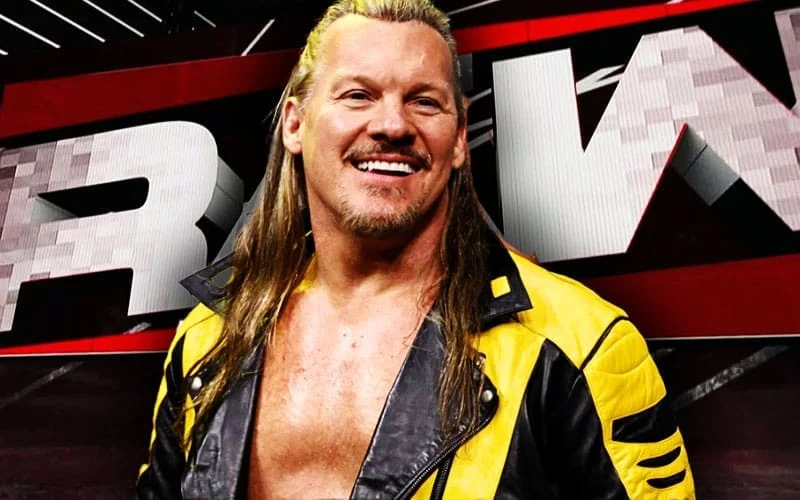
The fervor began in earnest when the General Manager of the red brand, Adam Pearce, took to digital platforms to build anticipation for the evening’s festivities. In a promotional address intended to highlight the high stakes of the card, Pearce utilized a specific turn of phrase that acted as a lightning bolt for long-time viewers. By mentioning the act of breaking down barriers and walls to secure championship gold, he inadvertently touched upon a nerve that has been sensitive since the summer of 1999. To the wrestling faithful, the concept of breaking down walls is inextricably linked to the iconic debut of Chris Jericho, whose arrival in the World Wrestling Federation remains one of the most celebrated moments in the history of the medium. The immediate assumption among the community was that WWE was planting the seeds for a massive surprise, signaling that the "Ocho" was finally ready to return to the fold after years away from the company.
Despite the intensity of the speculation, the truth behind the choice of words was far more grounded in corporate synergy than in a roster shake-up. The January 5 episode was not merely a standard broadcast; it served as a high-profile crossover event with the hit series Stranger Things, a cornerstone of the Netflix content library. Within the lore of that fictional universe, the act of breaching the barrier between dimensions—specifically the wall into the "Upside Down"—is a central narrative theme. Pearce’s comments were intended to pay homage to this partnership, weaving the terminology of the streaming giant’s premier intellectual property into the fabric of the wrestling program. While the "break the walls" phrasing served as a clever nod to the sci-fi horror series, its legacy within the squared circle was so profound that it overshadowed the intended marketing message, leading to a wave of false hope among those who were eager for a nostalgic explosion.
Adding fuel to the fire was the specific timing of the rumors, which coincided with significant developments regarding the veteran performer’s professional status. Reports had been circulating for weeks that the multi-time world champion had reached the conclusion of his contractual obligations with All Elite Wrestling on the final day of 2025. This supposed transition into free agency created a vacuum of information that fans were all too happy to fill with their own theories. The fact that the individual in question had been absent from AEW television since the spring of 2025 only intensified the belief that he was preparing for a grand re-emergence elsewhere. When he was noticeably missing from the year-end Worlds End pay-per-view, the narrative that he was WWE-bound seemed to gain undeniable momentum, making the "walls" reference feel like a definitive confirmation rather than a thematic coincidence.
However, investigative efforts into the performer’s whereabouts on that fateful Monday night revealed a very different story. While the production trucks were parked in New York City, preparing for the live Netflix extravaganza, the man at the center of the storm was located thousands of miles away. Verified reports indicated that he was actually spending time in Los Angeles, nowhere near the East Coast venue where the alleged return was supposed to take place. This geographical discrepancy served as the first major blow to the rumors, suggesting that any plans for a surprise appearance were non-existent. Internal chatter within the sports entertainment giant further corroborated this, with sources indicating that there had been no discussions or preparations for such a monumental return on that specific date. The "walls" remained firmly in place, and the entrance ramp remained devoid of the familiar countdown that usually precedes his arrival.
The performer himself did little to extinguish the flames of speculation in the days leading up to the event. Known for his mastery of social media and his ability to manipulate the "dirtsheet" cycle to his advantage, he engaged with his audience through a live digital stream. When questioned directly about the possibility of showing up on the new Netflix platform, he offered a cryptic and classic response, suggesting that in the world of professional wrestling, the future is always unwritten. This kind of "never say never" rhetoric is a staple of his persona, allowing him to maintain his relevance and keep his name in the headlines without ever committing to a specific course of action. It is a tactic he has used throughout his decades-long career, from the "Save_Us" viral marketing campaign of 2007 to the silent, jacket-clad return of 2012. By playing into the mystery, he ensured that whether he showed up or not, he would be the primary topic of conversation.
To understand why the fans were so easily swayed by a single phrase, one must look at the historical context of this particular athlete’s relationship with the WWE. Throughout his various tenures, he has specialized in the art of the reinvention, constantly shifting his character to stay ahead of the curve. From the brash "Y2J" of the Attitude Era to the suit-wearing, slow-talking antagonist of the late 2000s, and later the "List of Jericho" phenomenon, he has proven time and again that he understands the audience better than almost anyone else. His departure for other ventures was seen by many as a temporary hiatus rather than a permanent divorce. Consequently, the idea that he would return to the company that made him a household name—especially as it entered a bold new era on a global streaming service—felt like a poetic inevitability. The fans weren’t just looking for a wrestler; they were looking for a sign that the new era of RAW would honor the legends of the past while pushing toward the future.
The Stranger Things tie-in, while logical from a business perspective, perhaps underestimated the deep-seated connection fans have with wrestling terminology. In the world of sports entertainment, words are rarely just words; they are "catchphrases" and "promos" designed to trigger specific emotional responses. When a General Manager uses a phrase that has been the opening line of a legendary theme song for over twenty-five years, it is almost impossible for the audience not to make that connection. This incident highlights the unique challenges WWE faces as it integrates more mainstream brand partnerships into its storytelling. While the crossover with Netflix properties is a savvy move for TKO Group Holdings, the nuances of wrestling history can sometimes lead to unintended consequences, where a simple metaphor for a sci-fi portal is mistaken for a monumental roster move.
Furthermore, the state of the industry in early 2026 has made the "surprise return" a more valuable commodity than ever before. With the Monday night program now accessible to millions of subscribers worldwide without the need for traditional cable, the pressure to deliver "viral moments" is immense. The debut episode on the streaming service set a high bar, and the follow-up episodes were expected to maintain that momentum. In this climate, the rumors of a free agent of such high caliber joining the ranks were exactly what the digital discourse needed to stay white-hot. Even though the appearance did not materialize, the sheer volume of discussion generated by the "break the walls" comment proved that the performer’s brand remains one of the most potent forces in the business, capable of overshadowing an entire episode’s worth of actual matches and storylines.
As the dust settled on the January 5 broadcast, the focus shifted from the "what if" to the reality of the current rosters. The three championship matches advertised by Pearce delivered the high-octane action fans expected, and the Stranger Things aesthetic provided a unique visual flair that distinguished the episode from its predecessors. Yet, the absence of the "Lionheart" served as a reminder of the complexities of contract negotiations and the logistical hurdles of cross-country travel. While the expiration of his previous deal on December 31 may have made him a free agent in the technical sense, it did not necessarily mean an immediate jump back to his former employer was in the cards. The wrestling world is a landscape of long-term planning and carefully timed debuts, and a return of that magnitude would likely be saved for a stage as grand as WrestleMania or a similarly massive premium live event, rather than a thematic crossover episode in early January.
Looking ahead, the question is no longer if a return will happen, but when the timing will finally be right for both parties. The performer has spent the better part of the last several years cementing his legacy as a pioneer who helped build a viable alternative to the WWE machine. If he were to return now, it would be as a conquering hero and a respected elder statesman, perhaps ready to mentor the next generation or embark on one final run toward the top of the mountain. His comments on his YouTube stream suggest that he is enjoying the speculation, thriving in the ambiguity of his current status. For a man who has made a career out of "working" the fans and the media alike, this period of uncertainty is the perfect playground. He remains a master of the narrative, ensuring that even from a hotel room in Los Angeles, he can dominate the conversation surrounding a show taking place in New York.
Ultimately, the events of early January 2026 serve as a fascinating case study in the power of branding and the enduring legacy of wrestling’s greatest characters. A single line of dialogue, intended to promote a television show about supernatural occurrences, was enough to convince thousands that a legend was returning home. It speaks to the indelible mark left by the "Man of 1,004 Holds" that his presence is felt even when he is nowhere near the arena. While the walls of the WWE remained standing this time, the episode proved that the foundation of his popularity is as strong as ever. Whether he eventually walks through those curtains again or continues his journey elsewhere, the buzz generated by a simple misunderstanding confirms that his name will always be synonymous with the "must-see" nature of professional wrestling. For now, the fans will have to wait, keeping their eyes on the entranceway and their ears open for the sound of a ticking clock, knowing that in this business, the only thing that is certain is the uncertainty.