The latest installment of WWE Saturday Night’s Main Event, emanating from the passionate city of Montreal on January 24, 2026, proved to be a pivotal evening, showcasing both the exhilarating highs and the occasional frustrating lows that define the WWE landscape. The special event delivered a potent blend of established rivalries, emerging narratives, and championship contention, all building towards the imminent spectacle of the Royal Rumble. From the thunderous roar of the Quebec crowd to the strategic maneuvers within the squared circle, this edition of Saturday Night’s Main Event offered a compelling snapshot of where WWE stands as it barrels towards its first major premium live event of the year. The night was punctuated by a crucial number one contender’s match that reverberated with significance, a hard-hitting encounter between legendary adversaries, and a women’s tag team title defense that underscored the growing depth of the division. However, not every segment resonated equally, leaving fans with moments of both profound satisfaction and lingering bewilderment.
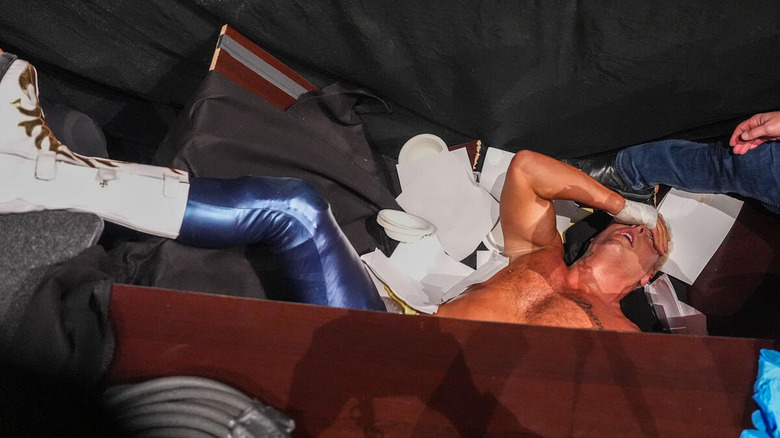
The show kicked off with a chaotic, yet undeniably impactful, confrontation between Cody Rhodes and Jacob Fatu. While the initial brawl certainly generated buzz and showcased the raw animosity between the two, the complete absence of a defined match stipulation from the outset felt like a missed opportunity. The feud, which had already featured moments of questionable booking, such as both men appearing foolish during a previous Three Stages of Hell match where Drew McIntyre easily escaped, seemed destined for a physical climax. To witness such a fierce exchange, involving weapons and a full-blown arena brawl that spilled into the concession stands, without the official sanction of a no-disqualification bout or a street fight felt jarring. For fans who paid for a ticket, particularly in a vibrant wrestling city like Montreal, the prospect of seeing Rhodes and Fatu finally compete in a sanctioned contest was a primary draw. Instead, they were treated to an extended segment that, while action-packed, ultimately felt like an appetizer rather than the main course. The narrative strongly suggested a street fight was the inevitable outcome, and WWE’s decision to withhold that official designation until after the brawl had concluded left a perplexing void. This approach seemed designed to protect both competitors, avoiding a definitive loss before potentially larger stakes down the line. However, in doing so, it diminished the immediate impact of the segment and left a question mark over the booking. With the Royal Rumble just a week away, the anticipation for this particular showdown now has to be tempered, likely pushing a formal encounter further down the road, making the on-screen skirmish feel less conclusive and more like an extended, albeit entertaining, roadblock. The segment, while visually striking, underscored a recurring theme of WWE booking that sometimes prioritizes avoidance of decisive outcomes over the immediate satisfaction of the audience.
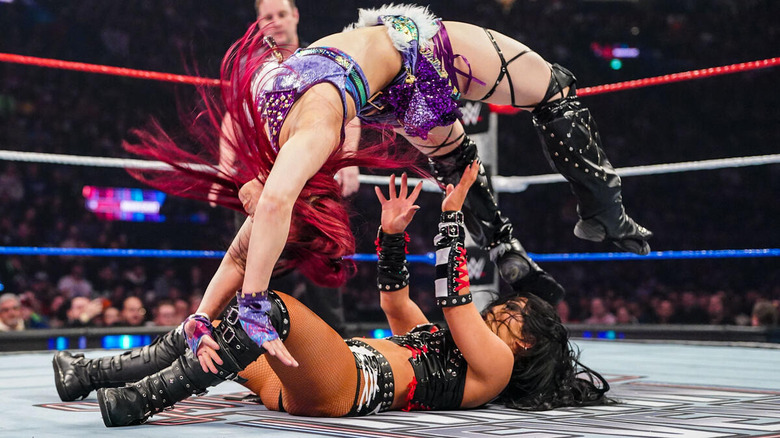
Conversely, the Women’s Tag Team Championship encounter between Rhea Ripley and IYO SKY, defending against Liv Morgan and Roxanne Perez, emerged as a shining example of what this division can offer when given the spotlight. All four women are exceptionally talented performers, and the match itself was a testament to their abilities. Despite a minor hiccup or two, such as Ripley’s slight delay in breaking up a pinfall attempt, the contest was a fast-paced, engaging affair that showcased excellent in-ring psychology and storytelling. This match transcended being merely a good wrestling match; it actively advanced the ongoing narratives involving these competitors. The chemistry between Ripley and SKY as a dominant unit, coupled with the renewed energy of Liv Morgan and the rising star power of Roxanne Perez, created a dynamic that was both compelling and believable. The fact that this was their first defense of the newly unified Women’s Tag Team Championships added a layer of importance, solidifying their position as the top team. The interplay between the established champions and the determined challengers felt organic, building upon existing rivalries and setting the stage for future confrontations. This segment stood out as a genuine highlight, demonstrating a well-executed plan that leveraged the strengths of its participants to deliver a memorable wrestling experience that was more than just a series of moves.
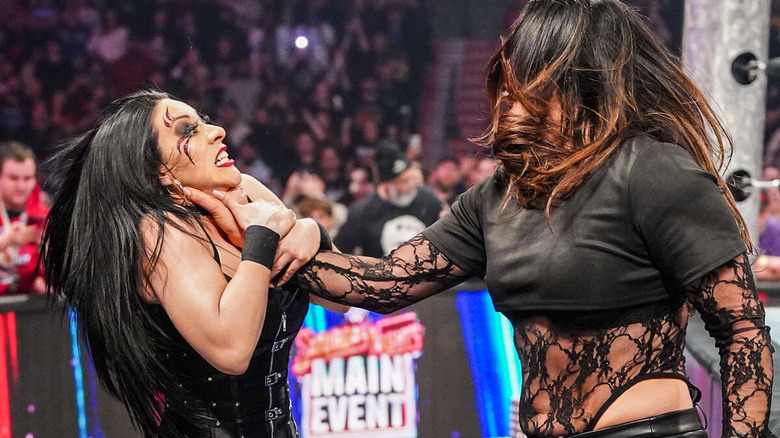
However, the very match that was a highlight also harbored a significant point of contention: the perceived overcrowding and interference that marred the Women’s Tag Team Championship contest. While the in-ring action between Rhea Ripley, IYO SKY, Liv Morgan, and Roxanne Perez was undeniably superb, the persistent WWE trope of interference felt particularly egregious here. The champions, Ripley and SKY, were defending their newly unified titles for the first time, and the challengers, Morgan and Perez, brought significant star power and compelling storylines. Morgan, returning from injury, had unfinished business with Ripley, and Perez represented a fresh challenge. The presence of Raquel Rodriguez, Morgan’s former tag team partner, and Stephanie Vaquer, the Women’s World Champion, lurking at ringside, felt like an unnecessary complication. While the interference by Rodriguez was ostensibly to prevent Ripley and SKY from losing, and Vaquer’s subsequent appearance to counter Rodriguez was understandable given her own championship pursuits, the cumulative effect was a cluttered segment. It detracted from the purity of the wrestling and felt like a formulaic attempt to sow seeds for future feuds rather than allowing the existing contest to breathe. The match itself was strong enough to stand on its own, and the interference felt like a distraction, particularly when the outcome—the champions retaining—was virtually predetermined given the proximity of WrestleMania. This recurring pattern of interference, where every match becomes a stepping stone in a convoluted, overarching narrative, can leave viewers feeling manipulated and diminish the perceived value of the in-ring competition. It’s a stylistic choice that, while common in WWE, can often undermine otherwise excellent wrestling.
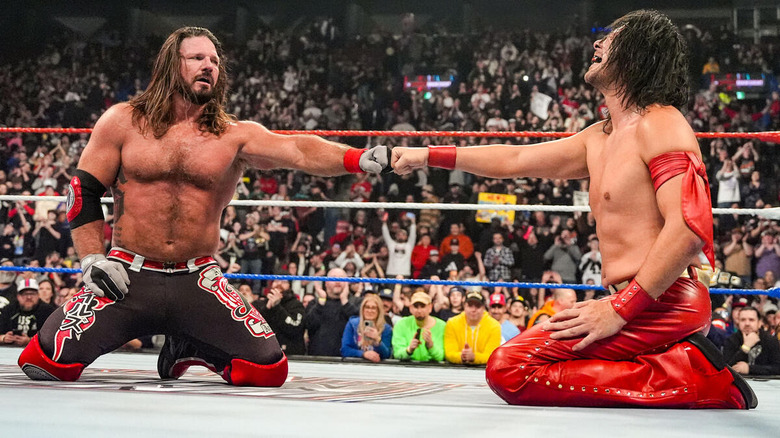
On a more positive note, the appearance of AJ Styles and Shinsuke Nakamura for what was heavily implied to be their final encounter in WWE was a moment to savor. A decade after their legendary clash at NJPW Wrestle Kingdom, seeing these two titans of the ring share the canvas once more was a nostalgic and emotionally resonant experience. While it’s highly improbable that any WWE encounter could replicate the sheer brilliance of their initial meeting, this bout served as a poignant homage to their storied history across multiple promotions and continents. The match unfolded not as a rapid-fire exchange of signature moves, but as a grounded, respectful contest between two warriors who knew each other intimately. Nakamura’s pursuit of the Kinshasa was repeatedly thwarted, a testament to Styles’ strategic targeting of Nakamura’s previously injured knee. Similarly, Styles’ attempts at the Styles Clash and Phenomenal Forearm were met with the defensive acumen of an opponent who understood his every nuance. The narrative was one of mutual respect forged through years of competition, culminating in a moment where one had to ultimately fall. Styles’ victory, secured after a resilient comeback, sets him up for a high-stakes encounter with Gunther, a match that carries significant weight given Styles’ impending career winding down. This encounter was a masterclass in storytelling, celebrating the legacy of two of the greatest performers of their generation and providing a fitting, albeit bittersweet, farewell to their on-screen rivalry. For any fan who has followed Styles’ remarkable career, from his independent wrestling triumphs to his reign as WWE Champion, witnessing him perform at this level, even as his time in the ring nears its end, is always a moment to be cherished.
However, a surprising decision that drew criticism was Damian Priest taking the pinfall in the four-way main event. While the match itself was a thrilling contest with high stakes, the choice of Priest as the one to absorb the loss felt like a miscalculation. Trick Williams, as a newer addition to the main roster and involved in a burgeoning rivalry with Sami Zayn, would have been a more logical choice to take the fall without significantly damaging his burgeoning momentum. Priest, a former world champion, has seen his own trajectory falter since his title reign, and this loss, however minor in the grand scheme, felt like another step backward for a talent who could benefit greatly from stronger protection. The narrative also suffered, as the dynamic between Zayn and Williams was a significant storyline element that could have been more definitively resolved with Zayn pinning Williams. Such a finish would have provided a more satisfying conclusion to their individual feuds and offered a clearer path for Zayn’s ascent. While the ultimate goal of Sami Zayn securing the number one contender spot was achieved, the specific execution of the finish, particularly the choice of who took the decisive pin, left room for debate and felt like a missed opportunity to strategically protect and elevate talent.
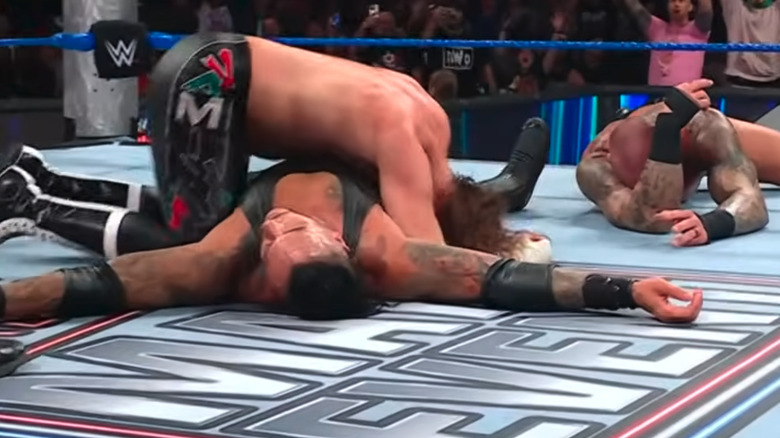
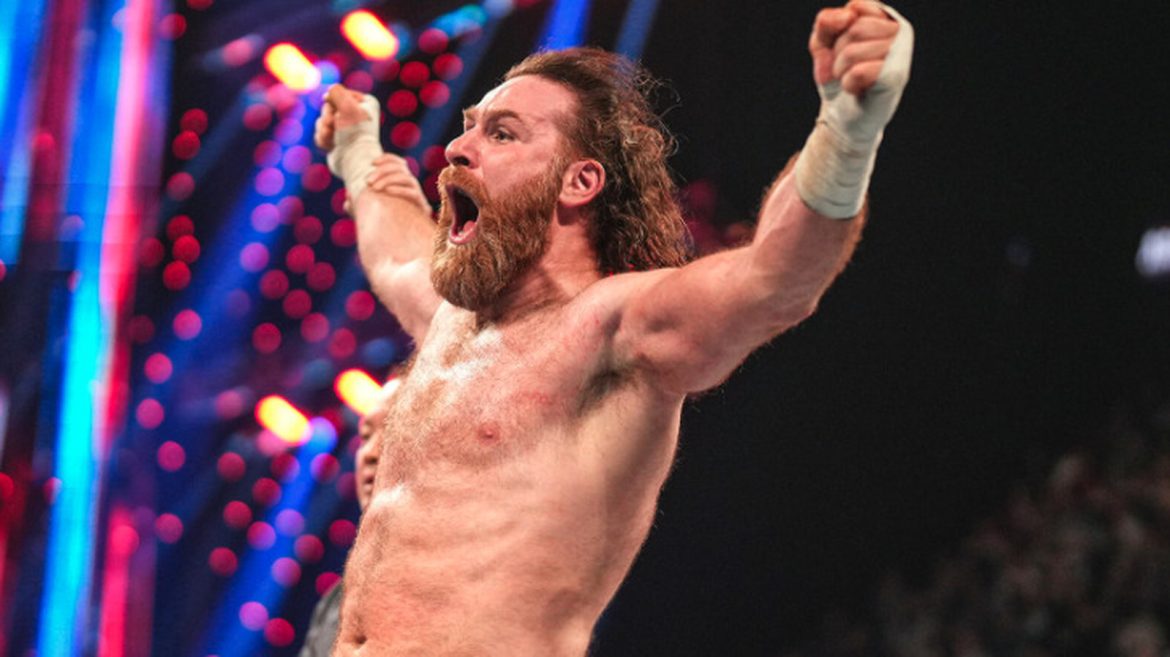
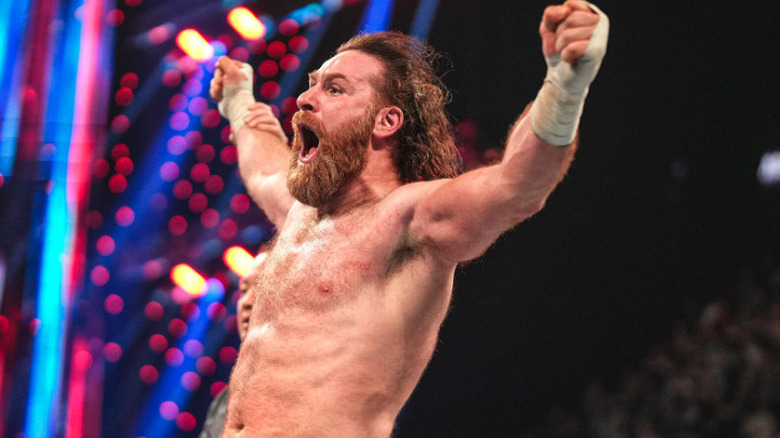
Despite that minor point of contention, the main event itself was a resounding success, providing much-needed significance to Saturday Night’s Main Event. The four-way bout, featuring Sami Zayn, Trick Williams, Damian Priest, and Randy Orton, delivered an exceptional contest that injected genuine meaning into the show, especially in the lead-up to the Royal Rumble. For much of the year, these standalone specials have struggled to carve out a distinct identity or offer compelling narratives that extend beyond immediate storylines. However, this main event, culminating in Sami Zayn’s victory to earn a shot at the Undisputed WWE Championship, changed that perception. Zayn’s win was a popular and well-deserved outcome, positioning him as a credible challenger for Drew McIntyre. The match itself was a masterclass in pacing and execution, with multiple moments where the outcome hung in the balance. The near-falls, the strategic interference by Williams to save Zayn, and Orton’s ever-present threat added layers of drama and excitement. The potential for a future feud between Zayn and Orton, especially if Orton turns heel, adds another layer of anticipation. The prospect of Zayn challenging McIntyre for the title at the upcoming premium live event in Saudi Arabia, or even winning the Royal Rumble himself to earn that opportunity, creates a palpable sense of excitement for the remainder of the wrestling calendar. This main event not only delivered a thrilling wrestling match but also provided a powerful narrative payoff, reminding fans of the potential for Saturday Night’s Main Event to deliver moments of genuine consequence and elevate its top stars.