The dichotomy of CM Punk’s professional life in the latter half of 2024 presented a fascinating study in ambition and execution. On one hand, the self-proclaimed "Best in the World" was deep in the throes of a demanding and high-stakes wrestling schedule, embroiled in a bitter, career-defining feud that captivated the WWE Universe. On the other, he was simultaneously immersed in the demanding world of filmmaking, bringing to life a character in a new cinematic venture. This dual commitment, a balancing act of epic proportions, saw Punk navigating the intense physicality and mental fortitude required for both professions, demonstrating a remarkable capacity to manage disparate yet equally consuming endeavors. His ability to compartmentalize and excel in both arenas underscored the multifaceted talent that has long defined his controversial yet undeniably impactful career.
Speaking with "JoBlo Celebrity Access" to promote his role in the recently released horror-thriller "Night Patrol," CM Punk elaborated on the intricate logistics of his dual commitments. He described the period of filming his scenes for the movie as a deliberate juggling act, a strategic maneuver to integrate his burgeoning acting career with his ongoing WWE commitments. The timing was particularly critical; Punk revealed that his "Night Patrol" filming predominantly took place during September and October of 2024. This timeframe coincided precisely with the height of his intense rivalry with Drew McIntyre, a feud that had been simmering for a considerable period and was reaching its explosive climax. This was a period where Punk was "getting hot and heavy" with the storyline, culminating in significant in-ring confrontations that demanded his full attention and physical presence. The very same months that saw him honing his craft on a film set were also the months where he was deeply invested in storytelling and combat within the squared circle, showcasing an extraordinary level of dedication to both pursuits.
The narrative of CM Punk’s career has always been one of defying expectations and carving his own path, a trajectory that starkly contrasts with the sentiment expressed in his iconic "Pipe Bomb" promo years prior. At that juncture, Punk lamented his perceived lack of advancement within WWE and his unfulfilled aspirations for opportunities beyond wrestling, such as movie roles. Fast forward to the present, and the landscape has dramatically shifted. Not only has Punk ascended to the pinnacle of WWE, holding championship gold, but he has also firmly established himself as a legitimate Hollywood presence. The irony is palpable; the very aspirations he voiced with such raw frustration during his infamous promo have, in many ways, materialized. His role as the ruthless Sergeant Marcus in "Night Patrol" is a testament to this evolution, a tangible representation of his expanded professional horizons. This duality—the wrestling champion and the burgeoning actor—represents a significant chapter in his career, one that showcases a profound personal and professional growth.
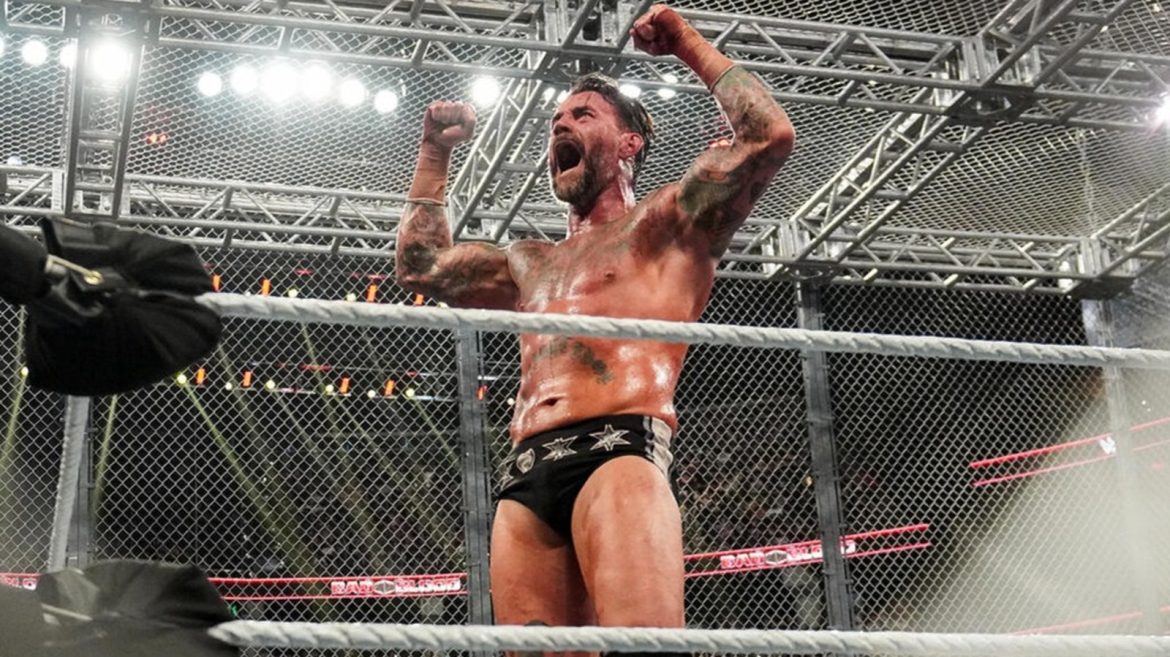
The arduous journey through his conflict with Drew McIntyre, a bitter struggle that many in the WWE Universe had been anticipating for an extended period, finally reached its dramatic conclusion. Punk managed to decisively end "The Scottish Psychopath’s" reign of terror within the confines of the aptly named WWE Premium Live Event, "Bad Blood." The Hell in a Cell match at this event served as the definitive punctuation mark on their deeply personal and physically punishing feud. This victory was not merely a singular triumph but a significant milestone, a culmination of months of intense storytelling and grueling physical encounters. The significance of this victory was further amplified by the subsequent developments within WWE’s championship landscape. While Punk was shedding one major conflict, Drew McIntyre was simultaneously embarking on his own ascent, ultimately capturing the Undisputed Championship earlier this month, further solidifying their intertwined destinies within the company’s top-tier storylines.
"Night Patrol" itself is a genre piece, a horror-thriller that delves into the darker undercurrents of urban life and law enforcement. The film centers on an LAPD officer who stumbles upon a deeply entrenched conspiracy within the police force itself. This illicit operation, harboring secrets that threaten the very fabric of the community, specifically targets the housing projects where the protagonist himself grew up. This narrative premise lends itself to a gritty and suspenseful viewing experience, a stark contrast to the often more theatrical and larger-than-life narratives of professional wrestling. The film’s release, strategically timed for the past Friday, allowed audiences to witness Punk in a role that demands a different kind of performance, one rooted in dramatic tension and a portrayal of internal struggle rather than brute force and bravado. The thematic elements of the film, exploring corruption and the struggle for justice in underserved communities, offer a compelling backdrop against which Punk’s acting abilities can be assessed.
The logistics of simultaneous professional commitments are notoriously challenging, particularly when those commitments involve such high levels of physical exertion and public scrutiny. For CM Punk, the period of filming "Night Patrol" presented a unique set of hurdles. He described the process as "full-on juggling," a term that perfectly encapsulates the delicate balance he had to maintain. This wasn’t a matter of simply showing up for a few days of shooting; it involved fitting filming into a demanding WWE schedule, which often includes extensive travel, rigorous training, and the mental preparation required for live television and major events. The pressure to deliver compelling performances in both mediums simultaneously must have been immense. Imagine the physical toll of preparing for a brutal wrestling match, followed by a flight to a film set, and then performing intense acting scenes, all while maintaining the physical conditioning necessary for both. This demanding schedule highlights Punk’s dedication and his ability to compartmentalize, ensuring that neither his wrestling career nor his burgeoning acting career suffered due to the overlap.
The "Pipe Bomb" promo, a seminal moment in wrestling history, was a raw and unfiltered expression of CM Punk’s frustrations and ambitions. It was a watershed moment that not only elevated his standing within WWE but also foreshadowed a desire for broader career opportunities. In that iconic segment, Punk explicitly voiced his feelings of being overlooked and undervalued, lamenting the lack of promotional support and the denial of opportunities outside the immediate confines of wrestling. He yearned for a chance to explore his potential in other avenues, including Hollywood. The fact that he is now not only a WWE World Heavyweight Champion but also a featured actor in a film release speaks volumes about his perseverance and his ability to transform perceived limitations into stepping stones. This journey from a disgruntled challenger to a multi-talented performer underscores the unpredictable and often remarkable nature of professional wrestling careers, where narratives can shift dramatically and dreams, once seemingly distant, can become tangible realities.
The rivalry between CM Punk and Drew McIntyre had been a slow burn, a simmering pot that threatened to boil over for a significant duration. Their animosity was deeply personal, fueled by a complex history that extended beyond the confines of the wrestling ring. This prolonged feud allowed for intricate storytelling, building layers of resentment and aggression that resonated with the audience. When they finally met in the Hell in a Cell match at "Bad Blood," it was the cathartic release of all that pent-up tension. Punk’s victory in that brutal encounter was not just about winning a match; it was about conquering a formidable adversary and definitively settling a long-standing score. The narrative power of this feud, coupled with the physical demands of their confrontations, undoubtedly contributed to the intensity of Punk’s performance in both his wrestling and acting roles. He was operating at a peak level of professional engagement, drawing on the emotional and physical reserves honed through his wrestling commitments.
The success of "Night Patrol" and Punk’s involvement in it represent a significant milestone in his professional evolution. His ability to secure a role in a film and successfully integrate its production into his demanding WWE schedule demonstrates a level of ambition and capability that extends far beyond the wrestling ring. It signifies a strategic expansion of his brand and a deliberate effort to cultivate a diverse career portfolio. This approach is not uncommon among successful entertainers, but for a professional wrestler, it presents a unique set of challenges. The physical demands of wrestling can be a deterrent for many film productions, which often require actors to be in peak physical condition without the added risk of wrestling-related injuries. Punk’s commitment to both disciplines, and his apparent success in managing the pressures associated with each, highlights his remarkable resilience and his dedication to his craft, in whatever form it takes. The future looks promising for Punk as he continues to blur the lines between the worlds of sports entertainment and Hollywood, proving that "The Best in the World" can indeed conquer multiple arenas.