The landscape of professional wrestling in 2026 continues to evolve at a breakneck pace, and the latest television data suggests that World Wrestling Entertainment is hitting a significant stride as the industry marches toward its most critical time of year. On the evening of February 6, 2026, the blue brand of WWE once again took center stage on the USA Network, delivering a broadcast that not only captivated the live audience but also resonated powerfully with the television viewing public. As the company prepares for the high-stakes environment of the upcoming Elimination Chamber premium live event, the creative momentum appears to be translating directly into tangible growth in viewership metrics. The most recent episode of Friday Night SmackDown demonstrated a substantial upward trend in audience engagement, fueled by high-stakes narrative developments and the introduction of powerhouse prospects to the main roster stage.
When examining the quantitative success of the February 6 broadcast, the figures represent a notable triumph for the brand’s current creative direction. The episode managed to attract an average of 1.459 million viewers over the course of the two-hour window. This performance is particularly impressive when contrasted with the previous week’s statistics. On January 30, the program pulled in an average of 1.260 million viewers, meaning that within a single week, the show managed to gain an additional 199,000 sets of eyes. This represents a healthy 15.8 percent increase in total audience size, a jump that is rarely seen without the presence of a major holiday or a highly advertised special attraction. Such a spike suggests that the fallout from recent events, combined with the escalating tensions among the roster’s top-tier talent, has successfully created a "must-see" atmosphere for the Friday night staple.
Perhaps even more critical to the network and advertisers is the performance within the key demographic of adults aged 18 to 49. In this highly coveted P18-49 category, the February 6 edition of SmackDown secured a 0.35 rating. This is a significant leap from the 0.29 rating recorded during the final week of January. This growth in the demographic represents a 20.7 percent increase, outpacing the growth in total viewership and indicating that the current storylines are skewing particularly well toward the younger, more active consumer base that networks prioritize. The ability to grow the audience by more than twenty percent in the key demo in just seven days is a testament to the drawing power of the talent featured in the night’s most prominent segments.
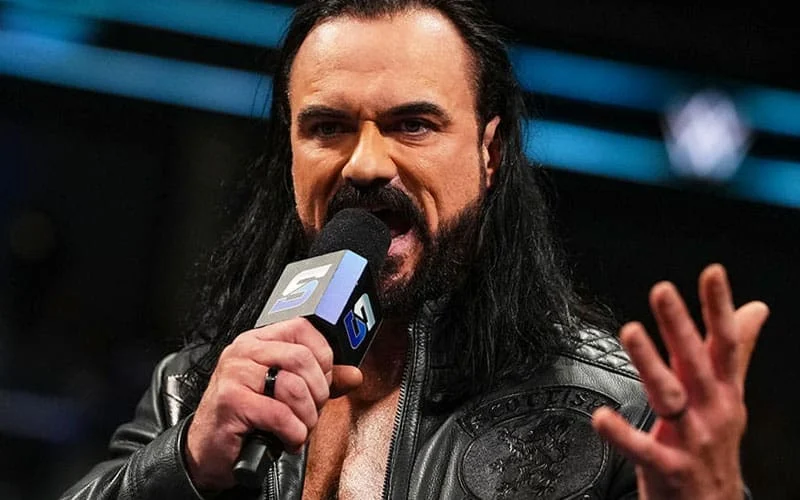
The primary catalyst for this surge in interest was undoubtedly the continuing psychological and verbal warfare involving Drew McIntyre. The Scottish Warrior has reinvented himself over the past two years, moving away from his traditional babyface roots to become one of the most polarizing and compelling figures in the entire industry. On this specific night, McIntyre took to the ring to deliver a blistering address that targeted two of the biggest icons in the business: CM Punk and Roman Reigns. The tension between these three men has been simmering for months, and it reached a boiling point following the events of the preceding Monday Night RAW. During that broadcast, both Punk and the Tribal Chief had taken verbal shots at McIntyre, mocking his recent struggles and questioning his standing in the hierarchy of the company.
McIntyre’s response on SmackDown was a masterclass in character work and promotional intensity. He did not merely defend himself; he systematically dismantled the legacies and motivations of his rivals with a vitriol that felt deeply personal. The audience in attendance and those watching at home were treated to a version of McIntyre that is unapologetic, bitter, and dangerously focused. By weaving real-world frustrations with scripted animosity, McIntyre has managed to create a persona that feels authentic in an era where fans crave realism. His ability to command the microphone and hold the attention of the WWE Universe is a major factor in why the viewership peaked during his segment. The narrative threads connecting the blue and red brands—specifically the cross-promotional friction between McIntyre, the RAW-affiliated CM Punk, and the perennial powerhouse Roman Reigns—have created a cohesive viewing experience that rewards fans for following every hour of WWE programming.
While the established veterans provided the emotional backbone of the episode, the show also looked toward the future with the highly anticipated in-ring debut of a rising star. Oba Femi, a talent who has been touted as a "can’t-miss" prospect since his dominant run in the developmental ranks of NXT, made his first official SmackDown appearance as a roster member. Femi brings a level of raw physical power and presence that is seldom seen, and his introduction to the Friday night audience was handled with the intent of establishing him as a force of nature. His opponent for the evening was Kit Wilson, one half of the charismatic and flamboyant duo Pretty Deadly. The contrast between Wilson’s theatrical antics and Femi’s stoic, destructive nature provided the perfect backdrop for a dominant showcase.
The match itself was a decisive "squash," a classic wrestling trope used to demonstrate the overwhelming superiority of a new arrival. Femi dismantled Wilson with frightening efficiency, utilizing his immense strength to toss the former tag team champion around the ring with ease. The visual of Femi’s power moves served as a clear warning to the rest of the SmackDown locker room. By debuting a talent like Femi in such a convincing fashion, WWE creative has signaled that a new era of heavyweights is arriving to challenge the status quo. This kind of effective star-building is essential for maintaining long-term viewership, as it gives the audience new characters to invest in while the main event stars continue their long-running feuds.
The success of the February 6 episode cannot be viewed in a vacuum; it is part of the broader strategic build toward the Elimination Chamber premium live event. As one of the final stops on the Road to WrestleMania, Elimination Chamber serves as a high-pressure environment where championship opportunities are won and lost inside the unforgiving steel structure. The momentum generated on this episode of SmackDown is crucial for establishing the stakes of the matches that will take place at the event. Every promo, every debut, and every shift in the ratings contributes to the "big fight feel" that the company strives to cultivate during the first quarter of the calendar year. The 15.8 percent increase in viewers suggests that the audience is fully engaged with the path toward the Chamber and, ultimately, the grandest stage of them all in April.
The move to the USA Network has also played a role in how these numbers are perceived. After several years on broadcast television via Fox, the transition back to cable has allowed for a different style of presentation and a closer alignment with the production values of Monday Night RAW. While cable audiences are generally smaller than broadcast audiences, the consistency and growth shown by SmackDown in this environment are indicative of a very loyal and expanding fanbase. Breaking the 1.4 million viewer mark on cable is a strong indicator of the brand’s health, especially when the demo rating remains as competitive as a 0.35. It shows that despite the change in platform, the WWE product remains a dominant force in Friday night entertainment.
The creative philosophy under the current leadership has emphasized logical, long-term storytelling and the elevation of talent through meaningful segments rather than just filler matches. This approach was on full display throughout the night. Beyond the headline-grabbing promo from McIntyre and the physical dominance of Oba Femi, the episode featured several other key moments that kept the audience tuned in. From the evolving dynamics within the tag team division to the simmering tensions in the women’s locker room, the show felt like a cohesive unit where every segment had a purpose. This "all-killer, no-filler" mentality is often cited by analysts as the reason for the recent resurgence in wrestling’s popularity.
Furthermore, the interplay between the various factions on SmackDown continues to provide a rich tapestry for storytelling. Whether it is the remnants of the Bloodline, the emergence of new alliances, or the individual quests for gold, the roster is deeper than it has been in years. The fact that the show can see a nearly 200,000-viewer increase in a single week without a world title change or a major surprise return speaks to the strength of the everyday storytelling. Fans are tuning in because they are genuinely interested in what the characters have to say and how their rivalries will manifest in the ring.
As the dust settles on this particular Friday night, the takeaway for the industry is clear: WWE is currently firing on all cylinders. The combination of intense, character-driven promos and the strategic introduction of fresh, powerful talent is a proven formula for success. Drew McIntyre’s ability to generate heat and interest through his unfiltered verbal assaults has made him an indispensable asset to the blue brand. Simultaneously, the arrival of Oba Femi provides a glimpse into a future where new monsters roam the rings of the main roster.
Looking ahead, the challenge for the creative team will be to maintain this level of engagement as the pressure of the WrestleMania season intensifies. If the ratings for February 6 are any indication, the audience is more than ready for the ride. With a 20.7 percent jump in the demo and nearly 1.5 million people watching, SmackDown has solidified its position as a powerhouse of sports entertainment. The Road to Elimination Chamber is now paved with high expectations, and if the brand can continue to deliver segments as impactful as those seen this week, the record books may continue to be rewritten in the months to come. The energy surrounding the product is palpable, and for the fans, the wrestlers, and the executives alike, the current trajectory suggests that the best is yet to come in this 2026 season of professional wrestling.