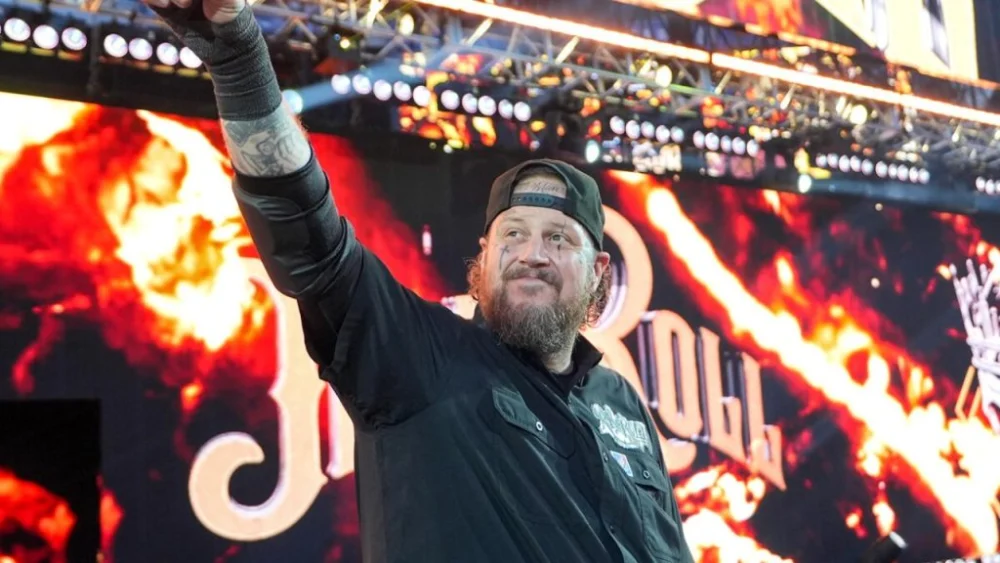
The fervent energy of professional wrestling, a spectacle woven from athleticism, drama, and compelling narrative, has long held an undeniable allure for figures beyond its traditional confines. It is a world where larger-than-life personalities converge, where the line between sport and entertainment blurs into a captivating art form. In this landscape, the presence of mainstream celebrities often serves as a potent bridge, drawing new eyes and adding a unique layer of intrigue to an already vibrant tapestry. Such was the case on February 13th, 2026, when the venerable TNA Wrestling promotion hosted its annual No Surrender pay-per-view event at The Pinnacle in Nashville, Tennessee. Amidst the thunderous cheers and visceral action, a familiar face graced the front row, a figure whose recent ascendancy in the music industry has captivated millions: the inimitable Jelly Roll. His attendance, a clear nod to his authentic love for the squared circle, ignited a fresh wave of speculation and, true to wrestling’s unpredictable nature, even sparked an impromptu verbal confrontation that reverberated through the arena and beyond.
Jelly Roll, born Jason DeFord, is more than just a Grammy Award-winning artist; he is a testament to resilience, a voice that resonates with profound authenticity and raw emotion. His journey from personal struggles to mainstream acclaim in the country and hip-hop genres has forged a powerful connection with his fanbase, a connection built on shared experiences and an understanding of life’s grittier realities. This genuine relatability made his appearance at a TNA Wrestling event in his hometown of Nashville particularly poignant. The crowd at The Pinnacle, a venue synonymous with live entertainment in Music City, erupted in a deafening ovation as the cameras panned to reveal the 41-year-old artist soaking in the atmosphere. His smile, visible even from the upper decks, spoke volumes of a lifelong passion, a fan simply enjoying the spectacle. Yet, in the world of professional wrestling, a moment of quiet appreciation rarely lasts, especially when a provocateur is lurking.
The tranquility of Jelly Roll’s front-row experience was abruptly shattered by the arrival of A.J. Francis, a man known for his towering physical presence and an even more imposing verbal arsenal. Francis, who has carved out a niche as a verbose and often contemptuous antagonist within the wrestling industry, made it his immediate mission to inject himself into the narrative. As he made his way through the arena, microphone in hand, his eyes locked onto the celebrated musician. What followed was a classic wrestling trope: the unprovoked verbal assault designed to generate heat and elevate a heel’s persona. Francis’s trash talk, delivered with his characteristic blend of arrogance and cutting wit, was aimed squarely at Jelly Roll, a calculated move to garner boos from the Nashville faithful who adored their local hero. This impromptu exchange, while brief, served as a stark reminder of how easily the worlds of celebrity and professional wrestling can collide, often with electrifying and unpredictable results.
TNA Wrestling, formerly known as Impact Wrestling, has a storied and often tumultuous history in the landscape of professional wrestling. Having navigated various ownership changes, rebrandings, and competitive pressures, the promotion has consistently showcased a commitment to unique talent and compelling storytelling. The return to the TNA moniker in late 2023 marked a significant strategic pivot, aimed at recapturing the nostalgia and brand recognition that defined its earlier successes. By 2026, TNA had firmly re-established itself as a vital alternative in the global wrestling scene, boasting a roster of exceptional athletes and a renewed focus on high-quality production. Events like No Surrender are cornerstone pay-per-views, critical for advancing major storylines, crowning champions, and delivering high-stakes encounters that captivate its dedicated fanbase. The decision to host No Surrender in Nashville, a city with a rich wrestling tradition and TNA’s spiritual home for many years, underscored the promotion’s commitment to its roots and its connection with the community. Jelly Roll’s presence, therefore, wasn’t just a celebrity cameo; it was a testament to TNA’s growing visibility and its ability to attract mainstream attention, adding an extra layer of buzz to an already anticipated event.
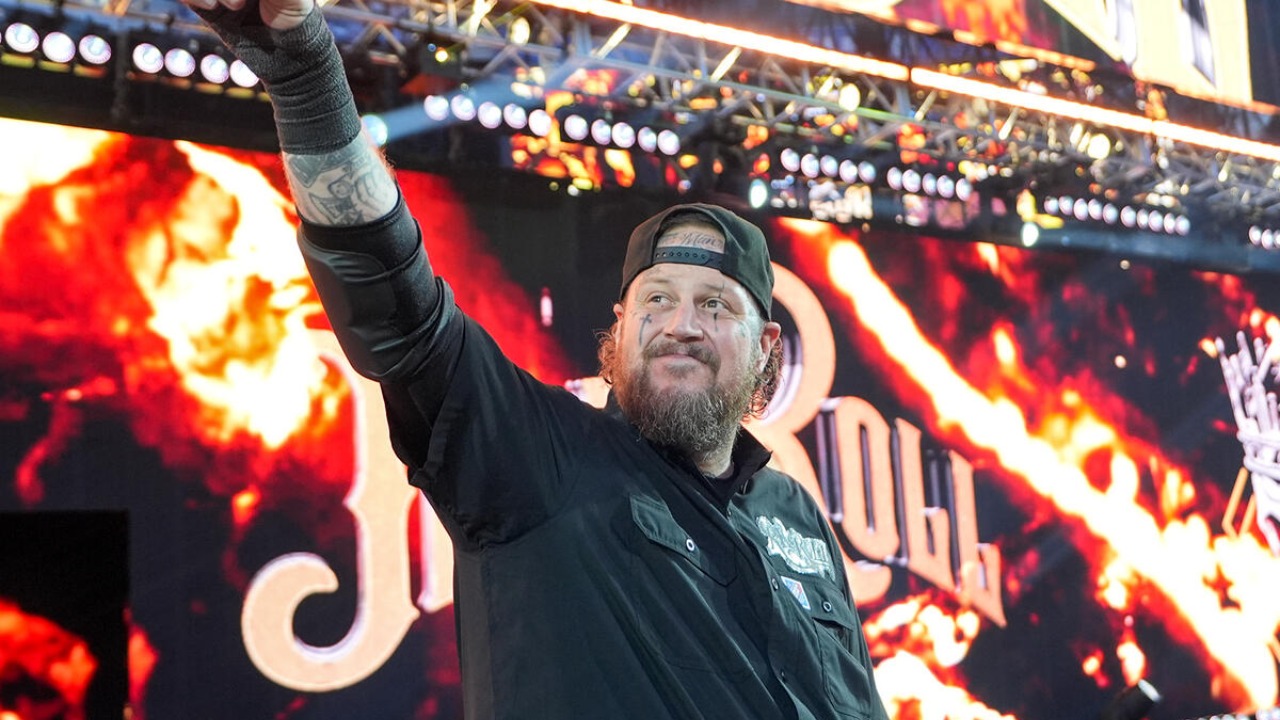
The confrontation with A.J. Francis, while perhaps a spur-of-the-moment decision to capitalize on a prominent fan’s presence, also fits perfectly within the established character of Francis. Known to many fans from his previous stints in other major promotions, including a notable run as Top Dolla, Francis has cultivated a persona built on outspoken confidence, a penchant for lyrical barbs, and an unapologetic desire to be the center of attention. He thrives on drawing ire, and there are few surer ways to achieve that than by disrespecting a beloved local icon in their own backyard. His actions at No Surrender were a masterclass in heel psychology: targeting a non-wrestler, a popular figure, and doing so with a brazen disregard for the crowd’s affection. This kind of interaction often plants the seed for future storylines, even if initially unplanned. Whether TNA will choose to revisit this verbal skirmish, perhaps leading to Jelly Roll’s more direct involvement in a future angle, remains to be seen, but the potential for such a narrative thread is undeniable and aligns perfectly with the dynamic nature of wrestling feuds.
Interestingly, this wasn’t Jelly Roll’s first foray into the high-octane world of professional wrestling. His appearance at TNA No Surrender 2026 followed a much more direct and impactful engagement within the industry just the previous year. At WWE’s monumental SummerSlam 2025 event, one of the company’s "Big Four" annual spectacles, Jelly Roll stepped beyond the role of mere spectator and into the ring as a competitor. He partnered with none other than the "Viper" Randy Orton, a certified legend and multi-time world champion, in a tag team contest against the formidable duo of Drew McIntyre and Logan Paul. This match, a fascinating blend of established wrestling prowess and celebrity star power, underscored WWE’s consistent strategy of leveraging mainstream personalities to broaden its appeal.
The SummerSlam 2025 encounter was a meticulously crafted affair, blending Orton’s veteran guile and McIntyre’s brutal intensity with Logan Paul’s surprising athletic ability and prodigious heel heat. Paul, an internet sensation turned legitimate WWE attraction, had already proven his capacity to not only hold his own in the ring but also to generate significant interest and controversy. His partnership with McIntyre, a former WWE Champion known for his fierce demeanor and devastating Claymore Kick, presented a truly challenging opposition. For Jelly Roll, stepping into such a high-profile match, sharing the ring with four individuals of such caliber, was a testament to his burgeoning celebrity and his genuine love for the craft. While his team with Randy Orton ultimately fell short, resulting in a losing effort, the experience itself was invaluable. These celebrity crossover matches often serve multiple purposes: they offer a memorable moment for the star, provide mainstream media coverage for the promotion, and allow established wrestlers to showcase their skills to a wider audience, sometimes even elevating their own standing by being associated with a major personality.
The intricate build-up and creative process behind this SummerSlam match were so compelling that they were subsequently featured on the second season of WWE’s acclaimed Netflix docu-series, "Unreal." This behind-the-scenes exposure offered fans an unprecedented glimpse into the meticulous planning, character development, and narrative construction that goes into a major wrestling event. Highlighting the journey from concept to execution, "Unreal" likely showcased the collaborative efforts between WWE’s creative team, the wrestlers involved, and Jelly Roll himself, demonstrating the commitment required to integrate a non-wrestler into such a prominent storyline. For Jelly Roll, this meant more than just participating; it meant becoming a part of the storytelling fabric, lending his authentic persona to the drama unfolding in the squared circle. The decision by WWE to feature this particular segment underscored the success and impact of Jelly Roll’s involvement, validating the crossover appeal and the genuine interest it generated among both wrestling aficionados and his extensive music fanbase.
Jelly Roll’s journey into the wrestling spotlight is part of a long and illustrious tradition of celebrities crossing over into the theatrical world of professional wrestling. From the iconic rivalry between Andy Kaufman and Jerry "The King" Lawler in the 1980s, which blurred the lines of reality and fiction to unprecedented degrees, to more contemporary examples like Bad Bunny’s shockingly proficient in-ring performances or Pat McAfee’s charismatic run as a commentator and occasional competitor, the allure of celebrity involvement remains potent. These crossovers, when executed effectively, inject a fresh dynamic into the product. They attract casual viewers who might not otherwise tune in, provide invaluable mainstream media exposure, and often lead to unforgettable moments that become ingrained in wrestling lore. The key to their success lies in authenticity and a genuine appreciation for the business, qualities that Jelly Roll possesses in abundance. His natural charisma and the relatability of his personal story make him an ideal candidate for such appearances, allowing him to connect with the wrestling audience on a deeper level than mere fleeting fame might allow.

Beyond his wrestling endeavors, Jelly Roll’s artistic career reached new heights concurrently with his TNA appearance. His recent triumph at the 2026 Grammy Awards, where he clinched the prestigious Best Country Album award, cemented his status as a bona fide music superstar. This accolade was not merely a recognition of his musical talent but also a validation of his unique narrative, his raw honesty, and his ability to transcend traditional genre boundaries. His music, often described as a blend of country, rock, and hip-hop, speaks to themes of redemption, struggle, and perseverance, resonating deeply with a diverse audience. This authentic voice and life experience are precisely what make him such a compelling figure, both on stage and in the wrestling arena. When a celebrity of Jelly Roll’s magnitude, fresh off such a significant achievement, chooses to spend his time enjoying a wrestling event, it speaks volumes about the enduring power and appeal of the sport. It signals that wrestling is not just a niche entertainment, but a cultural phenomenon capable of captivating even the most celebrated figures across various industries.
The confluence of Jelly Roll’s recent Grammy win, his SummerSlam match, and his presence at TNA No Surrender paints a vivid picture of a celebrity who genuinely embraces the multifaceted world of entertainment. His engagement with professional wrestling is not merely a promotional stunt but appears to be driven by a heartfelt passion for the spectacle. This authenticity is crucial; wrestling fans are discerning and can quickly spot insincerity. Jelly Roll’s evident enthusiasm, from his joyful reaction to the crowd’s cheers in Nashville to his willingness to step into the ring at SummerSlam, suggests a deep-seated appreciation for the art form. This makes him a valuable asset for any wrestling promotion, as his involvement brings genuine excitement and credibility.
Looking ahead, the question naturally arises: what might be next for Jelly Roll in the wrestling world? The verbal confrontation with A.J. Francis at No Surrender could be dismissed as a one-off moment of heelish opportunism, or it could be the genesis of a future storyline. TNA, ever astute to leveraging such organic moments, might see the potential for a program involving their outspoken antagonist and the beloved musician. Imagine the narrative possibilities: Francis, continuing to disrespect Jelly Roll and his Nashville roots, pushing the artist to a breaking point where he might have to respond in a more physical capacity. Whether it’s a non-wrestling role, a managerial position, or even another in-ring appearance, the foundation has been laid for further interaction. For TNA, securing another celebrity appearance, especially one with Jelly Roll’s star power and authentic connection to the local fanbase, would be a significant coup, further elevating their profile and expanding their reach.
Ultimately, Jelly Roll’s journey through the professional wrestling landscape in 2025 and 2026 exemplifies the enduring and evolving relationship between mainstream entertainment and the squared circle. His unique blend of musical success, relatable persona, and genuine fandom has made him an intriguing figure in both worlds. From the grand stage of SummerSlam, battling alongside legends and against formidable opponents, to the front row of a TNA pay-per-view in his hometown, enduring the verbal assaults of a seasoned provocateur, Jelly Roll has embraced the spectacle with an infectious enthusiasm. His story is a testament to the power of wrestling to transcend its boundaries, drawing in diverse personalities and creating unforgettable moments that resonate with fans across the globe, proving that the heart of Music City beats in rhythm with the roar of the crowd. The professional wrestling industry, with its unique blend of athleticism, drama, and narrative, continues to offer a compelling stage for unexpected stars to shine, and Jelly Roll, it seems, is more than willing to step into its vibrant spotlight.


