The expansion of a professional wrestling promotion into international territories is often viewed as a litmus test for its global viability and the strength of its brand. For All Elite Wrestling, the journey across the Pacific to the Australian continent was supposed to be a triumphant celebration of the company’s "For the Sickos" mantra, a chance to reward a dedicated fan base that typically has to consume content at odd hours of the morning. However, as the dust settles on their most recent trek to Sydney, the narrative surrounding the trip has shifted from the high-octane action inside the squared circle to the significant logistical frustrations occurring at the merchandise stands. While the wrestling itself continues to garner praise for its athleticism and storytelling, the operational side of the tour has faced a wave of criticism from attendees who feel that their enthusiasm for the product is being met with a lack of preparation and a failure to meet basic consumer demand.
To understand the depth of the current frustration among the Australian faithful, one must look back at the precedent set during the company’s previous outing in Brisbane. In February 2025, when All Elite Wrestling made its presence felt at the Brisbane Entertainment Centre, the event was marked by an almost immediate depletion of high-demand items. On that occasion, fans witnessed a total collapse of inventory within the first hour of the doors opening. Highly sought-after apparel, including the signature shirts for legendary performers like Adam Copeland and Kenny Omega, vanished from the shelves before the first bell had even rung. Even more exclusive items, such as the limited-edition action figures for "Timeless" Toni Storm and the heavy, high-priced replica AEW World Championship belts, were snatched up in a frenzy that left hundreds of fans standing in line with nothing to show for their patience. At the time, many observers and supporters chalked this up to the growing pains of a young company navigating the difficult waters of international shipping and customs. The prevailing sentiment was that the promotion would learn from the Brisbane experience and bolster their stock for future visits to the region.
Unfortunately, the recent Grand Slam Australia event held at the Qudos Bank Arena in Sydney suggests that those lessons may not have been fully integrated into the company’s touring strategy. As thousands of fans descended upon the Olympic Park precinct, the excitement was palpable, but it quickly curdled into a sense of déjà vu. Long before the opening match could provide a distraction, social media began to hum with reports of massive queues and a startling lack of variety at the vending stations. The scene described by those on the ground was one of missed opportunities and organizational oversight. Fans reported waiting in line for significant periods, only to discover that the items they had prioritized were either never in stock to begin with or had been sold out to the very first wave of entrants. This recurring theme of scarcity has started to damage the goodwill that the promotion has worked so hard to build with its international audience.
One of the most significant points of contention during the Sydney event involved the distribution of premium items, specifically the replica championship titles. For many wrestling enthusiasts, owning a replica belt is the ultimate symbol of fandom, a tangible connection to the stories told on television. These items carry a high price tag and represent a significant revenue stream for any promotion. However, at Grand Slam Australia, the availability of these titles was reportedly skewed heavily toward those with VIP access. By the time the general admission ticket holders were permitted to enter the arena and reach the merchandise areas, the championship belts were already gone. This created a palpable sense of exclusion among the broader fan base, who felt that their financial contribution to the event—through ticket sales and travel expenses—was being undervalued in favor of a small tier of elite spenders. The feeling of being "second-class" in the eyes of the promotion is a dangerous sentiment to foster, especially in a market as loyal and vocal as Australia.
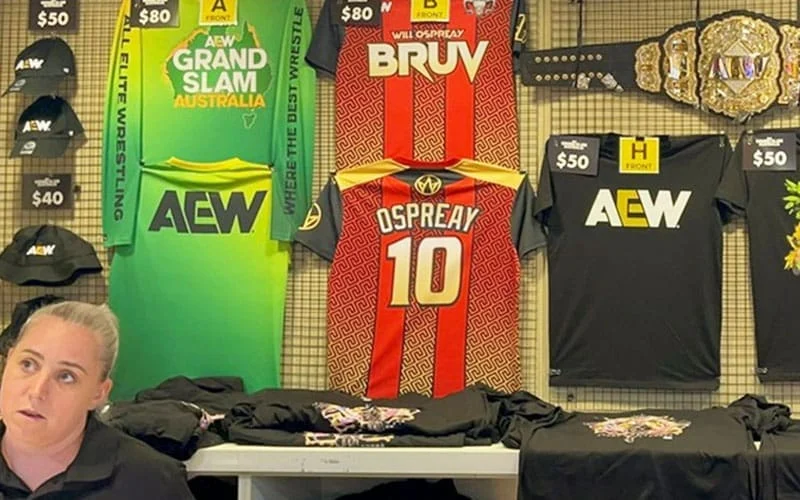
The inventory issues extended beyond luxury items and into the realm of basic event apparel. The "For the Sickos" branding, which has become a rallying cry for the AEW audience under the leadership of Tony Khan, was expected to be a top seller. Yet, reports indicated that even these standard shirts were in short supply, leaving many supporters without a way to commemorate their attendance at a historic show. The frustration was compounded by the perceived quality and design of the region-specific merchandise that was available. A particular point of ridicule among the Sydney crowd was a green and gold fishing-style shirt featuring the shape of Australia and the company logo. Fans took to digital platforms to express their disappointment, describing the garment’s aesthetic in unflattering terms and questioning why the promotion chose such a niche design over more traditional, high-quality wrestling gear. When a fan is willing to spend their hard-earned money but finds the available options unappealing or "gross," it represents a fundamental breakdown in the relationship between the brand and its consumers.
The oversight regarding talent representation at the merchandise stands was perhaps the most baffling aspect of the Sydney logistical failure. In professional wrestling, the "merch table" is often a reflection of the card itself. If a wrestler is featured in a prominent position, it is standard industry practice to have their specific merchandise ready for the fans who are there to cheer them on. At Grand Slam Australia, Brody King was positioned in the main event, a slot reserved for the most important stars of the night. Despite this high-profile booking, fans were shocked to find a complete absence of Brody King merchandise at the arena. This is not just a lost revenue opportunity for the company and the performer; it is a disconnect in the storytelling process. If the promotion is telling the audience that a particular athlete is a main-event player, but fails to provide the tools for the audience to show their support through apparel, it undermines the "push" the wrestler is receiving. It leaves fans wondering why the logistical arm of the company is not in sync with the creative department.
Furthermore, the perks offered to those who purchased premium packages saw a noticeable shift that did not sit well with the veteran attendees. During the Brisbane event, certain ticket tiers were rewarded with a $50 merchandise voucher, a move that encouraged spending and provided a clear, tangible value to the fans. In Sydney, this incentive was replaced with a physical item: an AEW-branded bucket hat. While promotional giveaways are common, the transition from a flexible monetary credit to a specific piece of headwear was viewed by many as a downgrade in value. This change, coupled with the lack of available stock to actually purchase with one’s own money, painted a picture of a promotion that was trying to cut corners rather than enhance the fan experience. In the competitive landscape of modern sports entertainment, where fans have limited disposable income and many choices on how to spend it, these small shifts in perceived value can have a long-term impact on brand loyalty.
The challenges of running a large-scale wrestling event in Australia cannot be overstated. The geographical isolation of the country presents a unique set of hurdles for any American-based company. Shipping tons of equipment, ring setups, and thousands of units of merchandise across the globe is a Herculean task that involves navigating complex customs regulations, high freight costs, and unpredictable shipping timelines. However, the recurring nature of these problems suggests that the issue may lie less in the difficulty of the task and more in the strategy being employed. When a company like All Elite Wrestling announces an international tour, they are making a promise to that market. That promise includes not just a high-quality wrestling show, but the full experience of being part of the "AEW family," which heavily involves the culture of merchandise and collectibles.
From a business perspective, the merchandise stands at a live event are often where the profit margins are the healthiest. While ticket sales cover the massive overhead of renting an arena like the Qudos Bank Arena and paying for the production and roster, the "per-head" spending on shirts, hats, and programs is what often determines the financial success of a tour. By failing to meet the demand in Sydney and Brisbane, the promotion is essentially leaving millions of dollars on the table. More importantly, they are missing out on the "walking billboard" effect. Every fan who leaves an arena without a shirt is a missed opportunity for organic marketing in the weeks and months following the event. In a growth phase, which AEW is currently in, these missed connections can slow the momentum of international expansion.
The vocal nature of the Australian wrestling community means that these issues will not simply fade away. The fans down under are known for their passion and their willingness to hold promotions accountable. The direct appeals to Tony Khan on social media highlight a fan base that feels a personal connection to the brand and expects better from a leader who often touts his dedication to the "sickos" and the hardcore wrestling audience. The frustration stems from a place of love for the product; fans want to buy the shirts, they want to own the belts, and they want to support the wrestlers they see on screen every week. When they are denied that opportunity twice in a row, the excitement for a third tour may begin to wane.
As All Elite Wrestling continues to look toward the future and plan more global stops, the situation in Australia serves as a cautionary tale. It highlights the necessity of a robust, scalable logistics network that can handle the fervor of a dedicated fan base. Whether it requires partnering with local Australian distributors to print shirts domestically or overestimating inventory needs to ensure that even the last person in the general admission line has a chance to buy a souvenir, changes are clearly needed. The talent on the roster is delivering at a world-class level, and the creative direction of the company has found a unique niche in the industry. For the promotion to truly reach its potential as a global powerhouse, the back-end operations must rise to meet the standard set by the athletes in the ring. Until then, the memories of Grand Slam Australia will be bittersweet for many—a night of incredible wrestling marred by the empty shelves of a merchandise stand that wasn’t ready for the "sickos" to arrive in force.