
The annals of professional wrestling are replete with titanic clashes, feuds that transcended mere athletic competition to become cultural touchstones. Among these, the rivalry between CM Punk and The Undertaker stands out, not just for its in-ring quality or the high stakes involved, but for the audacious, boundary-pushing narrative that accompanied it. This particular chapter, culminating at WrestleMania 29, saw CM Punk, then a villain of unparalleled charisma and defiance, engage in a deeply personal and controversial campaign against the legendary Phenom. Central to this dark narrative was the exploitation of the recent passing of William Moody, famously known as Paul Bearer, The Undertaker’s long-time manager and a beloved figure in the wrestling world. In a recent discussion, CM Punk offered a candid perspective on the decision-making process and the emotional weight that accompanied the incorporation of Paul Bearer’s death into their storyline, revealing a careful consideration of the sensitive nature of the material and a crucial element of external approval that allowed the narrative to proceed.
The decision to weave the real-life tragedy of Paul Bearer’s passing into a professional wrestling feud was, by its very nature, fraught with peril. Wrestling, at its core, is about heightened drama and often blurs the lines between fiction and reality to elicit a strong emotional response from the audience. However, there exists a fine line, and crossing it can lead to backlash and accusations of poor taste. CM Punk, known for his provocative style and his ability to get under the skin of fans and opponents alike, was tasked with portraying the antagonist who would stoop to such depths. The objective, as Punk himself articulated, was to amplify his villainous persona and generate a fervent desire from the audience to see him vanquished. This required pushing boundaries, and in this instance, the boundary chosen was the profound grief surrounding the loss of a respected industry veteran.
Punk’s reflections reveal a conscious awareness of the gravity of the situation. He acknowledged that while he had a professional relationship with Paul Bearer, his personal connection was not as deep as that of The Undertaker, who had a decades-long professional and personal bond with Moody. This distinction was crucial for Punk. He emphasized his commitment to ensuring that the storyline was approached with the utmost sensitivity and, most importantly, with the blessing of those closest to Paul Bearer. The undertaking of such a sensitive angle was not a unilateral decision. Punk was diligent in seeking approval, understanding that the potential for offense was significant. He sought confirmation from Bearer’s family, specifically mentioning his son, to ascertain their comfort level with the proposed narrative. This step was paramount, as it demonstrated a level of respect and ethical consideration that, while perhaps unexpected from a heel character, was essential for the storyline to be executed without irrevocably alienating the fanbase or disrespecting the memory of Paul Bearer.
The assurance that William Moody himself, were he alive, would have appreciated and perhaps even enjoyed the controversial nature of the storyline, served as a significant factor in alleviating Punk’s reservations. This insight, reportedly conveyed by individuals close to Bearer, provided Punk with the confidence that he was not merely exploiting a tragedy for cheap heat, but rather engaging in a form of narrative storytelling that aligned with the spirit of professional wrestling’s often dark and dramatic undertones. The idea that Paul Bearer, a man who understood the theatricality and the provocative nature of the wrestling business, might have seen the humor or the sheer audacity in such a storyline allowed Punk to proceed with a clearer conscience. It transformed a potentially exploitative act into a complex character study, where the villain’s methods were extreme, but rooted in a deep understanding of the wrestling landscape and its key figures.
The responsibility of handling such a deeply personal and sensitive element within a major WrestleMania match weighed heavily on Punk. He viewed it as an honor, albeit a challenging one, to be entrusted with such a narrative thread. The aim was to leverage the very real emotions associated with loss and grief to create a compelling conflict. By incorporating the memory of Paul Bearer, the feud gained an additional layer of intensity and emotional resonance. It allowed for a narrative that transcended the typical good versus evil dynamic, tapping into the deeper human emotions of anger, betrayal, and remembrance. The success of such an angle, from a storytelling perspective, lies in its ability to blur the lines, making the fictional conflict feel undeniably real and impactful, even if it meant venturing into uncomfortable territory.
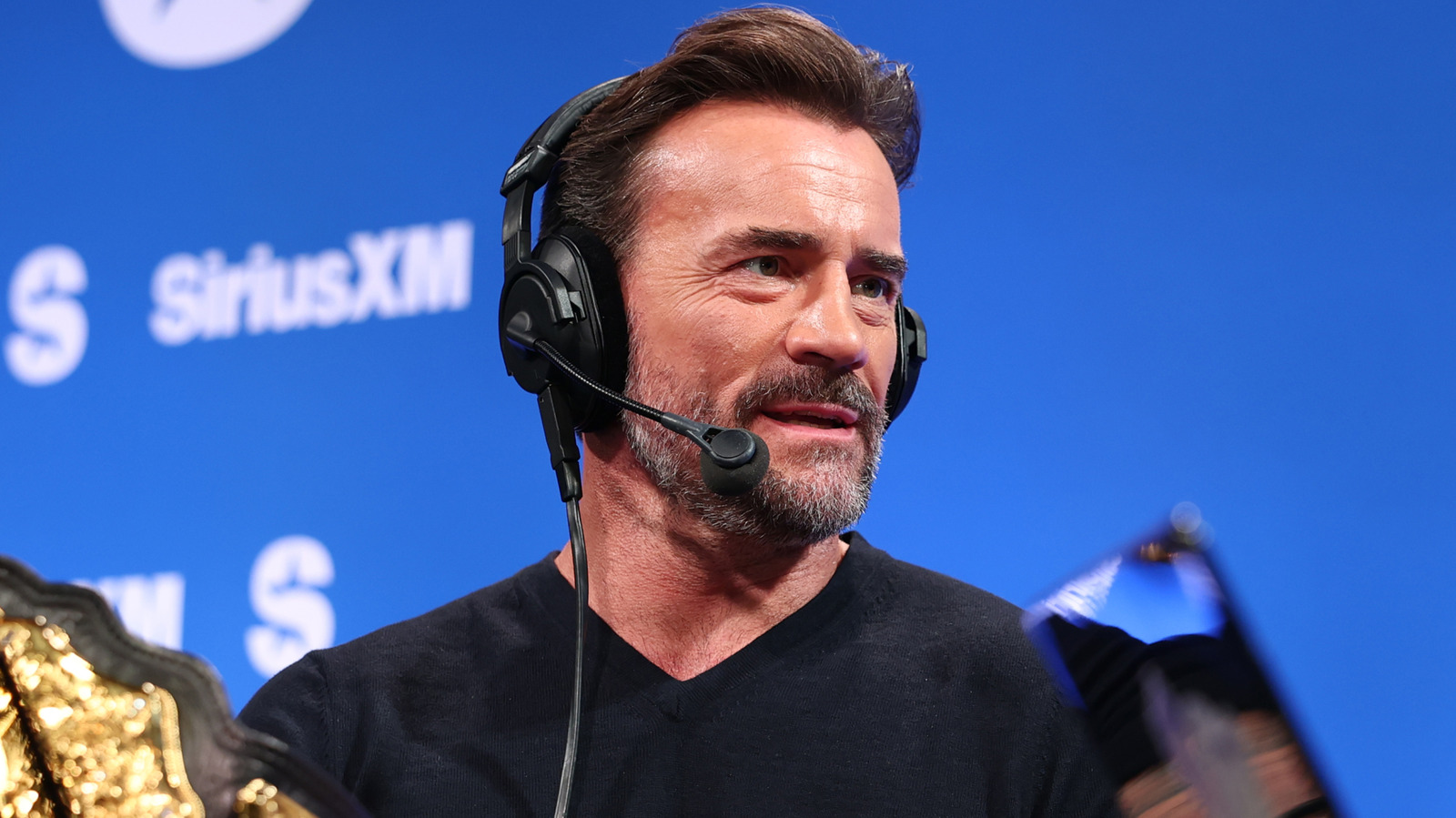
This period of CM Punk’s career, particularly his reign as WWE Champion leading up to WrestleMania 29, was a masterclass in heel psychology. He embodied a character who was intelligent, articulate, and utterly unapologetic. His promos were often laced with insider knowledge and a disregard for tradition, making him a captivating, albeit infuriating, figure. The feud with The Undertaker provided him with the ultimate platform to showcase this persona. The Undertaker, a figure of immense respect and longevity within WWE, represented the established order. Punk, the outsider, the anti-establishment voice, was positioned as the perfect foil. Their rivalry was not just about a championship or bragging rights; it was a clash of ideologies, a battle between the revered icon and the defiant rebel.
The Undertaker’s character, built on mystique and a powerful, supernatural aura, was always intertwined with his manager, Paul Bearer. Bearer was the grizzled, eccentric counterpart, the puppet master who understood the dark arts of the wrestling world. His presence was integral to The Undertaker’s mystique, and his passing left a void that was keenly felt by the roster and the fanbase. When CM Punk and Paul Heyman, Punk’s advocate, began to reference Bearer’s death, it was a calculated move to dismantle The Undertaker’s aura of invincibility by attacking him on a deeply personal level. The goal was to shatter the illusion of the supernatural and expose the human vulnerability beneath the Deadman’s stoic exterior.
The controversy stemmed from the perceived disrespect. To some, it was an unforgivable transgression, a cheap shot aimed at a beloved figure who could no longer defend himself. However, within the context of professional wrestling, where characters often engage in extreme and morally questionable actions, it was also viewed by many as a testament to Punk’s unparalleled ability to inhabit his heel persona. He was willing to go to places that other performers might shy away from, understanding that the emotional payoff for the audience, whether positive or negative, was paramount. The storyline forced the audience to confront uncomfortable truths about grief and how it can be weaponized in the theatrical arena of professional wrestling.
The decision to incorporate Paul Bearer’s death was not made lightly, according to Punk’s account. It involved careful consideration of the potential fallout and a deliberate effort to ensure that the narrative was handled with a degree of ethical grounding, even within its controversial framework. The green light from Bearer’s family was a crucial step in this process. It provided a form of absolution, allowing the storyline to proceed without the taint of outright exploitation. This level of consultation, while not always a standard practice in wrestling storytelling, speaks to a heightened awareness of the impact such narratives can have on real people and the legacy of those involved.
The effectiveness of this storyline can be measured by the intense reactions it generated. Fans were outraged, some in a way that fueled the heat for CM Punk, while others were genuinely offended. This duality is often the hallmark of successful, albeit controversial, wrestling narratives. It forces the audience to engage, to take a side, and to invest emotionally in the conflict. Punk’s ability to navigate this complex emotional landscape, to provoke such strong feelings, cemented his status as one of the most compelling performers of his generation. He understood that in professional wrestling, sometimes the most impactful stories are those that push the boundaries of taste and tap into the rawest human emotions.
Ultimately, the story of CM Punk and The Undertaker at WrestleMania 29, and the controversial element of Paul Bearer’s passing, remains a significant talking point in wrestling history. It exemplifies the power of narrative, the willingness of performers to embrace extreme roles, and the delicate balance between fictional storytelling and real-world respect. Punk’s later reflections underscore a maturity and a thoughtful approach to his craft, even when portraying a character known for his transgressions. The incident serves as a stark reminder of the emotional weight that professional wrestling can carry, both for those within the industry and for the millions of fans who invest in its larger-than-life characters and their intertwined destinies. The echoes of loss, when woven into the fabric of a wrestling feud, can create a powerful, albeit unsettling, tapestry of drama that resonates long after the final bell.