The latest installment of AEW Dynamite, broadcast on February 4th, 2026, delivered a potent cocktail of electrifying in-ring action, compelling narrative developments, and moments that undeniably resonated with the passionate AEW fanbase. While the show provided ample reasons for celebration, it also presented opportunities for critical analysis, prompting a deeper dive into the narrative arcs and strategic decisions that shaped the evening’s proceedings. From decisive victories that reshaped championship aspirations to lingering storylines that continue to divide opinion, this week’s Dynamite offered a rich tapestry of professional wrestling storytelling, showcasing the strengths and occasional stumbles of All Elite Wrestling’s ever-evolving landscape.
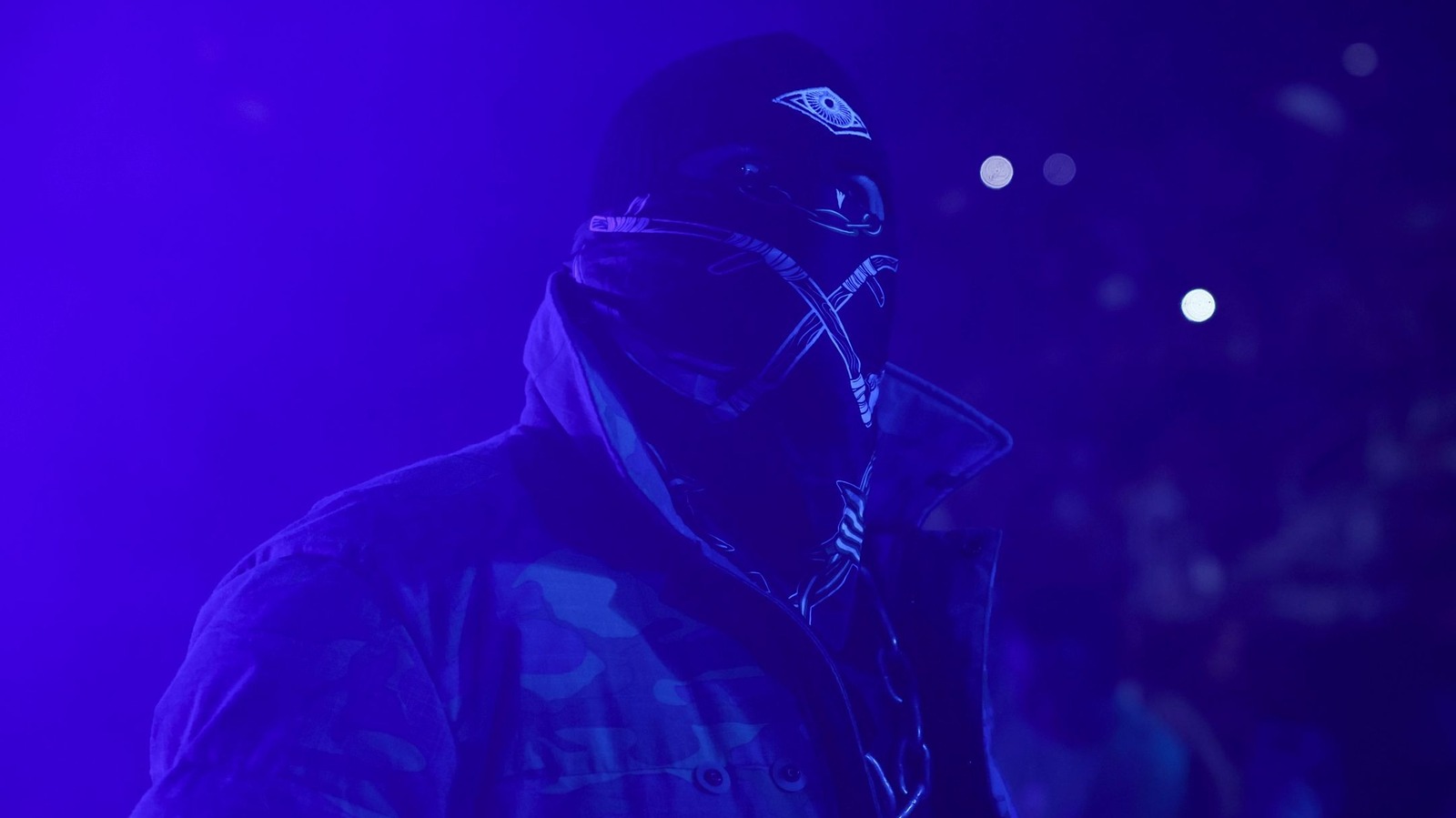
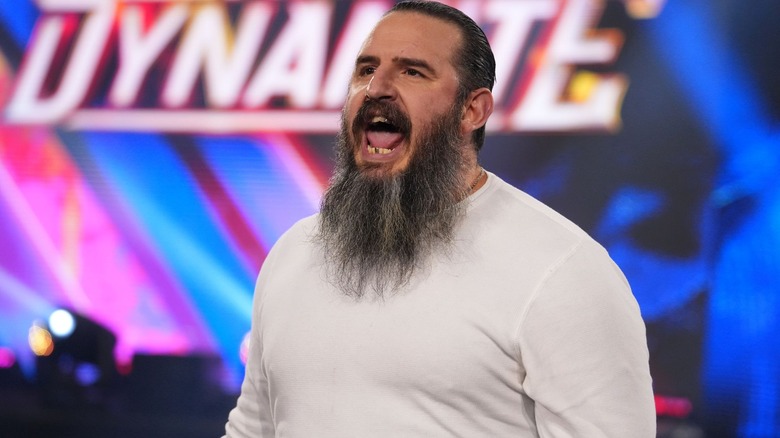
One of the most immediate and impactful moments of the evening came courtesy of Brody King, whose sheer physical dominance was on full display as he dismantled AEW World Champion MJF in a startlingly brief encounter. King, who has been steadily building momentum with his formidable presence and uncompromising in-ring style, entered the eliminator match with an aura of undeniable menace. The Las Vegas crowd, energized and vocal, amplified the atmosphere with their fervent support, even amidst the controversial "F*** ICE" chants that punctuated the segment. King’s victory, clocked at an astonishing one minute and seventeen seconds, was not merely a win in a preliminary contest; it was a seismic declaration of intent. In an era where eliminator matches can sometimes feel like mere formalities, King eschewed any semblance of caution, treating the reigning AEW World Champion with a level of disdain and aggression that left no doubt about his championship aspirations. This decisive conquest served to elevate King beyond his previous standing, signaling a potential shift in the top-tier championship picture. It was a stark reminder that while polished ringcraft is essential, raw power and unwavering conviction can often shatter the most established hierarchies. The memory of this brief, brutal, yet utterly captivating encounter will undoubtedly linger long after the dust has settled, serving as a potent testament to King’s ascending star. The question now becomes whether this surge of dominance can be sustained on the grander stage of Grand Slam: Australia, but regardless of the ultimate outcome, that electrifying night in Las Vegas has etched Brody King’s name firmly into the conversation for AEW’s ultimate prize.
Conversely, the decision to extend the feud between Darby Allin and Gabe Kidd proved to be a point of contention for many viewers. The rivalry, which had already reached a significant climax at AEW Worlds End on December 27th, felt like it had run its natural course. While the intention may have been to introduce Clark Connors to the AEW audience through this ongoing animosity, the execution felt somewhat forced. The prolonged nature of their conflict, particularly its lack of consistent build-up on weekly television, suggested a creative inertia rather than a compelling continuation. In a roster brimming with talent and potential new rivalries, revisiting a concluded chapter felt like a missed opportunity to forge fresh narratives for both Allin and Kidd. While the visceral nature of their previous encounters was undeniable, the continued investment in this particular feud overshadowed the potential for new, exciting matchups that could further invigorate both performers and the wider AEW landscape. The argument can be made that AEW possesses an embarrassment of riches when it comes to its roster, and it is imperative that creative energies are channeled into developing fresh and dynamic storylines that capitalize on this depth of talent, rather than rehashing established conflicts.
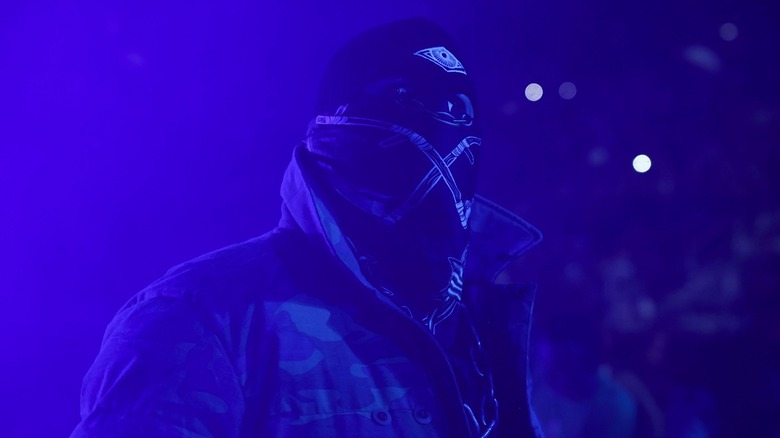
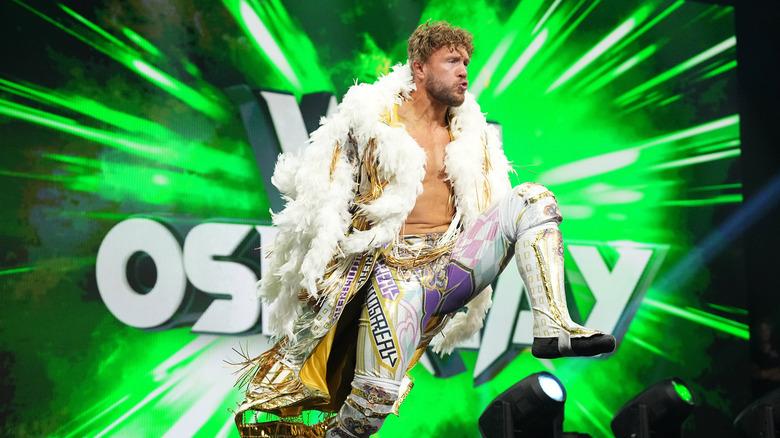
Amidst the ongoing sagas and championship pursuits, a subtle yet significant moment hinted at the imminent return of one of professional wrestling’s most electrifying performers: Will Ospreay. A brief, impeccably produced video package, airing for just over seventy-five seconds, served as a potent teaser for the "Aerial Assassin’s" comeback. The timing of this tease was particularly noteworthy, arriving in February, a period when many fans might have anticipated his return closer to or even after the highly anticipated All In: London event later in the year. Ospreay’s presence backstage and his reported progression towards in-ring clearance had already fueled speculation, but the airing of this vignette definitively signaled his imminent re-entry into active competition. This concise yet impactful visual storytelling ignited a considerable buzz across social media platforms, demonstrating the enduring appeal and anticipation surrounding Ospreay’s AEW tenure. The video masterfully captured his connection with the fans, with his own words underscoring the significance of their support. The strategic deployment of such a brief teaser, avoiding the protracted and often tedious build-ups seen elsewhere, suggests a calculated approach to Ospreay’s reintegration. The question now shifts to where he will precisely fit into the already competitive world championship picture, a landscape populated by formidable contenders. The potential for his return at AEW Revolution next month looms large, promising to inject an immediate surge of star power and unpredictability into the promotion’s marquee events.
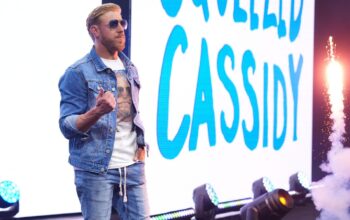
However, the narrative surrounding the partnership of Orange Cassidy and "Timeless" Toni Storm, while undeniably unique and popular with the audience, has begun to raise questions about its long-term efficacy and its impact on the individual trajectories of both performers. Their recent mixed tag team victory on Dynamite further solidified their winning streak, propelling them towards an upcoming Hair vs. Hair Tornado Tag Match against Wheeler Yuta and Marina Shafir at Grand Slam Australia. The chemistry between Cassidy and Storm is undeniable, and their characters possess a distinct appeal that resonates with AEW’s fanbase, as evidenced by the significant social media engagement generated by their past interactions. Yet, the question arises whether this alliance, while entertaining, is truly serving the best interests of both wrestlers. For Orange Cassidy, who was once a prominent figure in the AEW World Championship contention, a shift in his career trajectory seems increasingly necessary. Whether this involves a deeper dive into the comedic aspects of his persona or a renewed pursuit of top-tier championship opportunities, a strategic recalibration is warranted. His performances in the Continental Classic demonstrated his in-ring capabilities, but the current partnership, however charming, may not be the optimal vehicle for him to reclaim his position at the pinnacle of the promotion.
Similarly, Toni Storm’s current booking, while successful in its own right, presents a nuanced dilemma. At the close of the previous summer, she was arguably one of AEW’s most talked-about performers, with widespread calls for her matches to headline major events. While the strategic diversification of the AEW Women’s World Championship picture, allowing other talents to shine, is a positive development, Storm’s placement outside of that immediate contention has inadvertently positioned her as a mid-card talent, a perception that would have seemed improbable just a few months prior. This situation highlights a recurring critique of how the women’s division is often booked, with a perceived reliance on championship storylines to elevate talent. While their current storyline has provided entertainment, the long-term benefit for both Cassidy and Storm may lie in their eventual separation, allowing them to pursue individual paths that can reignite their respective careers and re-establish them as key players in their respective divisions.
On a more positive note, the encounter between Andrade El Idolo and Kenny Omega on Dynamite delivered a masterclass in professional wrestling storytelling and in-ring execution. The match, which saw Andrade secure a surprising and significant victory, was a testament to the chemistry that these two performers share, a connection first showcased in their AAA TripleMania XXIX clash in 2021. Both Omega and Andrade entered this contest with an elevated level of intensity, driven by the high stakes involved. Omega, radiating a renewed sense of vigor and confidence, moved with the agility and precision that has defined his career. Andrade, meanwhile, operated at an exceptional level, fueled by his lucrative association with Don Callis and the palpable attention he garnered from the ringside entourage. The combination of their individual motivations and the critical importance of the match – the winner advancing to face Hangman Page, with the victor earning a shot at the AEW Men’s World Championship at Revolution – created an atmosphere of palpable tension.
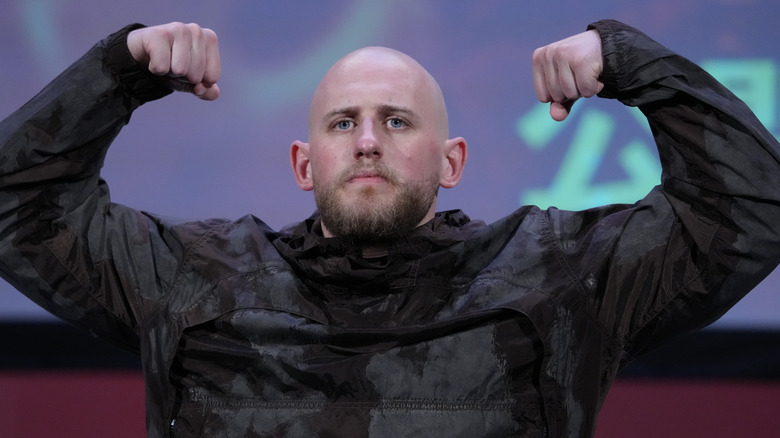
The narrative potential of an Omega vs. Hangman Page rematch was an obvious storyline that many fans anticipated. However, Andrade’s recent booking has positioned him as a legitimate threat, injecting an element of doubt into every near fall and keeping the audience thoroughly invested. This uncertainty, the inability to predict the outcome with certainty, is a crucial ingredient in captivating wrestling. After exceeding the quality of their previous encounter, it was Andrade who ultimately emerged victorious. While the finish might not have been the cleanest, his consecutive pinfall victories over Swerve Strickland and Kenny Omega in as many weeks have firmly established him as a formidable contender for Hangman Page. The booking of Andrade as a potential challenger for the AEW Men’s World Championship at Revolution would represent an inspired decision, offering a fresh and dynamic alternative to established rivalries and opening up a wealth of new storytelling possibilities. For Kenny Omega, this loss sets up a compelling confrontation with Swerve Strickland, a matchup that promises to be a captivating dance between two of AEW’s most prominent stars.
However, the proliferation of eliminator matches across AEW’s programming, while seemingly designed to build stakes, has begun to feel somewhat redundant, particularly outside of the primary men’s world championship picture. While Brody King’s decisive victory over MJF served as a powerful statement, and the AEW Women’s Tag Team Championship scene also featured an eliminator bout, the necessity of such matches for every championship pursuit warrants scrutiny. The AEW Men’s World Championship scene is undeniably the focal point, with a stacked roster of contenders like Swerve Strickland, Kenny Omega, Andrade El Idolo, Hangman Adam Page, and now Brody King, all vying for supremacy. In such a highly competitive environment, eliminator matches make strategic sense, allowing the most deserving contender to prove their mettle. Yet, applying this same structure across the board can lead to a dilution of its impact.
For the AEW Women’s Tag Team Championships, the eliminator match format felt particularly unnecessary. Megan Bayne and Penelope Ford, having earned their shot through previous victories, could have been directly granted a title opportunity against the reigning champions, The Babes of Wrath, Willow Nightingale, and Harley Cameron. The additional match against Cameron and Nightingale, while adding another win to their record, did little to enhance the narrative momentum leading into the championship bout. A more organic build-up, utilizing backstage segments, promos, or even non-title victories, could have achieved the same objective without the perceived redundancy of an eliminator contest. Furthermore, the potential for these championships to be defended on a larger platform, perhaps even in Cameron’s home country at Grand Slam: Australia, represented an exciting prospect that felt somewhat diminished by the current booking trajectory. Ultimately, while eliminator matches can be an effective tool, their strategic deployment should be carefully considered, perhaps reserved for the most prominent title pursuits to maintain their significance and avoid diluting their impact across the entire roster.