The dust has settled from the high-octane spectacle of the Royal Rumble, and the road to the next major WWE Premium Live Event, Elimination Chamber, has officially begun. This week’s installment of Friday Night SmackDown aimed to transition the narrative, introducing the first wave of qualification matches for the Chamber bouts and setting the stage for the ongoing storylines. While the show offered glimpses of compelling action and promising character development, it also stumbled in areas, leaving viewers with a range of emotions from satisfaction to frustration. As always, the blue brand delivered moments that resonated with the audience and moments that left much to be desired, showcasing the inherent ebb and flow of weekly professional wrestling programming.
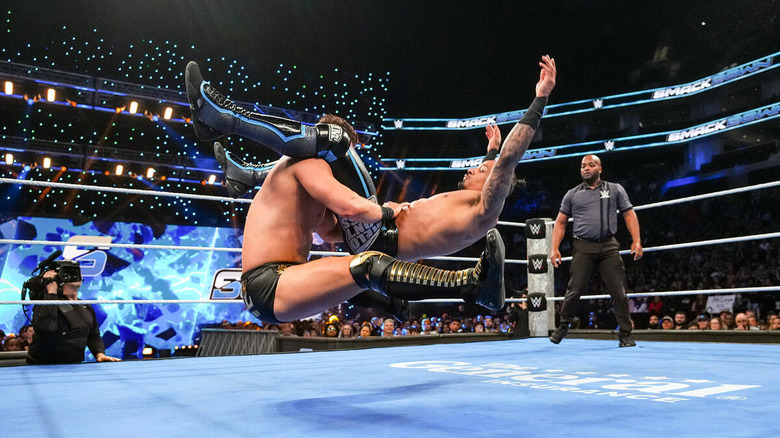
One of the most perplexing segments of the evening involved the ongoing narrative between Carmelo Hayes and The Miz. The segment began with an advertised United States Championship Open Challenge, a format that typically generates excitement and unpredictability. However, for reasons that remain unclear from a logical booking standpoint, Hayes himself opted to prevent The Miz from answering the challenge, leading to an impromptu match between the two. This decision fundamentally undermined the purpose of the Open Challenge, leaving viewers questioning why the championship wasn’t being defended as advertised. The subsequent match, while showcasing the talents of both performers, was overshadowed by this puzzling pre-match decision. Furthermore, the commentary team’s repeated insistence on referring to The Miz as Hayes’ mentor felt particularly out of touch. Hayes, a seasoned veteran with over a decade of professional wrestling experience, hardly fits the mold of a mentee. This narrative choice felt like an unnecessary attempt to create a dynamic that didn’t align with the established career trajectories of the individuals involved. In a show that struggled to find significant standout moments, this particular segment felt like a missed opportunity, serving as little more than filler that pulled viewers out of the experience rather than drawing them in.
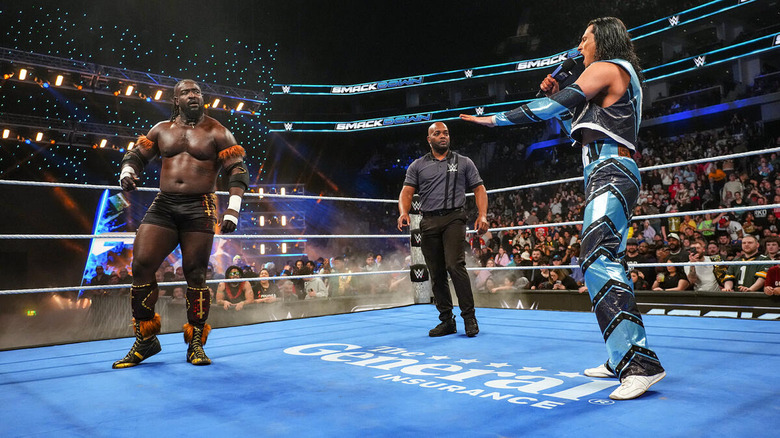
The debut of Oba Femi on the main roster, while anticipated, was unfortunately marred by questionable booking choices. Femi, who relinquished his NXT North American Championship to make the jump to the main roster, was positioned against Kit Wilson in what turned out to be a rather anticlimactic squash match. While Femi’s dominance is undeniable, this particular encounter did little to elevate either competitor. Wilson, who had been gaining significant momentum with his updated persona and catchy entrance music, found himself on the receiving end of a swift defeat. The irony was not lost on observers that Femi’s first official main roster victory came against an opponent who, while talented, was not positioned as a significant threat. This match failed to capitalize on the buzz surrounding Wilson’s recent performances, and it offered Femi a victory that, while expected, lacked the gravitas needed to establish him as a major force. The overall direction for Femi on the main roster remains somewhat nebulous, with a string of seemingly random squash matches failing to build a compelling narrative for him. This approach does a disservice to both Femi’s potential and that of his opponents, leaving one to wonder about the long-term strategy for this promising talent. The decision-making process regarding Femi’s placement on the main roster, overseen by figures like Nick Aldis and Adam Pearce, has thus far resulted in a series of unimpressive showings that do not reflect the championship pedigree he brought from NXT.
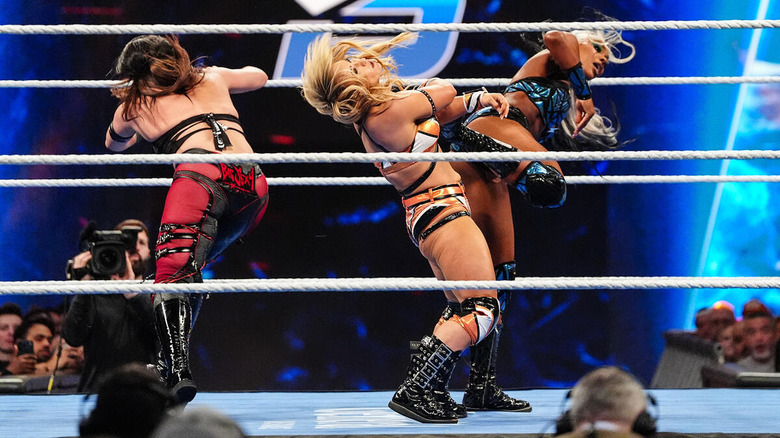
The ongoing saga between Jordynne Grace and Jade Cargill, two of the most prominent figures in the women’s division, took a predictable turn with their tag team encounter against Raquel Rodriguez and Liv Morgan. This match was a textbook example of the "can they co-exist?" trope, a storyline device that has been utilized countless times in professional wrestling. The inherent friction between rivals forced to team up was evident from the outset, manifesting in awkward interferences and a distinct lack of cohesive teamwork. The match itself followed a familiar pattern: a period of disunity, followed by accidental attacks, and ultimately, a loss that benefits neither party in a meaningful way. Cargill’s errant strike to Grace, and Rodriguez’s similar mishap with Morgan, culminated in Grace securing the pinfall over Rodriguez. However, the victory felt hollow, achieving little beyond delaying the inevitable confrontation between Grace and Cargill for the Women’s Championship, presumably at the Elimination Chamber event. The broader issue plaguing the women’s division on SmackDown is the apparent lack of a clear, long-term plan for potential challengers. While Liv Morgan, fresh off her Royal Rumble victory, has staked her claim, and Tiffany Stratton has qualified for the Women’s Elimination Chamber match, the overall landscape feels stagnant. Stratton’s recent title reign was notably brief, and her inclusion in the Chamber match, while a step, doesn’t necessarily signal a fresh challenger. The disconnect between the championship and the rest of the division is palpable, and the repetitive nature of the booking is disheartening, especially given the wealth of talent available on the SmackDown roster.
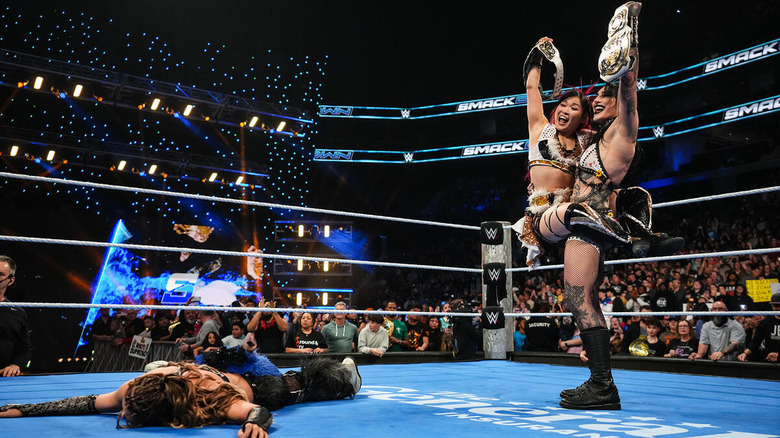
Despite some of the booking missteps, the SmackDown women’s division did present some positive moments. The show featured a notable increase in matches involving the women’s roster, with three distinct contests taking place. The evening kicked off with RHEA RIPLEY and IYO SKY defending their Women’s Tag Team Championships against the formidable duo of GIULIA and KIANA JAMES. While RHIYO retained their titles, the outcome saw the United States Champion taking the pin, a detail that warrants further discussion in a different context. Following this, the first of the Women’s Elimination Chamber qualifying matches saw LASH LEGEND, TIFFANY STRATTON, and CHELSEA GREEN vie for a spot in the grueling contest. Stratton, having recently returned at the Royal Rumble, was the logical choice to emerge victorious, and her win sets up an interesting dynamic for the Chamber match. The aforementioned segment involving Liv Morgan, Raquel Rodriguez, Jade Cargill, and Jordynne Grace, while employing familiar tropes, at least served to solidify the impending championship clash between Grace and Cargill. The overall impression was that the women’s division was given more airtime and more opportunities to showcase their skills, a welcome change from episodes where they are often relegated to a single segment or match.
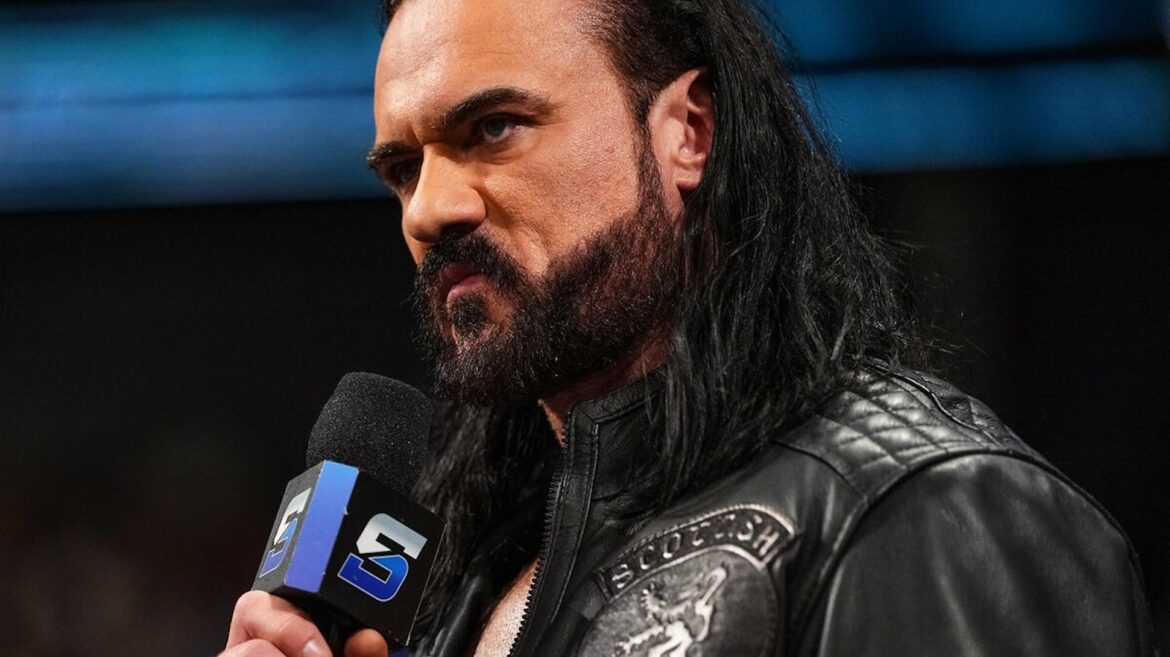
Trick Williams continues to make a significant impact since his transition to the main roster, and his booking has been a masterclass in positioning a rising star. Unlike some of his NXT contemporaries who have seen their momentum falter, Williams has consistently been presented as a credible threat, even in defeat. His appearance on SmackDown saw him interrupt Undisputed WWE Champion Drew McIntyre, a pivotal moment that immediately elevated his standing. Williams delivered a sharp, confident promo, asserting his claim as the future of the business and directly challenging McIntyre’s focus. This interaction, even if it doesn’t immediately lead to a title match for Williams at WrestleMania, served to showcase his charisma and mic skills on a grander stage. Furthermore, Williams’ ringside presence during an Elimination Chamber qualifier between Randy Orton, Aleister Black, and Solo Sikoa was a subtle yet effective way to demonstrate his intent and assert his presence within the division. By simply observing potential competitors, he projected an image of a calculated and ambitious individual. While a direct path to the Elimination Chamber match for Williams is uncertain, his current trajectory is undeniably positive. He is consistently being placed in meaningful situations that build his credibility and establish him as a must-watch performer on the blue brand. As long as these impactful moments continue, even through losses, his value remains exceptionally high.
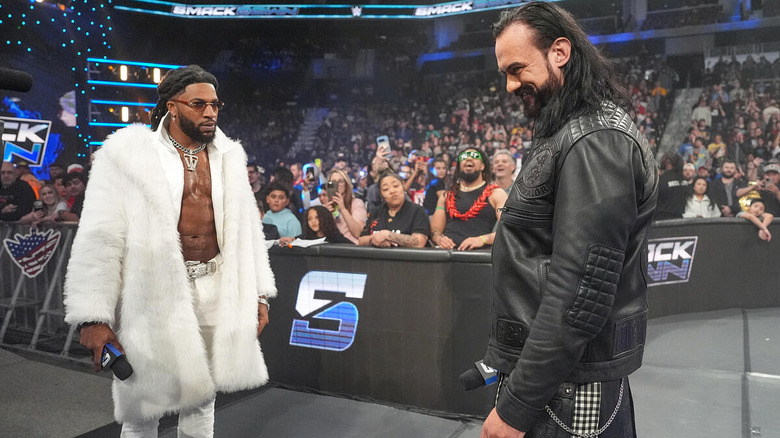
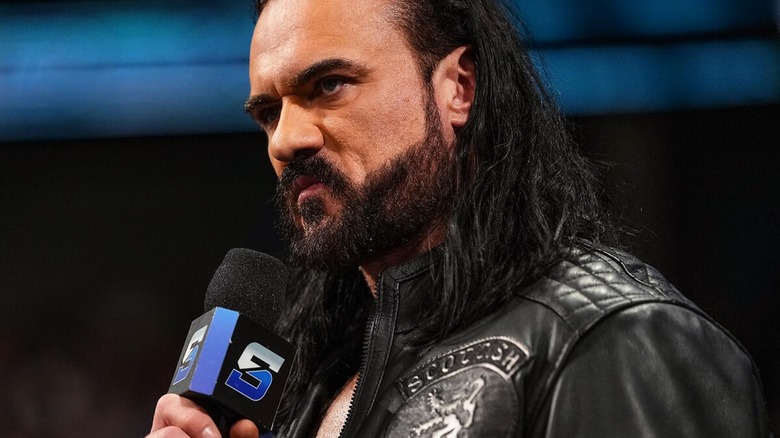
The SmackDown men’s world title picture, which may have felt somewhat overshadowed by the monumental booking decisions on Monday Night Raw, made a strong case for its own significance this week. After Roman Reigns’ controversial selection of CM Punk as his WrestleMania opponent, the SmackDown roster, particularly its champion, Drew McIntyre, needed to respond. McIntyre’s promo was the cornerstone of this response. Despite being interrupted twice, first by a fiery Cody Rhodes and then by the imposing Jacob Fatu, McIntyre eventually got his message across. The physicality introduced by Rhodes and Fatu, who clearly harbored their own grievances with McIntyre, added a layer of intensity that transcended mere words. McIntyre then eloquently laid out his case for why he held the most prestigious championship in the company, even incorporating a jab at Dusty Rhodes’ career for added impact. He challenged the rest of the SmackDown roster to step up, highlighting the perceived slight from the Raw brand. While it might not have matched the electrifying energy of the Reigns-Punk segment, it was a compelling rebuttal that effectively framed Reigns’ choice as the path of least resistance. It served as a crucial reminder that the Undisputed WWE Championship on SmackDown remains the ultimate prize, a fact that WWE, despite its perceived favoritism towards Raw, cannot afford to ignore. McIntyre’s segment was a vital affirmation of SmackDown’s own championship lineage and its importance within the larger WWE landscape.