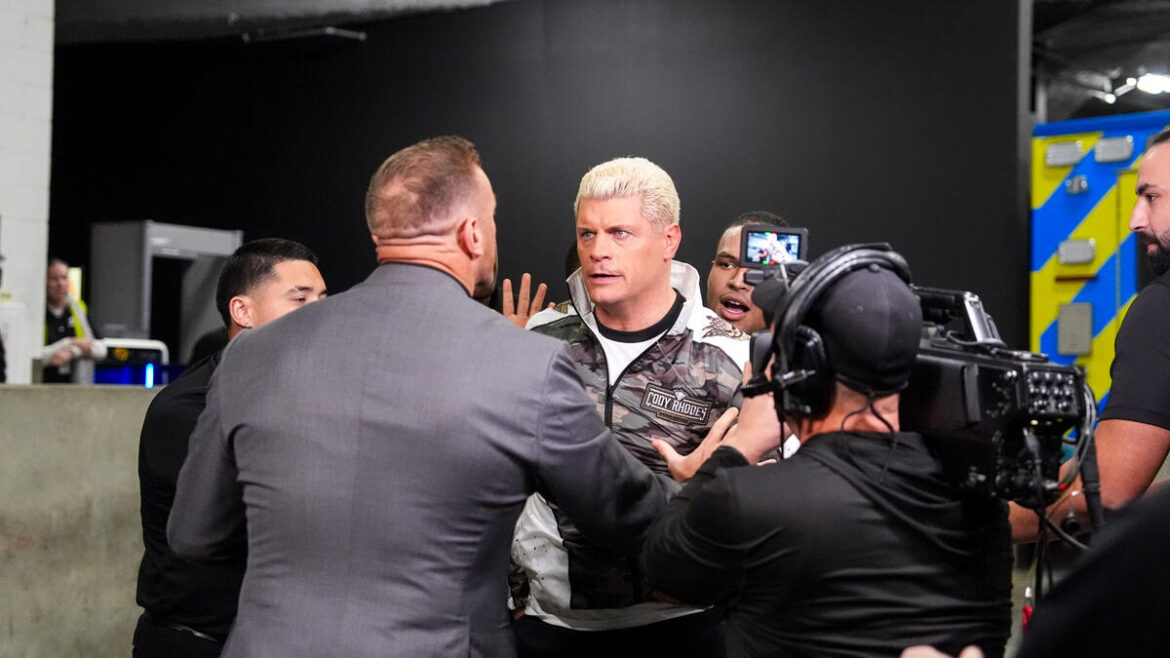
The narrative of professional wrestling is a constantly evolving tapestry, woven with the threads of athletic prowess, compelling storytelling, and, crucially, the volatile energy of the live audience. For a performer like Cody Rhodes, whose ascent has been one of the most significant arcs in recent WWE history, understanding and navigating these audience dynamics is not merely an occupational hazard but an essential component of his continued success. Rhodes, a man who has embraced the complexities of his persona and the wrestling world with open arms, recently touched upon a subtle yet undeniable shift in how some segments of the WWE faithful are reacting to his presence. This observation, far from being a cause for concern, underscores the intricate relationship between performer and spectator, a relationship that can ebb and flow with surprising rapidity.
Rhodes’ perspective on the matter, shared during an appearance on ESPN’s "Unsportsmanlike" podcast, highlights his deep appreciation for the art of the promo. He views these vocal exchanges as the most potent tool for forging a genuine connection with the fans, a connection he cherishes because his WWE character is, in essence, an amplified version of himself. This authenticity is the bedrock of his appeal, allowing him to resonate with a broad spectrum of the audience. However, even the most authentic performers can find themselves navigating waters where the tides of fan sentiment are not uniformly in their favor. He candidly acknowledged that while he cherishes the positive affirmations, he also recognizes the emergence of mixed or even negative responses. His ultimate hope, he articulated, is simply for the crowd to bring energy to the proceedings, irrespective of whether that energy manifests as fervent support or vocal dissent.
"I’m in a bit of a peculiar position within the show right now," Rhodes explained, painting a vivid picture of his current standing. "Not every arena feels like a home game anymore." He elaborated on this feeling, noting the gradual emergence of crowd chants that swing between enthusiastic endorsements like "Let’s go Cody" and more critical pronouncements such as "Cody sucks." He was quick to clarify that this observation was not a veiled hint at a character metamorphosis into a villain. Instead, he was offering a direct commentary on the observable crowd sentiment from his vantage point. He recalled an anecdote from a recent event in Germany where veteran performer Bobby Roode, upon seeing Rhodes’ entrance graphic, wryly remarked backstage, "They’ve just put you on the screen; this is going to be an away game." Rhodes accepted this assessment with a shrug, emphasizing that the prevailing energy is what truly matters to him, transcending any particular geographical inclination of the audience. He did, however, identify specific locales, such as Florida and Texas, where he still feels a palpable sense of goodwill and connection with the fans, a reassuring affirmation that the core connection remains strong in many quarters.
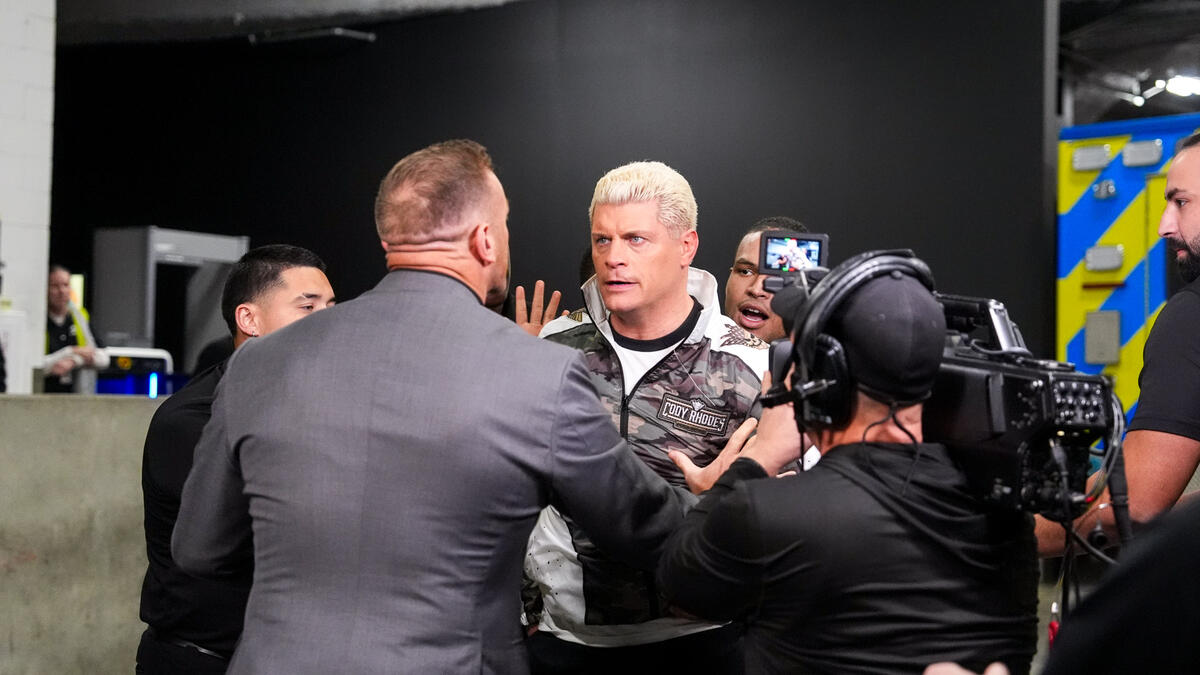
The key takeaway from Rhodes’ introspection is his unwavering commitment to consistency. He understands that the ebb and flow of crowd reactions are a natural byproduct of the live performance environment. His strategy, therefore, is not to chase a particular reaction or to alter his approach based on the immediate reception. Instead, he focuses on maintaining the integrity of his character, ensuring that his actions and demeanor remain true to the persona he has cultivated. He recognizes the inherent mutability of fan sentiment; a crowd that might greet him with boos on one occasion could very well offer a standing ovation the next time he appears in their city. This adaptability, coupled with an unshakeable self-belief, is a hallmark of seasoned performers who have weathered the storms of audience opinion and emerged stronger.
This dynamic of shifting crowd reactions gains even more significance when considered within the broader context of Cody Rhodes’ career trajectory. His journey back to WWE, after a highly successful and impactful run in All Elite Wrestling, was framed as a quest to "finish the story" – to achieve the WWE Undisputed Championship that eluded his legendary father, Dusty Rhodes. This narrative resonated deeply with a significant portion of the WWE Universe, who championed his cause with fervent loyalty. However, as is often the case in professional wrestling, prolonged storylines and championship pursuits can lead to audience fatigue or a reassessment of allegiances. The sheer weight of expectation, the anticipation of a grand conclusion, can create a pressure cooker environment where even minor perceived missteps or prolonged narrative threads can elicit a different response than initially anticipated.
The landscape of the wrestling industry itself plays a crucial role in shaping these audience reactions. The proliferation of wrestling content across various platforms – television, streaming services, social media, and independent promotions – has exposed fans to a wider array of characters, storylines, and wrestling styles than ever before. This increased exposure can lead to a more discerning, and at times, more critical audience. Fans are not just passive observers; they are active participants in the wrestling discourse, dissecting narratives, analyzing performances, and forming opinions that they are not afraid to express, often vocally, in the live arena. The advent of the internet and social media has amplified these voices, allowing them to coalesce and influence the broader fan base in ways that were unimaginable a generation ago.
Furthermore, the very nature of a "face" (good guy) or "heel" (bad guy) dynamic in modern wrestling is more nuanced than in previous eras. Audiences are often more sophisticated, appreciating characters who operate in shades of gray, who possess a blend of admirable and questionable traits. While Rhodes has largely maintained a heroic persona, the prolonged nature of his quest for the championship, coupled with the inherent pressures of being at the pinnacle of the WWE, can create situations where the audience’s perspective shifts. Some may feel that the narrative is dragging, while others might be drawn to the inherent drama of a performer facing adversity and evolving crowd dynamics. This is not necessarily indicative of a personal failing on Rhodes’ part, but rather a testament to the complex interplay between performer, character, and audience within the ever-evolving wrestling ecosystem.

The upcoming WWE Elimination Chamber event, scheduled to take place at the United Center in Chicago, serves as a prime example of the high-stakes environment in which Rhodes is currently operating. He is slated to compete in the men’s Elimination Chamber match, a grueling contest that pits six top-tier performers against each other for a shot at the WWE Championship. The other participants in this monumental clash are Randy Orton, Jey Uso, LA Knight, Drew McIntyre, and Logan Paul. The winner of this match will earn the coveted opportunity to face the WWE Champion, Drew McIntyre, at WrestleMania 40. This match, by its very nature, is a crucible, a test of endurance, skill, and mental fortitude. The outcome will undoubtedly have a significant impact on the ongoing narratives and the future landscape of WWE’s top titles.
The presence of such a formidable lineup in the Elimination Chamber match itself can influence crowd reactions. Each of these competitors has their own dedicated fan base and their own unique storyline momentum. The energy within the arena can be divided, with different factions of the crowd rallying behind their preferred participants. For Cody Rhodes, navigating this environment means not only performing at his best within the confines of the match but also maintaining his connection with the audience amidst the cacophony of cheers and boos that will inevitably erupt. His ability to remain focused and deliver a compelling performance, regardless of the immediate vocal response, will be paramount.
The strategic positioning of performers like Cody Rhodes within the WWE roster is a carefully orchestrated endeavor by the creative team. While Rhodes has consistently delivered strong performances and maintained a high level of engagement with a significant portion of the audience, the WWE, like any major entertainment entity, is constantly assessing and adapting its approach to maximize viewership and fan interest. The introduction of new talent, the resurgence of established stars, and the evolution of existing storylines all contribute to the dynamic nature of the wrestling landscape. Rhodes’ current "funky spot," as he described it, is not an isolated phenomenon but rather a reflection of this broader strategic maneuvering and the inherent unpredictability of professional wrestling as a form of live entertainment.
Ultimately, Cody Rhodes’ candid acknowledgment of the shifting audience reactions speaks volumes about his maturity and professionalism as a performer. He understands that the passionate, and at times fickle, nature of the wrestling audience is part of the game. His focus on maintaining authenticity and delivering energy, regardless of the specific cheers or jeers, is a testament to his dedication to his craft. As he continues his pursuit of the WWE Championship, his ability to connect with the WWE Universe, even when faced with divided sentiments, will be a crucial factor in the unfolding chapters of his compelling wrestling saga. The sands of audience affection may shift, but for Cody Rhodes, the core mission remains the same: to finish the story.