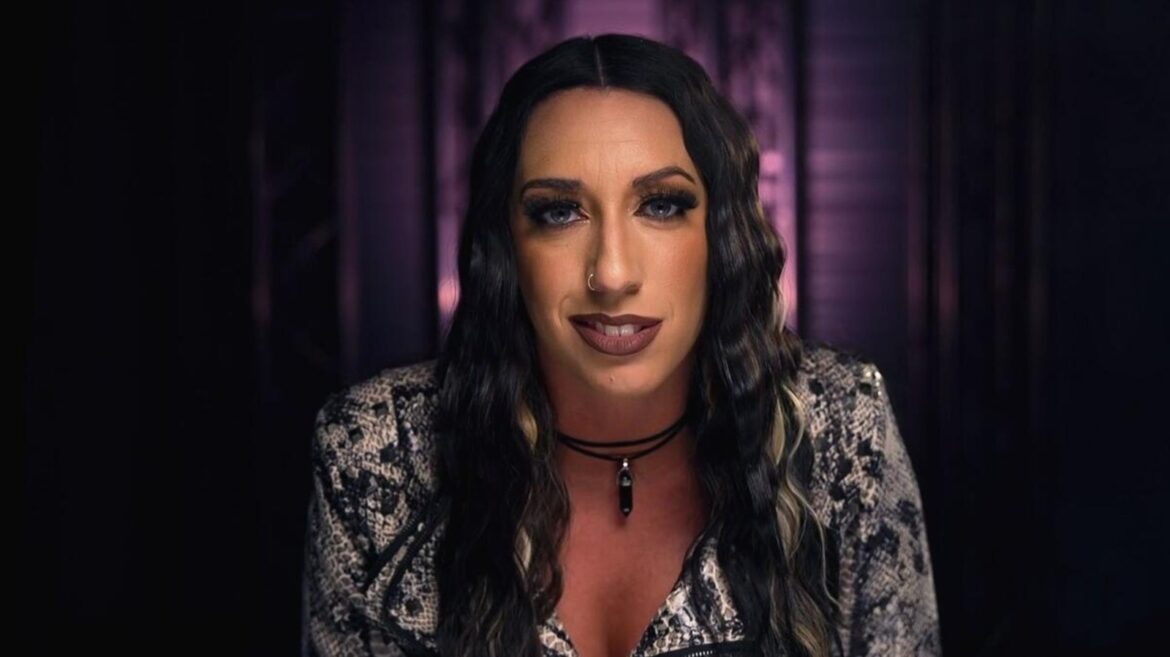
The landscape of WWE’s developmental territory, NXT, has been a dynamic entity throughout its existence, undergoing significant transformations that have reshaped its identity and the career trajectories of its burgeoning talent. For those who have walked through the hallowed halls of the WWE Performance Center and emerged onto the NXT stage, witnessing these shifts firsthand offers a unique and invaluable perspective. Jacy Jayne, a prominent figure within the current NXT women’s division and a former NXT Women’s Champion, has been privy to some of the most significant evolutions the brand has experienced. Her tenure has spanned across distinct eras, from the critically acclaimed "Black & Gold" period to the vibrant, albeit sometimes controversial, "NXT 2.0" rebrand, and now to what many perceive as a more refined, polished iteration of the show.
Jayne’s journey within WWE began during a pivotal time for NXT. While she technically debuted on the television product during the tail end of the "Black & Gold" era, her formative experiences and most of her early television appearances occurred as the brand underwent a dramatic overhaul, transitioning into "NXT 2.0." This change, as she recalls in a candid conversation on "The Takedown on SI," felt almost instantaneous. The shift wasn’t a gradual phasing out of one identity for another; rather, it was a swift and decisive pivot that redefined the developmental brand’s presentation and its approach to talent. Jayne acknowledges that her time within the original "Black & Gold" iteration was brief on screen, limiting her ability to fully articulate the nuances of that specific period from an active participant’s viewpoint. However, like many aspiring wrestlers, she had been a devoted observer of the "Black & Gold" product for years, appreciating its reputation for delivering high-quality in-ring performances and establishing a distinct, almost cult-like following among wrestling aficionados.
Her true immersion into the NXT system and its television product coincided with the dawn of "NXT 2.0." This new era brought with it a markedly different philosophy. Jayne vividly describes the steep learning curve inherent in this phase, where many individuals stepping into the spotlight possessed minimal prior wrestling experience. The concept of wrestlers, who were essentially novices, competing on live television in their fifth or sixth professional matches struck her as remarkably audacious. This "2.0" era, as she characterizes it, was undeniably experimental, a period of trial and error that prioritized character development and visual flair. The brand’s focus shifted significantly. Previously, NXT had cultivated a reputation for showcasing established independent wrestling stars and seasoned veterans who were already well-known to the wider wrestling audience, delivering intricate and technically proficient matches. The "NXT 2.0" model, however, aimed to cultivate new stars from the ground up, often introducing talent that the audience might not have had prior familiarity with, building their personas and in-ring abilities concurrently. This was a deliberate strategy to create a fresh pool of talent with unique characters designed to resonate with a broader demographic.
The "Black & Gold" era of NXT, which captivated audiences from roughly 2012 to 2021, was characterized by its focus on presenting a product that felt distinct from the main WWE roster. It was a proving ground for exceptionally talented performers, many of whom had honed their craft on the independent circuit. The brand cultivated an image of being a more wrestling-centric show, with longer, more intricate matches, compelling storytelling, and a roster that boasted a deep well of technical prowess. Superstars like Seth Rollins, Dean Ambrose (Jon Moxley), Roman Reigns, Sami Zayn, Kevin Owens, Finn Bálor, and countless others used NXT as a platform to refine their skills and develop their characters before transitioning to Raw or SmackDown. The women’s division, in particular, achieved critical acclaim, with groundbreaking matches and championship reigns from stars like Sasha Banks, Charlotte Flair, Bayley, and Asuka. This era built a legacy of delivering high-quality wrestling that often outshone its main roster counterparts, earning NXT the moniker of "the third brand" within WWE.
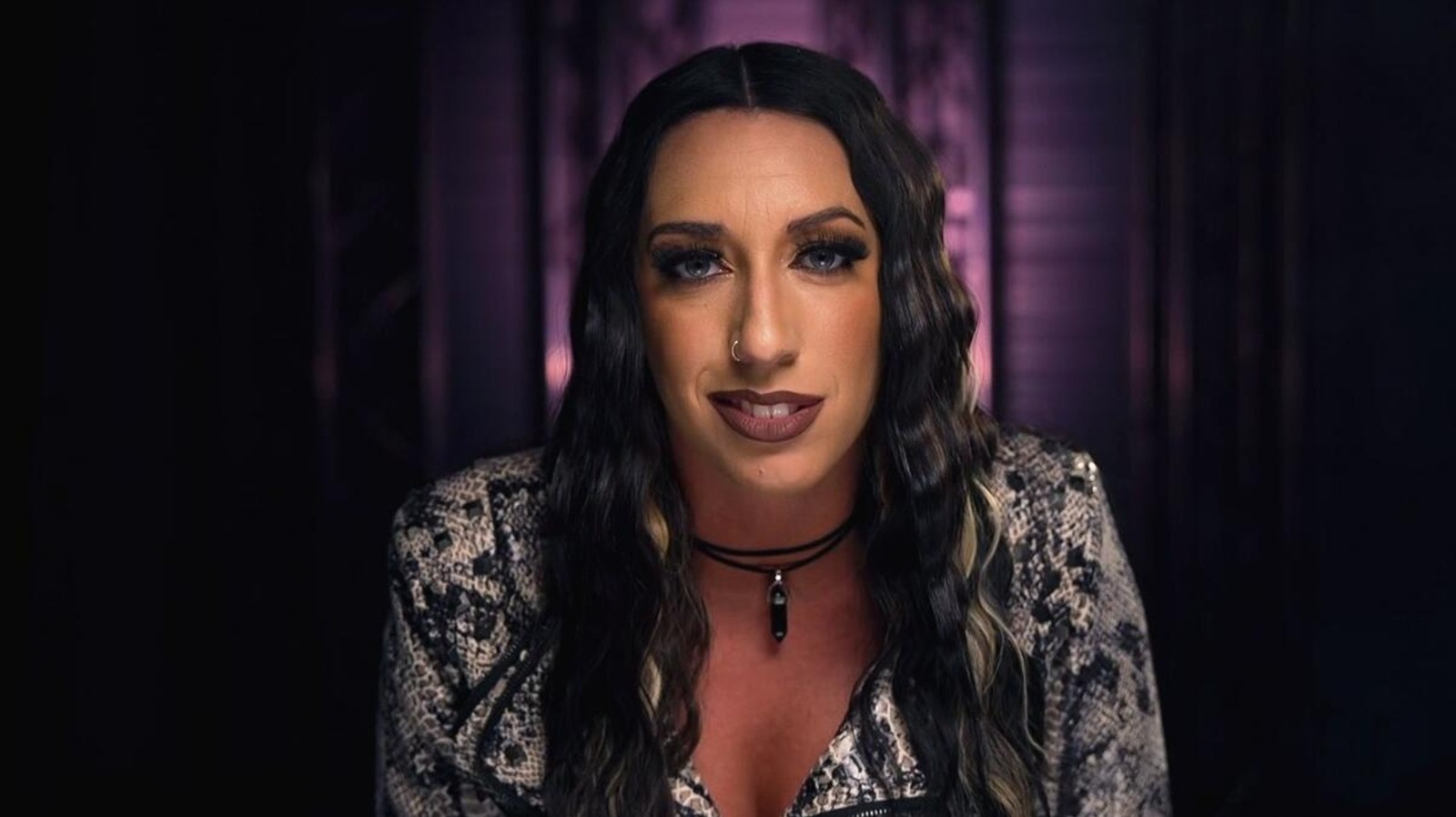
The transition to "NXT 2.0" in September 2021 marked a significant departure. The brand underwent a visual overhaul, adopting a brighter, more colorful aesthetic, and its programming shifted to emphasize more flamboyant characters and a faster-paced, often less technically driven, style of wrestling. The stated goal was to appeal to a younger audience and to better train developmental talent for the main roster by focusing on personality and marketability alongside in-ring skills. This pivot was met with a mixed reception from the wrestling community. While some embraced the fresh energy and the opportunity for new talent to shine, others lamented the perceived decline in the in-ring quality and the departure from the more mature, wrestling-focused product that had defined "Black & Gold." For talent like Jacy Jayne, who were either new to the system or still establishing themselves, "NXT 2.0" became their primary developmental environment. They had to adapt to this new philosophy, learning to build characters and perform within a framework that prioritized different aspects of the wrestling business.
Jayne’s observations about the learning process during "NXT 2.0" highlight the challenges and unique nature of this developmental period. When she speaks of wrestlers having "no experience at all" and yet competing on television, she’s referring to a strategy that aimed to fast-track development by providing significant on-air exposure. This approach, while potentially accelerating a performer’s growth in terms of camera presence and audience interaction, also presented risks. The pressure of performing at a high level with limited experience can lead to mistakes, but it also forces individuals to learn quickly and adapt under intense scrutiny. The emphasis on character work was also a crucial element. In "NXT 2.0," the visual presentation, the distinct personalities, and the ability to connect with the audience on an emotional level were often as important, if not more so, than the technical execution of wrestling maneuvers. This was a conscious effort to mold performers into characters who could resonate with a broader audience and sustain long-term careers on the main roster, where character work is paramount.
The period of "NXT 2.0" also saw a significant influx of new talent, many of whom had backgrounds in sports outside of professional wrestling, such as collegiate athletics, gymnastics, and even bodybuilding. This diversified the roster and brought a fresh array of physical attributes and athletic capabilities to the brand. Wrestlers like Bron Breakker, Carmelo Hayes, Indi Hartwell, and Cora Jade rose to prominence during this era, each bringing their unique skill sets and developing their personas in real-time. Jacy Jayne herself, alongside her former tag team partner Gigi Dolin as part of the iconic "Toxic Attraction" faction, became a cornerstone of the "NXT 2.0" women’s division. Their dominant run, marked by strong character work, impactful promos, and championship success, exemplified the potential of this new direction. The faction’s blend of confidence, ambition, and a distinctly edgy persona resonated with fans, showcasing how character-driven storytelling could be a powerful engine for success within the evolving NXT landscape.
The current iteration of NXT, often referred to by fans and observers as the "silver era" or simply the refined "NXT," appears to be a synthesis of the lessons learned from both "Black & Gold" and "NXT 2.0." While retaining the vibrant aesthetic and focus on developing new stars, there seems to be a renewed emphasis on in-ring quality and a more sophisticated approach to storytelling. The brand has managed to integrate many of the talents who emerged during the "2.0" era and has also brought back some of the more experienced performers, creating a balanced roster. The championship matches are often complex and technically sound, while the character rivalries are well-defined and engaging. This evolution suggests a maturation of the brand, where the raw energy and experimentation of "NXT 2.0" have been tempered with a greater appreciation for the foundational elements of professional wrestling that made "Black & Gold" so beloved.
Jacy Jayne’s perspective is invaluable because she has been an active participant in this evolution. Her ability to transition from the brief glimpse of "Black & Gold" to fully embracing and thriving within "NXT 2.0," and now continuing to be a leading figure in the current era, speaks to her adaptability and professionalism. She understands that NXT is not a static entity but a constantly evolving incubator for future WWE Superstars. The challenges of learning on the fly, developing a compelling character, and delivering memorable performances under the bright lights of television are all part of the journey. Her insights provide a behind-the-scenes look at the strategic decisions and creative shifts that shape developmental wrestling, demonstrating that success in NXT, regardless of its current iteration, requires a multifaceted approach encompassing in-ring skill, charisma, and an unwavering commitment to growth. As NXT continues to evolve, the experiences of performers like Jacy Jayne will undoubtedly continue to shape its future, ensuring it remains a vital and exciting component of the WWE ecosystem. The brand’s ability to adapt and reinvent itself is a testament to its enduring appeal and its critical role in the development of professional wrestling’s next generation of stars.