The intricate world of professional wrestling, a captivating blend of athletic spectacle and dramatic storytelling, perpetually thrives on a vibrant undercurrent of speculation. As February 2026 unfolds, the air is thick with whispers concerning the strategic maneuvers of industry giants, the potential returns of iconic figures, and the subtle friction between titans operating at the highest echelons. From the sun-drenched arenas of the Middle East to the bustling corporate boardrooms and the ever-expanding rosters of rival promotions, the landscape of sports entertainment is in a constant state of flux, fueled by ambitious plans and the tantalizing prospect of what might come next. These unconfirmed reports, while lacking official endorsement, offer a fascinating glimpse into the strategic thinking and potential future directions of the companies that shape this global phenomenon.
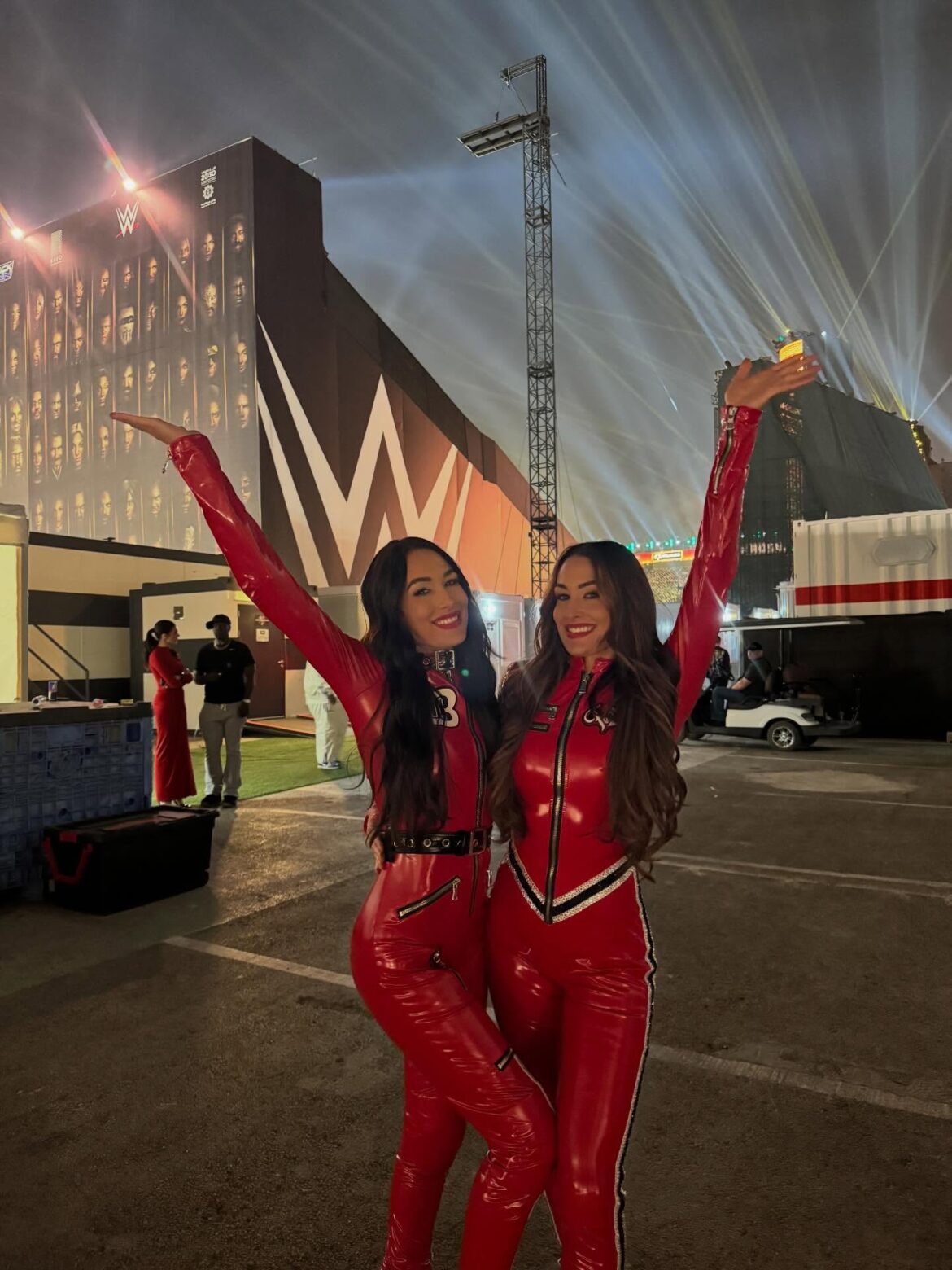
One of the most persistent and intriguing narratives circulating involves World Wrestling Entertainment’s ongoing, highly lucrative partnership with the Kingdom of Saudi Arabia. This multi-year agreement, a cornerstone of WWE’s international business strategy, has seen the company stage colossal events in the region, generating significant revenue and expanding its global footprint. Initially met with controversy, particularly regarding the role of female performers, WWE has progressively integrated women’s wrestling into these shows, showcasing a gradual evolution in cultural acceptance and a commitment to their diverse roster. Now, fresh reports suggest an exciting potential development: the return of beloved figures, specifically the Bella Twins, with a spotlight on Brie Bella, for an upcoming Saudi spectacle.
The prospect of Brie Bella stepping back into a WWE ring, especially on such a high-profile international stage, immediately sparks considerable interest. Brie, along with her twin sister Nikki, carved out an indelible legacy in WWE, transcending the boundaries of professional wrestling through their mainstream appeal, reality television success with "Total Divas" and "Total Bellas," and their eventual induction into the WWE Hall of Fame. Their careers were instrumental in the "Divas Revolution" that ultimately paved the way for the "Women’s Evolution," transforming the perception and presentation of female athletes within the company. A return, even for a single match or appearance, would not merely be a nostalgic moment; it would be a strategic play, leveraging their widespread recognition to draw attention to WWE’s Saudi commitment and showcase the company’s ability to attract top-tier talent, even those who have seemingly transitioned into retirement and motherhood.
For Brie, whose last significant in-ring run concluded several years prior, a comeback would involve considerable preparation, balancing her life as a mother and entrepreneur with the rigorous demands of professional wrestling. The appeal, however, is undeniable: the chance to perform in front of a passionate, often record-breaking Saudi audience, and to add another significant milestone to her illustrious career. While specific details remain elusive, the implication is that her involvement would be more than just a fleeting cameo, perhaps a meaningful contest designed to capture headlines and deliver a memorable performance. The strategic rationale for WWE is clear: the Bella Twins represent a bridge between different eras of women’s wrestling, possessing a unique blend of athleticism, charisma, and a built-in fanbase cultivated over years of television exposure. Their presence would undoubtedly elevate the star power of any Saudi show, demonstrating WWE’s continued investment in making these events grand, unforgettable spectacles on the global stage, further solidifying their position as a major player in international entertainment.
Meanwhile, on the other side of the North American wrestling landscape, All Elite Wrestling continues its relentless pursuit of roster enhancement. Since its inception, AEW has prided itself on assembling a diverse collective of talent, ranging from seasoned veterans and established international stars to burgeoning independent circuit standouts. The company’s philosophy has often involved securing talent whose contracts with other organizations have expired, or those looking for a different creative environment. The recent chatter around "AEW additions" suggests that this aggressive recruitment strategy shows no signs of abating as 2026 progresses. This continuous influx of new faces is vital for AEW, not just for bolstering its competitive depth, but also for maintaining a dynamic and fresh product across its multiple weekly television programs and quarterly pay-per-view events.
AEW’s growth trajectory has been marked by strategic acquisitions that have profoundly impacted the industry, igniting what many observers have dubbed a modern "talent war." The company’s ability to offer compelling creative freedom and substantial contracts has attracted numerous high-profile names, enriching its storylines and elevating its in-ring product. As the promotion matures, the nature of these "additions" becomes increasingly significant. Are they targeting main event-caliber performers to immediately challenge for championships and headline shows? Or are they focusing on strengthening the mid-card and tag team divisions, ensuring a robust foundation for future narratives? The answer likely lies in a combination of both, as AEW aims to cultivate a roster that can withstand injuries, maintain multiple compelling feuds simultaneously, and provide a pipeline for future stars. The company’s consistent effort to bring in fresh talent also serves to keep its existing roster on its toes, fostering a competitive environment where everyone strives to stand out. This proactive approach to talent management is crucial in a landscape where fan expectations for novel matchups and character developments are consistently high, and where the battle for viewership requires constant innovation and star power. The sustained expansion of the AEW roster underscores Tony Khan’s commitment to growing the company and cementing its status as a formidable global entity in professional wrestling.

Shifting from the in-ring action and roster dynamics to the corporate corridors of power, a particularly fascinating and potentially volatile situation is rumored to be brewing within the upper echelons of World Wrestling Entertainment. The alleged "beef" between Paul Levesque, widely known as Triple H, and Dwayne "The Rock" Johnson, two titans who have indelibly shaped the wrestling industry, carries significant implications. Their history is legendary, stretching back to the late 1990s and the Attitude Era, where they engaged in a seminal rivalry that propelled both men to superstardom and helped define an entire generation of professional wrestling. Their clashes, whether for the WWE Championship or simply for bragging rights, were epic, characterized by intense physicality and unparalleled charisma. This storied on-screen animosity, however, may now be finding a new, more corporate arena.
In the years since their active in-ring careers began to wind down, both men have ascended to positions of immense influence. Triple H has meticulously built a formidable career behind the scenes at WWE, evolving from a performer to a key executive. His instrumental role in establishing NXT, WWE’s developmental brand, as a critically acclaimed third brand, showcased his keen eye for talent and his innovative approach to wrestling presentation. Following Vince McMahon’s departure from creative leadership, Levesque assumed the crucial role of Chief Content Officer, directly overseeing all creative aspects of WWE’s programming. This position places him at the very heart of the company’s product, making him responsible for storylines, character development, and the overall narrative direction that fans consume weekly.
Dwayne "The Rock" Johnson, on the other hand, embarked on an unprecedented journey to become one of Hollywood’s most bankable stars, achieving global superstardom far beyond the squared circle. His recent, highly publicized return to WWE in a more consistent capacity, culminating in his appointment to the Board of Directors of TKO Group Holdings – the parent company of WWE and UFC – signifies a profound shift in his involvement. This board position grants him a significant voice in the strategic direction, financial decisions, and overall governance of the entire organization. It is here, within the rarefied atmosphere of corporate power, that the alleged tension with Triple H reportedly manifests.
The nature of this "beef" is open to interpretation. It could stem from differing visions for the creative direction of WWE, with Levesque, as the Chief Content Officer, holding a distinct perspective on the wrestling product, while Johnson, as a board member, might advocate for broader entertainment strategies, cross-promotional opportunities, or specific talent utilization that aligns with his global brand. Alternatively, it might be a more subtle clash of personalities and ambitions. Both men are intensely driven, highly successful individuals with strong opinions and a deep understanding of the wrestling business. When two such powerful figures, each with a legitimate claim to influence and a storied past, find themselves operating in close proximity within a corporate hierarchy, professional disagreements can easily escalate into personal friction.
The implications of such a high-level corporate discord are far-reaching. If a genuine rift exists between Levesque and Johnson, it could subtly or overtly impact creative decisions, talent relations, and even the overall corporate culture of WWE. A unified vision at the top is crucial for any global entertainment enterprise, and any perceived division could lead to internal power struggles, potentially affecting everything from long-term booking plans to major talent acquisitions. Furthermore, given their public personas and shared history, any hint of real-life tension between Triple H and The Rock inevitably sparks speculation among fans about whether this could eventually spill over into a meta-storyline, blurring the lines between reality and the staged drama of professional wrestling, a tactic that has historically proven incredibly effective for WWE. The wrestling world has always thrived on such layered narratives, and the prospect of these two legends engaging in a behind-the-scenes power play, with potential ramifications for the on-screen product, is a compelling storyline in itself.
The tapestry of professional wrestling is always being rewoven, with threads of ambition, financial opportunity, and personal dynamics constantly intersecting. The proposed return of the Bella Twins to a grand Saudi stage underscores WWE’s commitment to leveraging its legacy stars for international expansion, adapting to evolving cultural landscapes, and delivering high-impact global events. Concurrently, AEW’s continuous pursuit of new talent highlights the vibrant competitive spirit within the industry, where roster depth and fresh matchups are paramount for maintaining audience engagement and fostering growth. And perhaps most intriguing of all, the whispered tensions between Triple H and The Rock represent the fascinating convergence of personal histories, corporate power, and the future direction of the world’s largest wrestling promotion. These various threads, though currently unconfirmed and existing in the realm of rumor, collectively paint a vivid picture of a wrestling world that is as dynamic, unpredictable, and endlessly captivating as ever, constantly evolving and keeping its devoted fanbase on the edge of their seats, eagerly awaiting the next major development.