As All Elite Wrestling geared up for its annual "Revolution" pay-per-view in March 2026, the flagship weekly program, "Dynamite," found itself at a curious crossroads. While the anticipation for the major event typically fuels viewer engagement, the broadcast on March 11th presented a mixed bag of data, hinting at evolving audience dynamics and the persistent challenge of maintaining momentum in a competitive landscape. The numbers, meticulously compiled by industry analysts and reported by sources like Wrestlenomics, painted a picture not of outright decline, but of a nuanced shift that warrants closer examination, especially considering recent adjustments to how viewership is measured by established entities like Nielsen.
The broadcast on March 11th, the final installment of "Dynamite" before the high-stakes "Revolution" event, attracted an audience of approximately 619,000 viewers. This figure, while representing a substantial following, also marked a slight dip when compared to the preceding weeks. More critically, the demographic performance, particularly in the coveted 18-49 age bracket, registered a 0.09 rating. This placed "Dynamite" in a competitive position, notably tying for 15th in most-watched cable programs within that key demographic on the night, sharing the space with a significant international sporting event, the World Baseball Classic’s Venezuela vs. Mexico matchup. This comparison, while not entirely unfavorable, underscores the fierce competition for eyeballs on a weekly basis, even from programming outside the wrestling sphere.
Digging deeper into the metrics reveals a more complex narrative. While overall viewership saw a modest 5% decrease from the episode aired on March 3rd, and a comparable 4% reduction over the preceding four-week period, the key demographic performance told a more concerning story. The P18-49 rating experienced a more significant contraction, dropping by a notable 25% when compared to the March 3rd broadcast and the average of the prior four weeks. This trend becomes even more pronounced when viewed through a longer lens. The key demographic ratings for "Dynamite" have seen a substantial decline of 41% from the first quarter of 2025 and a 38% decrease compared to the same period in March 2025. These figures suggest a more profound challenge in retaining and engaging the younger, more coveted audience segment, a demographic crucial for long-term growth and market penetration. This sustained erosion in the key demo is a significant concern for any promotion aiming to solidify its position as a major player in the entertainment industry.
Beyond the television screen, the tangible barometer of live event attendance also presented a less than ideal picture for the March 11th broadcast, which emanated from San Jose. Data compiled by WrestleTix indicated that approximately 2,402 tickets were sold for the event. This figure falls short of the current year’s first-quarter average of around 3,100 tickets per show. Furthermore, it represents a decline from the first quarter of 2025, when the average ticket sales per show hovered closer to 2,700. While a live audience is an undeniable component of the wrestling spectacle, and AEW has historically enjoyed strong ticket sales, this particular stop on the "Dynamite" tour suggests a potential need for re-evaluation of market strategies or perhaps a saturation point being reached in certain territories. The energy and atmosphere of a live crowd are invaluable, and a dip in attendance, even if not catastrophic, can impact the overall perception and presentation of the show.
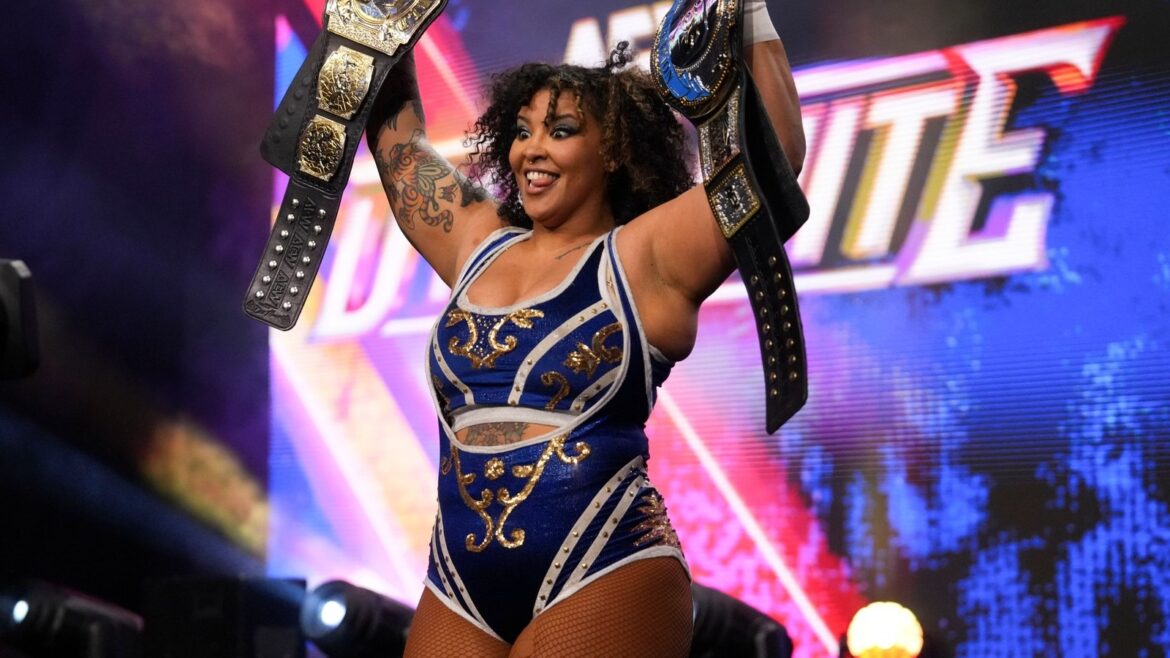
Despite these viewership and attendance figures, the March 11th edition of "Dynamite" was by no means a lackluster offering in terms of in-ring action and narrative progression. The broadcast featured crucial championship encounters, underscoring the stakes leading into "Revolution." Willow Nightingale successfully defended her AEW TBS Championship, a testament to her growing presence and appeal within the women’s division. Concurrently, Kyle Fletcher retained his AEW TNT Championship, further cementing his reign as a dominant force on the men’s side. These title defenses served their purpose in building anticipation for the upcoming pay-per-view, showcasing the talent and the significance of the championships within the AEW ecosystem.

The show’s narrative climax, however, was arguably the intense confrontation between MJF and "Hangman" Adam Page. The pre-"Revolution" press conference segment culminated in a heated brawl, a fittingly explosive conclusion that served to amplify the already simmering animosity between these two prominent figures. This segment was designed to be a pivotal moment, a final, visceral push to sell the marquee match on the pay-per-view card. The raw emotion and physical confrontation between MJF and Page highlighted the personal stakes involved in their feud, aiming to resonate deeply with the audience and drive last-minute interest in the "Revolution" main event. Such dramatic interludes are a cornerstone of professional wrestling storytelling, designed to create memorable moments and leave fans clamoring for resolution.
The performance of "Dynamite" on March 11th, when viewed in the context of Nielsen’s recent methodological overhaul, adds another layer of complexity. While these adjustments were intended to provide a more accurate reflection of viewership, the continued downward trend in key demographic ratings suggests that underlying factors are at play. The wrestling landscape is a constantly evolving ecosystem, with multiple promotions vying for audience attention. Factors such as the quality of ongoing storylines, the emergence of new stars, the perceived value proposition of weekly programming versus major events, and even broader societal trends in media consumption can all influence viewership.
For AEW, a promotion that burst onto the scene with a clear mission to challenge the established order and offer a distinct alternative, maintaining a consistent and growing audience is paramount. The data from March 11th, while not signaling an immediate crisis, does serve as a crucial data point. It highlights the ongoing challenge of connecting with and retaining a core viewership, particularly within the demographic that advertisers most highly value. The promotion’s creative team and executive leadership will undoubtedly be scrutinizing these numbers, seeking to understand the drivers behind the trends and to devise strategies to reinvigorate audience engagement.
The upcoming "Revolution" pay-per-view, with its highly anticipated matches and the potential for significant storyline developments, offers AEW a critical opportunity to reverse these trends. A strong showing at "Revolution," both in terms of match quality and fan reception, could translate into renewed interest in the weekly product. Conversely, a less impactful event might exacerbate existing concerns. The interplay between weekly television and major pay-per-views is a delicate dance, where each element is expected to bolster the other.
Looking back at AEW’s trajectory since its inception, the promotion has achieved remarkable success in carving out a significant niche in the wrestling world. They have cultivated a passionate fanbase and have consistently delivered high-quality in-ring action. However, the dynamic nature of the entertainment industry demands constant adaptation and innovation. The metrics from March 11th are not necessarily a death knell, but rather a call to introspection. They serve as a reminder that even a popular and critically acclaimed product must continually strive to connect with its audience on a deeper level and adapt to the ever-changing media consumption habits of the modern viewer. The coming months will be telling as AEW navigates these viewership challenges and aims to build towards future success, all while continuing to deliver the captivating wrestling that fans have come to expect. The question remains: can AEW recapture the momentum and expand its reach, or will these trends continue to shape its audience landscape? Only time, and of course, the ratings, will tell.