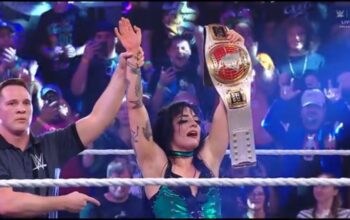
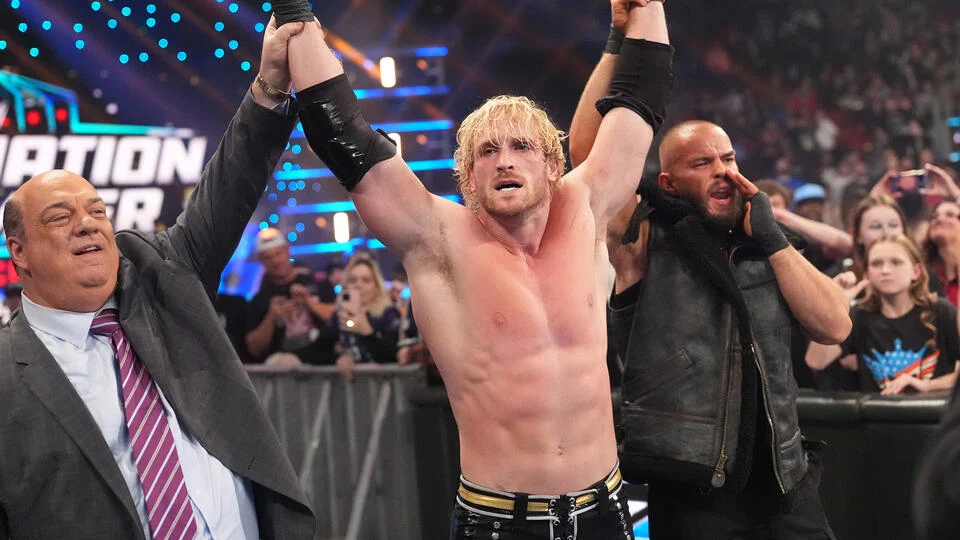
The recent broadcast of WWE SmackDown on the USA Network marked a significant upswing in viewership, drawing an audience of 1.379 million viewers. This represents a substantial increase of 23.9% compared to the previous week’s airing on SyFy, signaling a positive reception to the show’s return to its established network home. This surge in viewership places the latest SmackDown episode as the second most-watched installment since early September of the preceding year, a testament to the enduring appeal of the blue brand and the impact of its network placement. The program also garnered a 0.34 rating in the coveted 18-49 demographic, an improvement of 17.2% from the prior week. This rating ties SmackDown for its second-highest performance in this key demographic since mid-September. Notably, despite facing direct competition from a highly-rated NBA game on ESPN, SmackDown managed to secure the second position in cable ratings for the 18-49 demographic and ranked fifth overall across all of television for the night.
This resurgence in viewership and demographic performance is particularly noteworthy when considered against the broader landscape of professional wrestling television. For years, WWE SmackDown has been a cornerstone of Friday night entertainment, cultivating a loyal fanbase and establishing a consistent presence in the television ratings. Its recent move back to the USA Network, a channel with which it has a long and successful history, appears to have resonated with viewers. This familiarity likely played a crucial role in the increased numbers. The USA Network has been a long-term broadcast partner for WWE, hosting SmackDown for a significant period before its temporary relocation. This established relationship implies a pre-existing audience base that is accustomed to tuning into SmackDown on that particular platform. The return to this familiar broadcast environment can be seen as a strategic move that leverages existing viewer habits and preferences, effectively drawing back those who may have found it less convenient or engaging on SyFy.
The wrestling world, and particularly the business side of WWE, meticulously tracks viewership data. These numbers are not merely statistics; they are indicators of the product’s health, the effectiveness of creative storylines, and the overall appeal of the roster. For SmackDown, the recent ratings figures suggest a positive momentum. The increase from 1.379 million viewers to 1.459 million in the week prior, and then a slight dip to 1.379 million again, showcases a dynamic but generally upward trend in recent weeks. When comparing the latest episode to the ten-week average of 1.108 million viewers, the improvement is stark, with an increase of approximately 24.4% in overall viewership. Similarly, the 18-49 demographic has seen a significant boost, with the latest episode at 0.34, a substantial jump from the ten-week average of 0.26, representing a 30.8% increase. These figures suggest that the current creative direction, combined with the return to the USA Network, is effectively capturing and retaining the attention of a broad audience, including the crucial younger demographic that advertisers highly covet.
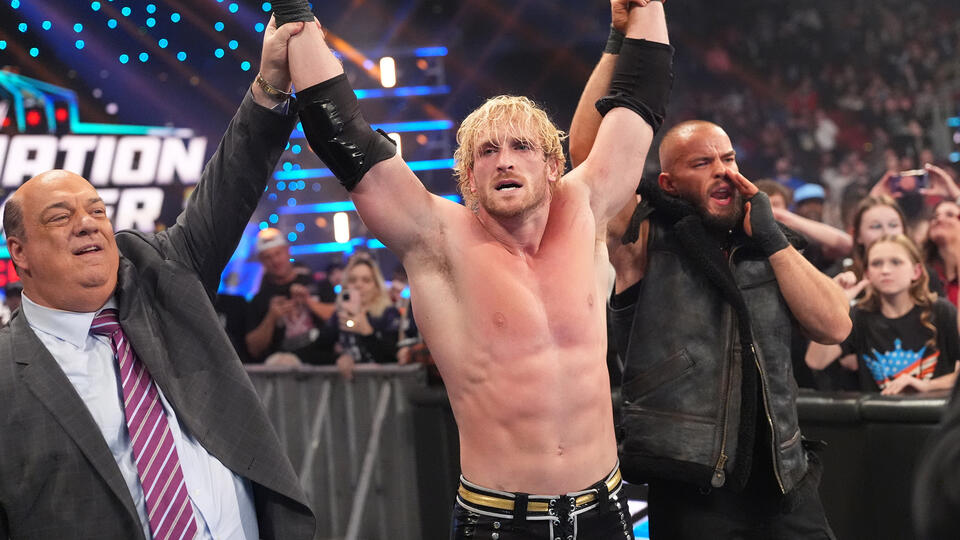
However, it is also important to contextualize these numbers within a longer timeframe. While the recent week-to-week gains are impressive, a year-over-year comparison reveals a different story. The most recent broadcast, with its 1.379 million viewers, is down 20.3% compared to the same week in the previous year. Similarly, the 18-49 rating is down 36.4% year-over-year. This disparity highlights the evolving media consumption habits and the competitive television landscape that WWE, like all programming, must navigate. The decline in year-over-year numbers could be attributed to a multitude of factors, including the overall fragmentation of viewership, the rise of streaming services, and potentially shifts in the wrestling fan base’s viewing preferences. Nevertheless, the immediate uptick following the return to the USA Network provides a strong foundation for future growth and suggests that the network switch was a positive catalyst.
The success of any wrestling show is intrinsically linked to the quality of its in-ring product and the compelling nature of its storylines. SmackDown, often referred to as the "blue brand," has a rich history of delivering memorable matches and captivating narratives. The show’s ability to consistently feature top-tier talent, such as Roman Reigns, Cody Rhodes, and a host of other established and emerging stars, is a key driver of its viewership. When these performers are engaged in high-stakes feuds, vying for prestigious championships like the Undisputed WWE Universal Championship or the Intercontinental Championship, the audience’s investment naturally increases. The return to the USA Network likely amplified the impact of these ongoing sagas, allowing them to reach a broader and potentially more engaged audience.
The competitive nature of Friday night television cannot be overstated. As mentioned, SmackDown was up against significant competition, including an NBA game that dominated the cable charts. The fact that SmackDown not only held its own but also secured a strong second-place finish in the 18-49 demographic is a testament to the power of WWE’s brand and its ability to draw a dedicated viewership. This demographic is particularly valuable to advertisers, as it represents a core consumer base. The consistent performance in this category indicates that SmackDown is not just attracting casual viewers but also a significant segment of the younger, more commercially attractive audience. This is a crucial metric for the network and for WWE’s long-term financial viability.
Looking at the detailed breakdown of viewership figures over the past eleven weeks provides a clearer picture of SmackDown’s performance trajectory. The fluctuations are typical for weekly television, influenced by factors such as opponent programming, major news events, and the specific storylines being presented. However, the recent trend, particularly the significant jump coinciding with the return to the USA Network, is a cause for optimism. The week of February 6th, 2026, stands out with a strong 1.459 million viewers, followed by a slight dip and then the most recent impressive outing. The ten-week average serves as a baseline, and the current performance significantly surpasses it, indicating a positive shift in momentum. This sustained increase, rather than a one-off spike, is what truly signifies a healthy and growing audience.

The strategic decision to return SmackDown to the USA Network was not made in a vacuum. It was likely the result of extensive negotiation and a shared understanding between WWE and the network of the brand’s value. For the USA Network, SmackDown represents a significant draw for their Friday night programming, offering consistent ratings and a dedicated audience. For WWE, it means a return to a familiar and successful broadcast partner, which can facilitate better promotional efforts and a more integrated viewing experience for their fanbase. The synergy between the two entities is crucial for maximizing viewership and capitalizing on the brand’s strengths.
Furthermore, the content of SmackDown itself plays a pivotal role. The show’s ability to balance high-octane wrestling action with compelling character development and overarching narratives is what keeps viewers tuning in week after week. Whether it’s the ongoing saga of a top champion defending their title against a determined challenger, the emergence of new stars vying for recognition, or the intricate rivalries that unfold, SmackDown has consistently delivered a product that resonates with its audience. The current roster, brimming with talent across all divisions, provides ample opportunities for engaging storylines and exciting matches, which are the lifeblood of professional wrestling.
The broader context of the wrestling industry also influences these numbers. WWE is the undisputed leader in professional wrestling, and its flagship shows like SmackDown command a significant portion of the wrestling viewership pie. However, the landscape is becoming increasingly competitive, with other promotions vying for attention. In this environment, maintaining strong viewership numbers is not just about being the best, but also about consistently delivering a product that appeals to a broad audience and effectively leveraging its broadcast platforms. The recent ratings success for SmackDown suggests that WWE is adept at navigating this competitive terrain and capitalizing on strategic opportunities.
In conclusion, the recent surge in viewership for WWE SmackDown on the USA Network is a compelling development that highlights the power of strategic network placement and the enduring appeal of the brand. While year-over-year comparisons offer a broader perspective on the evolving media landscape, the immediate week-to-week gains and the significant improvement over recent averages underscore the positive impact of SmackDown’s return to its familiar broadcast home. Coupled with a strong roster and compelling storylines, this resurgence positions SmackDown for continued success and reinforces its status as a premier entertainment product on Friday nights. The numbers indicate a revitalized engagement from the audience, suggesting that the blue brand is firmly on an upward trajectory.