The vibrant tapestry of professional wrestling is in a perpetual state of flux, a dynamic arena where legends collide with burgeoning stars, and the whispers of backstage intrigue often dictate the narratives unfolding before millions. As we navigate the early spring of 2026, the air is thick with anticipation, propelled by a series of compelling developments that promise to reshape the hierarchy and direction of the industry’s biggest promotions. From the potential resurgence of a colossal rivalry to the ascendancy of promising female talent and the challenging reality faced by those struggling to connect, the rumor mill is churning with tales that could define the next chapter of sports entertainment. This era, much like any before it, is a testament to wrestling’s enduring appeal: a blend of athletic prowess, theatrical storytelling, and the ever-present, captivating unpredictability of its inner workings.
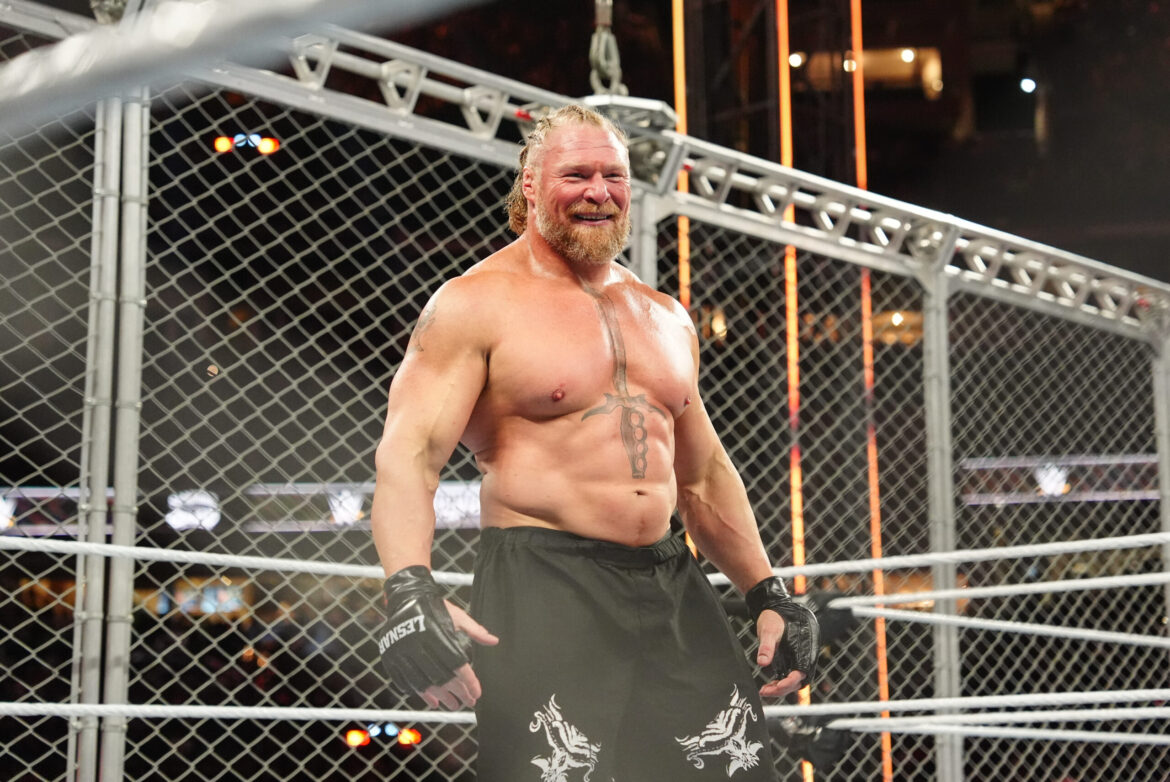
One of the most colossal and intriguing prospects currently circulating involves a potential clash of titans: Brock Lesnar and Omos. The sheer physicality of such an encounter immediately ignites the imagination, pitting the unstoppable force of "The Beast Incarnate" against the immovable object that is "The Nigerian Giant." While official confirmation remains elusive as of March 12, 2026, the notion of these two behemoths locking horns has captivated the wrestling community, prompting fervent speculation about its implications for both men and the broader landscape of the industry. Lesnar, a figure synonymous with dominance and legitimate combat sports pedigree, has carved out a unique niche as a part-time attraction whose appearances are always treated as major events. His track record speaks for itself, boasting multiple world championships across various promotions and a history of dismantling opponents with brutal efficiency. His aura is unmatched, a genuine spectacle every time he steps through the ropes, and his presence alone elevates any match to a premium live event caliber.
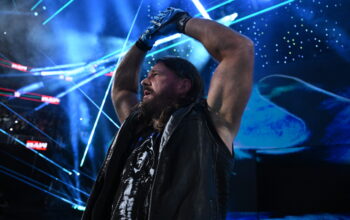
Omos, on the other hand, represents a different kind of challenge and opportunity. Standing at an astounding 7 feet 3 inches, he possesses a physical presence that harks back to the golden age of wrestling giants like Andre the Giant or The Big Show. Since his debut, Omos has been presented as an almost insurmountable force, often requiring multiple opponents to even stand a chance against him. While his initial run saw him paired with seasoned veterans like AJ Styles and later MVP, helping to refine his character and ring psychology, the focus has always been on showcasing his unparalleled size and power. A program with Lesnar would undoubtedly be the most significant test and spotlight of Omos’s career to date. It would serve as a litmus test for his ability to perform at the highest level, against a legitimate main event draw, and could be the definitive moment that either solidifies his position as a perennial monster heel or exposes any remaining vulnerabilities in his presentation. The narrative writes itself: Lesnar, the conqueror of giants and champions, facing perhaps the largest physical challenge of his career, while Omos aims to prove that even "The Beast" can be tamed by sheer, overwhelming magnitude. Such a match, ideally slated for a grand stage like WrestleMania, would be a spectacle of raw power and a fascinating study in contrasting wrestling styles – Lesnar’s explosive, ground-and-pound offense against Omos’s more deliberate, crushing attacks.
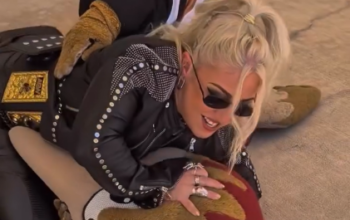
Shifting gears from the established giants, the women’s division continues to evolve with a fresh wave of talent vying for top honors. Among the most talked-about names is Tiffany Stratton, whose ascent has been nothing short of meteoric. The rumors swirling around her suggest a significant title opportunity is on the horizon, a testament to her rapid development and undeniable charisma since transitioning from NXT to the main roster. Stratton, with her "Daddy’s Little Rich Girl" persona, which she executes with both conviction and an endearing level of self-awareness, has resonated strongly with audiences. Her signature "Tiffy Time" catchphrase and unique entrance complete with a gymnastics floor routine have made her an instant standout. Beyond the aesthetics, Stratton possesses a remarkable athletic ability honed through years of competitive gymnastics, allowing her to perform a diverse array of maneuvers that belie her relatively short time in professional wrestling. Her in-ring style is crisp, dynamic, and visually engaging, making her matches consistently entertaining.
Since her call-up, Stratton has steadily climbed the ranks, demonstrating a consistent improvement in her character work and storytelling within the squared circle. Her ability to elicit strong reactions, whether cheers or boos, marks her as a natural performer. A potential title shot in March 2026 indicates that the creative team sees her as a legitimate future cornerstone of the women’s division, ready to challenge for either the Women’s World Championship on Raw or the WWE Women’s Championship on SmackDown. To earn such an opportunity, one can imagine a scenario where Stratton has been building momentum through a series of impressive victories, perhaps even overcoming former champions or other top contenders in high-profile bouts. Her character, with its inherent arrogance and self-belief, makes her a compelling challenger, capable of generating significant heat against a babyface champion or earning admiration as a cocky but talented contender. The timing seems right for Stratton to step into the championship picture, as the women’s division benefits immensely from new blood and fresh rivalries. Her presence at the top would inject a youthful, energetic dynamic, potentially leading to captivating feuds and memorable championship reigns. It’s a clear signal that the company is investing in her as a future headliner, recognizing her unique blend of athleticism, confidence, and marketability as key ingredients for success.

However, not every talent finds the same immediate success or consistent upward trajectory in the demanding world of professional wrestling. For every rising star like Tiffany Stratton, there are others who, despite their potential, struggle to find their footing, leading to the unfortunate label of a "flop." The name Ricky Saints has recently surfaced in this context, with whispers suggesting that his run in the company hasn’t met the initial expectations placed upon him. The journey of a professional wrestler is often fraught with challenges, and while some are destined for immediate main event status, many others face a more arduous path, battling for screen time, character development, and audience connection. A "flop" in wrestling isn’t necessarily a reflection of a performer’s lack of talent or effort, but rather a complex interplay of booking decisions, character presentation, timing, and the elusive chemistry with the live audience.
One can speculate on numerous factors that might contribute to a talent like Ricky Saints struggling to gain traction. Perhaps his initial character concept failed to resonate, leading to confusing or inconsistent creative direction. A wrestler might be given a strong push out of the gate, only to have it abruptly halted, leaving them in creative limbo. In-ring style can also play a crucial role; while some performers are naturally charismatic, others rely heavily on their athleticism and technical prowess, which may not always be enough to captivate a mass audience without a compelling narrative. Promo skills are another critical component; the ability to connect with fans through spoken word, to articulate one’s motivations and build anticipation for a match, is often as important as the performance inside the ring. If Ricky Saints has struggled in any of these areas, or if he’s simply been a victim of stop-start booking that prevents any meaningful momentum from building, it could explain why he’s currently perceived as underperforming. The wrestling industry is also notoriously competitive, with a constantly rotating roster of talent all vying for limited spots at the top. Even a talented individual can get lost in the shuffle if they don’t possess that intangible "it" factor or if the creative team simply hasn’t found the right vehicle for their abilities. The pressure to succeed in such a high-stakes environment can be immense, and it’s not uncommon for performers to experience periods of creative frustration or difficulty in connecting with the audience. The challenge for Ricky Saints, and for the creative minds behind him, would be to identify the root cause of the perceived stagnation and formulate a plan for a course correction. This could involve a complete character overhaul, a temporary return to the developmental system to refine his craft, or even a strategic partnership with a seasoned manager who can speak on his behalf and guide his trajectory. The story of Ricky Saints serves as a poignant reminder that even with the best intentions, success in professional wrestling is never guaranteed, and the path to stardom is often paved with unforeseen obstacles.
The landscape of professional wrestling in March 2026 is a microcosm of the industry’s enduring appeal: a constant ebb and flow of power, potential, and performance. The prospect of Brock Lesnar clashing with Omos represents the monumental drawing power of established mega-stars and the ongoing effort to cultivate new, formidable attractions. It’s a classic narrative of strength against strength, designed to deliver a spectacle that transcends typical wrestling matches. Such a booking decision would be strategic, aimed at maximizing viewership for a major event while simultaneously attempting to elevate Omos to a new tier of credibility by putting him in the ring with the most dominant force of the modern era. The outcomes of such high-profile encounters often have ripple effects throughout the entire roster, influencing future storylines and championship pursuits. If Omos were to hold his own, or even achieve a surprising victory, it would immediately solidify his standing as a top-tier threat. Conversely, a decisive Lesnar victory would further cement his legendary status, demonstrating his unparalleled ability to overcome any challenge, no matter how physically imposing.
Meanwhile, the rapid ascent of Tiffany Stratton underscores the promotion’s commitment to nurturing homegrown talent and investing in the future of its women’s division. Her journey from NXT standout to a rumored main roster title contender illustrates a successful developmental pipeline and a keen eye for performers who possess both athletic gifts and the theatrical flair necessary for sports entertainment. Stratton’s unique character and dynamic in-ring style position her as a key figure for years to come, promising fresh rivalries and compelling championship narratives. Her potential championship reign could usher in a new era of "Tiffy Time" at the forefront of the women’s roster, injecting a vibrant, contemporary energy into the division. Her success would also inspire other developmental talents, demonstrating that hard work, charisma, and a distinct identity can indeed lead to rapid advancement in a highly competitive field.
Conversely, the reported struggles of Ricky Saints highlight the harsh realities and inherent unpredictability of breaking through in professional wrestling. The journey to superstardom is rarely linear, and many talented individuals find themselves navigating creative challenges, audience disengagement, or simply falling victim to circumstances beyond their control. His situation serves as a stark reminder that while the lights are bright and the stage is grand, sustained success requires a perfect storm of talent, timing, booking, and an almost indescribable connection with the fanbase. The wrestling world is a meritocracy to a certain extent, but it’s also a business built on character, storytelling, and the ability to capture the collective imagination. For talents like Saints, the path forward often involves introspection, reinvention, and a renewed effort to find that elusive spark that ignites a connection with the audience. The company, too, has a role to play in recognizing and re-evaluating talent that may be struggling, potentially offering opportunities for character shifts or developmental stints to refine their presentation.
As March 2026 continues to unfold, these narratives – the clash of titans, the rise of a new star, and the struggle for relevance – paint a vivid picture of the professional wrestling landscape. It is a world where legacies are forged and challenged, where new heroes and villains emerge, and where the constant pursuit of compelling storytelling drives every decision. The speculative nature of these developments only adds to the allure, drawing fans deeper into the intricate dance between reality and kayfabe, eagerly anticipating how these rumors will ultimately translate into the captivating drama that unfolds weekly on our screens and monthly at major events. The business of professional wrestling thrives on such speculation, as it allows fans to feel intimately connected to the creative process, to debate and anticipate, and to ultimately bear witness to the ever-evolving saga that is sports entertainment. The coming months promise to be a pivotal period, shaping the careers of these individuals and defining the direction of the industry for the foreseeable future.