The March 12th installment of TNA Impact delivered a weeknight of wrestling that, by many accounts, felt more focused and action-packed than some of its recent predecessors. The show eschewed the often-criticized tendency for lengthy, meandering segments in favor of a more robust match card, featuring six contests and tighter, more impactful promos. While no championships were on the line, this episode served as a crucial stepping stone towards the upcoming TNA Sacrifice pay-per-view, notably dedicating significant airtime to the burgeoning rivalry for the TNA World Championship between Mike Santana and the determined Steve Maclin. The broadcast also marked the return of Mustafa Ali to the Impact Zone following his recent defeat, showcased the debut of European independent wrestling standout Ricky Sosa, and culminated in a heated Street Fight main event pitting Moose against Cedric Alexander. Adding to the returning talent, Allie made her long-awaited appearance on television, making this a particularly eventful Thursday for TNA programming. This review delves into the specific elements that resonated positively and those that fell short of expectations, offering a nuanced perspective on the week’s proceedings.
One significant area where TNA Impact continues to struggle is in the construction of compelling, week-to-week narratives that genuinely hook viewers and compel them to tune in the following week. While the promotion consistently features its established stars like AJ Francis, Elijah, The Elegance Brand, Moose, and the formidable faction known as The System, and builds towards marquee matchups, the overarching storytelling often lacks a cohesive and driving force. The current approach feels more akin to a series of disconnected events rather than a carefully woven saga. This leaves the viewer with a sense of déjà vu, as familiar patterns emerge without the necessary narrative urgency to make them feel fresh or significant. For instance, the storyline involving Steve Maclin’s controversial reinstatement after being “fired” only to immediately challenge Mike Santana for the TNA World Championship echoes past narrative arcs, lacking a distinct spark. Similarly, the ongoing pursuit of the Knockouts Championship by Indi Hartwell against the reigning champion Arianna Grace, while promising in its own right, can feel like a predictable progression rather than a thrilling ascent. The main event featuring Moose and Cedric Alexander, framed within The System’s ongoing power plays, felt particularly derivative, almost like a retread of storylines previously explored in other major wrestling promotions, failing to offer a novel or engaging twist. This persistent lack of a compelling hook, a reason for the audience to invest their time and emotions week after week, is a considerable detractor. Even when matches deliver in-ring quality, their impact can feel diminished if the context and stakes are not clearly defined or if the narrative momentum falters. With a roster boasting talent like Mustafa Ali, Nic Nemeth, and the electrifying Leon Slater, there exists ample potential to inject genuine excitement into the World Championship picture, perhaps by positioning them as credible contenders or disruptors to Santana’s reign. However, the current presentation leaves these opportunities feeling underdeveloped, with the overall product often appearing disconnected and, at times, haphazard in its execution. The hope remains that future episodes will foster a more dynamic and engaging storytelling environment, providing viewers with a clear incentive to anticipate what comes next.
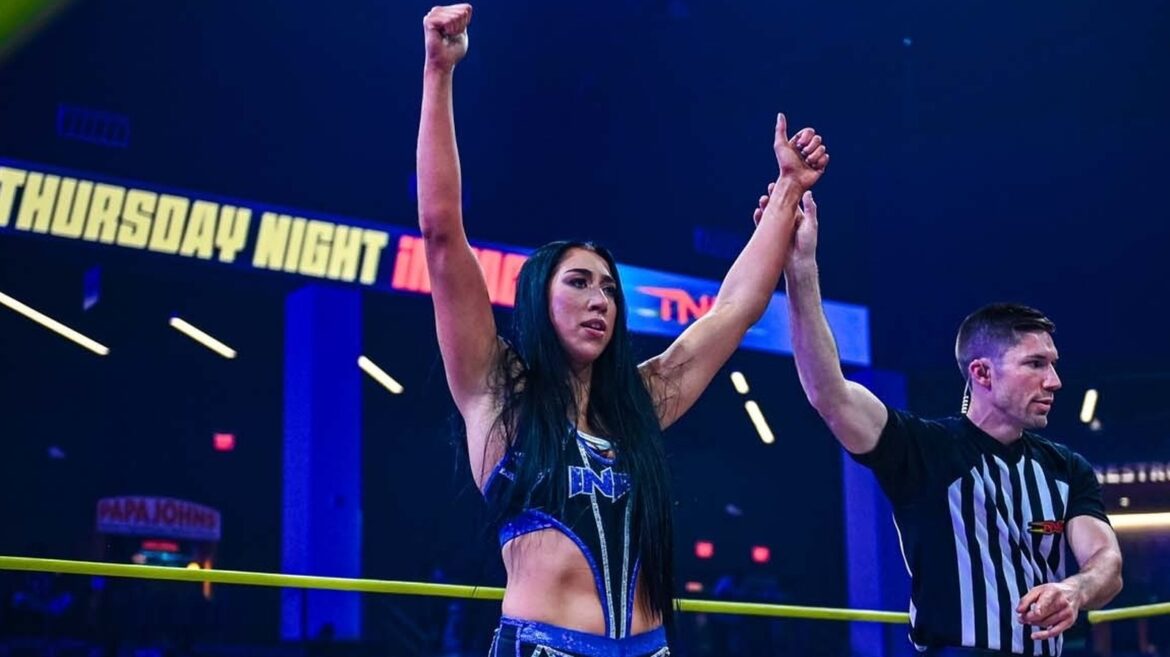
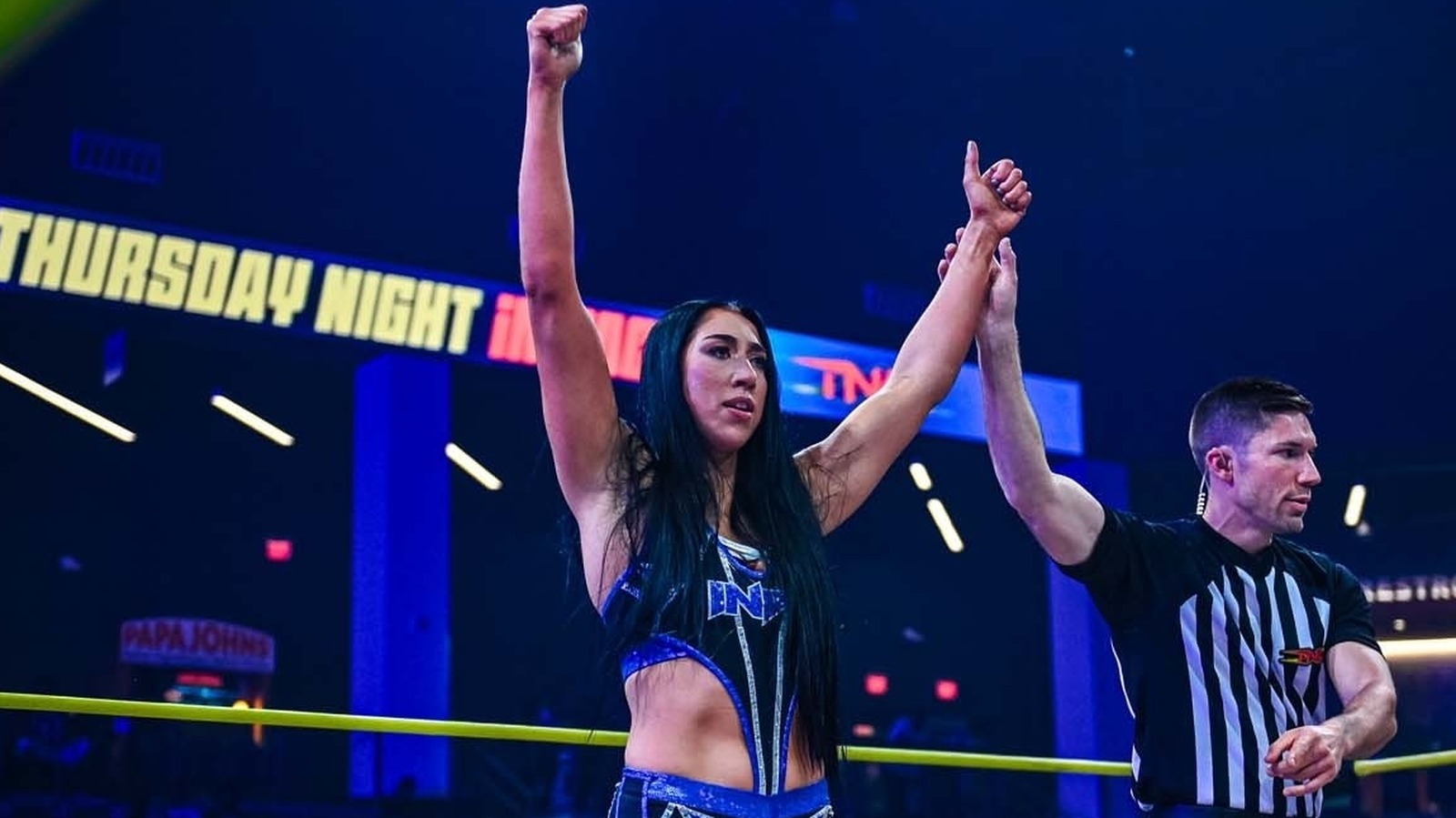
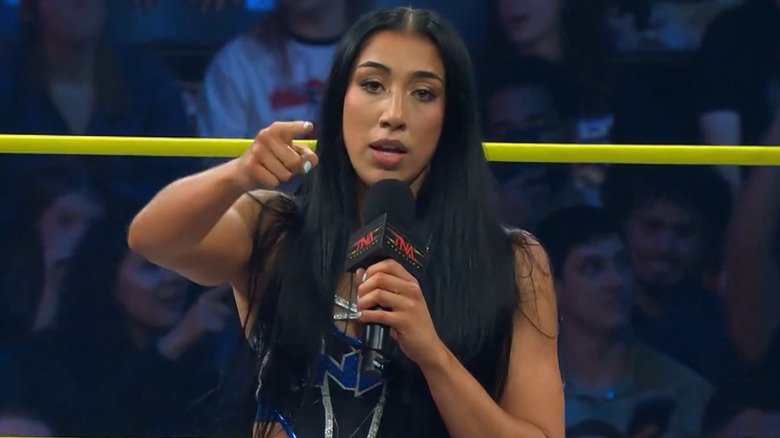
In contrast to the broader narrative shortcomings, the burgeoning challenge for the TNA Knockouts Championship presented a welcome glimmer of excitement. The uncertainty surrounding the division’s top prize, fueled by multiple contenders expressing their ambition, has injected a much-needed sense of unpredictability and anticipation. Indi Hartwell’s segment, in particular, served as a powerful statement of intent. Following a swift victory over independent talent Kelsey Heather, Hartwell seized the microphone and delivered a passionate promo, articulating her singular focus on capturing the Knockouts World Championship. She emphatically declared that her arrival in TNA was not for casual competition but for the ultimate prize, asserting that Arianna Grace, the current champion and daughter of TNA Director of Authority Santino Marella, was operating on a significantly lower level than herself. While the assertion of Hartwell’s superiority over Grace is subjective, the conviction with which Hartwell delivered her message was undeniable. Her confidence appeared to have grown substantially since her last bid for the championship at Bound for Glory in October. As a viewer, it was easy to believe in Hartwell’s conviction and her pursuit of the coveted Knockouts Title. This vocal and determined challenge has firmly placed Hartwell on the radar, and her promise to "kick down the doors" and claim the championship resonated as a compelling narrative thread. The prospect of Hartwell pushing the division and potentially unseating the reigning champion adds a dynamic layer to the women’s division, offering a concrete and exciting storyline to follow.
The current match structure on TNA Impact, while often featuring solid in-ring action, could benefit from a greater emphasis on matches that carry immediate stakes and future implications. While the opening contest between the TNA World Tag Team Champions, The Hardys, and the formidable duo of Sinner & Saint was an excellent exhibition of tag team wrestling, it also highlighted a missed opportunity. The promotion frequently hosts non-title matches, which, while entertaining, often lack the narrative weight of contests with direct consequences for future championship opportunities. The concept of "eliminator matches," popularized by other wrestling organizations, could be a valuable addition to TNA’s programming. These matches clearly establish a clear contender or a pathway to a title shot, providing a tangible reward for victory and a clear objective for the participants. Even though The Hardys’ next challengers have been announced as Brian Myers and Bear Bronson of The System, a match like the one involving Sinner & Saint could have served as a strong eliminator bout, positioning them as credible future challengers. While TNA does hold number one contender matches, the introduction of eliminator matches could offer a more consistent and engaging method of building up challengers across all divisions. Following The Hardys’ clash with The System, the question of who is next in line for a shot at the tag team titles arises. TNA boasts a wealth of talented tag teams, and the implementation of eliminator matches could provide a structured and exciting way for these teams to vie for recognition and opportunities, especially in the wake of recent multiple-title challenges. This approach would not only benefit the men’s tag team division but could be applied to all championship pursuits within TNA, adding a layer of strategic competition and fan investment to every match.
The TNA World Championship picture has been significantly amplified with the introduction of Steve Maclin’s "Mr. Mayhem" persona, a development that promises an intense confrontation at TNA Sacrifice. The evolution of Maclin’s character, from his initial defiance after being fired to his current embrace of a more aggressive, almost vengeful alter-ego, has added a compelling layer to his feud with champion Mike Santana. The promo delivered by Maclin was particularly effective in its psychological warfare, targeting Santana’s perceived reliance on fan sympathy and his past struggles with addiction. Maclin’s assertion that "The Realest" (referring to Santana) draws weakness from pity, while a harsh assessment, raises a thought-provoking question about the audience’s perception of Santana’s journey. It forces a consideration of whether the outpouring of support for Santana stems from genuine admiration for his resilience or from a sense of commiseration due to his past challenges. This nuanced approach to character motivation and audience perception adds depth to the rivalry. The anticipation for the eventual clash between Maclin’s menacing persona and Santana’s fighting spirit is palpable. While the partnership between TNA and WWE may impose certain restrictions on the level of explicit violence permitted in matches, the narrative suggests a desire for a visceral, hard-hitting encounter. The prospect of these two competitors pushing each other to their absolute limits, "sacrificing" themselves for the entertainment of the audience, creates a fervent anticipation for their upcoming showdown at Sacrifice.
Despite the intriguing development of Steve Maclin’s character, the overall build-up to his TNA World Championship match against Mike Santana has been notably lackluster. While the feud has been a focal point in recent weeks, its progression has lacked the necessary narrative thrust to generate significant excitement. Maclin’s persistent presence on Impact programming after his supposed dismissal, followed by his reinstatement and the subsequent booking of the title match for TNA Sacrifice, has followed a predictable path without offering any compelling hooks or surprises. The segment on the March 12th episode, where Maclin offered a staged apology to commentator Tom Hannifan before engaging in a verbal sparring match with Santana, felt like a pale imitation of more impactful wrestling promos. Maclin’s decision to bring up Santana’s deceased father, while an attempt at extreme provocation, echoed similar controversial tactics employed in recent WWE programming, diminishing its originality and impact. This lack of creative direction extends beyond this specific feud. The broader landscape of TNA’s top-tier championship picture appears somewhat thin, raising questions about the long-term viability of the division and the depth of credible challengers awaiting the eventual winner. While Frankie Kazarian remains a presence, the overall impression is that TNA needs to cultivate a stronger roster of main event contenders to ensure sustained fan engagement and to make the product truly captivating on a regular basis.
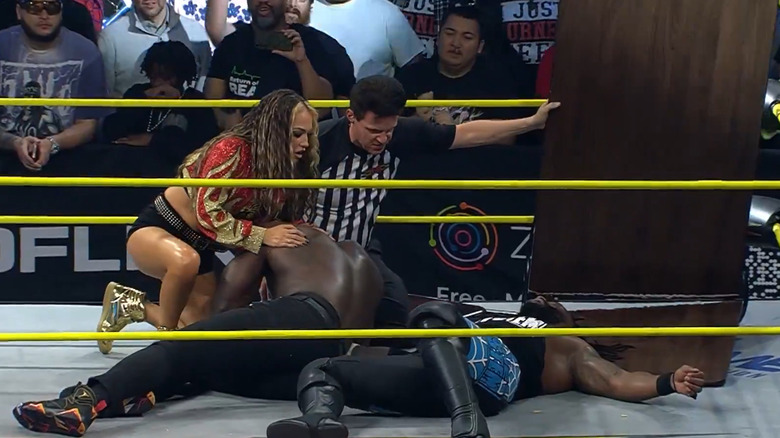
On a more positive note, the six-man tag team match that featured members of Order 4 and BDE alongside Rich Swann and Trey Miguel proved to be a highlight of the evening. This particular contest showcased the kind of exciting, high-flying action and intense, yet ultimately feel-good, babyface victory that resonates strongly with wrestling fans. The backstage confrontation that initially set up the match was brief, but the contest itself transcended its simple origins, delivering a dynamic and engaging performance. The inclusion of Tasha Steelz and Jada Stone in the proceedings was also a welcome touch. While Stone’s eventual appearance was somewhat expected given the recent tensions between the two women, seeing them involved in the match provided them with a moment to shine and furthered their ongoing storyline without overshadowing the primary action. This added layer of personal conflict elevated the match, making it more captivating without resorting to interference or disqualification finishes. It was a well-executed segment that demonstrated TNA’s ability to craft enjoyable and impactful matches, even when the overarching narrative structure may falter. The blend of established stars and emerging talents in a well-choreographed tag team bout underscored the potential for exciting moments within the TNA roster.