The world of professional wrestling and its allied combat sports is a constantly evolving tapestry, woven with intricate storylines, high-stakes athletic contests, and significant business maneuvers that continually reshape the landscape. From the grand spectacle of WWE’s annual flagship event to the strategic global expansion of emerging promotions and the ever-growing mainstream appeal of mixed martial arts and boxing, the industry finds itself at a pivotal juncture. The discussions reverberating through locker rooms, boardrooms, and fan forums alike center on the fluidity of creative plans, the impact of international market penetration, and the intriguing crossover appeal that now defines the broader combat sports ecosystem. This vibrant period is marked by an exciting blend of tradition and innovation, where established giants contend with ambitious challengers, and the quest for supremacy extends far beyond the squared circle into the digital realm and the global consciousness.
At the pinnacle of this dynamic environment sits WrestleMania, the undisputed tentpole event for World Wrestling Entertainment, an annual extravaganza that consistently captivates millions worldwide. The road to WrestleMania is inherently a period of intense speculation, with creative directions often shifting as the event draws nearer. Behind-the-scenes, discussions regarding the main event picture are a constant, intricate dance, influenced by everything from fan reception and superstar availability to long-term narrative objectives. This year, particular attention has been paid to the evolving plans for WrestleMania 42, a testament to the meticulous planning and strategic adjustments required to deliver a truly unforgettable show. The very nature of professional wrestling dictates that storylines must adapt, and the main event, the crowning jewel of any WrestleMania, is no exception. Early creative blueprints are often subject to revision, reflecting a dynamic environment where the journey to the grandest stage of them all is rarely a straight line, ensuring that the final card often holds surprises for even the most ardent followers.
Central to the WrestleMania buzz has been the compelling narrative surrounding Cody Rhodes and Randy Orton, a potential matchup steeped in history and emotional resonance. Rhodes, embarking on his deeply personal quest to "finish the story" and capture the Undisputed WWE Universal Championship, has consistently been positioned as a top-tier contender, his journey resonating profoundly with a global audience. His path has been one of resilience, a triumphant return to WWE, and an unwavering focus on achieving the ultimate prize that eluded his legendary father. Randy Orton, on the other hand, stands as a seasoned veteran, a multi-time world champion whose legacy is already firmly cemented. His return to action after a significant injury layoff has reignited the fire of his competitive spirit, showcasing why he remains one of the most dangerous and respected competitors in the industry. A potential clash between Rhodes and Orton would not merely be a contest of athletic prowess but a deeply layered psychological battle, pitting the relentless ambition of a man chasing destiny against the cunning and experience of a true ring general. Such a feud could serve as a powerful catalyst for the WrestleMania card, potentially influencing the very structure of the championship landscape and setting the stage for a truly monumental encounter, irrespective of whether a title is directly on the line. The implications for the Undisputed WWE Universal Championship picture are significant, as both men represent credible threats to any reigning champion, and their presence at the top of the card invariably creates a ripple effect throughout the entire roster.
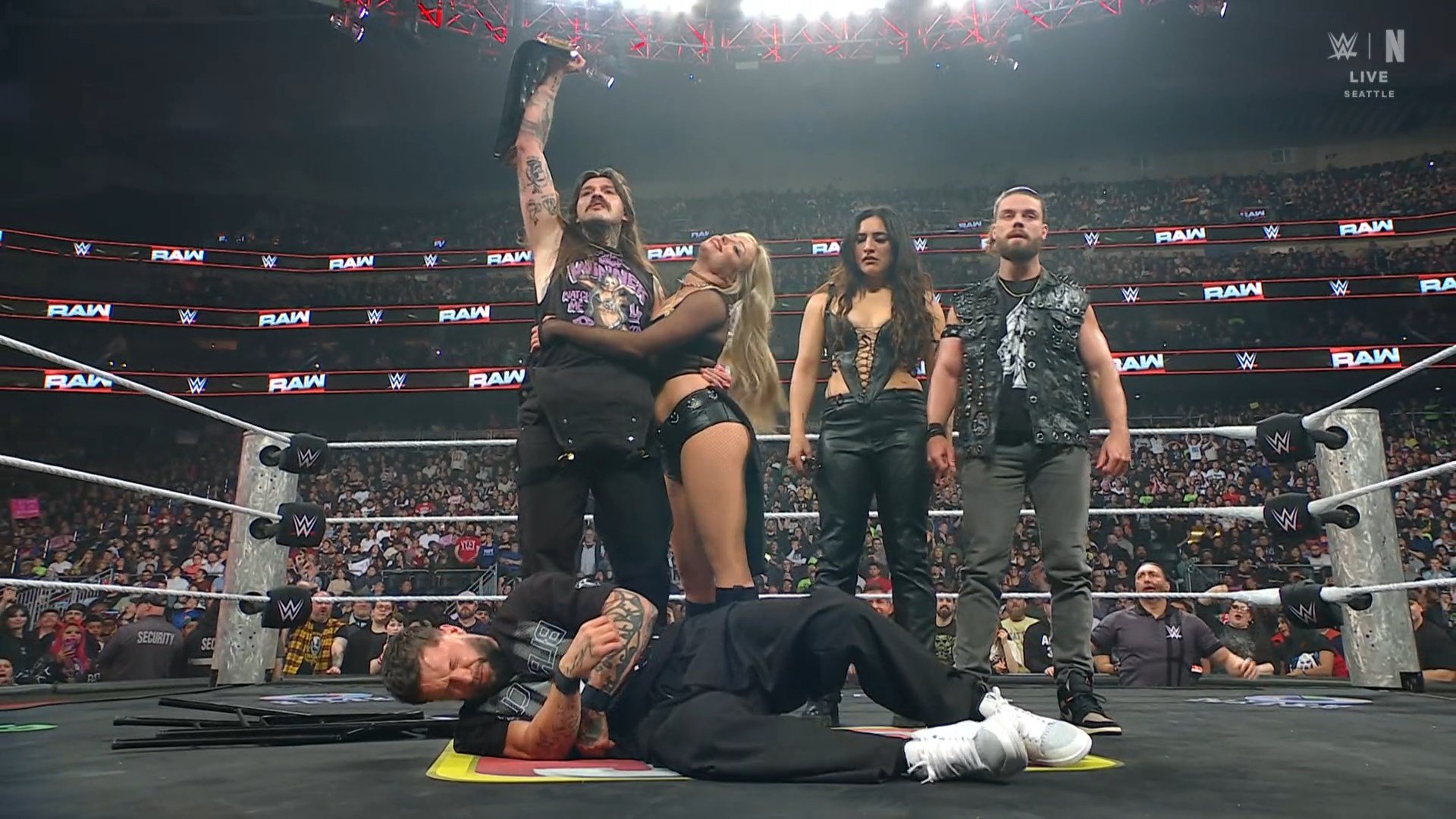
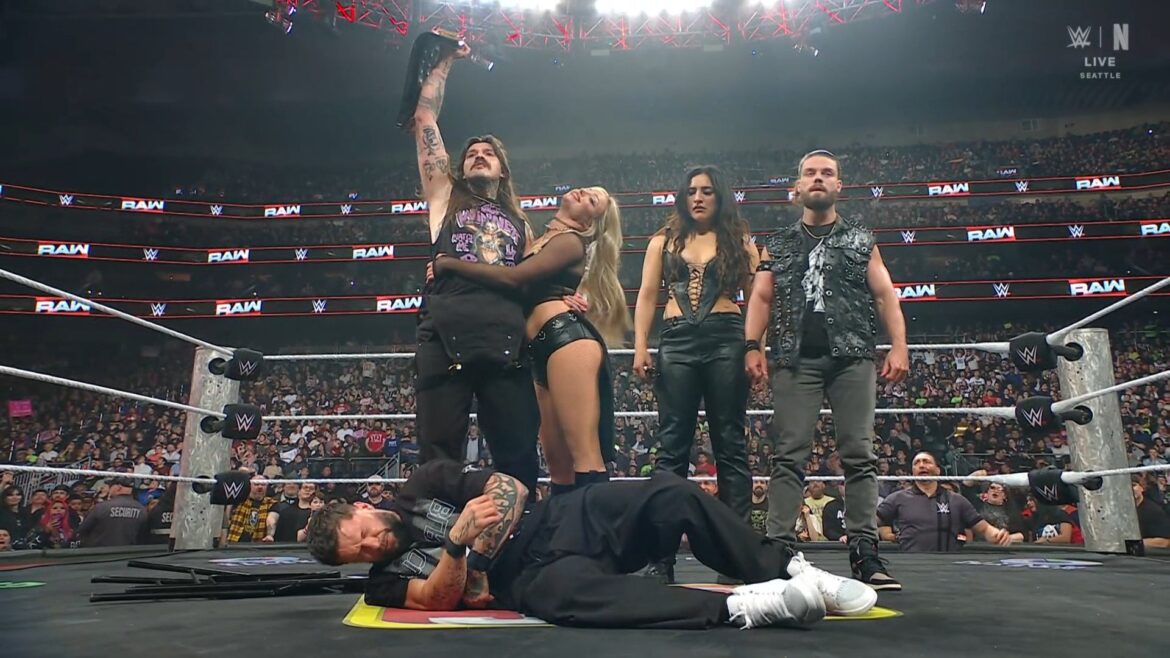
The weekly programming of WWE Raw plays a critical role in building these monumental narratives, serving as the primary vehicle for advancing storylines, establishing character motivations, and showcasing the athleticism that defines the product. Recently, attending a live broadcast of Raw offered a unique perspective into the palpable energy that permeates these events. The atmosphere within the arena is electric, a symphony of cheers and jeers that fuels the performers and creates an immersive experience for the live audience. From the opening pyro to the final bell, every segment is meticulously crafted to engage the fans, drawing them deeper into the ongoing sagas. Key matches and promos unfold with a deliberate pace, designed to pay off weeks or even months of build-up, all while laying the groundwork for future confrontations. During recent episodes, the intricate dance between top stars, including those involved in the aforementioned WrestleMania discussions, has been particularly evident. Every victory, every betrayal, every challenge issued on Raw serves as a vital step on the "Road to WrestleMania," ensuring that by the time the biggest show of the year arrives, the stakes are universally understood and the anticipation is at a fever pitch. The show’s capacity to generate both immediate reactions and long-term narrative investment is what truly defines its importance in the weekly wrestling calendar, shaping the perceptions and expectations of millions of viewers tuning in from around the globe.
Beyond the main roster’s grand spectacles, WWE’s developmental brand, NXT, continues to solidify its position as a crucial proving ground and a formidable third brand in its own right. The recent NXT Vengeance Day premium live event underscored the brand’s commitment to delivering high-quality, impactful wrestling. The event featured a compelling card, with several championships on the line and emerging talents seizing the opportunity to make their mark. The main event delivered a climactic conclusion, showcasing the robust talent pool that NXT cultivates. Significant title changes and hard-fought defenses characterized the night, with standout performances from a roster eager to prove their worth. Vengeance Day served as a clear indicator of NXT’s unique identity, a blend of athletic prowess, innovative storytelling, and a relentless focus on character development. It is here that the future stars of WWE are forged, honing their craft and building the foundations for what many hope will be illustrious careers on Raw or SmackDown. The success of events like Vengeance Day not only elevates the NXT brand but also ensures a continuous pipeline of fresh, exciting talent for the main roster, reinforcing WWE’s long-term dominance in the professional wrestling landscape.
Meanwhile, across the spectrum of professional wrestling, All Elite Wrestling (AEW) continues its aggressive strategy for global market penetration, signaling a new era in wrestling’s international accessibility. The upcoming launch of the "MyAEW" streaming service, specifically targeting territories outside of the United States and Canada, represents a significant stride in this expansion. This dedicated platform is designed to provide fans in underserved regions with direct access to AEW’s extensive library of content, including weekly shows, pay-per-views, and exclusive features. The move highlights the growing importance of direct-to-consumer streaming in the modern entertainment landscape and AEW’s ambition to cultivate a truly global fanbase. By bypassing traditional broadcast deals in certain markets, AEW aims to streamline content delivery and foster a deeper connection with its international audience. This initiative will undoubtedly intensify the competition within the wrestling streaming space, challenging established platforms and pushing the industry towards even greater innovation in content distribution. It’s a strategic play that underscores AEW’s commitment to growth, offering fans around the world an opportunity to immerse themselves fully in the promotion’s distinct brand of professional wrestling, which has often been celebrated for its diverse roster and emphasis on in-ring action.
The financial health and fan engagement surrounding AEW’s marquee events also provide crucial insights into the promotion’s overall trajectory. The early ticket sales for Double or Nothing, one of AEW’s annual tentpole pay-per-view events, have been closely monitored as a barometer of the promotion’s sustained popularity and drawing power. Strong initial sales for a major event like Double or Nothing are a clear indicator of robust fan interest and confidence in the product. These numbers reflect not only the loyalty of AEW’s dedicated fanbase but also its ability to attract new viewers and generate significant buzz leading up to its biggest shows. For any wrestling promotion, successful ticket sales for premium live events are vital, signaling a healthy and engaged audience base that is willing to invest in the live experience. This sustained demand for Double or Nothing tickets reinforces AEW’s position as a major player in the global wrestling scene, demonstrating its capacity to consistently deliver high-quality, must-see programming that resonates deeply with its audience, both domestically and internationally.

Beyond the North American giants, the international wrestling scene continues to thrive with its own rich traditions and captivating tournaments. New Japan Pro-Wrestling (NJPW), Japan’s premier promotion, is currently engrossed in its prestigious New Japan Cup. This single-elimination tournament is one of the most anticipated events on the NJPW calendar, offering the victor a coveted opportunity to challenge for a major championship, often the IWGP World Heavyweight Championship. The New Japan Cup is renowned for its intense, hard-hitting matches and unpredictable outcomes, often serving as a launching pad for new stars or a proving ground for established veterans seeking to reclaim their former glory. The ongoing developments within the tournament, including unexpected upsets and dominant performances, set the stage for future title defenses and major feuds, shaping the competitive landscape of NJPW for months to come. Meanwhile, in Mexico, Consejo Mundial de Lucha Libre (CMLL) continues to uphold its storied legacy as one of the oldest and most traditional lucha libre promotions in the world. CMLL’s distinctive style, characterized by acrobatic maneuvers, colorful masks, and intricate tag team psychology, remains a foundational pillar of Mexican wrestling culture. While often operating on a different scale than its international counterparts, CMLL’s enduring appeal lies in its rich history, its commitment to traditional lucha libre, and its ability to consistently produce captivating matches that resonate with its dedicated fanbase. The notes from CMLL further underscore the global diversity and enduring appeal of professional wrestling across different continents and cultural contexts.
The broader combat sports ecosystem, encompassing boxing and mixed martial arts, also presents a fascinating landscape of evolving media deals, celebrity crossovers, and significant cultural impact. Television ratings remain a critical metric across all combat sports, influencing advertising revenue, network partnerships, and the overall perceived value of a promotion. The competition for viewership is intense, with promotions constantly striving to capture the attention of a fragmented audience. ESPN’s significant investment in combat sports, particularly through its extensive coverage of the Ultimate Fighting Championship (UFC), highlights the mainstream appeal and financial viability of the genre. The network’s robust programming dedicated to MMA and boxing has played a pivotal role in expanding the reach of these sports to a broader audience, solidifying their status within the mainstream sports landscape. Within this context, entities like Most Valuable Promotions (MVP), spearheaded by figures like Jake Paul, have carved out a unique niche in the boxing world. Their emergence signals a growing trend of celebrity influence and crossover appeal, blurring the lines between traditional boxing and entertainment. This new wave of promotions, often featuring personalities from outside the conventional boxing realm, has injected fresh energy and a different demographic into the sport, generating considerable discussion and drawing significant viewership, albeit sometimes polarizing traditionalists.
Adding to the intrigue, a recent UFC event or a discussion surrounding a high-profile card that had connections to the White House generated considerable reactions across the combat sports world. While the specifics often remain shrouded in a certain degree of mystique, the mere mention of such a high-profile association underscores the escalating mainstream prominence and cultural cachet of mixed martial arts. The "UFC White House card reactions" suggest a unique event or a significant dialogue that transcended the typical sports headlines, perhaps involving political figures, high-ranking officials, or a charity initiative that brought the sport into a different, more influential sphere. Such occurrences not only elevate the UFC’s brand but also signal a broader acceptance of MMA as a legitimate and impactful global sport, capable of attracting attention from the highest echelons of society. The discussions and opinions generated by this unique convergence of sport and high-profile influence further cement the idea that combat sports are no longer confined to niche audiences but are increasingly integral to the broader cultural conversation, continually pushing boundaries and challenging conventional perceptions. This dynamic interplay between wrestling, MMA, and boxing, coupled with the relentless pursuit of global expansion and creative innovation, ensures that the combat sports landscape remains one of the most compelling and rapidly evolving sectors in entertainment today.


