
The airwaves once again carried the distinctive energy of TNA Impact, presenting a taped episode that offered a mosaic of moments designed to propel storylines and showcase the diverse talents within the promotion. As the dust settled on the broadcast, it became evident that the show, while striving for consistent engagement, delivered a mixed bag of triumphs and tribulations. From the high-stakes tag team encounters that promised fireworks to the intense skirmishes within the Knockouts division and the ongoing machinations surrounding the world championship landscape, the episode aimed to build anticipation for what lies ahead, even as certain established stipulations continued to feel somewhat diluted in their impact. While TNA’s transition to its new broadcast home has been a journey marked by a search for a definitive creative rhythm, this particular installment provided ample material for both praise and critique, offering a glimpse into the promotion’s strategic direction and the passionate, often vocal, fanbase that tunes in weekly. The desire for a consistently compelling viewing experience remains paramount, and the recent broadcast offered both encouraging signs and areas ripe for refinement as TNA navigates the early stages of its renewed presence.
One of the undeniable bright spots of the evening was the resounding return and victory of Dani Luna. Her absence from the Genesis pay-per-view due to unforeseen international travel complications had left a void, and her re-emergence was met with palpable anticipation. Luna’s performance against the reigning Knockouts World Champion, Lei Ying Lee, was not merely a return to the ring; it was a statement of intent. She exuded an aggression and a focused determination that suggested a singular pursuit of championship gold. The strategic incorporation of a steel chain into their non-title bout underscored this heightened intensity. Though Lee initially evaded the makeshift weapon, Luna’s relentless offensive proved insurmountable. The sequence that saw Lee propelled into the chain-laden turnbuckle was a testament to Luna’s raw power, followed by a textbook German suplex. The decisive Luna Landing sealed the victory, marking Luna’s first win since early January and signaling a significant shift in her individual trajectory. Historically, Luna has often been associated with tag teams or factions, her considerable talents often shared. However, this performance strongly suggested a departure from that mold, with a solo ascent towards the Knockouts Championship now appearing to be her primary objective. Her prior interference in Lee’s championship defense against Arianna Grace at No Surrender, which ultimately led to Grace’s victory, now feels like a calculated preamble to Luna’s own championship aspirations. The narrative is clearly being laid out for Luna to be a dominant force in the Knockouts division, and her impressive showing against a former champion suggests that TNA has significant plans for her future.
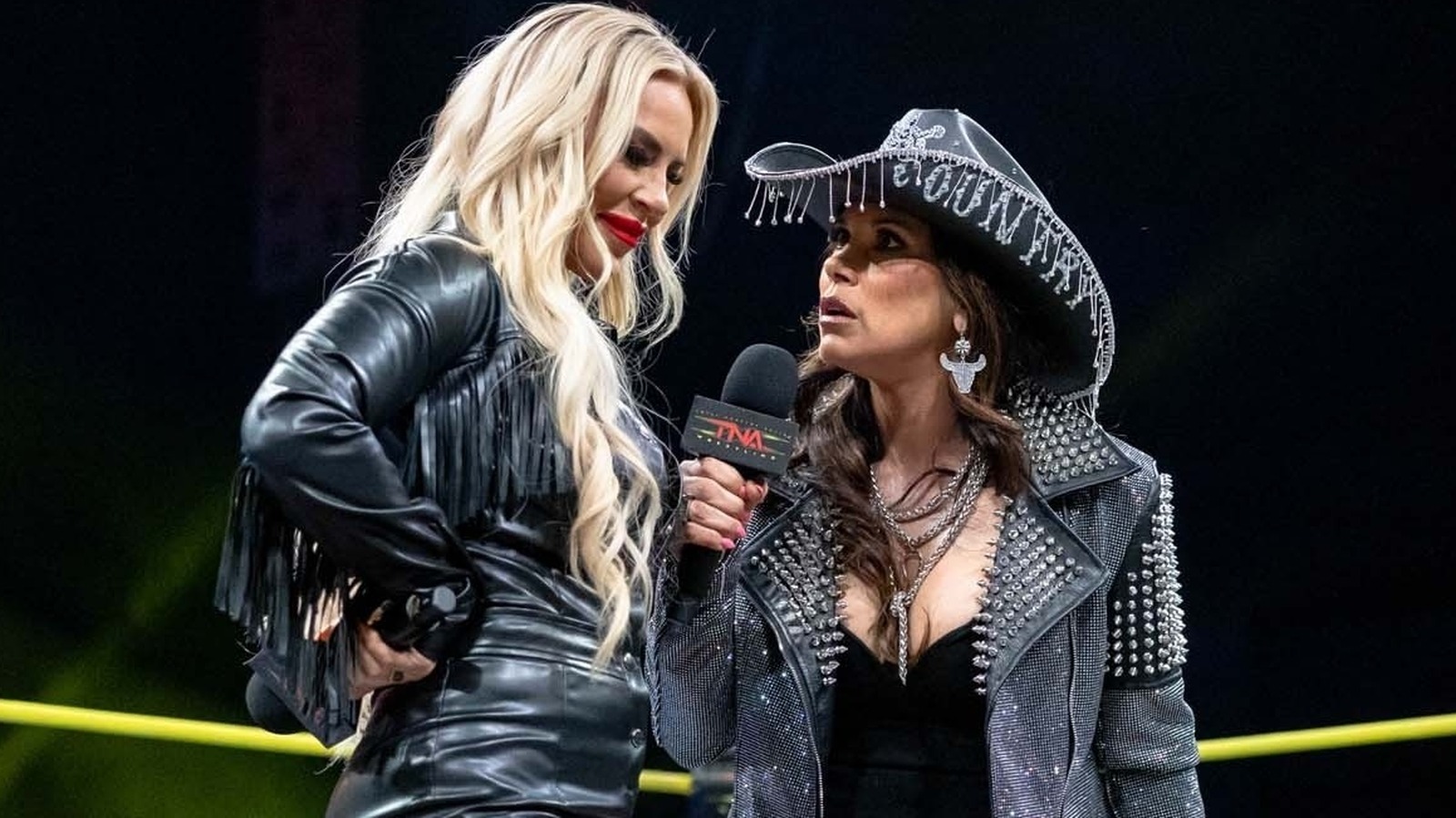
Conversely, a particular segment involving Mickie James and Ash By Elegance fell notably short of expectations, presenting a narrative lull rather than a driving force. Both competitors are undeniably gifted athletes with established résumés in professional wrestling. James, a veteran icon, carries a legacy of excellence, while Ash has demonstrated her prowess in character work and leadership of her stable. Despite their individual merits, their on-screen confrontation felt remarkably flat and lacked the impactful resonance that such a pairing should generate. The exchange meandered, failing to establish a clear focal point or carve out a unique identity amidst the plethora of similar confrontations witnessed across the wrestling landscape in recent years. While the dialogue touched upon the history between James and Ash, specifically James’s role in facilitating Ash’s entry into TNA, the overall presentation suggested a feud still in its nascent stages, struggling to find its emotional core. It felt premature, perhaps an instance where a few more weeks of simmering personal animosity would have amplified the impact of their direct confrontation. Furthermore, the inclusion of James’s son in the segment felt gratuitous and unnecessary at this juncture. It served little purpose in advancing the core conflict and seemed more like a contrived plot device designed to justify a future stipulation match rather than a genuine narrative development. The heels possessed ample avenues to psychologically target James without resorting to this particular storyline thread, leaving the segment feeling like a missed opportunity for more impactful storytelling.
The live audience present at The Pinnacle in Nashville proved to be a vital, and surprisingly vocal, component of the evening’s proceedings. During an in-ring interview segment featuring Steve Maclin, the crowd’s reaction was anything but supportive, offering a raw and unfiltered expression of their sentiment. Chants of "We don’t care," "He’s a wanker," and perhaps most tellingly, "Wrap it up," punctuated Maclin’s monologue. The visual of a front-row fan mimicking casting a fishing line, attempting to reel in the lengthy promo, perfectly encapsulated the audience’s collective feeling of disengagement. This unvarnished, organic reaction from the fans was a powerful reminder of TNA’s potential for creating truly memorable moments, echoing the electric atmospheres of past eras. The promotion has a rich history of captivating performances and impactful narratives, from the "Belt Collector" era of Kenny Omega, which, had circumstances been different, could have ignited arenas weekly, to the pivotal moments involving Jay White’s debut and the intense battles between Will Ospreay and Josh Alexander. While the landscape has undeniably shifted since those golden periods, and the current partnership with WWE brings a different dynamic, the fervent, albeit critical, engagement from the Nashville faithful serves as a potent indicator. Their vocal dissent suggests that the current direction may not be resonating as strongly as intended, and their honest feedback, however harsh, reflects a deep-seated desire for TNA to recapture the edge that once defined it.
In stark contrast to the crowd’s vocal disapproval of Maclin, the faction known as The System continued to occupy a prominent, yet perplexing, position on the card. Despite considerable airtime since TNA’s debut on AMC, the group, now comprised of Eddie Edwards, Brian Myers, Cedric Alexander, and Bear Bronson, and having recently ousted former members Moose, JDC, and Alisha Edwards, has struggled to generate genuine intrigue. The narrative surrounding their ongoing conflict with Moose, while seemingly intended to evoke an emotional response from viewers, has largely fallen flat. The group feels less like a cohesive, formidable force and more like a collection of individuals assembled without a clear, compelling purpose. This is particularly disappointing given that TNA has presented this faction as a significant new direction for the promotion since its network transition. The fundamental question remains: why should the audience invest in The System? The lack of connection to their motivations and objectives leaves viewers apathetic, yearning for a storyline that sparks either positive or negative engagement. As it stands, The System represents a bland component of TNA’s weekly programming, a faction that, despite its prominent placement, fails to leave a lasting impression.
On a more positive note, the confirmation of Alisha Edwards’ continued presence within TNA Wrestling offered a moment of sentimental reassurance. Her journey had reached a critical juncture, fraught with the betrayal of her husband and the dissolution of her alliance within The System. While the prospect of a return to her previous, more aggressive persona seemed unlikely, her appearance on this episode found her at a personal crossroads, contemplating departure from the company. It was Moose’s timely intervention that ultimately persuaded her to stay, a gesture that resonated with the emotional weight of her contributions to TNA. Edwards has been an integral part of the TNA landscape, her appearances dating back to the popular "Wrestle House" segments, and her vibrant, boisterous energy consistently elicits strong crowd reactions. The hope is that her renewed tenure will see her continue to showcase her in-ring capabilities. While her immediate future appears to be intertwined with Moose’s evolving narrative following their shared experience with The System, her potential as a competitor remains undeniable. Despite holding only one championship during her time in TNA, Edwards is a dynamic performer whose fiery spirit is precisely what the promotion needs to inject more excitement into its programming. She possesses the ability to generate significant crowd pops, a crucial element for TNA as it aims to build momentum.
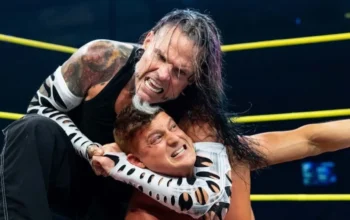
The main event of the evening presented a perplexing booking decision that further highlighted creative disconnects. The stated intention was to position The System as the preeminent heel faction, while simultaneously showcasing The Hardy Boyz in what is presumably the final, celebrated chapter of their legendary tag team careers, holding the TNA Tag Team Championships. The narrative was that The System sought to challenge for these titles, a common objective for factions unable to immediately contend for the promotion’s top prize. However, the decision to pit Eddie Edwards, Cedric Alexander, Brian Myers, and Bear Bronson of The System against The Hardy Boyz and The Righteous was met with confusion. The Righteous, having previously turned on The Hardy Boyz in their own pursuit of the tag titles, were inexplicably reunited with them for this match. This sudden alliance, explained by a single backstage segment, felt insufficient to justify the narrative shift. It served as a stark indicator of TNA’s current creative challenges, particularly given the recent fanfare surrounding their new network deal. The haphazard arrangement of rivals with minimal connective tissue left viewers questioning the underlying plan and offered little compelling reason to anticipate future episodes. This booking choice, alongside the controversial return of a "fired" Steve Maclin to a chorus of jeers and calls for his departure, contributed to a broadcast that felt largely unengaging. The main event, featuring a collection of veteran performers and an already unconvincing heel faction, culminated in a predictable heel victory, only to be interrupted by Moose, who himself was then beaten down, with Alisha Edwards ultimately making the save. This convoluted conclusion created an uninteresting mess, solidifying The System’s portrayal as TNA’s "House of Torture," a moniker that, while perhaps intentional, raises the fundamental question of "why?" – what is the ultimate purpose and desired impact of such a narrative?