
As the calendar turns to early March 2026, the professional wrestling world vibrates with an electric hum, a familiar energy that signals the approach of its grandest spectacle, WrestleMania. This period, often dubbed the "Road to WrestleMania," is a breeding ground for fervent speculation, whispered rumors, and the kind of informed conjecture that fuels endless debate among the global fanbase. Every injury update, every social media post, and every subtle narrative shift on weekly programming is dissected with surgical precision, all in an effort to decipher the intricate plans being meticulously crafted behind the scenes. With major events like the Royal Rumble and Elimination Chamber now firmly in the rearview mirror, the picture for WrestleMania 42 in Los Angeles is beginning to take shape, yet significant questions linger, particularly concerning the status of pivotal figures, potential new arrivals, and the long-term trajectory of established stars. The current climate is ripe with discussion regarding the much-anticipated comeback of a multi-time world champion, the surprising potential arrival of an independent wrestling sensation, and the strategic repositioning of a former Universal Champion, all of whom stand to profoundly impact the landscape of World Wrestling Entertainment in the months ahead.
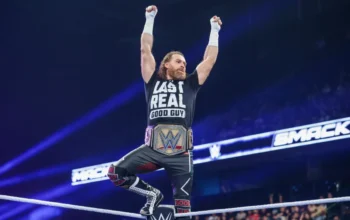
One of the most talked-about topics currently dominating wrestling circles is the health and impending return of Seth "Freakin’" Rollins. The Architect, a cornerstone of WWE’s main event scene for over a decade, has been conspicuously absent from television programming, reportedly nursing a significant knee injury sustained during a high-profile match earlier in the year. Rollins’ absence leaves a gaping void at the top of the card, particularly on Monday Night Raw, where he has consistently delivered as a top babyface or a venomous heel, embodying the very essence of a main event performer. His career is a testament to resilience, having overcome similar debilitating injuries in the past, including a torn ACL and MCL in late 2015 that forced him to vacate the WWE Championship, and another knee issue in 2017. Each time, Rollins has not only returned but has done so with renewed vigor, often reinventing his character and elevating his performance to new heights. The question isn’t if Rollins will return, but when and in what capacity will he make his dramatic re-entry into the squared circle. Conventional wisdom suggests that a superstar of Rollins’ caliber, especially one with a history of captivating comebacks, would be strategically held back for a monumental moment. The Royal Rumble often serves as a launching pad for such returns, but with that event now passed, all eyes firmly fix on the episodes of Raw and SmackDown leading directly into WrestleMania. A surprise appearance on the Raw after WrestleMania is also a classic tactic to kickstart a new angle, though the allure of a WrestleMania moment is often too strong to resist for a performer of Rollins’ stature. The creative team faces the exciting challenge of reintegrating him into a roster that has continued to evolve in his absence. Will he target the World Heavyweight Championship, a title he has held multiple times and helped to legitimize? Or will he pursue a more personal vendetta, perhaps reigniting a past rivalry or forging a new one against a top antagonist who has risen to prominence during his time away? The potential opponents for Rollins upon his return are numerous and tantalizing. A program against a dominant champion like Gunther, whose Intercontinental Championship reign has broken records, could provide an instant classic, elevating both men and potentially leading to a long-coveted world title for the Ring General. Alternatively, a confrontation with a charismatic heel such as LA Knight, whose popularity continues to soar, or even a renewal of hostilities with a former Shield brethren, could provide compelling narrative fodder. The "Visionary" character, with its elaborate entrances, flamboyant attire, and often unhinged demeanor, is a guaranteed crowd-pleaser, and his return is poised to deliver a significant jolt of energy to the entire product as WrestleMania draws ever closer.
Shifting gears dramatically, the professional wrestling rumor mill is currently churning with extraordinary intensity over the prospect of Danhausen, the "Very Nice, Very Evil" independent wrestling sensation, making his debut within World Wrestling Entertainment. This potential move represents a fascinating confluence of differing wrestling philosophies and a testament to the evolving landscape of talent acquisition. Danhausen, a character renowned for his distinctive painted face, idiosyncratic mannerisms, and a unique blend of comedic timing with a subtly menacing undertone, has cultivated a devoted following across various independent promotions and, more recently, All Elite Wrestling. His appeal lies in his ability to break the fourth wall, engage directly with fans in a playful yet unsettling way, and deliver memorable catchphrases that quickly become ingrained in the wrestling lexicon. The notion of Danhausen joining WWE raises several intriguing questions. How would a character so deeply rooted in the independent scene’s more avant-garde sensibilities translate to the highly polished, creatively controlled environment of WWE? Historically, WWE has a mixed record with eccentric, character-driven performers from outside its system. For every successful, uniquely presented talent like The Undertaker or Bray Wyatt, there have been others whose distinctiveness was either diluted or misunderstood in the transition. However, under the current creative leadership, there appears to be a greater willingness to embrace and even foster unconventional characters, especially within the NXT brand, which often serves as a proving ground for unique gimmicks. Danhausen’s potential arrival could inject a much-needed dose of pure, unadulterated absurdity and dark humor into the WWE programming. Imagine the comedic possibilities of him attempting to "curse" his opponents, or the bizarre interactions he could have with established WWE personalities. Would he begin his tenure in NXT, allowing him to acclimate to the WWE production style while maintaining the core elements of his persona? Or would he be thrust directly onto the main roster, potentially as a surprise entrant in a battle royal or as an unexpected challenger to a mid-card champion? The challenge for WWE’s creative team would be to harness Danhausen’s undeniable charisma and unique appeal without sanitizing the very essence of what makes him special. His "Very Nice, Very Evil" schtick, his affinity for human sacrifices, and his penchant for collecting "human money" are all integral parts of his identity. If WWE can allow him the creative freedom to express these elements, while integrating him into coherent storylines, his potential impact could be substantial. He could become a cult favorite, a merchandise powerhouse, and a refreshing change of pace from the more traditional character archetypes. The very idea of Danhausen interacting with the likes of The New Day, R-Truth, or even more serious competitors, offers a plethora of fresh storytelling avenues. This isn’t just about bringing in another wrestler; it’s about potentially integrating a truly one-of-a-kind entertainment entity into the world’s largest wrestling promotion, and the implications for both sides are immense.
Finally, the future trajectory of Finn Balor, a superstar perpetually on the cusp of main event glory, is another subject of intense discussion among wrestling aficionados. Balor’s career in WWE has been marked by incredible highs and frustrating plateaus. He arrived in NXT as a global sensation, quickly becoming its longest-reigning champion and captivating audiences with his dynamic in-ring style and the enigmatic "Demon" persona. His main roster debut was nothing short of historic, as he became the inaugural Universal Champion at SummerSlam 2016, only to be sidelined by a shoulder injury suffered during that very match, forcing him to relinquish the title just 24 hours later. This unfortunate setback set a precedent for what has often felt like a series of missed opportunities for Balor, despite his consistent performances and unwavering popularity. In early March 2026, Balor’s current standing within WWE is a critical factor in determining his immediate future. Assuming he is still a prominent member of a dominant faction such as The Judgment Day, his role within that collective would dictate many of his immediate narrative opportunities. The Judgment Day, if still active and thriving, provides a platform for Balor to remain relevant, engage in high-profile feuds, and potentially hold tag team or even secondary singles championships. However, the perennial question that haunts Balor’s main roster run is whether he will ever consistently reclaim his status as a legitimate main event singles competitor, specifically vying for a world championship. Fans have long clamored for the full-time return of The Demon, a character that consistently delivers a significant spike in mystique and spectacle, reserved only for the most crucial encounters. The selective deployment of The Demon, while preserving its special aura, also limits Balor’s ability to headline major events as a consistent top-tier threat. Could WrestleMania 42 finally be the stage for Balor to shed the confines of a stable, or even lead it to unparalleled glory, perhaps challenging for a world title in a singles capacity? A compelling storyline could see him break away from The Judgment Day, either as a triumphant babyface or a ruthless, independent heel, seeking to prove his individual prowess. His in-ring ability is undeniable, a blend of high-flying acrobatics and hard-hitting strikes honed over years in Japan and on the independent circuit. This skill set, combined with his natural charisma, makes him an ideal candidate for a significant push. Potential adversaries for Balor could range from reigning champions to other top-tier singles competitors looking to solidify their own standing. A program against an opponent like Drew McIntyre, a formidable physical challenge, or a technical master like Ilja Dragunov, could produce a series of exceptional matches. The creative direction for Balor needs to provide a definitive path, allowing him to either ascend to consistent main event status or solidify his position as a perennial contender who can elevate any storyline he is placed in. The decision of when and how to deploy The Demon persona will be crucial in this strategic planning, as it remains one of the most powerful tools in his arsenal, capable of instantly elevating the stakes of any rivalry.

The period leading up to WrestleMania is always a crucible of ambition and anticipation, where the threads of various storylines converge and new narratives begin to unfurl. The potential return of Seth Rollins isn’t merely about bringing back a top star; it’s about reintroducing a force multiplier to the main event picture, capable of elevating any championship or rivalry he chooses to pursue. His absence has undoubtedly created opportunities for other talents to step up, but his presence injects an undeniable gravitas and star power that few can match. The strategic timing of his comeback will be critical, not only for his own narrative but for shaping the entire Raw brand’s trajectory into the summer months. Whether he immediately challenges for a world title, seeks retribution for an attack that led to his injury, or embarks on a fresh character arc, Rollins is guaranteed to command attention. His ability to connect with audiences, whether as a beloved hero or a despised villain, ensures that his return will be met with an explosive reaction, setting the tone for the post-WrestleMania landscape.
Conversely, the rumored foray of Danhausen into the WWE universe represents a different kind of potential shake-up. It signifies a willingness, or perhaps a calculated gamble, by WWE to embrace niche appeal and unconventional character work on a larger scale. In an era where authenticity and distinctiveness are increasingly valued by audiences, Danhausen’s unique brand of "very nice, very evil" could resonate profoundly. His success would not only be a personal triumph but could also open the door for other independent wrestling darlings with unorthodox gimmicks to consider WWE as a viable destination. The challenge, as always, will be in the translation—maintaining the essence of his character while adapting to the demands of a global entertainment juggernaut. If done correctly, Danhausen could become a cult phenomenon, a consistent source of comedic relief, and a surprisingly effective antagonist, proving that there’s still ample room for genuine originality within the WWE framework. His debut could mark a subtle but significant shift in creative philosophy, hinting at a broader spectrum of characters being welcomed into the fold.
Meanwhile, Finn Balor’s future is a constant reminder of untapped potential and the eternal quest for consistent main event positioning. His talent is undeniable, his international appeal is well-established, and his "Demon" persona is one of the most captivating spectacles in modern wrestling. The ongoing discussion around his "plans" reflects a desire among fans to see him fully unleashed, to consistently compete at the highest level and to once again hold a world championship. Whether that path involves a dramatic split from a faction, a renewed focus on his individual identity, or a strategic deployment of The Demon for a prolonged, impactful run, the decisions made in the coming weeks will be pivotal. Balor stands at a crossroads, with the potential to either solidify his status as an upper-mid-card gatekeeper or to finally break through that glass ceiling and reclaim his place at the very pinnacle of the industry. His trajectory will be a key indicator of WWE’s long-term plans for established, highly skilled veterans who possess all the tools for superstardom but have yet to consistently grasp it.
As these intriguing storylines simmer and the speculation reaches a fever pitch, the wrestling world collectively holds its breath. The Road to WrestleMania is more than just a series of events; it is a narrative journey, a period where careers are defined, legends are forged, and the future of the industry is subtly, yet profoundly, shaped. The potential returns, surprising debuts, and strategic re-evaluations of key talents like Seth Rollins, Danhausen, and Finn Balor are not merely isolated incidents but interconnected pieces of a much larger puzzle. Their fates, intricately woven into the fabric of WWE’s grand narrative, will undoubtedly contribute to the tapestry of WrestleMania 42 and beyond, promising an exhilarating and unpredictable ride for every dedicated fan. The coming weeks will undoubtedly reveal much, but for now, the thrill lies in the anticipation, the endless possibilities, and the shared excitement of what might just be around the corner in the unpredictable world of professional wrestling.