
The world of professional wrestling thrives not just on the electrifying in-ring action and compelling narrative arcs presented on weekly television and premium live events, but also on the constant hum of speculation that permeates every corner of its dedicated fanbase. From potential blockbuster signings to backstage shake-ups and surprising celebrity crossover appearances, the anticipation of what might happen next is a powerful force, often shaping perceptions and driving conversations long before any official announcements are made. As the calendar turns to March 2026, the rumor mill is churning with particular fervor, offering glimpses into potential shifts in leadership, monumental events on the horizon, and the continuous evolution of WWE’s talent pipeline, all contributing to a dynamic period for the global wrestling juggernaut.
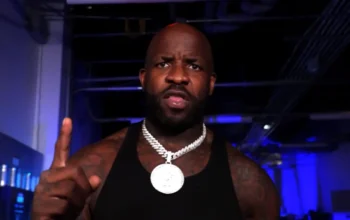
One of the most significant pieces of chatter currently circulating involves a veteran presence within the company’s corporate structure: Brian James, universally known to wrestling aficionados as Road Dogg. Reports suggest that James, who has served in various crucial capacities behind the scenes for years, including his recent role as Senior Vice President of Live Events, may be on the verge of parting ways with World Wrestling Entertainment. This potential departure marks a notable inflection point, considering James’s deep roots and extensive history within the organization. A cornerstone of the Attitude Era as part of the iconic D-Generation X faction, his transition from a celebrated in-ring performer to a pivotal backstage figure has been a journey marked by dedication and influence. He was instrumental in the early days of NXT’s black and gold era, contributing significantly to its creative direction and helping to shape a generation of future main roster stars. His unique blend of creative insight and practical experience made him a valuable asset, particularly in developing storylines and coaching talent.
James’s career with WWE has been characterized by a cyclical pattern of departures and returns, reflecting the often-turbulent nature of professional wrestling’s corporate environment. Following his initial run as a performer, he transitioned into a producer role, then moved into the creative team for NXT. He experienced a brief hiatus from the company in 2022, only to return later that year, taking on the critical responsibility of overseeing live events. In this capacity, he was tasked with ensuring the smooth execution of WWE’s non-televised shows, a vital component of the company’s revenue stream and fan engagement strategy. The live event circuit is where many talents hone their craft, connect directly with the audience, and build momentum for their television personas. A change in leadership for such a critical department could signal broader strategic adjustments within the organization, especially as WWE operates under the TKO Group Holdings umbrella, a newly formed entity that combines WWE with the Ultimate Fighting Championship. Any shift in key personnel at this level inevitably invites questions about corporate restructuring, potential disagreements over creative vision, or even personal decisions by the individuals involved. Should James indeed exit, the immediate focus would turn to his successor and the potential impact on the presentation and planning of WWE’s extensive touring schedule, as well as the overall morale among backstage staff who value his experienced perspective. His departure would leave a void that speaks to the ongoing evolution of WWE’s executive landscape, particularly in the post-Vince McMahon era where Triple H now holds significant creative and talent development authority.
Beyond the internal dynamics, the grandeur of WrestleMania always looms large, serving as WWE’s marquee annual event and a cultural touchstone. The latest buzz surrounding the "Showcase of the Immortals" centers on a potential appearance by none other than NFL legend Tom Brady at WrestleMania 42, slated for 2026. This would not be the first time WWE has sought to integrate high-profile celebrities into its biggest spectacle, a strategy that consistently generates mainstream media attention and draws in viewers from outside the traditional wrestling audience. Over the decades, WrestleMania has played host to a diverse array of non-wrestling personalities, from the iconic Mr. T in the inaugural event to the likes of Mike Tyson, Floyd Mayweather, and more recently, Grammy-winning musician Bad Bunny and YouTube sensation Logan Paul. These crossover appearances are carefully curated, designed to create unforgettable "WrestleMania Moments" that resonate far beyond the wrestling faithful.

Tom Brady, with his unparalleled seven Super Bowl championships and status as one of the greatest athletes in American sports history, represents an extraordinary caliber of celebrity. His presence alone would command significant media attention, bringing an immense spotlight to WrestleMania 42. The nature of his potential involvement remains a topic of fervent discussion. Historically, celebrity guests have taken on various roles: some have served as special guest referees, adding an element of unpredictability to a crucial contest; others have participated in non-wrestling segments, delivering promos or interacting with the roster in comedic or confrontational ways; and a select few, like Bad Bunny and Logan Paul, have even stepped into the squared circle for legitimate matches, surprising many with their commitment and athletic prowess. Given Brady’s competitive nature and the physical demands of professional football, a brief in-ring segment, perhaps involving a signature move or a confrontational promo exchange, is not entirely out of the realm of possibility, though a full-fledged wrestling match seems less likely. The strategic timing for such a high-profile appearance, two years out from WrestleMania 42, suggests that WWE is thinking long-term about its tentpole event, aiming to build unprecedented buzz and secure a monumental pop culture moment. Integrating a figure of Brady’s magnitude would undoubtedly elevate WrestleMania’s standing as a global entertainment spectacle, attracting an even broader viewership and cementing its place at the intersection of sports and entertainment. It speaks volumes about WWE’s ambition to constantly push the boundaries of mainstream appeal and deliver experiences that transcend traditional sports entertainment.
Finally, the lifeblood of WWE’s future success continues to flow from its developmental system, NXT. The constant need for fresh faces, innovative characters, and compelling in-ring talent on the main rosters of Raw and SmackDown means that a steady stream of call-ups from NXT is always anticipated. As March 2026 unfolds, the conversation around which promising NXT Superstars are poised for a promotion is intensifying. NXT, under the creative stewardship of Triple H, has evolved significantly since its inception. What began as a proving ground for new recruits transformed into a critically acclaimed third brand, known for its distinct presentation and emphasis on in-ring athleticism. More recently, it has re-centered its focus as a true developmental territory, refining talent for the bright lights of the main roster. The journey from NXT to Raw or SmackDown is a pivotal moment in any wrestler’s career, representing the culmination of years of hard work and dedication within the performance center system.
A main roster call-up is not merely a change of scenery; it’s a significant leap in exposure, responsibility, and pressure. Talents who thrive in the NXT environment must adapt to larger arenas, a different travel schedule, and a more expansive, often more character-driven, creative framework on the flagship shows. The decision to promote an NXT talent involves multiple factors: their readiness to perform consistently at a higher level, the main roster’s specific needs for new faces in particular divisions (tag team, singles, women’s division), the availability of compelling storyline opportunities, and their ability to connect with a broader, often more casual, audience. Recent history has shown a mixed bag of success stories and challenges for NXT graduates. Some have seamlessly integrated, rising to main event status and capturing championships, while others have struggled to find their footing or translate their NXT success into main roster prominence. This variability underscores the importance of careful planning and strategic booking once a talent makes the leap.
The current landscape of NXT is robust, filled with athletes who possess diverse skill sets and unique personalities. While specific names for this particular call-up remain speculative, the nature of the brand ensures that several individuals are always on the cusp. The goal is not just to introduce new wrestlers but to inject new energy and fresh narratives into Raw and SmackDown, preventing creative stagnation and maintaining fan interest. The timing of a call-up, especially as WrestleMania season approaches and then concludes, is often crucial, as it allows new talent to either build momentum heading into the biggest shows or to capitalize on the post-WrestleMania reset, when new storylines and feuds traditionally begin. The success of these transitions is vital for WWE’s long-term health, as it ensures a continuous pipeline of compelling performers who can carry the company forward. It also validates the investment made in the developmental system and the vision for talent cultivation.
As the professional wrestling world continues its relentless pace, these burgeoning narratives — a veteran executive potentially stepping away, a global sports icon eyeing the grandest stage, and the constant infusion of new blood from NXT — paint a vivid picture of a company in perpetual motion. Each rumor, whether it materializes into fact or simply fades into the annals of unfulfilled speculation, offers a fascinating glimpse into the strategic thinking, creative aspirations, and underlying business machinations that drive World Wrestling Entertainment. The interconnectedness of these elements — from backstage management to mainstream appeal and talent development — underscores the complexity and dynamism of the industry. Fans, ever vigilant and eager for the next big twist, will undoubtedly continue to dissect every whisper, fueling the very excitement that makes professional wrestling such an enduring and captivating form of entertainment. The journey through 2026 promises to be as unpredictable and engaging as any wrestling storyline itself, with these early March discussions merely setting the stage for what’s to come.