
The world of professional wrestling, ever-pulsating with drama and spectacle, often finds its most compelling narratives unfolding not just within the squared circle, but in the whispered conjectures and fervent discussions that dominate the digital and physical spaces outside of it. Fans, with an insatiable appetite for insight, constantly seek to peer behind the curtain, deciphering the cryptic clues and informed speculation that shape the industry’s future. As March 2026 unfurls, the collective gaze of the wrestling universe is firmly fixed on a fascinating confluence of potential conflicts, significant personnel changes, and the grand, distant promise of its most celebrated annual event. From the rumored friction between two of WWE’s most dominant female competitors to the surprising exit of a long-serving executive, and the early whispers surrounding the colossal spectacle of WrestleMania 42, the landscape is ripe with intrigue, hinting at seismic shifts that could redefine storylines and corporate strategies alike for years to come.
At the forefront of the current discourse is an alleged issue brewing between two titans of the WWE women’s division: the reigning Women’s World Champion, Rhea Ripley, and the undeniable force of nature, Jade Cargill. The mere mention of these two names in the same breath conjures images of an unstoppable clash, a veritable dream match that fans have salivated over since Cargill’s highly anticipated arrival in WWE. Ripley, a cornerstone of The Judgment Day, has carved out an era of unparalleled dominance, her "Mami" persona resonating deeply with audiences, cementing her status as one of the most compelling and formidable champions in recent memory. Her physical prowess, psychological warfare, and uncanny ability to blend brutality with charisma have made her a truly global superstar, capable of carrying the Raw brand’s women’s division with an iron fist and a wicked grin. Her championship reign has been lengthy and illustrious, fending off challengers with a ferocity that few can match, establishing a legacy of power and control.
Jade Cargill, on the other hand, burst onto the WWE scene with an almost unprecedented aura of stardom, carrying over the undefeated mystique she cultivated in her previous wrestling endeavors. Her physique is sculpted perfection, her presence commands attention, and her confidence is infectious. From her initial appearances, it was clear that WWE management saw a main event talent in Cargill, positioning her carefully and deliberately for a significant ascent. While her in-ring time has been strategically managed to allow for continued development and adaptation to the WWE style, her impact has been undeniable, generating considerable buzz with every appearance. The question has always been not if she would reach the top, but when and how she would ultimately claim her place among the elite. A potential showdown with Ripley has always lingered as the ultimate proving ground, a collision between two larger-than-life figures, each possessing a unique blend of power, athleticism, and undeniable star quality.
The nature of the "issue" between them remains shrouded in speculation, as is often the case with such backstage whispers. Is it genuine, stemming from creative disagreements, personality clashes, or perhaps a struggle for top billing and influence within the women’s roster? Or, is it a carefully orchestrated "work," a genius piece of long-term storytelling designed to plant seeds of animosity that will eventually blossom into a blockbuster feud? In the intricate world of professional wrestling, the lines between reality and narrative are often deliberately blurred, and a well-executed "shoot" angle, where genuine tension is either amplified or fabricated for the cameras, can be gold. Given the strategic minds at play within WWE creative, and the proven ability of both Ripley and Cargill to captivate audiences, a storyline built around real or perceived friction could electrify the fanbase.
If the issue is indeed genuine, it presents a fascinating challenge for WWE. Managing two such formidable and popular talents, both with legitimate main event aspirations, requires delicate handling. Disagreements over character direction, match outcomes, or even personal dynamics can sometimes boil over. However, history is replete with examples of real-life animosities being channeled into incredibly compelling on-screen rivalries, elevating both performers and the product itself. Think of Bret Hart and Shawn Michaels, or even more contemporary examples where a genuine competitive fire fueled unforgettable encounters. For Ripley and Cargill, whose on-screen personas are already brimming with confidence and an unyielding desire to dominate, any perceived "issue" could seamlessly translate into a rivalry of epic proportions. The implications for the Women’s World Championship are immediate and immense. A clash between these two for the gold would undoubtedly headline a major premium live event, possibly even earning a coveted spot on the WrestleMania card, showcasing the strength and depth of the women’s division to a global audience. Such a feud would not just be about a title; it would be a battle for supremacy, for the undisputed claim of being the industry’s most dominant female athlete.
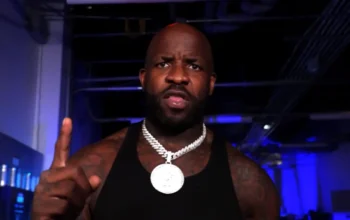
Shifting gears from potential in-ring fireworks to the quieter, yet equally significant, machinations behind the scenes, the professional wrestling world recently absorbed news of Brian James, better known to millions as "Road Dogg" Jesse James, departing from his role as Senior Vice President of Live Events for WWE. This marks another chapter in James’s long, storied, and often cyclical relationship with the company, a tenure that spans decades and multiple roles, both in front of and behind the camera. James is a figure synonymous with the Attitude Era, a charismatic and influential member of D-Generation X, whose irreverent antics and iconic catchphrases helped define a generation of wrestling. His in-ring career was marked by tag team success and a unique ability to connect with the audience, making him a fan favorite for years.
However, James’s contributions extend far beyond his performing days. After his full-time in-ring career wound down, he transitioned into various backstage roles, demonstrating a keen understanding of the business and a natural aptitude for talent development and creative direction. He served as a producer and writer, particularly gaining prominence during his time with NXT, where he was instrumental in shaping the early careers of many future main roster stars. His insights into character development, promo delivery, and match psychology were highly valued, and he was seen as a mentor by many aspiring wrestlers. His journey also saw him return to the main roster creative team, a position he held for several years, influencing storylines and television production.

The role of Senior Vice President of Live Events is a critical, though often unsung, position within WWE’s corporate structure. It encompasses the monumental task of overseeing the company’s extensive touring schedule, a global operation that involves meticulous logistical planning, venue procurement, talent management for house shows, and ensuring the smooth execution of hundreds of events annually. These live events, while not always televised, are the lifeblood of WWE’s business model, serving as a crucial revenue stream, a means of developing talent, and a direct connection with the grassroots fanbase. The individual in this role is responsible for ensuring that WWE’s non-televised events are well-attended, profitable, and provide a compelling experience for the audience, all while managing the complex travel and scheduling demands of a vast roster. James’s departure from such a pivotal role raises questions about the immediate future of WWE’s live event strategy. Who will step into these considerable shoes? Will his exit lead to a reorganization of the live events department, or perhaps signal a broader philosophical shift in how WWE approaches its touring schedule in an increasingly digital and globalized entertainment landscape?
James’s history with WWE has been characterized by periods of intense involvement followed by departures, only to return to a different, often elevated, capacity. His previous exits were sometimes attributed to creative differences, burnout, or a desire to explore other opportunities, including a brief stint with Impact Wrestling. Each return, however, underscored his enduring value and the respect he commanded within the industry. This latest departure, therefore, while significant, also leaves room for speculation about his next move. Will he pursue opportunities with rival promotions, bringing his wealth of experience to AEW or another emerging entity? Or will this be a more permanent step away from the rigors of full-time corporate wrestling, perhaps leading to a focus on independent projects, podcasts, or a well-deserved period of rest? Regardless of his next destination, Road Dogg’s impact on WWE, both as an iconic performer and a key backstage contributor, is undeniable, and his absence will undoubtedly be felt within the company’s operational framework. His departure, much like any high-profile executive exit, signals an ongoing evolution within WWE, a company constantly adapting to new ownership, shifting media landscapes, and the relentless pursuit of global expansion.
And then, there is WrestleMania. The very name evokes images of grandeur, historic moments, and the culmination of year-long narratives. As the calendar pages turn, the wrestling world’s gaze inevitably drifts towards the future, specifically to the spectacle of WrestleMania 42. While March 2026 is still a considerable distance from the springtime of 2026, the planning for WWE’s flagship event begins years in advance, a meticulous process that involves scouting locations, negotiating with city officials, and laying the groundwork for what promises to be an economic and cultural phenomenon. WrestleMania is not merely a wrestling show; it is a multi-day festival, a tourism driver, and a massive financial boon for its host city, often compared to the Super Bowl in terms of its impact and drawing power.
The selection of a WrestleMania host city is a highly competitive process, with numerous municipalities vying for the privilege. Cities typically submit detailed bids, highlighting their infrastructure, stadium capabilities, hotel capacity, public transportation networks, and the level of local government support and financial incentives they are willing to offer. WWE seeks locations that can not only accommodate tens of thousands of fans for the main event but also host a week-long series of ancillary events, including NXT Stand & Deliver, Raw and SmackDown broadcasts, the Hall of Fame ceremony, and various fan engagement activities. The economic impact is staggering, often injecting hundreds of millions of dollars into the local economy through tourism, hospitality, and retail spending.
For WrestleMania 42 in 2026, speculation about potential host cities is already a lively topic among fans and industry insiders. While WWE has historically favored cities with established wrestling fanbases and large, modern stadiums, the company has also shown a willingness to explore new markets and return to locations that have proven successful in the past. Cities in the Southern United States, like Atlanta or Dallas, with their massive stadiums and strong wrestling traditions, are always strong contenders. The West Coast could see a return to Los Angeles or a new venture in a city like Seattle, which boasts a state-of-the-art stadium. The Northeast, with its rich history in professional wrestling, could pitch for a return to Philadelphia or New York, though logistics in those dense urban centers can be challenging. International expansion is also a constant consideration for WWE, though a numbered WrestleMania has traditionally remained within North America, with standalone premium live events like Crown Jewel and Elimination Chamber serving as major international showcases. The decision-making process involves balancing logistical feasibility, financial incentives, fan accessibility, and the overall "story" a city can tell as the backdrop for the biggest show of the year.
The anticipation for WrestleMania 42 extends far beyond just its location. It’s about the matches, the moments, and the legends that will be made. Who will be the champions carrying their titles into the grandest stage of them all? What dream matches will finally materialize? Will new stars emerge to claim their place in history? The long lead time allows for elaborate storytelling, building rivalries and character arcs that can culminate in unforgettable main events. The very existence of WrestleMania 42 on the distant horizon provides a narrative anchor for all the smaller stories currently unfolding, from the alleged friction between Ripley and Cargill to the strategic reconfigurations prompted by executive departures. Each piece of news, each rumor, each strategic move, contributes to the intricate tapestry that will eventually form the road to WrestleMania, the ultimate destination where all narratives converge and new legacies are forged.
In conclusion, the professional wrestling landscape, as always, is a vibrant ecosystem of moving parts, where the lines between reality and entertainment are perpetually blurred. The alleged "issue" between Rhea Ripley and Jade Cargill could be the spark for a generational rivalry, a collision of two unparalleled forces that reshapes the women’s division for years to come. Brian James’s departure from a crucial executive role signals the constant evolution within WWE’s corporate ranks, raising questions about future strategies and personnel shifts. And the distant beacon of WrestleMania 42 serves as the ultimate goal, the aspirational event that drives creative, motivates talent, and captivates the global fanbase. Each of these elements, distinct yet interconnected, underscores the dynamic and unpredictable nature of professional wrestling, a world where backstage whispers can ignite main event feuds, executive decisions can alter the very fabric of the company, and the promise of a future spectacle keeps millions eagerly anticipating what’s next. The narratives unfold, the power plays continue, and the journey to the next grand spectacle is already well underway.