The air in San Jose on March 11, 2026, crackled with the palpable anticipation of a company on the cusp of its next major pay-per-view event. All Elite Wrestling’s flagship program, Dynamite, delivered a compelling, albeit uneven, broadcast that served as the final stepping stone towards Revolution. With championship contests taking center stage and crucial rivalries being further defined, the show provided ample material for both celebration and critique. As the dust settled, several key performances and narrative choices stood out, shaping the discourse surrounding AEW’s trajectory heading into their significant March spectacle. This week’s Dynamite wasn’t just about moving pieces on the chessboard; it was about showcasing the intricate chess game itself, with some moves proving masterful and others, perhaps, less calculated.
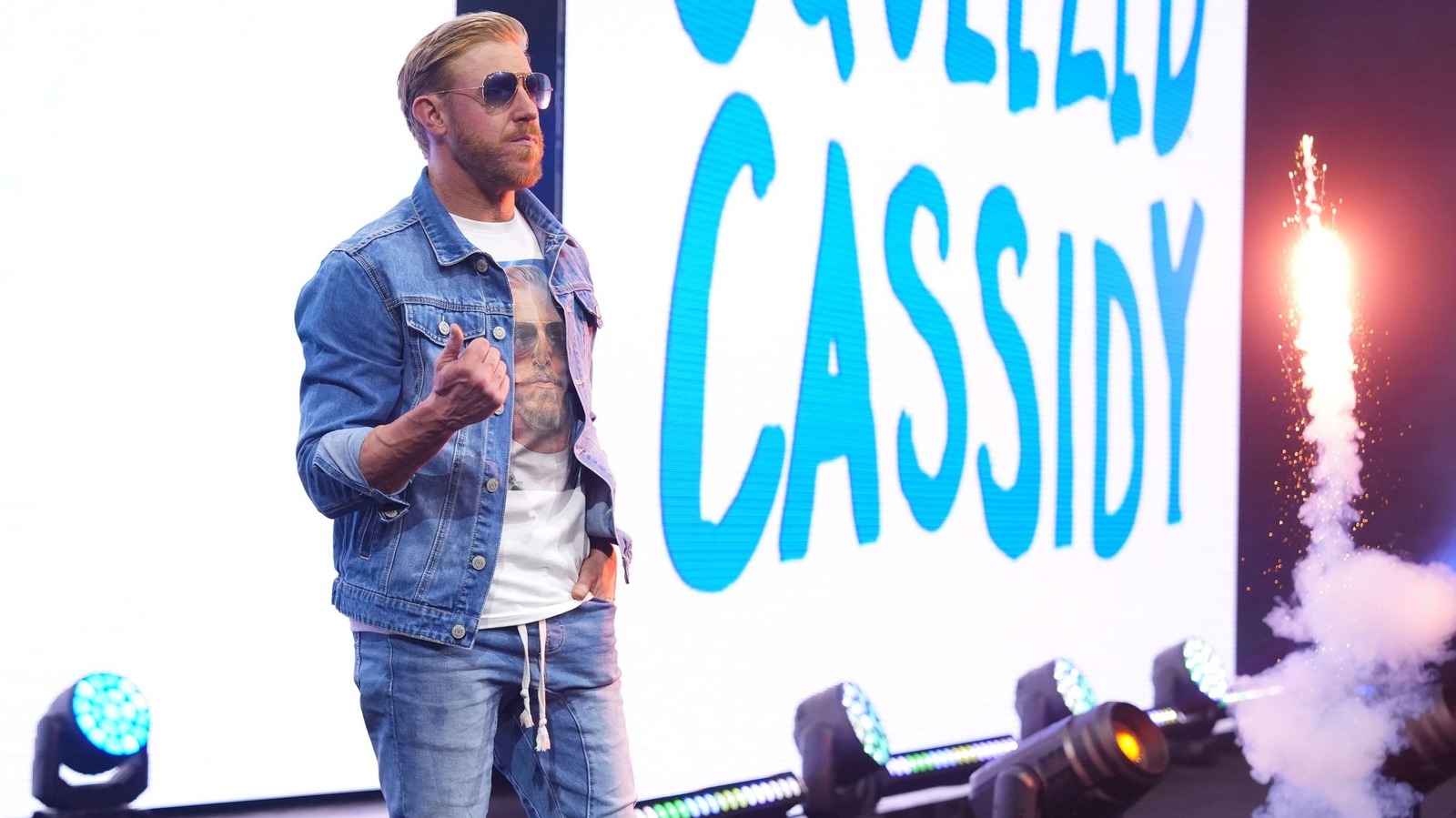
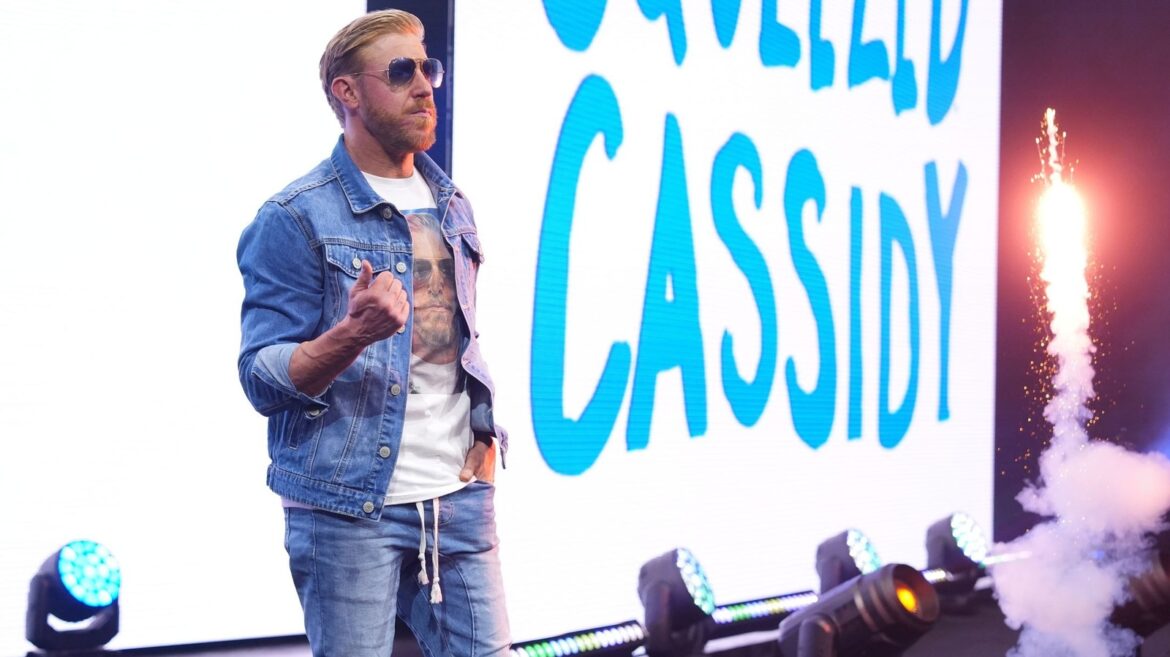
The emergence of David Finlay and the Bullet Club War Dogs as a legitimate threat within AEW’s landscape was undeniably a highlight of the evening. Their confrontation with the charismatic duo of Orange Cassidy and Darby Allin was a masterclass in television wrestling. Finlay, a seasoned competitor with a reputation forged in the intense atmosphere of New Japan Pro-Wrestling, was presented as the linchpin of this new aggressive faction. His inclusion in the match against Cassidy and Allin provided an immediate platform for him to showcase his "Savage King" persona to a broader AEW audience. Cassidy and Allin, known for their unique styles and ability to elevate their opponents, played their roles perfectly, acting as the ideal foils to highlight the brutality and intensity Finlay and his stablemates aimed to bring.
The narrative surrounding Finlay’s decision to remain with AEW rather than join his father and brother in WWE NXT added a layer of intrigue, suggesting a long-term commitment to Tony Khan’s promotion. This match served as a powerful statement of intent for the War Dogs. Historically, introducing a new, potentially dominant faction and having them suffer early losses can diminish their perceived threat. However, this encounter steered clear of that pitfall. The victory for Finlay and his fellow War Dog, Gabe Kidd, was not merely a win; it was a declaration. It signaled that this unit was not to be trifled with, and that their impact would be felt immediately. The chemistry between Cassidy and Allin was, as always, commendable. Their ability to weave a compelling story within the ring, even in defeat, demonstrated their veteran acumen and their commitment to building other talent. The post-match angle involving Roderick Strong, which teased a future trios encounter at Revolution pitting Cassidy, Allin, and Strong against the War Dogs, felt like a logical progression. While it keeps some key players occupied in a tag team scenario, it effectively positions the War Dogs as a formidable force, with Finlay at the forefront, ready to challenge for a more prominent spot on the roster. This segment, in essence, was excellent television wrestling: it was well-executed, served its narrative purpose, and successfully amplified the threat of a rising faction.
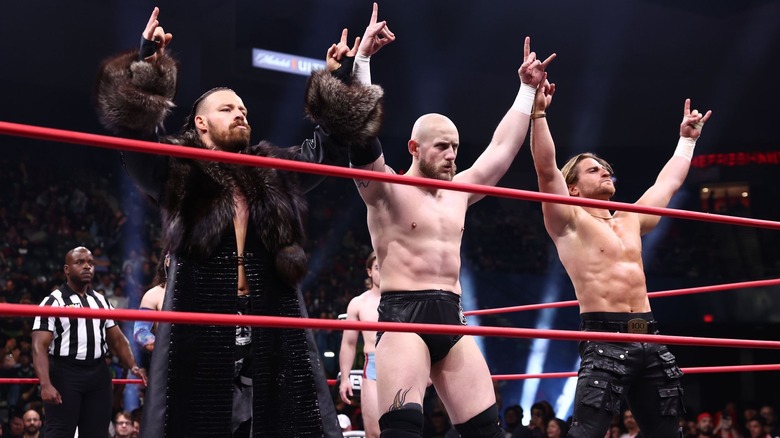
In stark contrast to the compelling narrative built around the War Dogs, the handling of Konosuke Takeshita’s apparent full turn towards a babyface alignment felt notably understated. The lead-up to his Continental Championship showdown against Jon Moxley at Revolution was framed by a multi-man tag team match, pitting Moxley and his Death Riders against Takeshita and the Don Callis Family. While the match itself was a standard, albeit solid, build-up bout, the post-match events concerning Takeshita’s character arc were significantly undersold. When Lance Archer offered Takeshita a steel chair to join in the beatdown of the opposing faction, Takeshita’s refusal was a clear indication of a shift in allegiance. However, this pivotal moment seemed to be largely overlooked. The commentary team barely registered the change, and the absence of a backstage segment to further explore or solidify this character evolution left a void.
In an era where social media buzz often dictates immediate fan engagement, the quiet nature of Takeshita’s apparent face turn was puzzling. Many observers had been anticipating this shift for some time, and its subtle introduction on a busy go-home show meant it failed to resonate with the impact it deserved. While it’s plausible that this turn will be more significantly explored at Revolution, potentially during or after his match with Moxley, its muted presentation on Dynamite felt like a missed opportunity to capitalize on the burgeoning narrative momentum. A more pronounced acknowledgment, perhaps through a brief interaction with Don Callis or a more explicit commentary discussion, could have amplified the significance of this character pivot, ensuring it didn’t get lost amidst the other pre-pay-per-view hype.
The TNT Championship match between Kyle Fletcher and "Speedball" Mike Bailey was, without question, a masterclass in athletic prowess and in-ring storytelling. For any doubters who might have questioned the capabilities of either Fletcher, as a member of the United Empire, or the supremely talented Bailey, this bout unequivocally dispelled those reservations. It was a showcase of breathtaking speed, innovative offense, and a relentless pace that kept the audience on the edge of their seats from bell to bell. Fletcher, already a recognized champion, demonstrated why he is considered one of the top talents in the promotion, while Bailey, with his unique blend of striking and high-flying maneuvers, proved that he is more than capable of competing at the highest level.
This encounter was, for many, the standout match of the evening, a testament to the sheer talent on display. The intricate sequences, the near falls, and the palpable intensity all contributed to a viewing experience that was both thrilling and highly engaging. The only slight criticism that could be leveled at the match was its conclusion. While understandable from a booking perspective—preserving both competitors for an upcoming AEW World Trios Championship encounter at Revolution—the interference-driven finish did slightly detract from the brilliance of the contest. However, even this interference felt somewhat organic, as the Don Callis Family is known for such underhanded tactics, making it a logical, if not ideal, way to conclude a match of such high caliber. It served the dual purpose of protecting both Fletcher and Bailey while simultaneously furthering the ongoing storylines involving the Callis Family.
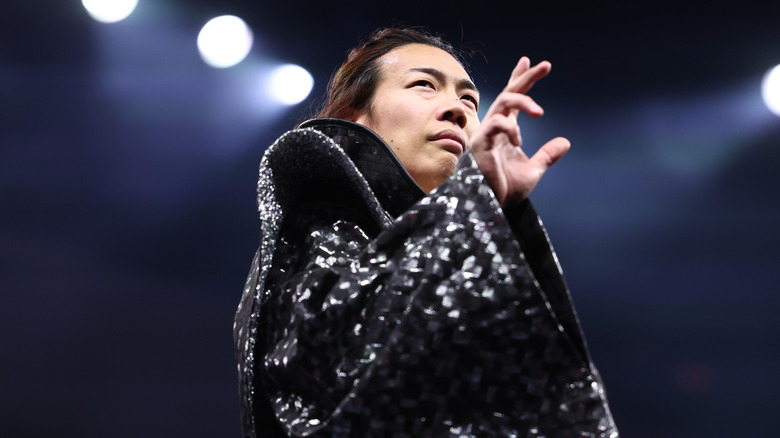
The glaring absence of key figures from the women’s division, particularly the AEW Women’s World Champion, in the lead-up to a major pay-per-view event like Revolution, was a significant point of concern. Despite the show being the final broadcast before the event, the spotlight on the women’s championship matches felt conspicuously dim. While Willow Nightingale successfully defended her TBS Championship against CMLL Women’s Champion Persephone in a commendable bout, and other women like Marina Shafir and Harley Cameron made appearances, the overarching narrative for the AEW Women’s World Championship and other prominent title matches felt underdeveloped. Thekla, Kris Statlander, and "Timeless" Toni Storm, all slated for significant bouts at Revolution, were notably absent from the main broadcast.
This lack of consistent visibility in the week leading up to a major event raises questions about the prioritization of the women’s division. While it’s acknowledged that talents may require time off, their absence from the crucial build-up phase, especially for championship contests, diminishes their stakes. The setup for Thekla’s defense against Statlander, a rematch that has been primarily relegated to AEW Collision, lacked the necessary fanfare on Dynamite. A well-placed video package or a brief recap segment could have significantly bolstered the perceived importance of this match for the live Dynamite audience. The stark contrast between the extensive press conference segment dedicated to the MJF-Hangman Page Texas Death Match and the minimal focus on the women’s championship bouts highlighted a perceived disparity in promotional emphasis. As AEW heads into its major pay-per-view schedule, ensuring that all championships and their respective contenders receive adequate and consistent build-up across all platforms is crucial for fostering sustained fan investment.
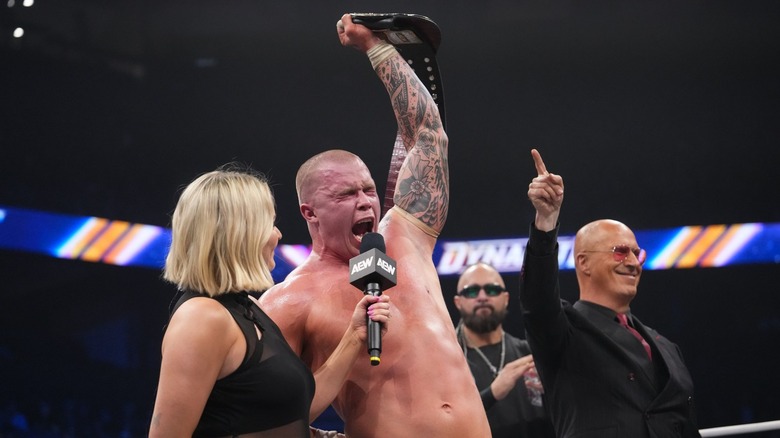
The TBS Championship contest between Willow Nightingale and CMLL Women’s Champion Persephone was a highlight, showcasing two dynamic performers who have carved out significant niches within the promotion. Their clash was more than just a championship defense; it was a meeting of two impressive talents, each holding prestigious titles – Nightingale as the reigning TBS and AEW Women’s World Tag Team Champion, and Persephone as the CMLL Women’s Champion. This confluence of championship accolades promised a compelling matchup, and the two delivered.
The match itself was a hard-fought battle, with Persephone coming agonizingly close to capturing the TBS Championship. Nightingale, a proven star capable of elevating her opponents, once again demonstrated her ability to create compelling narratives in the ring. Persephone, in turn, continued to impress, showing marked improvement and a growing command of the squared circle. Nightingale’s eventual victory, secured via a clever backslide counter, was a testament to her resilience. Crucially, the finish protected Persephone, allowing her to look strong in defeat and maintaining her credibility as a challenger. This win also advanced Nightingale’s ongoing storyline, positioning her as a champion actively defending multiple titles and setting the stage for potential future challenges against talents like Megan Bayne and Lena Kross, with the ambitious prospect of defending both her tag team and TBS titles on the same night.
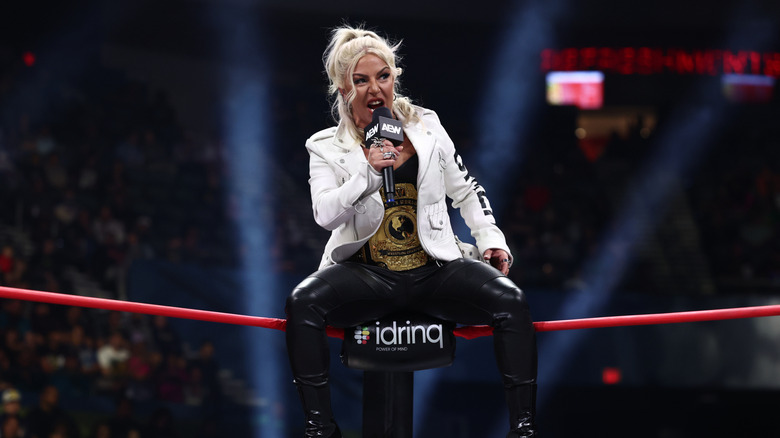
The closing segment of Dynamite, presented as a press conference to hype the AEW World Championship Texas Death Match between MJF and Hangman Page, proved to be a significant misstep. While the intention to underscore the importance of the main event was clear, the execution was deeply flawed. The segment felt like a carbon copy of less engaging press conferences from other promotions, characterized by superficial questions from members of the media and equally uninspired answers from the participants. This approach, aiming for a semblance of realism, ironically ended up highlighting the artificiality of the presentation.
The live audience’s reaction, punctuated by chants of "boring" and boos, served as a clear indictment of the segment’s lack of engagement. Placing such a lackluster segment on live television, especially when it was intended to build anticipation for a high-stakes main event, proved counterproductive. A contract signing or a segment where the wrestlers could directly interact with and feed off the crowd’s energy would have been a far more effective approach. While the ensuing brawl offered a brief moment of action, it was insufficient to salvage the overall quality of the segment. The presence of prominent wrestling journalists in the front row, such as Dave Meltzer, who were seemingly excluded from asking questions, further underscored the segment’s awkward and poorly conceived nature. This was not an effective way to build excitement for a marquee match and should be avoided in future broadcasts.