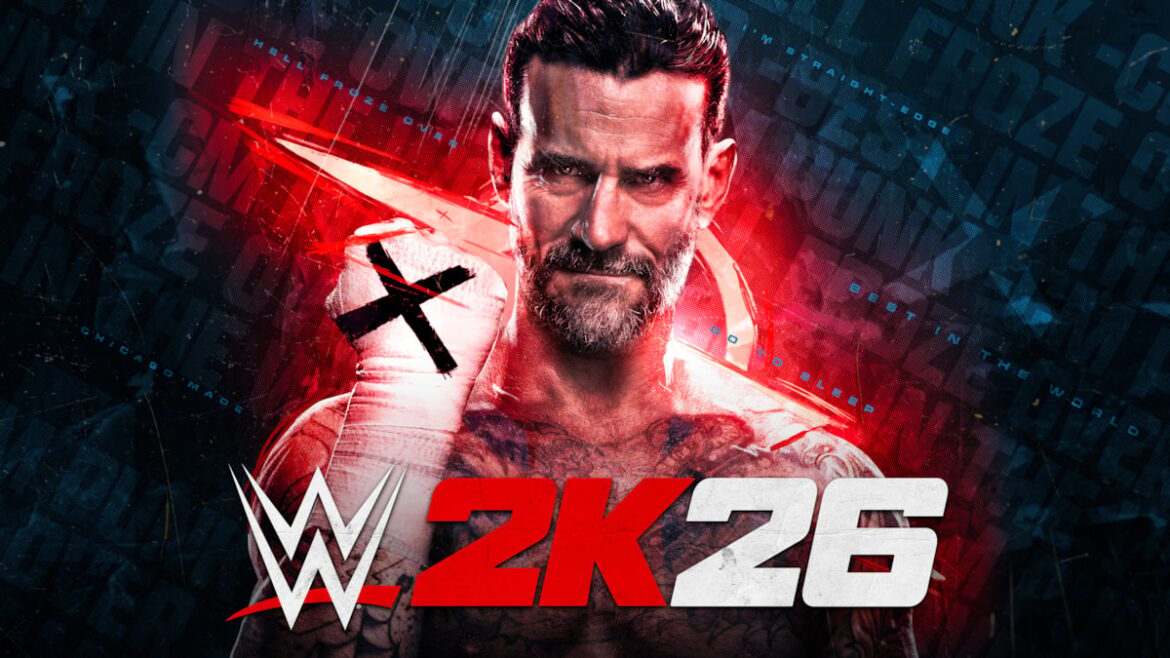
The digital squared circle is abuzz with activity, and as the worldwide launch of WWE 2K26 looms large on the horizon, the development team at 2K has delivered a crucial early intervention, rolling out patch 1.04. This significant update, arriving hot on the heels of the game’s early access debut and the preceding 1.03 patch, signifies a concerted effort to fine-tune the virtual wrestling experience before the broader player base steps into the arena. In an era where post-launch support can make or break a title’s legacy, especially within the highly scrutinized sports simulation genre, such proactive measures are not merely appreciated but have become an expected cornerstone of a successful game lifecycle. This particular patch zeroes in on enhancing overall gameplay performance and stability, alongside making critical adjustments to the popular Ringside Pass feature, ensuring that the foundational elements of WWE 2K26 are as robust and engaging as the in-ring action it seeks to emulate.
The journey of the WWE 2K franchise has been a storied one, mirroring the unpredictable highs and lows of professional wrestling itself. From the golden age of groundbreaking titles under different publishers to the eventual consolidation under the 2K banner, fans have witnessed a spectrum of quality. The series has navigated periods of immense acclaim, where the fidelity of character models, the depth of creation suites, and the fluidity of combat captivated legions of enthusiasts, to moments of profound disappointment, epitomized by the infamously troubled WWE 2K20. That particular installment, plagued by an avalanche of game-breaking bugs, visual glitches, and performance issues, left a bitter taste in the mouths of many, casting a long shadow over the franchise’s future. However, the subsequent release of WWE 2K22 marked a pivotal turning point, heralded as a triumphant return to form. It demonstrated a renewed commitment to quality, a rebuilding of trust with the community, and a significant overhaul of core gameplay mechanics. This renaissance continued with WWE 2K23 and WWE 2K24, each building upon the improved foundation, refining controls, expanding rosters, and introducing innovative game modes that kept the series on a positive trajectory. Against this backdrop of redemption and rising expectations, WWE 2K26 arrives carrying the weight of maintaining this upward momentum, and timely updates like patch 1.04 are instrumental in solidifying its position as a contender for the digital championship.
The modern gaming landscape, particularly for annual sports titles, has shifted dramatically towards a continuous development model. Gone are the days when a game was truly "finished" upon its disc pressing; today, the launch is often just the beginning of an ongoing journey of refinement and expansion. This paradigm is further complicated by the increasingly popular early access model, a privilege often granted to those who pre-order deluxe or special editions of a game. For WWE 2K26, this meant that a segment of the fanbase got their hands on the title days before its official March 13, 2026, global release. While early access serves as a tantalizing perk for dedicated fans, offering them a head start in career modes, a jump on unlocking legends, or simply more time to explore the vast offerings, it also functions as an invaluable live beta test for the developers. This initial wave of players generates a torrent of real-world usage data and feedback, highlighting unforeseen bugs, performance bottlenecks, and areas for immediate improvement that might have eluded even the most rigorous internal quality assurance processes. The rapid deployment of patch 1.04, following closely on the heels of the early access period and the previous 1.03 update, is a direct testament to the efficacy of this model, allowing 2K to address critical issues and optimize the experience for the broader audience waiting in the wings.
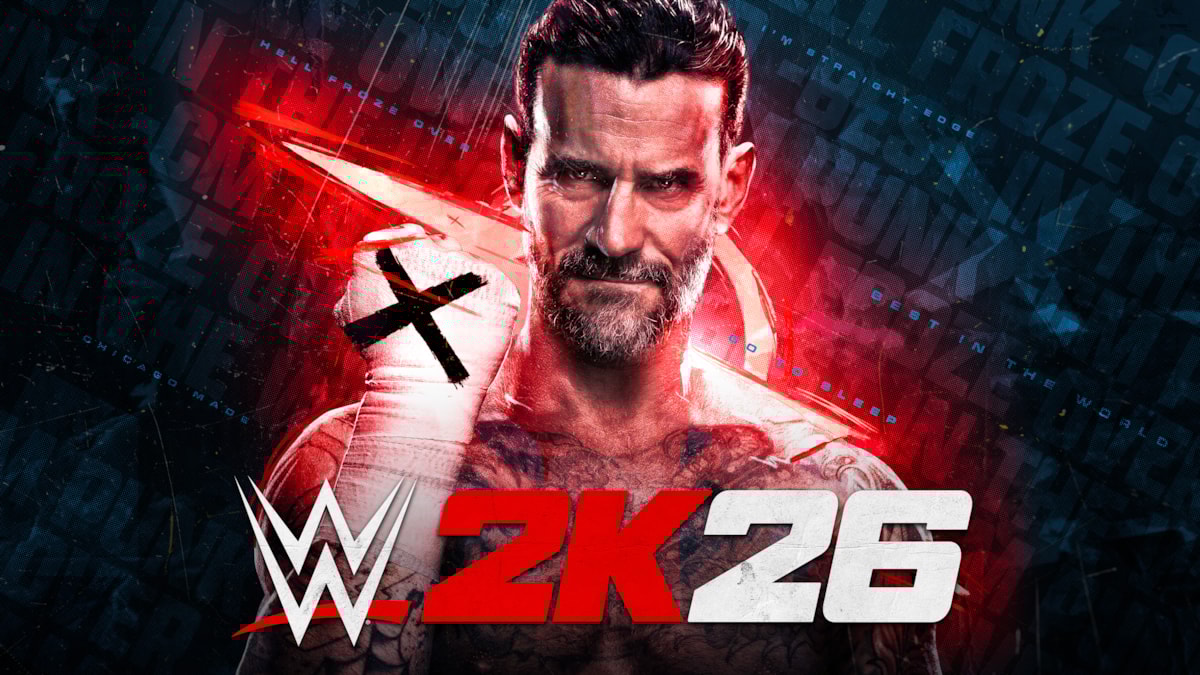
Delving into the specifics of patch 1.04, the primary focus areas—overall gameplay performance and stability—are arguably the most crucial pillars of any compelling video game experience. "Performance" in this context refers to the game’s ability to run smoothly, maintaining a consistent frame rate, especially during intense, multi-character sequences like Royal Rumbles or Elimination Chamber matches, where the screen can be filled with multiple detailed character models and dynamic environmental interactions. A choppy frame rate can shatter immersion, make precise timing difficult, and ultimately detract from the enjoyment of executing a perfectly timed reversal or a devastating finisher. "Stability," on the other hand, addresses the game’s resilience against crashes, freezing, and other unpredictable behaviors that can erase progress, corrupt save files, or force a complete restart. There’s nothing more frustrating for a player than investing hours into a MyGM season or painstakingly crafting a custom superstar, only to have their progress wiped out by an unexpected crash. This patch, therefore, aims to create a more seamless and reliable environment, ensuring that the digital squared circle is always ready for action, free from the kind of technical botches that can pull players out of the moment and leave them feeling cheated.
Beyond the fundamental improvements to performance and stability, patch 1.04 also brings "changes for Ringside Pass." The Ringside Pass, a staple in many modern gaming titles, typically functions as a seasonal content system, offering players a tiered progression path through which they can unlock a variety of in-game rewards. These rewards can range from new character models, attires, and arenas to unique creation suite parts, virtual currency, and experience boosts. Adjustments to such a system can be multifaceted. They might involve rebalancing the rate at which players earn experience or unlock tiers, ensuring a more satisfying and less grind-heavy progression curve. It could also entail correcting issues where specific rewards were not unlocking properly, or where certain challenges associated with the pass were bugged. Furthermore, developers sometimes fine-tune the content itself, perhaps swapping out less popular items for more desired ones, or making minor aesthetic alterations based on early player feedback. Given that the Ringside Pass often forms a significant part of the game’s long-term engagement strategy, ensuring its smooth operation and equitable reward structure is vital for keeping players invested well beyond the initial launch period. A fair and rewarding Ringside Pass encourages sustained play, fostering a vibrant community around the game and its evolving content.
The deployment schedule for patch 1.04 also provides interesting insights into the logistical complexities of modern multi-platform game development. The update went live for players on PlayStation 5, Xbox Series X, and Steam on March 11, 2026. This synchronized release across the leading current-generation consoles and PC platforms suggests a relatively streamlined certification process and consistent build quality across these systems. However, players eagerly anticipating the update on the Nintendo Switch 2 will need to exercise a bit more patience, as their patch is slated to go live on March 30. This staggered release is not uncommon in the industry and can be attributed to several factors. Each console manufacturer has its own unique submission and certification requirements, which can vary in their complexity and turnaround times. Furthermore, the technical architecture of the Nintendo Switch 2, while powerful, likely differs significantly enough from its Sony, Microsoft, and PC counterparts to necessitate a distinct build and rigorous testing cycle, potentially introducing additional development and approval hurdles. Ensuring optimal performance on each unique hardware configuration is a painstaking process, and developers often prioritize getting the most widely used versions of a patch out first, then focusing on optimizing for platforms with more unique technical considerations, thereby minimizing the risk of introducing new issues.
The proactive release of a significant patch like 1.04 even before the official worldwide launch speaks volumes about 2K’s dedication to delivering a polished product. In the fiercely competitive world of video games, first impressions are paramount. A smooth, stable, and enjoyable initial experience can generate positive word-of-mouth, attract new players, and encourage sustained engagement. Conversely, a buggy or underperforming launch can severely damage a game’s reputation, leading to negative reviews, player exodus, and a struggle to recover goodwill. The lessons from past missteps, particularly the 2K20 debacle, have clearly resonated within the development team. This commitment to continuous improvement, evidenced by the quick turnaround on early patches, positions WWE 2K26 to not only avoid past pitfalls but to establish a new benchmark for quality and player satisfaction within the wrestling game genre. It signals to the community that their feedback is valued and that the developers are actively working to iron out any kinks, ensuring that when the masses finally get their hands on the standard edition, the game is truly ready for its main event slot.

Beyond the immediate fixes, these early updates contribute significantly to the long-term health and perceived value of a game. A game that receives consistent and effective post-launch support often fosters a stronger, more loyal community. Players are more likely to invest their time and money into a title they know will be regularly updated, improved, and expanded upon. This includes not just bug fixes but also future content drops, character pack releases, and potentially even new gameplay mechanics or modes. For WWE 2K26, this ongoing commitment is crucial. The wrestling world is constantly evolving, with new superstars rising through the ranks, fresh storylines captivating audiences, and iconic moments being forged in the ring. A successful wrestling game must reflect this dynamism, staying current and relevant throughout its lifecycle. Patch 1.04 is merely the first step in what will undoubtedly be a series of updates designed to keep the game feeling fresh, competitive, and truly representative of the ever-changing landscape of World Wrestling Entertainment.
The impact of such patches extends into the realm of competitive play and content creation. A stable game environment is essential for those who engage in online multiplayer matches, where latency, glitches, or crashes can unfairly influence outcomes. Pro-gamers and casual enthusiasts alike demand a level playing field, and performance enhancements ensure that skill, rather than technical issues, determines victory. Similarly, the vast community of content creators, who spend countless hours designing custom arenas, championships, and superstars, or producing elaborate video content, rely on a robust and reliable creation suite. Bugs in these tools can stifle creativity and prevent the community from fully realizing their visions. By addressing these core elements, 2K is not just improving the game for individual players but also empowering the broader ecosystem that thrives around the WWE 2K franchise, enriching the overall experience for everyone involved.
Looking ahead, the successful integration of patch 1.04 lays a strong foundation for the future trajectory of WWE 2K26. It suggests a development philosophy that prioritizes stability and player experience, characteristics that are vital for any long-running franchise. As the game matures, players can anticipate further refinements, additional roster members through DLC packs, and potentially new gameplay features that build upon the already solid base. The initial weeks and months following a major game release are critical for establishing its reputation and ensuring its longevity. By tackling critical issues early, 2K demonstrates a responsiveness that can convert early adopters into long-term champions of the title. This proactive approach helps to cultivate a sense of trust and partnership between the developers and the player community, which is an invaluable asset in the highly interactive world of modern gaming.
In conclusion, patch 1.04 for WWE 2K26 is far more than just a routine update; it represents a significant declaration of intent from 2K. By prioritizing gameplay performance, stability, and the fine-tuning of the Ringside Pass, the development team is actively working to ensure that the initial experience for the legions of wrestling fans around the globe is as smooth, immersive, and enjoyable as possible. This early intervention, strategically timed before the game’s full worldwide debut, underscores the critical role of post-launch support in the modern gaming era and the ongoing commitment to delivering a premium digital wrestling experience. As the countdown to March 13, 2026, continues, and with the Nintendo Switch 2 update slated for the end of the month, the stage is now set for WWE 2K26 to not just enter the ring, but to truly dominate it, offering fans a virtual journey to championship glory built on a solid and well-polished foundation.