
The landscape of WWE SmackDown on March 13th, 2026, presented a complex tapestry of promising developments and perplexing detours, leaving the audience with a mixture of anticipation and frustration. As the road to WrestleMania 42 continued to solidify, certain narrative arcs began to crystallize, while others felt mired in repetition and questionable creative choices. This broadcast offered a compelling glimpse into the machinations of the blue brand, showcasing both the potent storytelling capabilities of the roster and moments where those capabilities seemed to falter under the weight of protracted storylines and predictable outcomes. From seismic character shifts to the slow-burn build-up of mid-card rivalries, SmackDown aimed to deliver the crucial penultimate punches before the biggest show of the year, and for the most part, it succeeded in generating significant talking points, even if some of those points were born from disappointment.
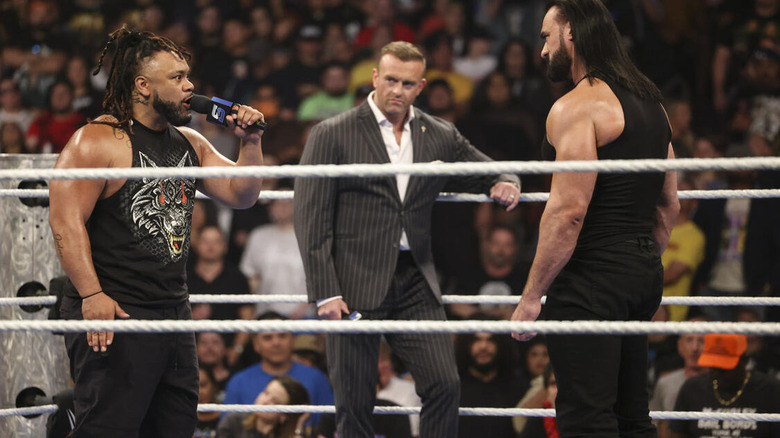
One of the most impactful narrative developments that resonated positively was the apparent departure of Drew McIntyre from the SmackDown brand. The opening segment of the show set a tone of raw intensity, a welcome departure from the often measured and diplomatic interactions that typically commence SmackDown broadcasts. McIntyre and General Manager Nick Aldis engaged in a heated exchange that crackled with genuine animosity, effectively escalating the simmering tensions that had been building between them, along with the looming presence of Jacob Fatu. This confrontation wasn’t just about backstage politics; it felt like a visceral expression of professional frustration and a clear indication of McIntyre’s discontent. The inclusion of Fatu as the catalyst and potential beneficiary of this turmoil immediately positioned him as a significant threat, hinting at a monumental clash on the grandest stage. The dramatic conclusion, with McIntyre declaring his resignation, opened a Pandora’s Box of creative possibilities. Whether this signifies a permanent move to another brand, a brief hiatus, or the prelude to a more intense, unsanctioned bout against Fatu at WrestleMania 42, the decision injected a much-needed dose of unpredictability into McIntyre’s trajectory and the broader championship picture. It was a bold move that suggested a willingness to explore unconventional storytelling, a departure from the usual paint-by-numbers booking that can sometimes plague WWE’s long-term planning. The strategic placement of this segment at the beginning of the show ensured that the audience was immediately invested, setting a high bar for the rest of the broadcast and leaving them eager to see how this dramatic turn of events would unfold. This particular storyline segment felt like a breath of fresh air, a departure from the established norms that often leave fans feeling a sense of déjà vu. The raw emotion and the potential for significant shifts in the roster dynamics made it a standout moment.
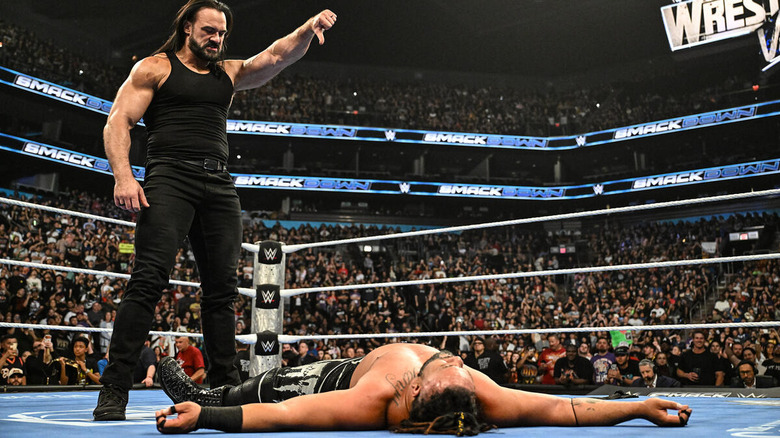
However, the narrative momentum generated by McIntyre’s dramatic exit was, in the eyes of some observers, quickly and decisively undermined by the subsequent booking decisions. The very next development saw the creation of a match between Jacob Fatu and Trick Williams, two individuals who are clearly being positioned for significant roles at WrestleMania 42. The immediate foreshadowing of McIntyre’s involvement felt almost inevitable, and indeed, his interference proved to be the decisive factor in the outcome. While the fact that Trick Williams secured a clean pinfall over Fatu was a positive for Williams’ burgeoning career, the manner in which it occurred, through McIntyre’s disruptive presence, diminished the impact of the supposed "quit" from the opening segment. This repeated pattern of McIntyre interfering in matches, regardless of his supposed employment status, began to feel stale and repetitive. The subsequent announcement that McIntyre would face Fatu in a singles match the following week, mere hours after he had ostensibly relinquished his position on SmackDown, further exacerbated the frustration. This progression felt disingenuous and predictable, suggesting that the "quitting" angle was merely a fleeting dramatic device rather than a genuine narrative pivot. The expectation that this next encounter would also conclude without a definitive winner, likely setting the stage for a stipulation-added match at WrestleMania, felt like an unnecessary elongation of a storyline that could have been more effectively streamlined. The decision to introduce such a significant plot point only to immediately circumvent it with standard WWE booking tropes left many feeling that the creative team had missed an opportunity to truly innovate and deliver a more compelling narrative. The perceived lack of genuine consequence for McIntyre’s actions, and the immediate return to familiar booking patterns, detracted significantly from the initial impact of his departure.
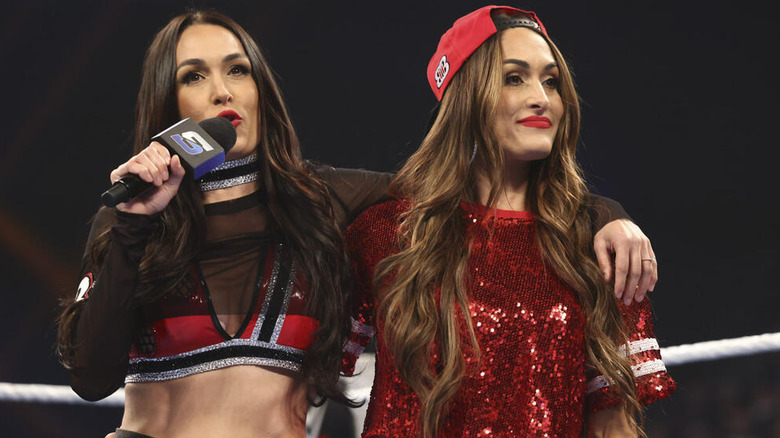
On a more positive note, the SmackDown broadcast showcased promising advancements in the development of the women’s mid-card championship picture heading into WrestleMania 42. With the top-tier Women’s and World Women’s Championship matches already largely established, the focus shifted towards solidifying the contenders and potential matchups for the Women’s United States Championship and the women’s tag team titles. The return of the Bella Twins, while perhaps a point of contention for some, served as a catalyst for creating a compelling narrative direction for the women’s tag team division. The apparent trajectory towards a triple-threat scenario, involving established stars like Charlotte Flair and Alexa Bliss alongside Nia Jax, added significant intrigue. The interference by Brie Bella in the tag title match between Nia Jax and Lash Legend, leading to a disqualification, clearly signaled their intent to insert themselves into the championship picture. While some may question the necessity of the Bellas’ involvement, their presence, particularly in a limited capacity leading up to a potential tag title win at WrestleMania, can be seen as a strategic move to elevate the division and provide a veteran presence. Furthermore, the development surrounding the Women’s United States Championship was particularly encouraging. Instead of a predictable rematch between Tiffany Stratton and Jade Cargill, the spotlight appears to be shifting towards a captivating showdown between Stratton and the reigning champion, Giulia. This pairing promises a dynamic and hard-hitting contest, and even if Giulia’s reign concludes at WrestleMania, her inclusion on the card in a significant match against a rising star like Stratton is a positive step. The build-up, with Stratton defeating Kiana James to seemingly earn her opportunity, felt like a well-executed progression. The fact that these potential matchups, while not officially confirmed, are taking shape in line with industry reports suggests a thoughtful approach to building out the women’s division for the company’s marquee event. The increased representation of the women’s division on the WrestleMania card, coupled with relatively straightforward storytelling leading into these bouts, offered a welcome sense of clarity and purpose.
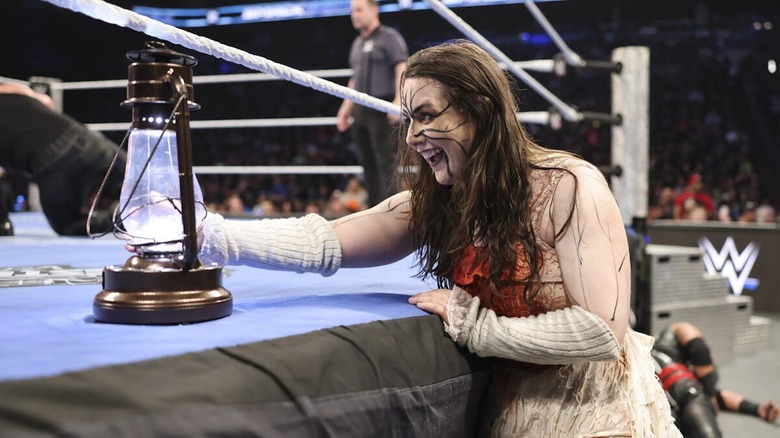
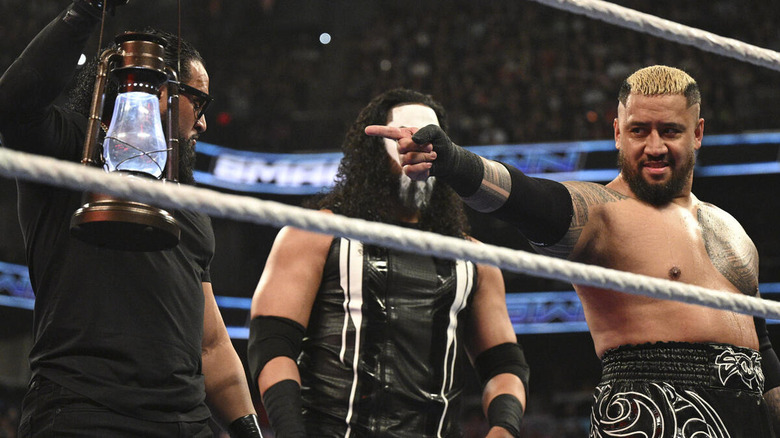
Conversely, the prolonged and seemingly interminable saga involving the Wyatt Sicks and the "Mere Followers of the Truth" (MFTs) continued to be a source of significant creative fatigue. The latest installment of this ongoing narrative saw the cryptic lantern, a central prop in the feud, change hands once again. Following a victory that involved Nikki Cross distracting Solo Sikoa, allowing Uncle Howdy to execute a Sister Abigail, the celebration was cut short by the intervention of Tama Tonga. Tonga swiftly and unceremoniously absconded with the lantern, while Cross watched helplessly and the MFTs formed a formidable blockade on the ramp. This sequence of events felt less like a progression of the storyline and more like an intentional extension, designed to keep the feud alive until WrestleMania. For those who have been following this angle since its inception, the lack of definitive resolution and the repetitive nature of the conflict have become a significant deterrent. The continued focus on this particular feud, despite the emergence of a new contender team in Damien Priest and R-Truth (dubbed "Faux DIY") for the tag team championships, suggests a continued commitment to dragging out the MFTs versus Wyatt Sicks conflict. The creative implications for Priest and Truth remain uncertain, with possibilities ranging from their inclusion in a triple-threat tag team match to a separate bout at a later date. The lack of faith in WWE’s ability to inject originality into this protracted storyline is palpable, leading to a pervasive sense of resignation among the audience. The narrative has become so drawn out that any potential for genuine surprise or excitement has been significantly diluted, leaving fans anticipating the inevitable, rather than genuinely engaged by the unfolding events. The repetitive structure and the perceived lack of forward momentum have transformed this once intriguing supernatural angle into a tedious exercise in narrative endurance.
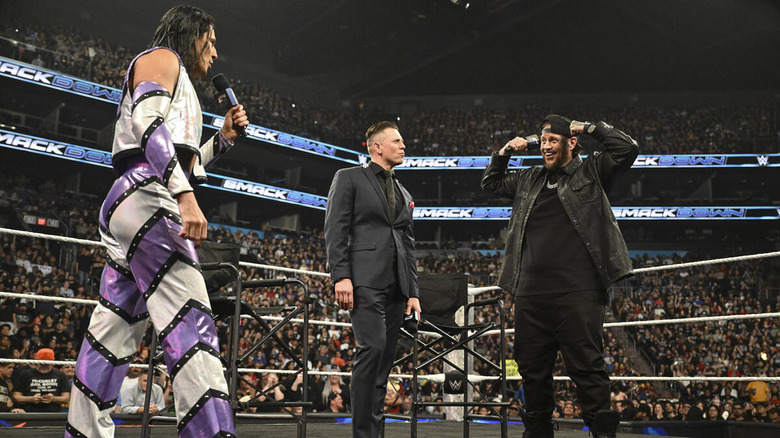
Another segment that failed to land with its intended impact involved the musical artist Jelly Roll and the wrestler Kit Wilson. While the presence of a musical guest during WrestleMania season is a common occurrence, the execution of this particular segment left much to be desired. The initial backstage interaction between Danhausen and The Miz, which involved Danhausen casting a curse upon Miz ahead of his "Miz TV" segment, offered a glimmer of promise. However, the appearance of Jelly Roll in the ring for "Miz TV" itself proved to be somewhat confusing. The attempt by The Miz to recruit Jelly Roll as a tag team partner was met with a reasoned comeback from the artist, referencing The Miz’s history of betraying partners. While this exchange had a degree of wit, the subsequent appearance of Kit Wilson injected a layer of bewilderment. The reasoning behind Wilson’s involvement, which seemed to stem from his personal distaste for Jelly Roll’s facial tattoos and past legal issues, felt flimsy and poorly articulated. This rationale, framed within Wilson’s notion of "toxic masculinity," did not translate into a clear or compelling narrative. The lack of a discernible plan for Jelly Roll and Wilson as a potential tag team, especially with WrestleMania on the horizon, left the audience questioning the purpose of their interaction. The announcement that Wilson would be "calling out" Jelly Roll the following week, a move that seemed to mirror the actions already taken during the segment, further compounded the confusion. The segment’s overall lack of clarity and its seemingly aimless progression contributed to a feeling of anticlimax, failing to generate any significant buzz or anticipation for future developments. The connection between Wilson, Jelly Roll, and The Miz felt disjointed, leaving the audience to speculate on the intended direction, with little confidence that it would lead to a satisfying conclusion.
On a more positive note, the return of Randy Orton as a villainous force, the iconic "Viper," proved to be a significant highlight of the broadcast. The anticipation for a confrontation between Orton and Cody Rhodes had been building since Orton’s victory in the Elimination Chamber, securing an opportunity at the WWE Championship. The subsequent progression, with Rhodes defeating Drew McIntyre and the contract signing for their WrestleMania main event, had been characterized by a somewhat restrained, almost respectful, dynamic between the two competitors. This approach, while acknowledging their history, lacked the raw emotion and animosity that such a high-stakes championship feud demands. The contract signing segment, however, provided the much-needed injection of intensity. Orton’s sudden, unprovoked attack on Rhodes, starting with a low blow that caught the audience off guard, signaled a decisive shift. This act of unbridled aggression effectively shattered the facade of civility and re-established Orton in his most potent persona. The ensuing violence and Orton’s subsequent return for another brutal assault underscored the depth of his malice and the personal nature of this rivalry. This heel turn not only reignited the excitement surrounding Orton’s character but also provided Cody Rhodes with the perfect foil to further develop his own journey. Facing his former friend and mentor, who has turned on him due to the very championship Rhodes fought so hard to attain, creates a compelling narrative arc. This dynamic allows for the exploration of deeper themes of betrayal, ambition, and the corrupting influence of power. The return of the Viper injects a potent dose of unpredictability and menace into the road to WrestleMania, promising a captivating and emotionally charged main event that fans have been yearning to witness for a considerable time. The raw emotion and the palpable hatred displayed by Orton were a stark contrast to the earlier, more subdued interactions, and it effectively set the stage for a truly compelling championship storyline.