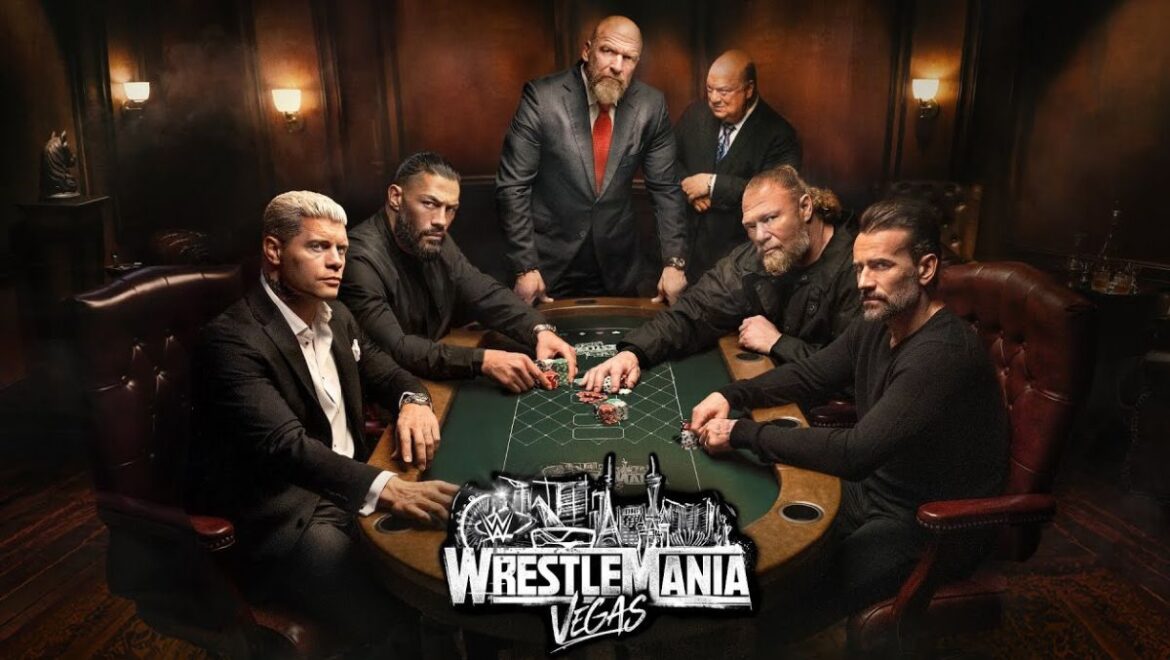
For years, the allure of WrestleMania, the grandest spectacle in professional wrestling, was amplified by an exclusive aura. While legions of fans would flock to the host city, eager to immerse themselves in the electric atmosphere of live attendance, a significant portion of the local populace found themselves on the outside looking in. This was due to a stringent policy implemented by World Wrestling Entertainment, often referred to as a "blackout," which prohibited public viewing parties at bars, restaurants, and other venues within a certain radius of the stadium hosting the event. The intention was clear: to maximize ticket sales for the main attraction and ensure that the primary revenue stream flowed directly into the coffers of WWE and the chosen stadium. This strategy, while understandable from a business perspective, often created a sense of exclusion for wrestling enthusiasts in the host city who, for various reasons, couldn’t secure a ticket to the live event. However, for WrestleMania 42, set to unfold in the dazzling entertainment capital of Las Vegas, this long-standing practice has been rescinded, signaling a significant shift in WWE’s approach to fan engagement within its host cities.
The confirmation of this policy change came from a prominent Las Vegas establishment, Stadium Swim at the Circa, a popular venue renowned for its massive poolside screens and vibrant atmosphere. Initially, the venue had advertised their plans to host a watch party for WrestleMania, only to face inquiries regarding the potential for a WWE-imposed blackout. The swift and definitive response from the Stadium Swim administration, stating unequivocally that the blackout had been lifted, sent ripples of excitement through the local wrestling community. This announcement wasn’t just about one venue; it represented a broader concession from WWE, acknowledging the desire of fans to celebrate the event collectively, even if they weren’t physically present within Allegiant Stadium. The decision to lift the blackout is a testament to the evolving landscape of sports and entertainment consumption, where shared experiences and community engagement are increasingly valued.
The roots of WWE’s blackout policy can be traced back to a more traditional approach to event promotion, where exclusivity was a key selling point. In an era where pay-per-view broadcasts were the primary alternative to live attendance, WWE aimed to create a scarcity effect for its flagship event. By preventing public gatherings from viewing the show, they incentivized fans to purchase tickets, thereby directly contributing to ticket sales and the overall economic impact associated with the event. This strategy was common across many major sporting leagues and entertainment properties, aiming to protect their primary revenue streams. However, as the media landscape has diversified, with streaming services and widespread internet access becoming ubiquitous, the effectiveness and fairness of such rigid blackout policies have come under scrutiny.
Recent weeks have seen a growing chorus of discontent from various stakeholders within Las Vegas. Numerous casinos, hotels, and tourism operators had voiced their frustrations to WWE regarding the restrictive blackout. These businesses, which rely heavily on the influx of visitors for major events like WrestleMania, saw the blackout as a missed opportunity to capitalize on the event’s popularity. They argued that even fans attending watch parties would still patronize their establishments, dine at their restaurants, and potentially spend money on other entertainment options, thereby contributing to the overall economic prosperity of the city. The sentiment was that the economic benefits of WrestleMania should extend beyond the confines of Allegiant Stadium and permeate throughout the Las Vegas tourism ecosystem.
Furthermore, officials within the city administration had also expressed their reservations. The decision to commit significant financial resources, such as a site fee from the Las Vegas Convention and Visitors Authority Board of Directors, was predicated on the expectation of a broad economic stimulus for the entire metropolitan area. These officials understood that hosting an event of WrestleMania’s magnitude involved a considerable investment, and the justification for this investment lay in the widespread economic impact it would generate. A policy that actively discouraged public gatherings and potential revenue generation for local businesses was seen as counterproductive to this overarching goal. The anonymous sentiment from one individual involved in these discussions highlighted this crucial point: the site fee was intended to benefit the entire city, not just WWE and the stadium.
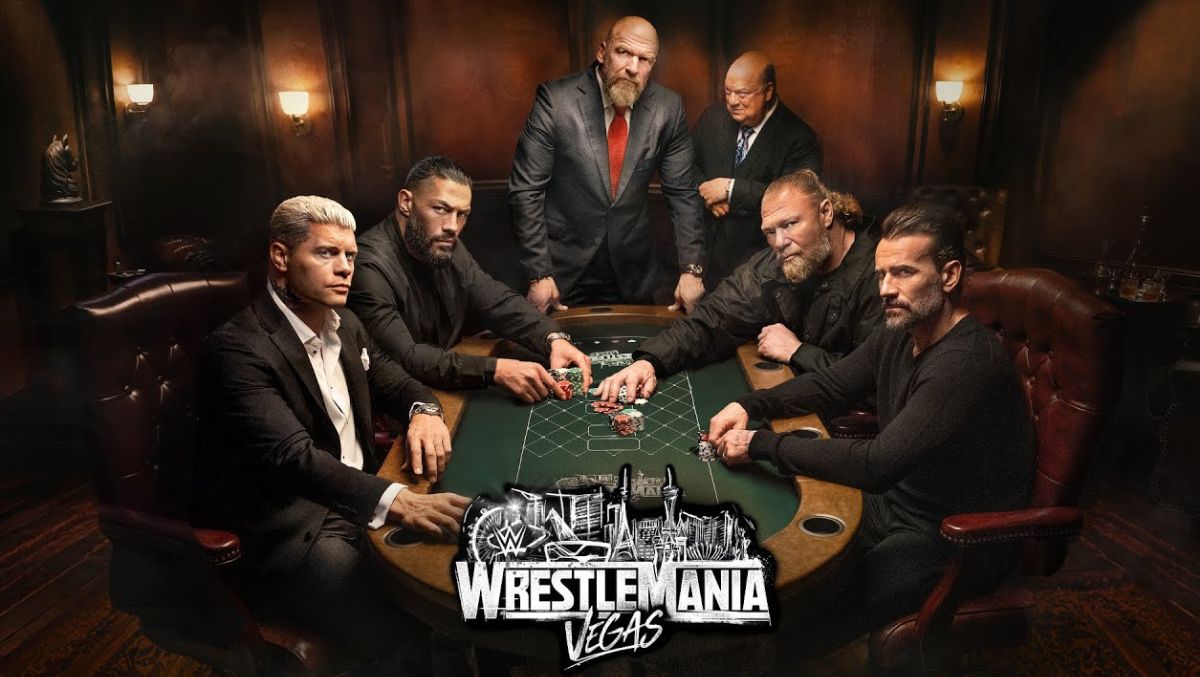
WrestleMania 42 itself is scheduled to be a monumental two-night affair, a testament to the growing scale and ambition of WWE’s premier event. Slated to take place on Saturday, April 18th, and Sunday, April 19th, the action will commence each day at 2:30 PM local time. This expanded format allows for a more comprehensive storytelling experience and a deeper dive into the diverse array of talent on the WWE roster. The decision to hold the event in Las Vegas, a city synonymous with spectacle and entertainment, is a fitting choice, promising an unforgettable weekend for wrestling aficionados. With the blackout now lifted, fans across the city will have the freedom to gather in various venues, from sports bars to dedicated viewing lounges, to share in the excitement and drama that only WrestleMania can deliver.
The lifting of the blackout policy is more than just a minor adjustment; it represents a strategic evolution in WWE’s approach to event management and fan engagement. In an era where fan loyalty and community building are paramount, WWE seems to be recognizing the value of fostering a more inclusive and celebratory environment around its biggest events. By allowing public watch parties, WWE not only generates goodwill among fans who might not be able to attend live but also indirectly benefits the local economy by encouraging spending and social gatherings. This move aligns with a broader trend in the entertainment industry, where companies are increasingly seeking ways to engage with their audiences beyond the traditional consumption models.
The historical context of WrestleMania’s growth further illuminates the significance of this policy change. From its humble beginnings as a single-night event in Madison Square Garden, WrestleMania has blossomed into a global phenomenon, attracting hundreds of thousands of fans to its host cities and generating billions of dollars in economic impact. Each year, the selection of a host city becomes a major talking point, and the surrounding festivities often extend far beyond the stadium itself. The ability for fans to gather and share their passion for professional wrestling in a communal setting, whether at a local pub or a dedicated fan zone, is an integral part of the WrestleMania experience for many. By removing the artificial barriers of the blackout, WWE is allowing this organic fan culture to flourish.
Moreover, this decision can be seen as a response to the changing demographics and preferences of wrestling fans. While dedicated wrestling fanatics will always strive for a live attendance experience, a significant segment of the audience enjoys the camaraderie and shared excitement of watching events with friends and fellow fans in a more relaxed and accessible setting. The proliferation of sports bars and entertainment venues equipped with large screens and sound systems has made public viewing parties a popular and viable alternative. WWE’s acknowledgment of this trend and their willingness to adapt their policies demonstrates a forward-thinking approach to catering to the diverse needs of their fanbase.
The economic implications for Las Vegas are also noteworthy. While the primary economic driver remains ticket sales and stadium revenue, the ripple effect of widespread watch parties cannot be understated. Local businesses that might have previously been excluded from capitalizing on WrestleMania’s presence can now actively promote viewing events, drawing in customers who might otherwise have stayed home. This can lead to increased sales of food, beverages, and merchandise, providing a tangible economic boost to a wide range of establishments across the city. The Las Vegas Convention and Visitors Authority’s investment in hosting the event is likely to yield a more substantial return when the entire city is empowered to participate in the celebration.
Looking ahead, this decision by WWE may set a precedent for future WrestleMania events. As the company continues to explore new host cities and expand the reach of its flagship event, a more flexible and inclusive approach to public viewing policies could become the norm. This would not only enhance the fan experience but also foster stronger relationships between WWE, its host cities, and the local business communities. The era of strictly enforced blackouts might be drawing to a close, replaced by a more collaborative and community-oriented model that recognizes the multifaceted nature of modern entertainment consumption. For wrestling fans in Las Vegas, the prospect of celebrating WrestleMania 42 together, in all its unchained glory, is a welcome development that promises to make this year’s event truly memorable. The spectacle is no longer confined to the stadium walls; it’s ready to engulf the entire city.