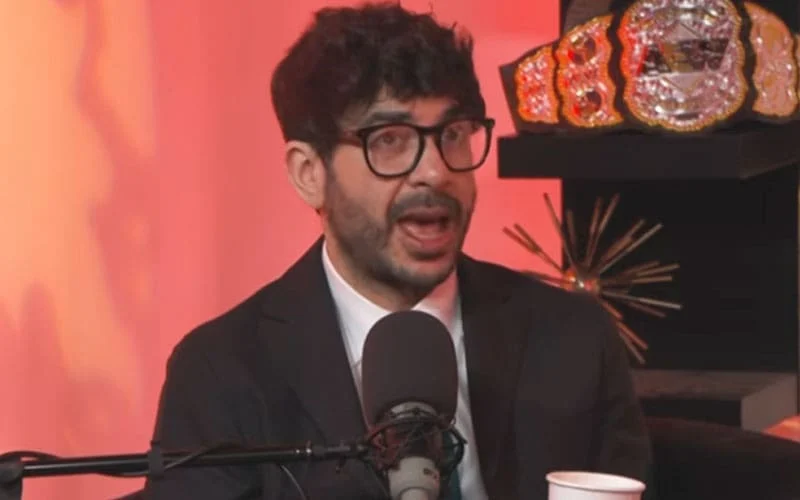
The landscape of professional wrestling underwent a seismic shift in 2019 when All Elite Wrestling first opened its doors, promising a distinct alternative to the established order. Since that inaugural night in Las Vegas, the promotion has navigated a rapid journey from a plucky upstart to a global powerhouse. Central to this journey has been a recruitment strategy that is as aggressive as it is diverse. Tony Khan, the visionary founder and president of the organization, has recently reflected on the current state of his locker room, asserting that the roster has reached its most potent and formidable form to date. This strength, according to Khan, is the result of a deliberate and intricate balancing act between the foundational stars who helped launch the brand and a relentless influx of world-class talent that has accelerated significantly over the last twelve months.
At the heart of the company’s identity are the performers who have been present since the beginning, often referred to by the fanbase as the AEW Originals. These athletes provided the initial spark that allowed the promotion to secure a television deal and build a loyal following. Khan takes immense pride in the fact that many of these cornerstone figures remain central to the programming. Jon Moxley, who arrived as a revolutionary force at the end of the first Double or Nothing, continues to serve as a gritty moral compass for the company. Alongside him, the rise of home-grown talent like MJF, who transformed from a cocky prospect into a generational world champion, serves as a testament to the promotion’s ability to cultivate its own icons. Figures like Hangman Adam Page, Darby Allin, and Orange Cassidy have become synonymous with the brand, each carving out a unique niche that resonates with a broad demographic of viewers. Even in the women’s division, the longevity and evolution of stars like Chris Statlander highlight a commitment to those who took a chance on the fledgling league five years ago.
However, a professional wrestling roster cannot remain static if it hopes to maintain its momentum in an ever-changing entertainment market. Khan has masterfully integrated several waves of talent into the fold over the years, ensuring that the product never feels predictable or stagnant. He points to an intermediate period where the company secured the services of individuals who have since become indispensable. Swerve Strickland is perhaps the most glaring example of this success, evolving from a respected tag team competitor into one of the most charismatic and dangerous world champions in the industry. Similarly, the transformation of Toni Storm into the "Timeless" persona has provided some of the most creative and talked-about segments in recent memory. These additions were bolstered by the arrival of seasoned veterans and legends who brought a level of prestige and technical mastery that few could match. The presence of Samoa Joe and Bryan Danielson did more than just provide incredible matches; it raised the bar for everyone in the locker room, forcing the younger talent to elevate their game or be left behind.
While the gradual growth of the roster was always part of the plan, the last year has seen an unprecedented spike in recruitment. Khan has admitted that the volume of new signings over the past twelve months has surpassed any other period in the company’s history. This surge was not merely about adding numbers to a list, but about securing the future of the promotion by identifying the best available talent across the globe. This aggressive expansion has created a dynamic where every episode of Dynamite, Collision, or Rampage feels like a high-stakes showcase. The influx of new faces has allowed for fresh rivalries and first-time encounters that were previously thought impossible. By continuously bringing in top-tier performers, the organization ensures that it remains at the forefront of the cultural conversation within the wrestling community.
One of the most significant aspects of this recent recruitment drive was the acquisition of three of the most sought-after free agents in the history of the business. Tony Khan famously referred to this as a pivotal "triangle" of signings that occurred over the winter and early spring. The arrival of Will Ospreay, Kazuchika Okada, and Mercedes Moné represented a turning point for the promotion. Ospreay, widely considered one of the greatest in-ring performers of his generation, brought an unparalleled level of athleticism and intensity. Okada, the "Rainmaker" whose legendary status in Japan is undisputed, added an aura of international royalty and a psychological depth to the heavyweight division. Mercedes Moné, the "CEO," provided the women’s division with a global superstar whose mainstream crossover appeal and championship pedigree are second to none. Together, these three signings signaled to the world that AEW was not just a landing spot for talent, but the primary destination for the absolute best in the industry.
The expansion has also reached into the international and independent scenes, bringing in fresh perspectives and varied wrestling styles. Khan has highlighted the emergence of younger, hungry stars who are just beginning to make their mark on the national stage. Names like Kevin Knight and "Speedball" Mike Bailey represent a new breed of high-octane performers who have successfully transitioned into the AEW ecosystem. Furthermore, the women’s division has seen a significant boost with the arrival of international standouts. Tekla, who has held championship gold and made a massive impact in a short amount of time, serves as a prime example of how the promotion is scouting the global market to find the most talented individuals available. This commitment to diversity in style and background ensures that the product offers something for every type of wrestling fan, whether they prefer technical grappling, high-flying acrobatics, or character-driven drama.
Maintaining such a massive and talented roster presents its own set of challenges, particularly when it comes to managing screen time and keeping every performer engaged. However, Khan views this depth as his greatest asset rather than a burden. A larger roster allows for more variety and prevents the burnout that can often plague performers in a year-round touring schedule. It also provides the creative team with a deep well of talent to draw from when injuries occur or when a storyline needs a fresh injection of energy. By having a mix of established legends, current superstars, and rising prospects, the promotion can build long-term narratives that span months or even years, while still delivering "dream matches" on a weekly basis. The internal competition for spots on the card fosters an environment where everyone is motivated to deliver their best possible performance every time they step through the curtain.
The philosophy behind this rapid growth is rooted in the idea of evolution. Khan believes that a wrestling league must constantly change and adapt to remain relevant. By adding more new talent in the past year than in several years combined, he is effectively future-proofing the company. This strategy ensures that as the "Originals" eventually transition into different roles or phases of their careers, there is already a proven and popular crop of stars ready to take their place at the top of the mountain. It creates a sense of perpetual motion, where the product is always moving toward the next big thing. For the fans, this means there is always a reason to tune in, as the next debut or the next major title shift could be just around the corner.
The current state of the roster also reflects the changing nature of the wrestling industry itself. We are living in an era where the barriers between different promotions have become more porous, and the concept of a "free agent" has never been more exciting. Khan’s ability to navigate these waters and secure the signatures of top talent from around the world has established AEW as a central hub for the global wrestling community. Whether it is through direct signings or strategic partnerships with other organizations, the goal remains the same: to assemble the most impressive collection of wrestling talent ever seen under one roof. The sheer volume of high-caliber performers currently under contract is a testament to the financial health and creative ambition of the organization.
As the company looks toward the future, the integration of these new stars will continue to be a primary focus. The challenge lies in ensuring that the "Day One" fans still feel connected to the original spirit of the promotion while embracing the new faces that are defining its current era. Khan’s comments suggest a high level of confidence in this balancing act. He sees the blend of the old guard and the new wave as a symbiotic relationship where both groups benefit from the other’s presence. The veterans provide the stability and the history, while the newcomers provide the excitement and the untapped potential. This synergy is what makes the current product so compelling to a wide range of viewers.
Ultimately, the story of All Elite Wrestling’s roster growth is a story of ambition. It is about a promoter who refused to settle for a small, niche audience and instead chose to build a global brand capable of competing at the highest level. By investing heavily in talent and prioritizing the quality of the in-ring product, Tony Khan has created a locker room that is the envy of the industry. The past year has been a whirlwind of activity, marked by massive debuts and career-defining performances. If the current trajectory is any indication, the evolution of the roster is far from over. As more wrestlers find their way to the promotion and help shape its future, the "Elite" standard will only continue to rise, promising a new golden age for fans of professional wrestling worldwide. The foundation is set, the stars are aligned, and the next chapter of this expansion is already being written in rings across the country.