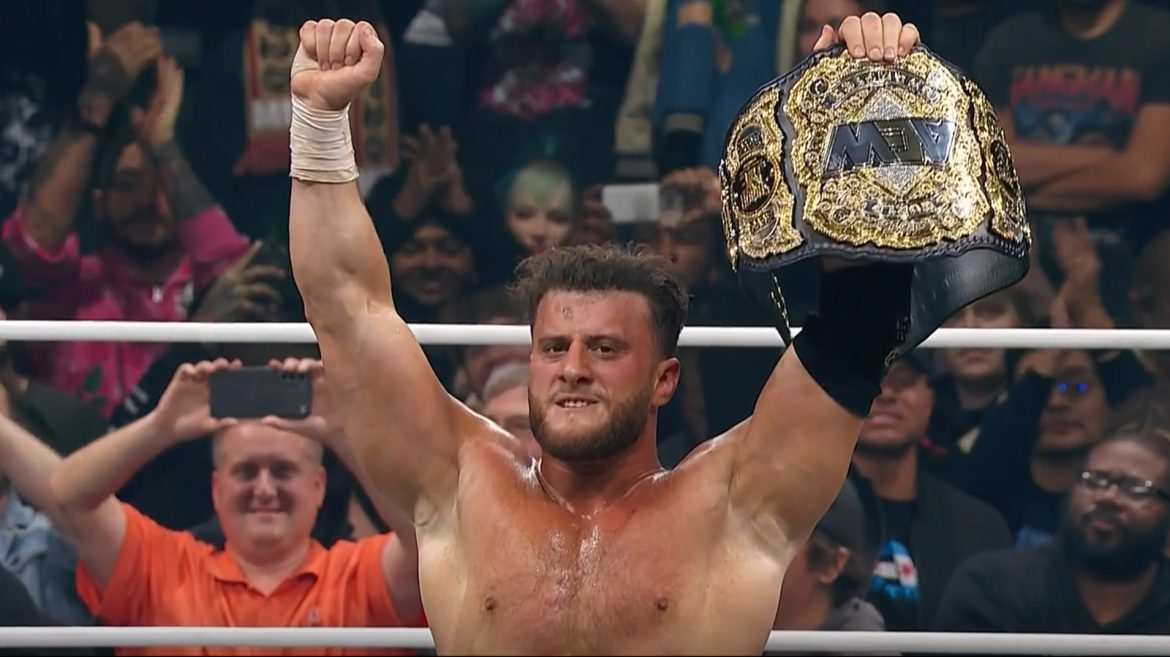
The calendar year of 2025 concluded for All Elite Wrestling with its third annual Worlds End pay-per-view, an event that, true to AEW’s characteristic maximalist approach, presented a four-hour spectacle designed to both captivate and challenge its dedicated fanbase. Heralded as the ultimate destination for the Continental Classic tournament and featuring two high-stakes championship encounters, the show delivered on its promise of significant developments, leaving an indelible mark on the company’s narrative landscape. While the night was undeniably punctuated by moments of breathtaking athleticism and compelling storytelling, it also contained booking decisions that sparked vigorous debate among the wrestling faithful, creating a mosaic of triumphs and head-scratching moments that will undoubtedly shape the discourse heading into the new year.
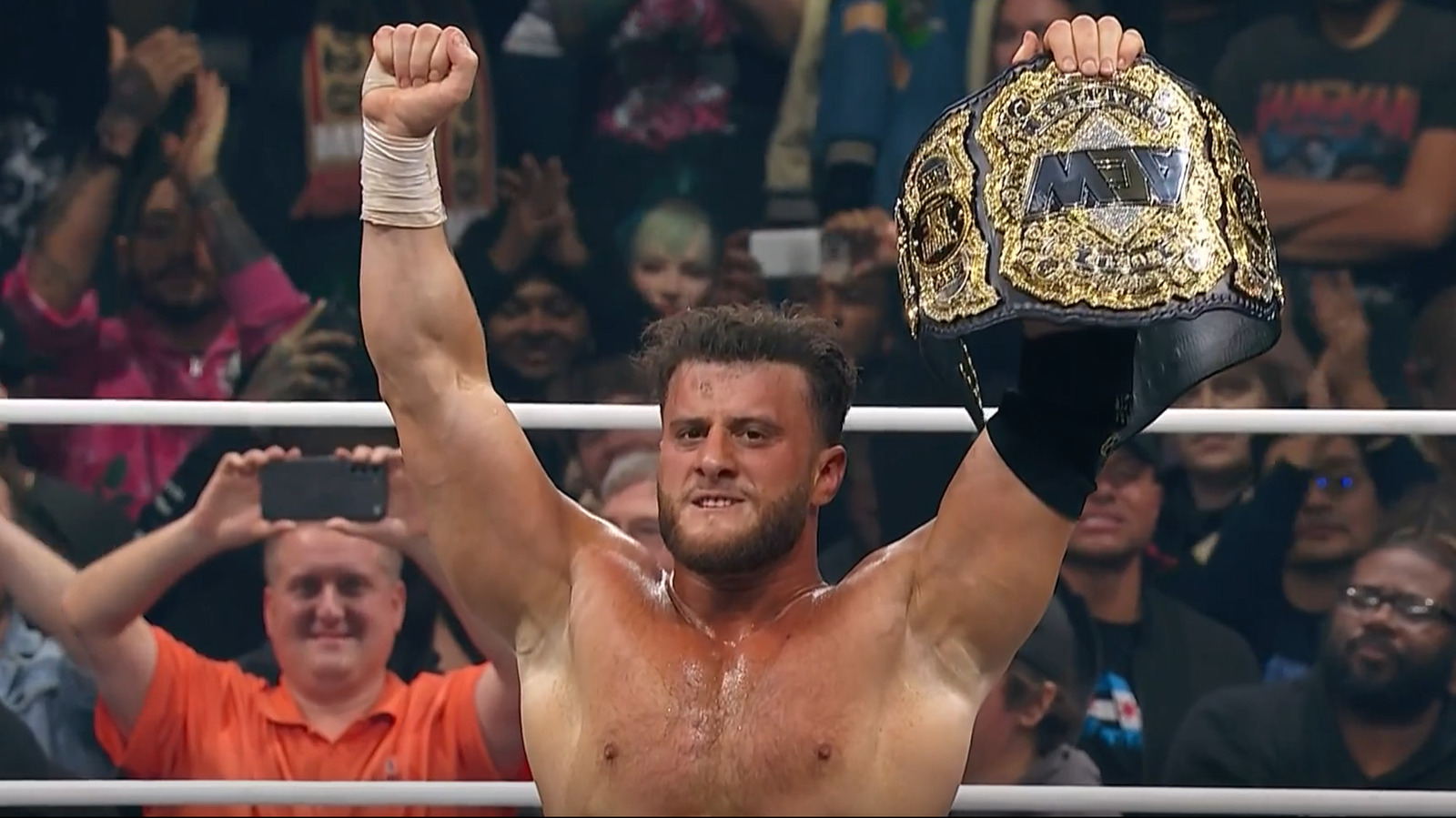
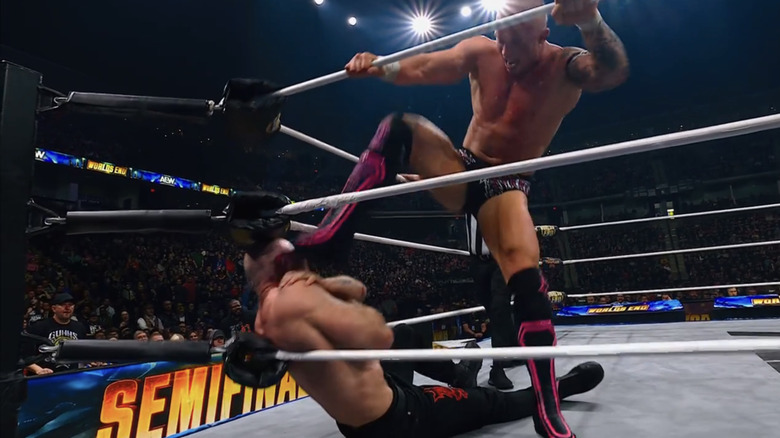
Central to the evening’s proceedings was the culmination of the Continental Classic, a tournament conceived to crown the first-ever Triple Crown Champion in AEW history. The semi-final stage alone promised unparalleled intensity, and the opening contest between Jon Moxley, representing the bruising brawlers of the Blue League, and Kyle Fletcher, the dynamic victor of the Gold League, immediately set an incredibly high standard. From the moment the bell rang, these two combatants unleashed a torrent of strikes, suplexes, and high-impact maneuvers that transcended mere athleticism, weaving a visceral narrative of attrition and unyielding resolve. Moxley, often criticized in recent times for what some perceived as a reliance on his faction, the Death Riders, or for performances that occasionally lacked the raw ferocity of his earlier career, appeared reinvigorated. He wrestled with a palpable desperation, an untamed fire in his eyes that had been somewhat obscured. His unbridled aggression, punctuated by a chipped incisor acquired during the brutal exchange, resonated deeply with the live audience, eliciting chants of his name usually reserved for a more traditional hero. This was not a subtle shift; it was a profound transformation wrought solely through the crucible of a demanding match. Fletcher, for his part, was an equally crucial architect of this instant classic. His blend of raw power and astonishing agility provided the perfect foil for Moxley’s unyielding style. The Australian sensation showcased a diverse arsenal, seamlessly transitioning between aerial assaults and ground-based submissions, pushing Moxley to his absolute limit. The relentless back-and-forth, characterized by multiple near-falls and an almost reckless abandon from both competitors, instilled a sense of main event gravitas, despite its early placement on the card. It was a testament to both men’s in-ring prowess and storytelling ability, proving that a compelling narrative can be forged entirely within the ropes, without a single spoken word.
However, the path to the Continental Classic final was not without its contentious detours, particularly in the other semi-final clash featuring the decorated NJPW star Kazuchika Okada and the rising phenom Konosuke Takeshita, both integral members of the manipulative Don Callis Family. Expectations were astronomically high for a bout between two such acclaimed technicians, yet the match unfolded in a manner that left many observers somewhat perplexed. There was an observable lack of the usual crispness and explosive energy one has come to associate with both "The Rainmaker" and the powerful Japanese prodigy. Their movements, typically fluid and precise, seemed oddly subdued, their strikes lacking the customary snap and impact. This perceived sluggishness was particularly jarring given the high stakes of the tournament and the simmering internal tensions within the Don Callis Family, a storyline that had promised a more dramatic and emotionally charged encounter. The conclusion of the match further fueled the controversy, as Okada resorted to using a screwdriver, a signature weapon of the Don Callis Family, to secure his victory over Takeshita. While this finish was ostensibly designed to serve multiple purposes—to highlight Takeshita’s moral compass by showing Okada couldn’t defeat him clean, and to deepen the rift within the faction—it inadvertently cast a shadow over Okada’s otherwise dominant run. For a competitor of Okada’s caliber, a figure synonymous with purity of skill and grand spectacle, to rely on such underhanded tactics, particularly against a stablemate, felt uncharacteristic and, for some, diminished his aura, irrespective of the storyline implications. This finish, along with the overall pace of the match, contributed to a sentiment that the night was proving to be a challenging one for the highly touted NJPW exports.
The stage was thus set for the Continental Classic final: Jon Moxley, having endured a grueling war with Kyle Fletcher, now faced Kazuchika Okada, fresh off a contentious victory. This marked their first-ever singles encounter, a dream match years in the making. The narrative leading into this bout was compellingly simple: Moxley, nursing a visibly damaged knee from his prior battle, a vulnerability Okada meticulously targeted. The match became a masterful display of in-ring psychology, with Okada systematically dissecting Moxley’s injured limb, employing submissions and high-impact moves designed to exploit his opponent’s compromised state. Yet, Moxley, ever the resilient brawler, met Okada’s calculated brutality with his own brand of street fight cunning, exchanging low blows and leveraging every opportunity to gain an advantage. This nuanced portrayal of a "babyface" who wasn’t afraid to fight dirty, while still embodying the spirit of overcoming adversity, resonated powerfully. In a defining moment, Moxley, despite the sustained assault on his knee, managed to secure a clean victory over Okada, free from outside interference or contentious officiating. This monumental win not only crowned Jon Moxley as the third-ever Continental Champion but also firmly established a significant character pivot. His post-match address to the crowd, thanking both the fans and his fellow tournament participants, solidified what his in-ring performance had already conveyed: a newfound connection and a subtle yet undeniable shift in his alignment. The implications for Okada were equally significant, suggesting a potential pursuit of the International Championship and a deepening of his feud with Takeshita and possibly Fletcher, allowing the Continental title to forge its own distinct identity under Moxley’s rugged stewardship. Moxley’s incredible endurance, competing for over 40 minutes across two brutal matches, chipping a tooth, and still emerging as champion, cemented his status as a true MVP of the night and a foundational pillar of AEW.
While the Continental Classic unfolded with its mix of exhilaration and contentious turns, the main event of Worlds End 2025 delivered another seismic shift in the company’s hierarchy: MJF recaptured the AEW World Championship, defeating Samoa Joe. This outcome, though not entirely unforeseen given MJF’s contractual leverage as a member of the newly formed Hurt Syndicate, immediately became a focal point of post-show discussion. Samoa Joe’s reign as champion, having abruptly ended "Hangman" Adam Page’s tenure at Full Gear just weeks prior, concluded in a mere second defense, a brevity that left many questioning the purpose of his championship run. The booking decision to have Joe, a dominant force, drop the title so quickly, particularly after a controversial ascent, felt like a missed opportunity to truly establish his reign and elevate new challengers. For MJF, his return to the pinnacle of AEW invoked memories of his previous record-breaking 406-day reign, a period characterized by his often-divisive "Bidding War of 2024" persona and a perceived reluctance to defend the championship with consistent frequency. Critics pointed to his past tendency to avoid wrestling and his incessant references to a rival promotion as aspects they hoped would not resurface. The narrative choice to have MJF defeat Joe, seemingly to avenge his loss from the previous year’s Worlds End, while providing a full-circle moment, also risked rehashing a storyline many fans had expressed fatigue with. The challenge for AEW now lies in presenting a fresh and compelling iteration of MJF as champion. The announcement of his first defense against Bandido at Maximum Carnage, where a stipulation for the Dynamite Diamond Ring is anticipated, already hints at a return to his familiar, self-serving antics. The hope for a more active, in-ring focused MJF and the organic development of new, credible contenders will be paramount to the success of this second reign and to moving beyond the shadow of past controversies.
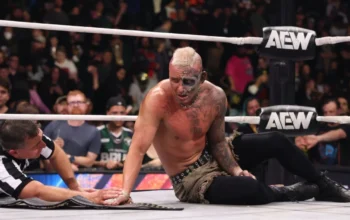
Beyond the championship drama, Worlds End offered a varied card, though not every match resonated universally. The brutal singles encounter between Darby Allin and Gabe Kidd, a contest steeped in blood and unadulterated violence, unfortunately suffered from a perceived lack of timely narrative cohesion. Their feud, which had simmered sporadically throughout the latter half of 2025, punctuated by moments like their Lights Out Steel Cage match at Forbidden Door and the infamous body bag incident on Dynamite, felt disjointed due to the significant gaps between their interactions. Allin’s recent injury, which forced his withdrawal from the Continental Classic, further complicated the build, making the match feel somewhat "thrown together" at the last minute. While the intensity and physicality were undeniable, the timing seemed off, as Kidd had never truly become the singular focus of Allin’s animosity, an honor usually reserved for someone like Jon Moxley. The match itself was a visceral spectacle, embracing the hardcore elements that AEW sometimes leans into, with copious amounts of blood and a controversial biting spot that raised questions about potential disqualifications. The sequence of numerous finisher kick-outs, a common trope in modern wrestling, also drew criticism for potentially diminishing the impact of these signature maneuvers. Allin’s victory via a roll-up, particularly after a recent injury and a piledriver from Kidd, felt somewhat anti-climactic and left many wondering about the immediate future for both men within the promotion’s storylines. The match, while certainly delivering on brutality, struggled to justify its placement on such a significant card given its sporadic development.
In stark contrast to the gritty seriousness of some of the evening’s offerings, the "Mixed Nuts Mayhem" match between the Death Riders and the Timeless Conglomeration (with Roderick Strong desperately attempting to escape) emerged as an unexpected, joyous interlude. This multi-person tag team affair, seemingly plucked from the annals of an independent circuit show, served as a refreshing palate cleanser amidst the intense championship battles and the Continental Classic’s high stakes. It was a match born of pure, unadulterated fun, defying all expectations to become a highlight of the night. From Marina Shafir playfully chopping her real-life husband, Roderick Strong, to the impromptu tango shared between Orange Cassidy and Toni Storm, all while fending off the antics of Wheeler Yuta and Daniel Garcia, the match was a riotous carnival of comedic spots and unexpected alliances. Claudio Castagnoli even delivered a memorable Giant Swing to Toni Storm, a moment that perfectly encapsulated the match’s lighthearted yet genuinely entertaining spirit. This unique blend of humor and creative wrestling, reminiscent of a high-energy house show main event, proved instrumental in improving the overall pacing of the four-hour pay-per-view. It demonstrated AEW’s willingness to inject variety and levity into its major events, preventing the show from feeling like an exhausting marathon and instead transforming it into a dynamic and engaging experience. The "Mixed Nuts Mayhem" was a testament to the fact that not every match needs to be a five-star epic to be incredibly effective and thoroughly enjoyed by the audience.
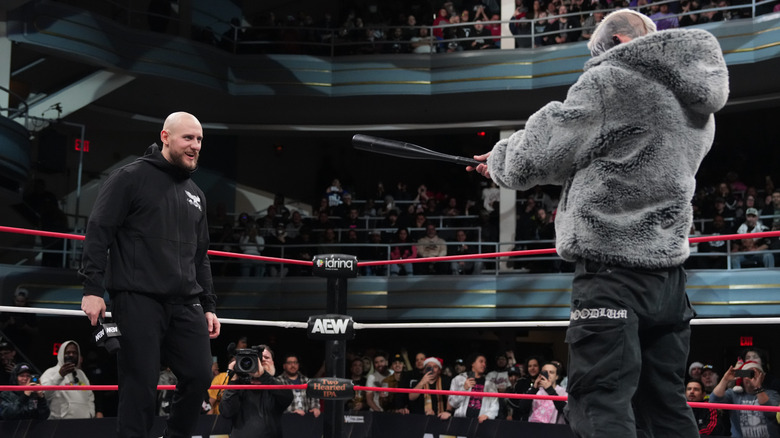
As the dust settled on Worlds End 2025, the overarching sentiment was one of significant impact, albeit with a healthy dose of critical reflection. The event, while showcasing the undeniable talent within AEW’s roster, particularly through Jon Moxley’s MVP-caliber performance and his Continental Championship victory, also highlighted areas where the company’s booking can be perplexing. The swift conclusion of Samoa Joe’s World Title reign and the return of MJF to the top spot presented a narrative challenge, demanding a fresh approach to prevent repetition. The NJPW contingent, particularly Okada and Takeshita, endured a night that saw them involved in a controversial finish and a championship loss, raising questions about their immediate trajectories within AEW programming, though Kris Statlander’s successful defense of her title provided a measure of stability for the women’s division. Worlds End ultimately served as a potent reminder of All Elite Wrestling’s identity: a company unafraid to experiment, to deliver both shocking highs and debatable lows, and to consistently provide a platform for diverse styles of professional wrestling. As the promotion transitions into 2026, the new champions and the emerging storylines promise an intriguing landscape, but the efficacy of these new directions will be closely scrutinized by a fanbase eager for compelling, consistent narratives that justify the grand scale of its year-end spectacular.