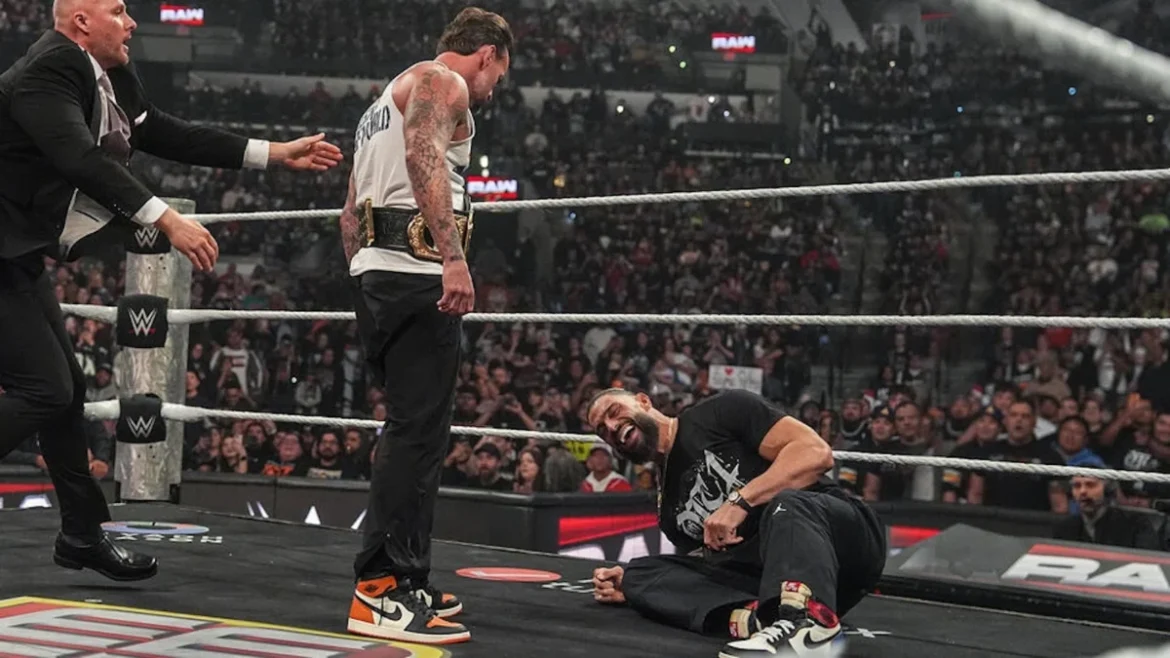
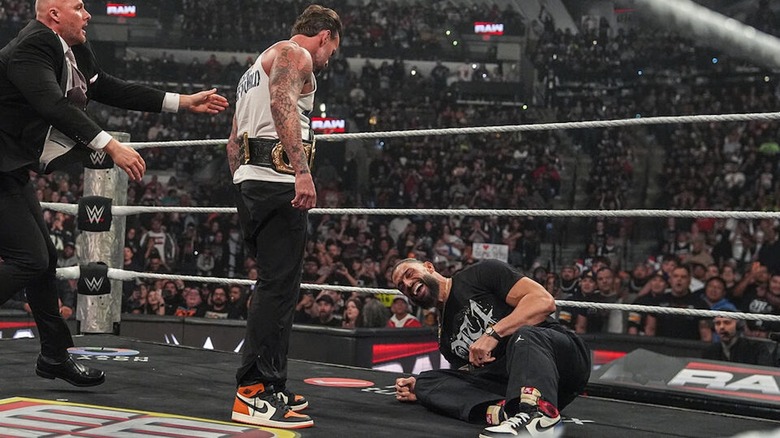
The wrestling world, ever a tempest of anticipation and critique, found itself dissecting another episode of WWE’s flagship program, Monday Night Raw, on March 16, 2026. This particular broadcast, like many before it, served as a crucible for storytelling, in-ring action, and the ongoing narrative arcs that propel WWE towards its grandest spectacles. While the week’s proceedings offered moments that ignited fan enthusiasm and others that tested patience, a comprehensive examination reveals a landscape of both triumph and tribulation for the show’s creative direction.
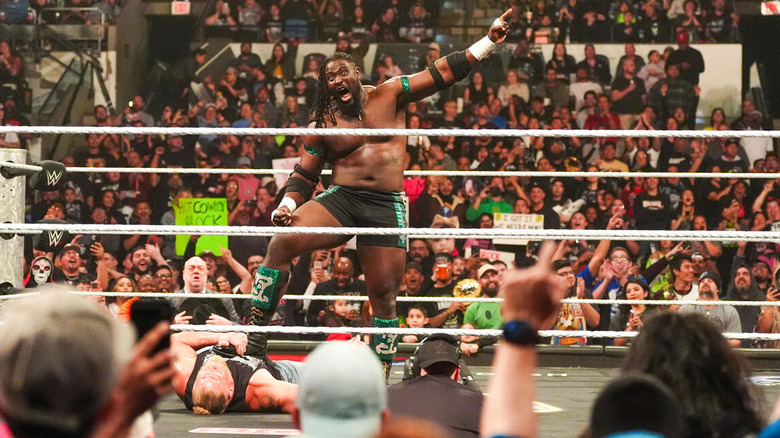
One of the most compelling segments of the evening revolved around the burgeoning rivalry between the formidable Oba Femi and the legendary Brock Lesnar. The opening salvo of the show, initially fraught with the potential for a predictable confrontation, was dramatically elevated by Femi’s explosive arrival. Having recently transitioned to the main roster after a notable tenure in NXT, Femi had been steadily building momentum through a series of dominant victories over lower-card talent. However, this week marked a significant escalation, directly pitting him against Lesnar, a perennial main-event fixture. The initial apprehension among viewers, perhaps anticipating a rehash of past Lesnar encounters, quickly dissipated. The narrative shifted palpably as Femi, with a display of raw power and conviction, laid out Lesnar following a devastating sit-out powerbomb. This pivotal moment not only solidified Femi’s status as a legitimate threat but also injected a fresh, high-stakes dynamic into the Road to WrestleMania 42. The prospect of a singles match between these two titans, once an unexpected development, now stands as a highly anticipated clash, promising a collision of distinct, yet equally impactful, wrestling styles. The strategic placement of this confrontation at the outset of Raw underscored its importance, setting a tone of intensity that the remainder of the show would strive to maintain. This segment served as a potent reminder of WWE’s capacity to generate genuine excitement through the elevation of emerging stars against established veterans, creating moments that resonate beyond the immediate broadcast. The strategic booking here, culminating in Femi’s decisive victory over "The Beast," signals a significant push for the young powerhouse, a move that many fans have eagerly awaited. The aftermath of this encounter will undoubtedly be a focal point in the coming weeks, as WWE navigates the fallout and further develops this compelling storyline.
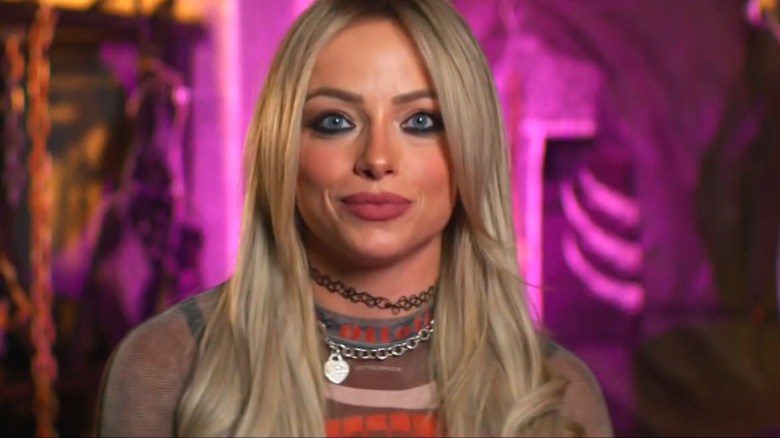
Conversely, the narrative surrounding Liv Morgan and The Judgment Day encountered significant turbulence. While the recent betrayal of Finn Bálor by his stablemates had generated considerable intrigue, the follow-up on this week’s Raw felt disjointed, particularly in light of Dominik Mysterio’s reported unavailability due to injury. Morgan’s promo segment, intended to address the ongoing turmoil within The Judgment Day, instead veered into a confusing attempt to reframe her past motivations. Her assertion that her objective had always been to dismantle the faction from within, as evidenced by a video package showcasing her alliance with Mysterio against Rhea Ripley at SummerSlam 2024, created a dissonance. The visual evidence presented directly contradicted her spoken narrative, highlighting her previous ambition to usurp Ripley and her claim over Mysterio, rather than a long-term plan to orchestrate Bálor’s expulsion. This chronological inconsistency undermined the credibility of her claims and diluted the impact of the segment. Furthermore, Morgan’s dismissal of Bálor as having "gotten soft" and her assertion that she only tolerated him due to his friendship with Mysterio lacked the narrative grounding established in prior storylines. While tensions between Morgan and Bálor had surfaced, the overarching focus had more consistently been on the friction between Morgan and Roxanne Perez, or the eventual fallout from her injury. The attempt to position Morgan as the architect of The Judgment Day’s internal struggles felt like a forced retcon, particularly when contrasted with the more organic developments that had been shaping the faction’s dynamics. The absence of JD McDonagh, who played a pivotal role in Bálor’s recent downfall, further exacerbated the issue, leaving a void in the narrative that Morgan’s solo performance could not adequately fill. The momentum generated by the previous week’s dramatic turn of events seemed to stall, leaving viewers questioning the creative team’s direction for this crucial storyline.
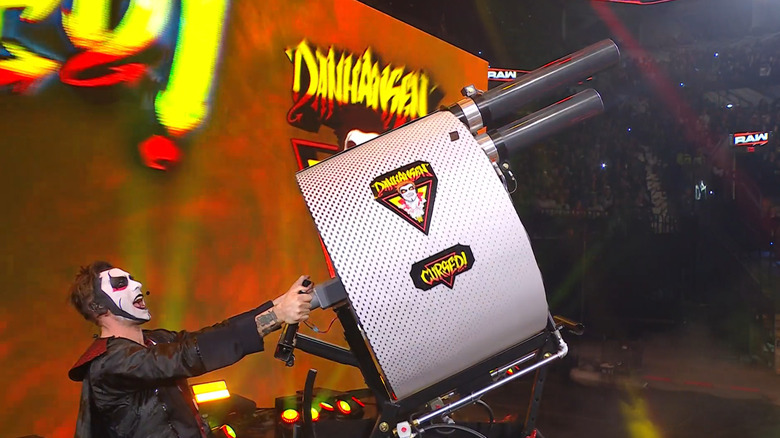
Amidst the more significant narrative arcs, the recurring presence of Danhausen continued to provide a much-needed injection of levity and idiosyncratic charm. His segments, often relegated to commercial breaks or backstage filler, consistently delivered a unique brand of entertainment that stood out against the backdrop of more serious programming. This week was no exception, as Danhausen’s peculiar brand of wrestling-adjacent performance art continued to captivate. His elaborate setup involving a T-shirt cannon, culminating in a display of both singular and rotating launchers, provided a moment of pure, unadulterated absurdity. While seemingly trivial in the grand scheme of wrestling narratives, these moments possess a disarming wholesomeness, embodying a spirit of fun that often feels absent in more conventional segments. Later, his involvement in a backstage interaction with Kofi Kingston and Grayson Waller further showcased his singular appeal. The segment, which saw Kingston attempting to recruit Je’Von Evans and subsequently clashing with Waller, provided a platform for Danhausen to make his characteristic, albeit unwelcome, pitch to join The New Day. The playful rejection, the thwarted merchandise idea, and the culminating "curse" delivered with Kingston inadvertently shielding himself behind Waller, provided a masterclass in comedic timing and character execution. While acknowledging the inherent absurdity of gushing over backstage antics and commercial break diversions, Danhausen’s ability to consistently elicit genuine enjoyment and laughter is a testament to his unique talent and his undeniable connection with a segment of the WWE Universe. He remains a captivating anomaly, a character who, through his sheer commitment to his bizarre persona, transcends the typical confines of wrestling entertainment.
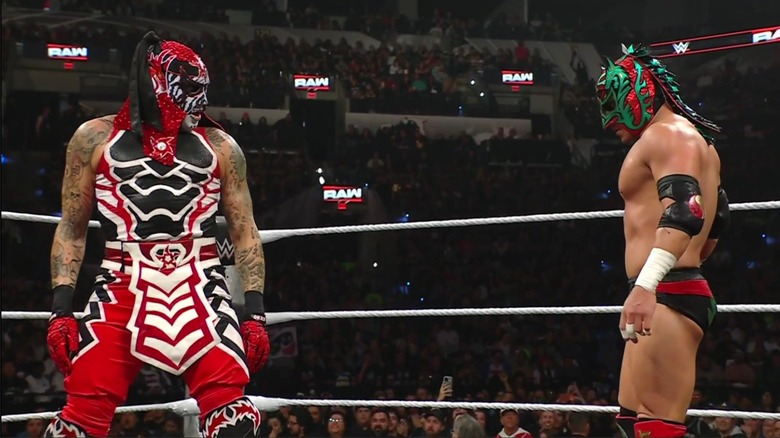
However, the championship landscape, particularly the men’s Intercontinental Championship, presented a more disheartening picture. Despite a solid in-ring contest between Penta El Zero Miedo and Dragon Lee, the underlying creative direction for the title felt notably stagnant. The segment that followed the match, which saw Penta engaging in an open challenge, mirrored the approach taken by the SmackDown brand with their mid-card titles for an extended period. While the intent might be to emulate the prestige of the United States Championship’s open challenge format, the execution felt derivative rather than innovative. The narrative of an active, fighting champion engaging with various challengers is a well-trodden path, and its repetition on Raw, especially after similar storylines on Fridays, suggested a lack of fresh ideas. The potential alternative of a Dominik Mysterio rematch, a storyline already plagued by repetitive elements due to his previous injury-induced reign, offered little in the way of renewed excitement. This reliance on established formulas, particularly for a title that has historically served as a stepping stone for future main eventers, indicated a creative void. The audience, accustomed to seeing mid-card titles used to elevate talent and propel new narratives, was left wanting more than a simple replication of existing booking strategies. The absence of a more dynamic or unique approach to the Intercontinental Championship storyline signaled a missed opportunity to capitalize on the talent involved and generate genuine buzz.
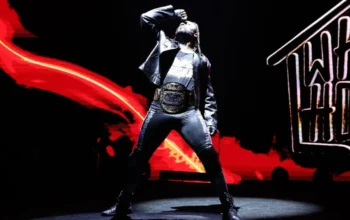
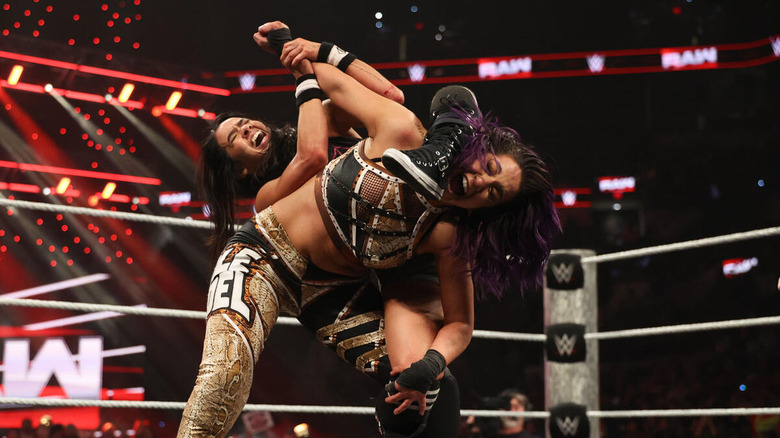
On the women’s side of the card, the Intercontinental Championship picture offered a more nuanced and promising narrative, particularly concerning Bayley and Lyra Valkyria. The championship encounter between the reigning champion AJ Lee and Bayley was a highlight, showcasing a compelling blend of history and in-ring prowess. Lee’s successful defense, culminating in a submission victory via the Black Widow, served to further establish her as a credible champion, allowing her to shake off any perceived ring rust. While Bayley’s loss might have seemed counterintuitive on the road to WrestleMania 42, it was effectively mitigated by a subsequent backstage segment with Lyra Valkyria. This interaction unveiled a compelling long-term narrative, with Valkyria vowing to help Bayley reach the grandest stage of them all. The segment masterfully referenced a past storyline where Bayley was slated to be Valkyria’s tag team partner at the previous year’s WrestleMania before an injury sidelined her. Valkyria’s genuine remorse and her subsequent commitment to ensuring Bayley’s presence at WrestleMania this year, by targeting the WWE Women’s Tag Team Championships, resonated deeply. This narrative arc not only provided a clear path for Bayley to compete at the event but also established a compelling tag team partnership with Valkyria. The prospect of this duo challenging for the tag team titles, potentially in a multi-team encounter, added another layer of intrigue to the WrestleMania card, offering a satisfying resolution for Bayley’s quest for a prominent spot on the show. The subtle yet effective storytelling employed here demonstrated a keen understanding of character motivations and long-term booking.
However, the main event narrative, centering on the impending clash between CM Punk and Roman Reigns, continued to suffer from a pervasive sense of stagnation. What began as a highly anticipated showdown had, over the course of several weeks, devolved into repetitive promo segments that failed to advance the storyline in any meaningful way. Both Punk and Reigns, performers with a proven track record of captivating audiences on the microphone, found themselves in a creative rut, rehashing essentially the same talking points. The initial animosity, characterized by Reigns’s disdain for Punk’s perceived part-time status and Punk’s assertion of Reigns’s reliance on his family, had become predictable. While occasional barbs, such as Punk’s dig at Reigns’s father or Reigns’s invocation of AJ Lee, elicited a reaction, they failed to ignite the kind of physical confrontation or substantial narrative development that the build-up demanded. The introduction of The Usos to cut promos on Reigns’s behalf further underscored the lack of direct engagement between the two main eventers, hinting at a potential reliance on external figures to inject energy into the feud. The repetitive nature of their verbal exchanges raised concerns about what fresh material could possibly be presented in the remaining weeks leading up to WrestleMania 42. The "Road to WrestleMania," a period that should be defined by escalating tension and compelling storytelling, felt bogged down by this protracted, uninspired feud, suggesting that even the combined star power of Punk and Reigns was not enough to salvage a narrative that had lost its momentum. The creative team’s reliance on similar promo structures week after week seemed to be a detriment, rather than an asset, to this marquee match-up.