The world of professional wrestling is a relentless crucible, forging careers in the glare of arena lights and often testing the mettle of its performers long after those lights dim. For every superstar who achieves enduring global fame, countless others, possessing immense talent and dedication, navigate a more winding path, finding their greatest artistic expression away from the biggest stages. Chris Mordetzky, known to legions of fans as "The Masterpiece" Chris Masters, stands as a poignant example of this complex journey, a performer whose reflections on his post-WWE career reveal a deeply personal narrative of artistic growth, professional satisfaction, and a touch of melancholy for the wider recognition that eludes his finest work.
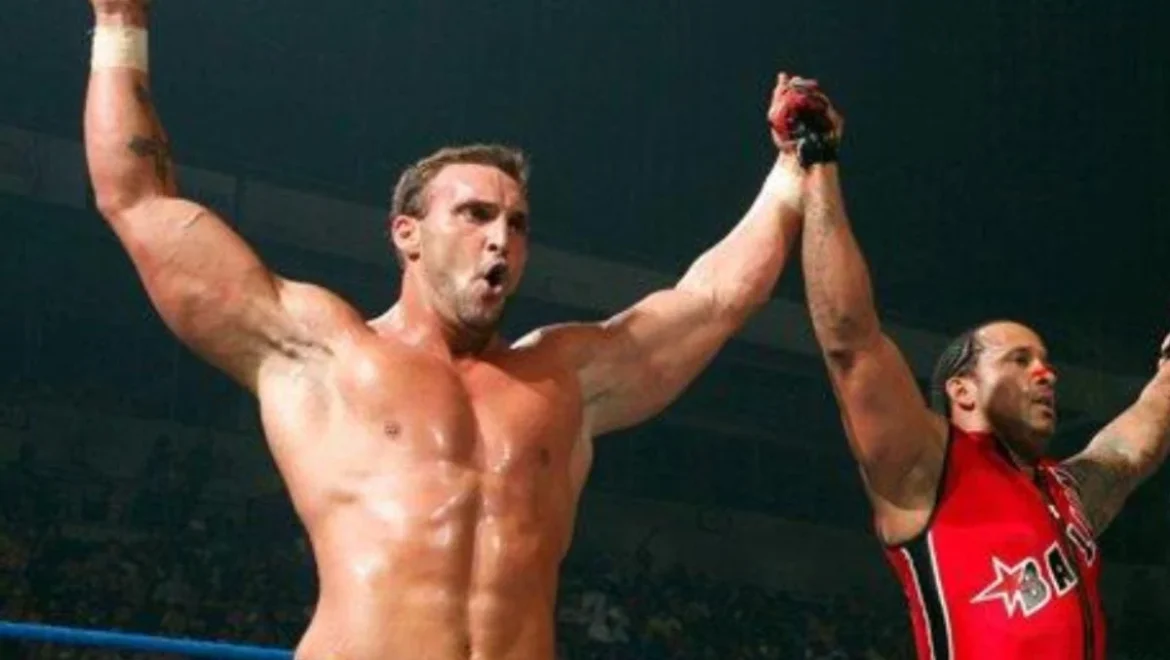
Mordetzky’s initial foray into the sports entertainment giant, World Wrestling Entertainment, in the mid-2000s, was nothing short of striking. Debuting with an Adonis-like physique and an undeniable aura of arrogant confidence, he quickly carved out a niche for himself as a modern-day narcissist. The "Masterpiece" persona was meticulously crafted, portraying a man utterly convinced of his own physical perfection and in-ring superiority. His entrance, complete with dramatic posing and a spotlight, reinforced this image, immediately establishing him as a performer who commanded attention. This initial presentation, brimming with potential, saw him thrust into prominent storylines and given significant television time, a testament to WWE’s belief in his unique appeal and marketability.
Central to the Masterpiece’s gimmick was his signature submission hold, the "Master Lock" – a full nelson that was presented as an unbreakable maneuver. The "Master Lock Challenge" became a recurring segment, where Masters would issue an open invitation to any competitor, fan, or even celebrity to try and escape his iron grip. The stakes were often high, with prize money offered, and the narrative consistently emphasized the impossibility of breaking the hold. Week after week, challengers would try and fail, collapsing in a heap, amplifying Masters’ aura of invincibility. This segment was a brilliant piece of storytelling, establishing him as a legitimate threat and giving the audience a clear, easy-to-understand reason to either cheer for his dominance or desperately hope for someone to finally shatter his perfect record. Legends like Shawn Michaels and even Bobby Lashley would eventually attempt to break the hold, further elevating its perceived power and Masters’ standing within the roster.
During this initial run, which commenced in 2005 and concluded in 2007, Masters was on the cusp of significant championship success. His powerful physique, memorable character, and seemingly unbreakable finisher positioned him as a future main event contender. He engaged in feuds with established stars and participated in high-profile matches, including a memorable Elimination Chamber appearance. The company clearly invested in him, recognizing his natural charisma and the visceral reaction he elicited from crowds. Yet, despite this promising trajectory, the ultimate prize of a major singles championship, such as the Intercontinental or United States Title, remained just out of reach. The complexities of the wrestling machine, with its intricate booking decisions, political currents, and ever-shifting landscape of talent, can often dictate how far a performer’s potential is ultimately realized on the grandest stage.
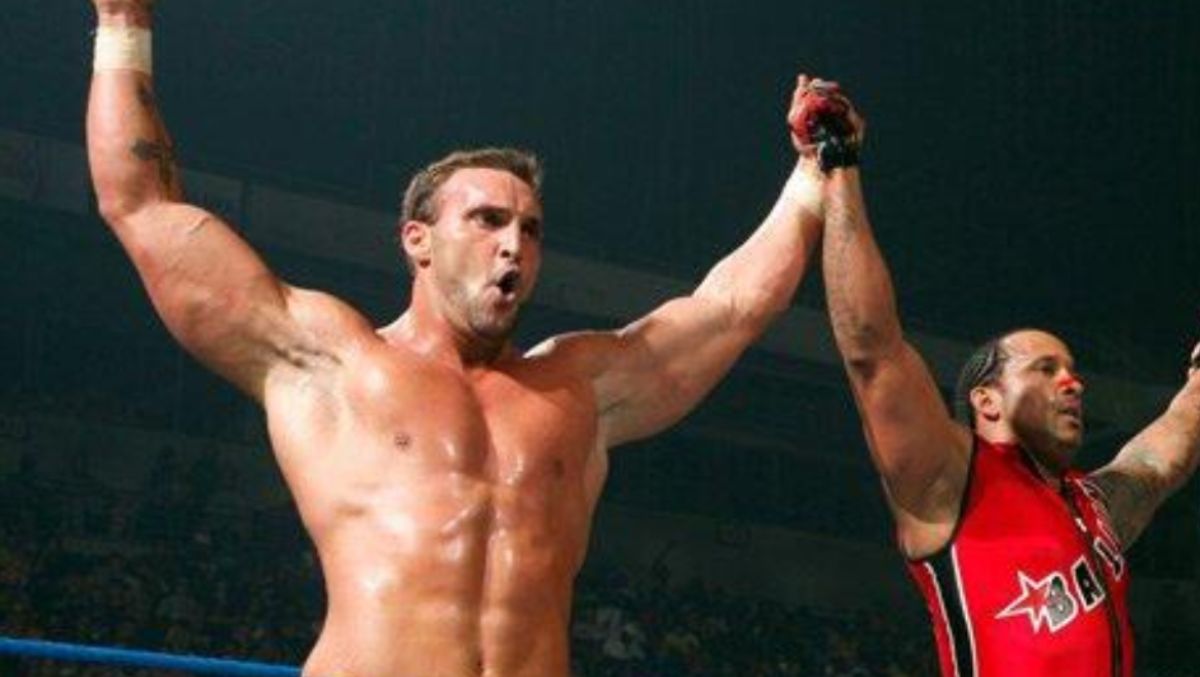
After his initial departure from WWE in 2007, Mordetzky spent some time honing his craft on the independent circuit before making a highly anticipated return to the company in 2009. This second stint, lasting until 2011, saw a subtle evolution of his character. While the Master Lock remained a key part of his arsenal, the overt narcissism was somewhat toned down, and he often portrayed a more sympathetic figure, even embracing a babyface role at times. This period was marked by further opportunities to compete against top-tier talent and showcase his improved in-ring abilities. However, the elusive championship gold continued to evade him, a circumstance that, in hindsight, Masters himself has reflected upon with a degree of introspection, pointing to potential interpersonal dynamics behind the scenes as a contributing factor.
In a recent interview, Mordetzky openly discussed how close he believed he came to capturing a championship during his WWE tenure, and intriguingly, how issues he had with John Cena might have influenced that outcome. Cena, at that time, was undeniably the face of the company, a seemingly insurmountable force at the top of the card whose influence permeated all aspects of WWE operations. A performer’s standing with Cena, whether perceived or actual, could significantly impact their trajectory, particularly concerning championship aspirations. While the exact nature of these "issues" remains within the realm of personal reflection, Masters’ willingness to acknowledge them underscores the often-unseen layers of the wrestling business, where relationships and perceptions behind the curtain can be just as critical as performances in the ring. The intricate dance of backstage politics, coupled with the relentless competition for limited championship spots, creates a challenging environment where even the most talented individuals can find their paths unexpectedly altered.
Following his second departure from WWE in 2011, Mordetzky embarked on what would become a transformative decade for his wrestling career. He immersed himself fully in the independent wrestling scene, a sprawling ecosystem of promotions ranging from small, local shows to internationally recognized circuits. This transition, while perhaps a step down in terms of global exposure, proved to be an invaluable period of growth and self-discovery. As he himself articulated, "Hindsight is always 20/20," and the years spent away from the WWE machine allowed him to gain a clearer understanding of the multifaceted nature of professional wrestling. He learned that mastering the craft extended far beyond just executing moves in the ring; it encompassed understanding the subtle nuances of character development, the delicate art of in-ring storytelling, and perhaps most crucially, navigating the intricate political landscape that exists in every locker room, regardless of its size.
It is this period, over the last ten years, that Chris Masters believes has seen him deliver some of the finest matches of his career. Having gained invaluable experience and a deeper understanding of the business, he has found a profound comfort and proficiency in the squared circle. The constraints of a corporate behem like WWE, which often prioritizes specific styles, character portrayals, and match durations, can sometimes limit a wrestler’s ability to truly express themselves. On the independent circuit, however, performers often have greater creative freedom, allowing them to experiment with different match structures, explore deeper character arcs, and craft more intricate narratives within the confines of a wrestling bout. For Masters, this freedom translated into a period of intense artistic refinement, where his physical prowess merged with a newfound psychological understanding of how to engage an audience and tell a compelling story through movement and emotion.
The bittersweet reality, as he poignantly shared, is that these "best matches" have largely unfolded on platforms far smaller than the global stage he once commanded. This lack of widespread exposure for his peak in-ring performances is a source of genuine heartbreak for the veteran performer. Imagine a painter creating their magnum opus, only for it to be displayed in a local gallery rather than a renowned museum; the artistic integrity remains, but the audience for its appreciation is vastly reduced. For a professional wrestler, whose art is inherently public and designed to evoke a collective response, the desire for a larger audience to witness their mastery is deeply ingrained. He expressed a longing for more people to appreciate the full spectrum of his capabilities now, acknowledging that he can "do everything pretty darn well" in the ring. This sentiment resonates with many performers who feel their most complete and compelling work often goes unseen by the masses who only follow the major promotions.

Despite this yearning for broader recognition, Mordetzky’s journey post-WWE has been far from devoid of significant accomplishments. His tenure with the National Wrestling Alliance (NWA) stands as a testament to his continued relevance and in-ring prowess. The NWA, with its storied history and emphasis on traditional professional wrestling, provided a perfect backdrop for Masters to showcase his evolved style. He captured the NWA National Championship not once, but twice, demonstrating his ability to compete at a high level and hold championship gold in a respected national promotion. These championship reigns were not merely symbolic; they represented tangible proof of his sustained excellence and his capacity to still be a focal point of a wrestling organization. His work in the NWA allowed him to engage with a passionate fanbase that appreciated the nuances of his improved character work and technical skill, reinforcing the idea that true talent will always find a way to shine, even if the spotlight isn’t always the brightest.
Beyond the championship accolades, Masters also finds immense satisfaction in his continued presence on the independent wrestling scene. He expressed profound gratitude for the opportunity to still wrestle regularly, performing for dedicated fans who create an intimate and engaging atmosphere. The independent circuit, often characterized by its direct connection between performers and audience, fosters a unique bond. Wrestlers often have more direct interaction with fans, signing autographs, taking photos, and engaging in conversations that are rare in the highly produced environment of larger promotions. This personal connection, coupled with the freedom to craft matches and storylines that resonate with him personally, contributes to a genuine sense of enjoyment and fulfillment. For many veterans, the independent scene becomes a haven where the pure love of wrestling can thrive, unburdened by the relentless demands and corporate pressures of mainstream organizations.
Chris Masters’ career narrative is a powerful illustration of the enduring passion that drives professional wrestlers. It underscores the reality that a performer’s journey is rarely linear, often marked by periods of immense promise, unexpected setbacks, and a continuous pursuit of self-improvement. From the "Masterpiece" who mesmerized audiences with his physique and unbreakable hold in WWE, to the seasoned veteran who has meticulously refined his craft on the independent circuit and achieved championship success in the NWA, Mordetzky’s evolution is a testament to resilience and dedication. His reflections serve as a reminder that the wrestling world is rich with talent that operates just beyond the periphery of mainstream attention, consistently delivering compelling performances that, while perhaps unseen by millions, are deeply cherished by those fortunate enough to witness them. In an industry obsessed with the next big star, the story of Chris Masters encourages us to look closer, to appreciate the mastery that develops over time, and to acknowledge the quiet heartbreak of artistic excellence that yearns for a larger stage.