The dust has settled from AEW’s monumental Revolution pay-per-view, and the immediate aftermath on Dynamite presented a peculiar, almost subdued, atmosphere. It felt as though the company was collectively taking a collective breath, perhaps nursing some battle wounds from the intense spectacle, or maybe dealing with the lingering ripples of online discourse. This particular episode of AEW’s flagship program offered a stark illustration of the fine line between compelling storytelling and moments that miss the mark, showcasing a roster capable of both breathtaking athleticism and baffling creative choices. While the show undoubtedly delivered moments that resonated deeply with the passionate AEW fanbase, it also provided ample fodder for critique, leaving viewers with a mixed bag of reactions as the road to the highly anticipated Dynasty event begins to take shape. The energy following a major PPV should ideally propel the narrative forward, but this week’s Dynamite felt more like a holding pattern, a transitionary period where the exceptional was interspersed with the undeniably underwhelming.
One of the most significant positives emanating from this week’s Dynamite was the palpable anticipation building towards what is shaping up to be a dream tag team encounter. The Young Bucks, Matt and Nick Jackson, remain an unparalleled force in AEW’s tag team division, consistently delivering performances that solidify their status as generational talents. Their ability to engage in high-octane, technically brilliant matches against any established duo has made them a coveted opponent for teams across different eras of professional wrestling. For years, their resume has been a testament to their dominance, featuring showdowns with nearly every prominent tag team of the 21st century. Yet, one monumental dream match has remained elusive, and the seeds sown on this episode suggest that this highly anticipated collision is finally on the horizon.
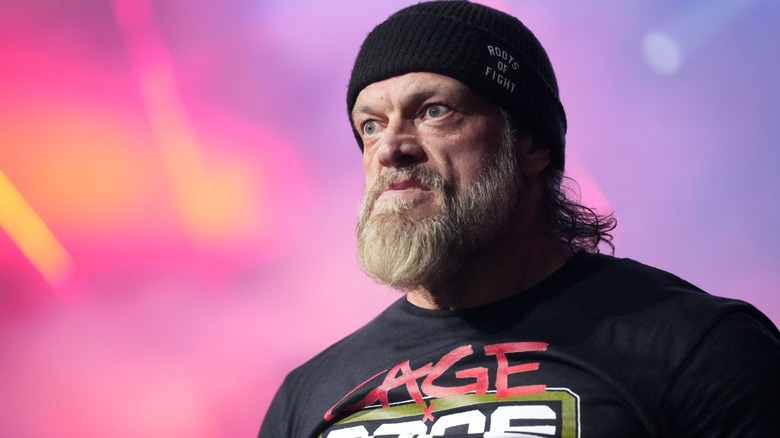
While my personal enthusiasm for Adam Copeland’s singles career in 2026 may be tempered, his current tag team run alongside Christian Cage is undeniably a compelling proposition. The legacy of Edge and Christian as one of their generation’s premier tag teams is well-documented, a testament to their impact despite a relatively brief period of active competition together. An entire generation of talent emerged and evolved while they embarked on separate singles journeys. Now, reunited, they have the opportunity to create a new chapter, engaging in standout contests against the brightest stars of the current tag team landscape, with The Young Bucks undoubtedly at the apex of that list.
However, before The Bucks can face off against the veteran duo, Copeland and Cage must first navigate their current challenge: dethroning FTR, the reigning AEW World Tag Team Champions. Dax Harwood and Cash Wheeler have indeed clashed with Copeland and Cage previously, but their encounter at AEW All Out in September 2025 was primarily driven by personal animosity rather than the pursuit of championship gold. The stakes are significantly higher now, with the AEW World Tag Team Championships on the line. It’s not difficult to imagine Tony Khan envisioning a scenario where Copeland and Cage, clad in championship regalia, strike their signature poses on Dynamite. Their challenge for the belts at Dynasty, conveniently scheduled in Canada, points towards a predictable outcome, mirroring the victor at All Out. Concurrently, the Jackson brothers are embarking on a narrative arc portraying them as devout, hard-working individuals striving to reclaim their position at the pinnacle of the division. This confluence of storylines perfectly positions a monumental clash between The Young Bucks and Copeland & Cage for the AEW World Tag Team Championships. This is a match that all four competitors have openly expressed a desire for, guaranteeing an electrifying performance when it finally materializes. Should the stars align and the performers be at their peak, envisioning a TLC match at Wembley Stadium to cap off this generational dream encounter would be a fitting crescendo, offering a nostalgic thrill that was tragically absent during The Hardys’ potential legacy run in 2022.
Conversely, the segment involving Andrade El Idolo and Don Callis’s remote intervention was a perplexing misstep, leaving both the performer and the audience in a state of bewilderment. The overarching atmosphere of the episode felt disjointed, and this particular segment epitomized that unease. The surreal image of Don Callis, appearing via a phone call, orchestrating a clandestine transaction through a proxy who handed Andrade a briefcase filled with money intended for MJF, was jarring. Andrade’s visible confusion and subsequent underplaying of the entire promo segment underscored the lack of coherence. The entire exchange felt awkward and disjointed, evoking a sense of a hastily thrown-together segment reminiscent of less polished productions. The absence of even a glimpse of the actual contents of the briefcase further detracted from its perceived significance, rendering the entire affair amateurish and unconvincing. The ambiguity surrounding the storyline’s direction was palpable, and frankly, the lack of clarity left one questioning the investment required to follow it. If Don Callis himself couldn’t be bothered to be physically present, it spoke volumes about the segment’s perceived importance, highlighting a talent known for prioritizing lucrative opportunities above all else. The entire segment felt fundamentally flawed, contributing to the episode’s overall off-kilter presentation, and it’s a shame that Renee Paquette, a consummate professional, was tasked with navigating such an awkward situation.
Amidst the narrative developments, Swerve Strickland’s ambitious pursuit of power, specifically targeting Kenny Omega’s influence within AEW, emerged as a standout storyline. Following Omega’s impactful return at Revolution, where he made a crucial save for Brody King, the stage was set for a renewed rivalry. Strickland had previously bested King in a singles contest, positioning himself as a primary contender outside of the established MJF-Adam Page World Championship feud. Omega’s subsequent challenge for a rematch, asserting his claim to the number one contender spot, carried an implicit understanding that stakes would need to be raised. It was within this context that Strickland delivered a compelling promo, articulating his deep-seated feelings about power dynamics and his experiences with those who wield it.
Strickland’s opening monologue resonated powerfully, drawing upon his history with hierarchical structures, from his military service to his time in WWE’s developmental system. He articulated a clear resolve never to be denied again, a sentiment fueled by the Young Bucks’ interference that cost him a second opportunity at the AEW World Championship at last year’s Dynasty. His decision to seize their AEW World Tag Team Championship titles as Executive Vice Presidents was a direct consequence of that perceived injustice. Now, with Omega potentially hindering another championship bid, Strickland’s objective has escalated: he desires Omega’s executive position and the power it confers. This isn’t merely about reclaiming past opportunities; it’s about usurping Omega’s influence entirely. This monologue, delivered with the gravitas of a seasoned super-villain, solidified Strickland’s command of his character and his growing prowess as a compelling antagonist.
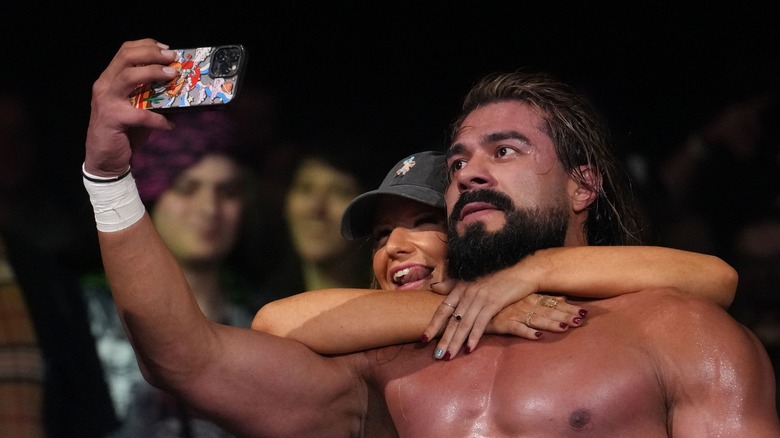
The prospect of a confrontation between Strickland and Omega is, by definition, an exciting proposition. However, the narrative threads weaving this feud together are particularly engaging. Strickland’s potential ascension to an Executive Vice President role is a fascinating prospect, while Omega’s re-entry into the World Championship picture alongside MJF offers immense intrigue. To reach either of these compelling destinations, a significant and likely exceptional match is inevitable. The high stakes attached to this feud, coupled with Strickland’s exceptional delivery, make it a must-watch storyline.
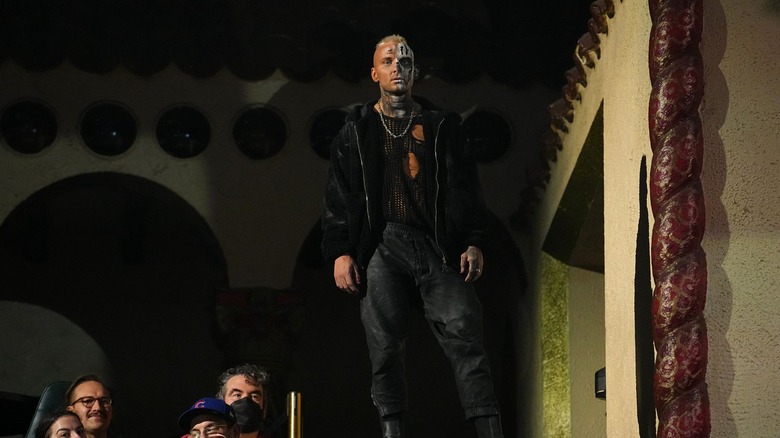
In stark contrast, the Coffin Match between Darby Allin and Gabe Kidd proved to be a profoundly disappointing and bewildering spectacle. The protracted nature of their feud, coupled with the diminishing personal investment from this observer, made the prospect of its conclusion a welcome one. However, the execution of its supposed grand finale fell far short of expectations. While acknowledging the duo’s attempt to innovate within the match’s parameters – incorporating elements like chloroform, a car flip, and Kidd being confined to a straitjacket – the overall presentation lacked substance. Wrestling the majority of the contest with restricted arm movement is a testament to Kidd’s dedication, but it couldn’t salvage the inherent flaws of the match.
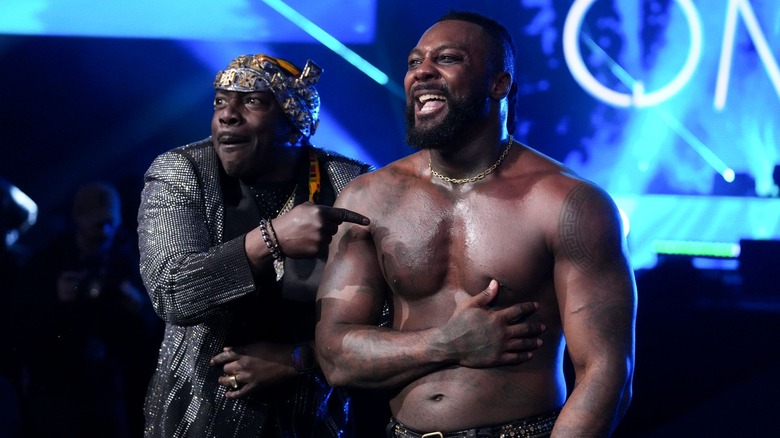
The Coffin Match ultimately failed to resonate, leaning too heavily into cartoonish absurdity rather than the visceral intensity expected from a feud culminating in such a brutal stipulation. The confused reactions from the live crowd mirrored my own, struggling to process the unfolding events and maintain engagement with a narrative that felt more like a slapstick comedy than a serious culmination of animosity. This brings us to another significant issue: the sheer volume of gimmick matches in such close proximity. Having just witnessed a brutal Texas Death Match between MJF and Adam Page at Revolution, followed by a No Holds Barred match on the very same Dynamite episode, the Coffin Match felt redundant. A brief respite between these high-impact stipulations would have allowed each to feel more impactful. The constant barrage of extreme match types risks desensitizing the audience, diminishing the impact of each individual contest.
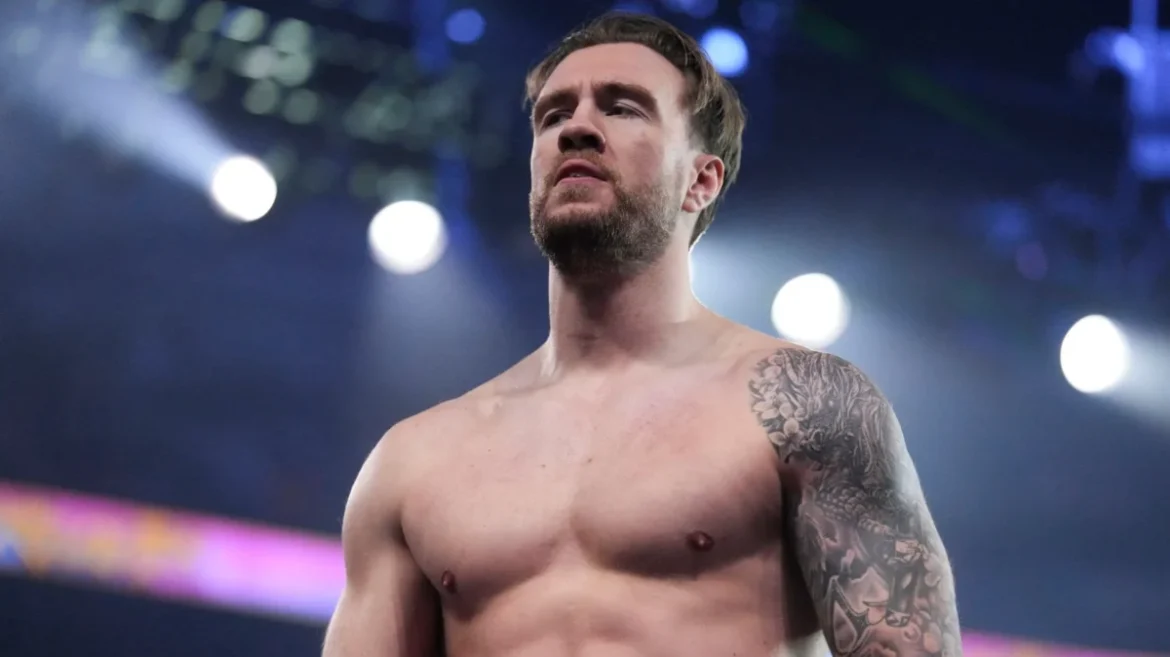
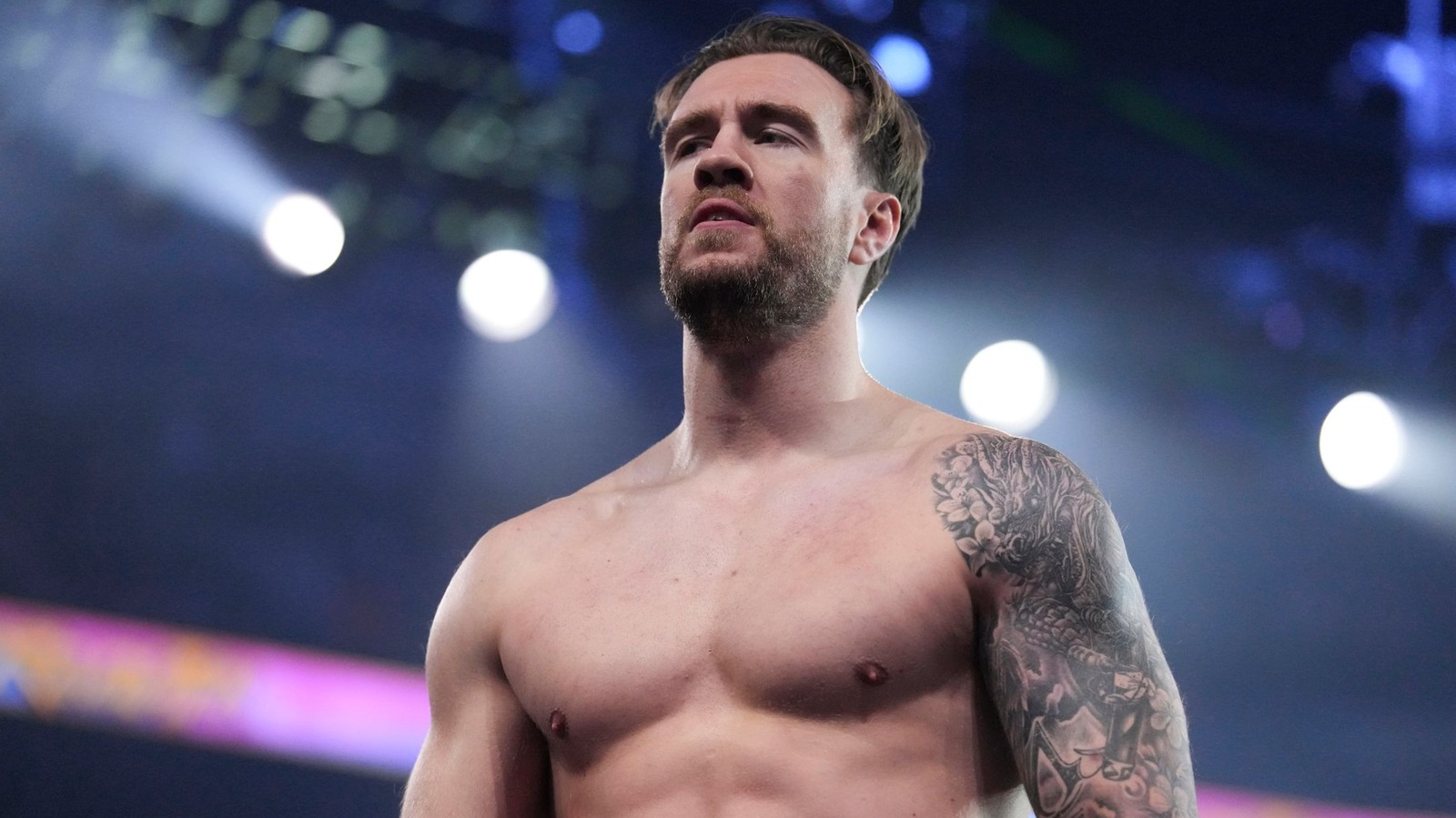
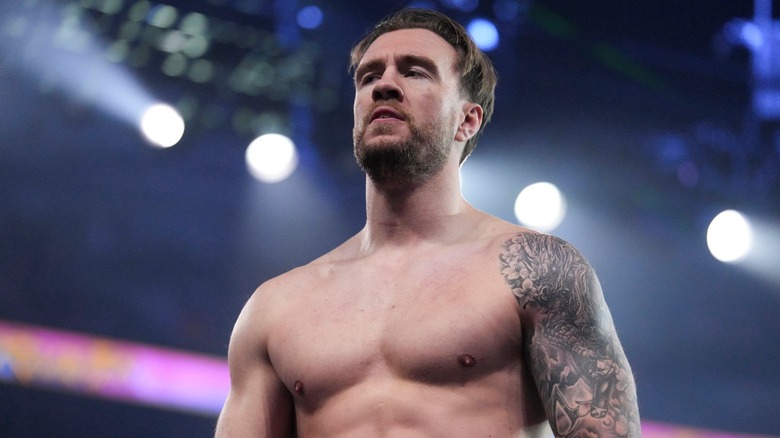
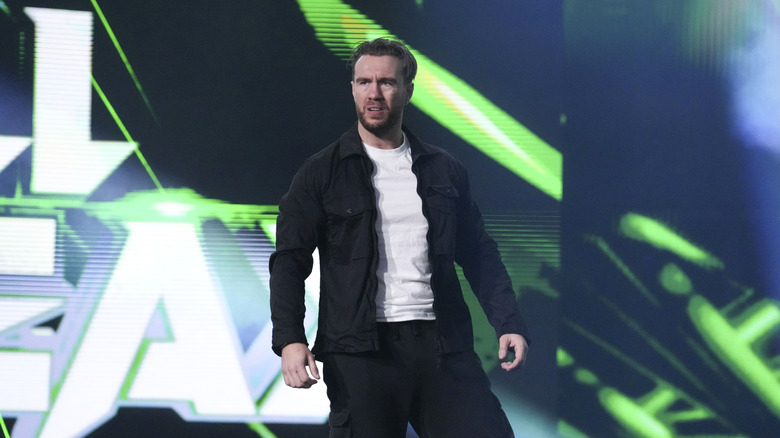
The return of Will Ospreay to AEW, following his recovery from neck fusion surgery, was undeniably the brightest spot on an otherwise inconsistent episode of Dynamite. His appearance at Revolution had signaled his comeback, but his in-ring return and subsequent promo on this week’s show truly injected much-needed energy into the broadcast. His opponent, Blake Christian, deserves commendation for holding his own against a star of Ospreay’s caliber, a testament to the faith placed in him by Ospreay and AEW President Tony Khan. Ospreay’s match, while good, was overshadowed by the sheer excitement of his return and the potent message he delivered in his post-match promo.
While his stated intention to confront Jon Moxley and the Blackpool Combat Club might seem counterintuitive given Moxley’s recent babyface leanings, the historical context of his removal from programming prior to his surgery provides a valid justification. Ospreay’s fury over that incident fueled a fiery promo that effectively sold the renewed animosity. His declaration that he could snap a neck with his bare hands, despite the necessary censorship, was a powerful statement that immediately re-established him as a formidable threat. The ensuing confrontation with PAC, a member of the Blackpool Combat Club, felt like a natural progression, setting the stage for Ospreay to systematically dismantle the faction en route to a showdown with Moxley. This methodical approach, while familiar, feels fresh and compelling with Ospreay at the helm.
Despite the episode’s overall lack of significant momentum, Ospreay’s return was a resounding success. With the AEW World Championship picture already intensely focused on the MJF-Kenny Omega rivalry, a secondary feud involving Ospreay and the Blackpool Combat Club provides him with an ideal platform to regain his footing and reassert his dominance within the promotion. This strategic placement allows him to rebuild momentum without overshadowing the main event narrative.
The pervasive issue plaguing this episode, and indeed many post-major pay-per-view broadcasts in AEW, is the evident toll such events take on the roster. The commitment to delivering exceptional performances at Revolution inevitably leads to a significant number of wrestlers being medically unavailable for the subsequent Dynamite. This creates a noticeable void in the in-ring action, forcing the promotion to rely more heavily on promos and video packages. While these elements are crucial to storytelling, their increased prominence on this particular show highlighted the absence of active competition. The main event participants from Revolution were notably absent from live action, as were the women’s champions. Toni Storm’s replacement by Mina Shirakawa due to injury further underscored the depleted roster. The majority of the Revolution card participants were relegated to backstage segments or brief promo appearances, creating a palpable sense of diminished urgency.
This pattern of post-PPV fallout shows is detrimental to maintaining the momentum generated by the preceding event. With the next pay-per-view, Dynasty, still four weeks away, the reduced time frame for building compelling matches necessitates a strong and energetic follow-up. Instead, this Dynamite felt like a lukewarm substitute, akin to a film screening when the teacher is absent. While the episode wasn’t inherently bad, the elevated expectations set by the recent string of high-quality programming left a feeling of being shortchanged. The reliance on remote appearances, such as Don Callis’s FaceTime cameo, starkly illustrated the limitations of the available roster. While this situation might provide an opportunity for AEW Collision to capture audience attention as the road to Dynasty continues, this particular Dynamite episode felt like a missed opportunity to fully capitalize on the buzz from Revolution, leaving fans with a sense of "Sorry, I wasn’t quite ready" from the promotion.