As the landscape of professional wrestling continually shifts, TNA’s flagship program, Impact, recently delivered an episode that, like many wrestling broadcasts, presented a tapestry woven with threads of both commendable execution and frustrating shortcomings. With the TNA Sacrifice pay-per-view looming on the horizon, the March 19, 2026, installment of Impact served as a crucial stepping stone, aiming to build anticipation and solidify ongoing storylines. However, the broadcast, while featuring a seemingly robust six-match card, struggled to find a consistent rhythm, with many of the contests concluding with a swiftness that left audiences wanting more substance. This analysis delves into the key moments that resonated positively and those that unfortunately fell short of expectations, examining the broader implications for TNA’s current trajectory and its pursuit of captivating its fanbase.
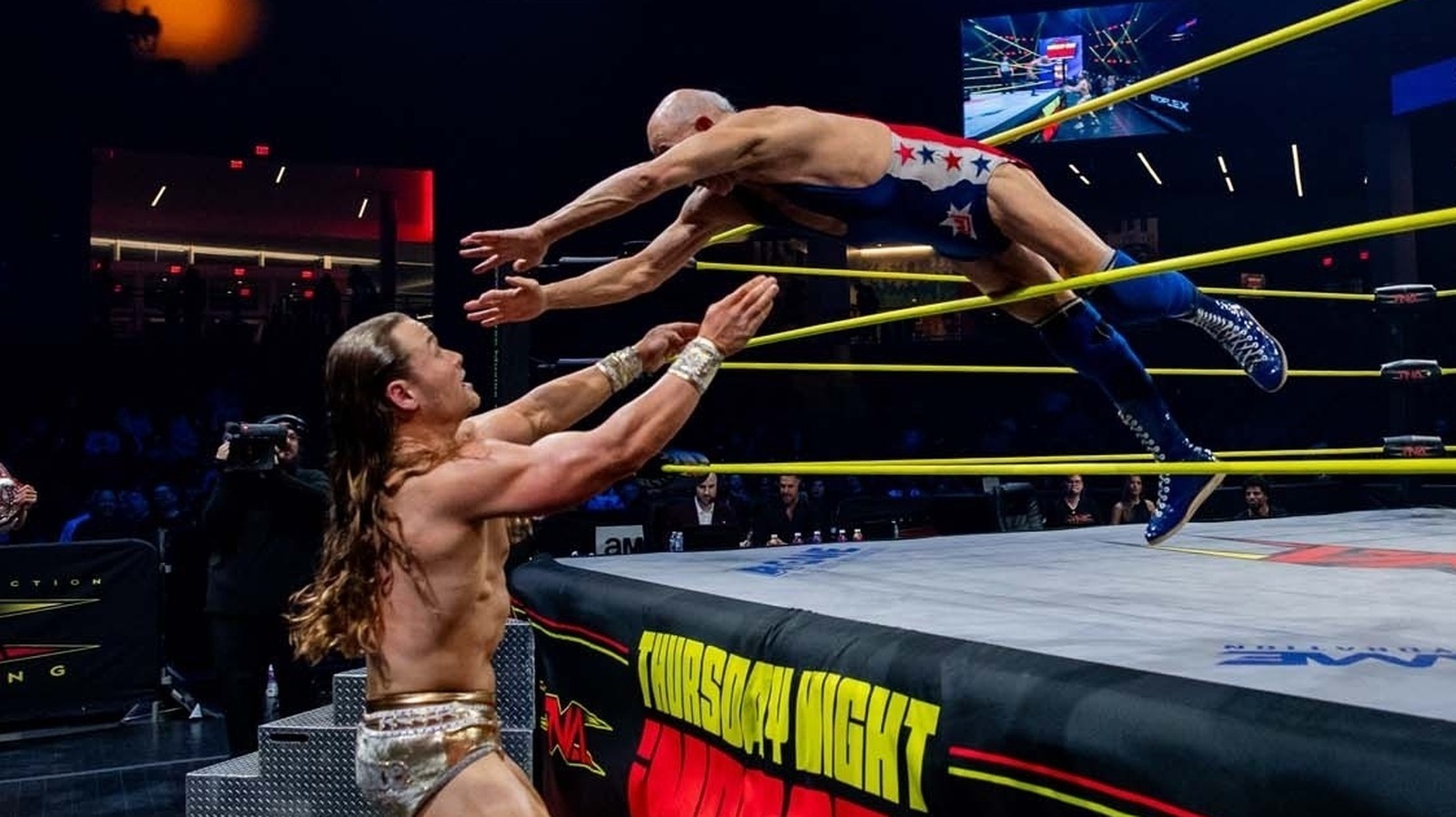
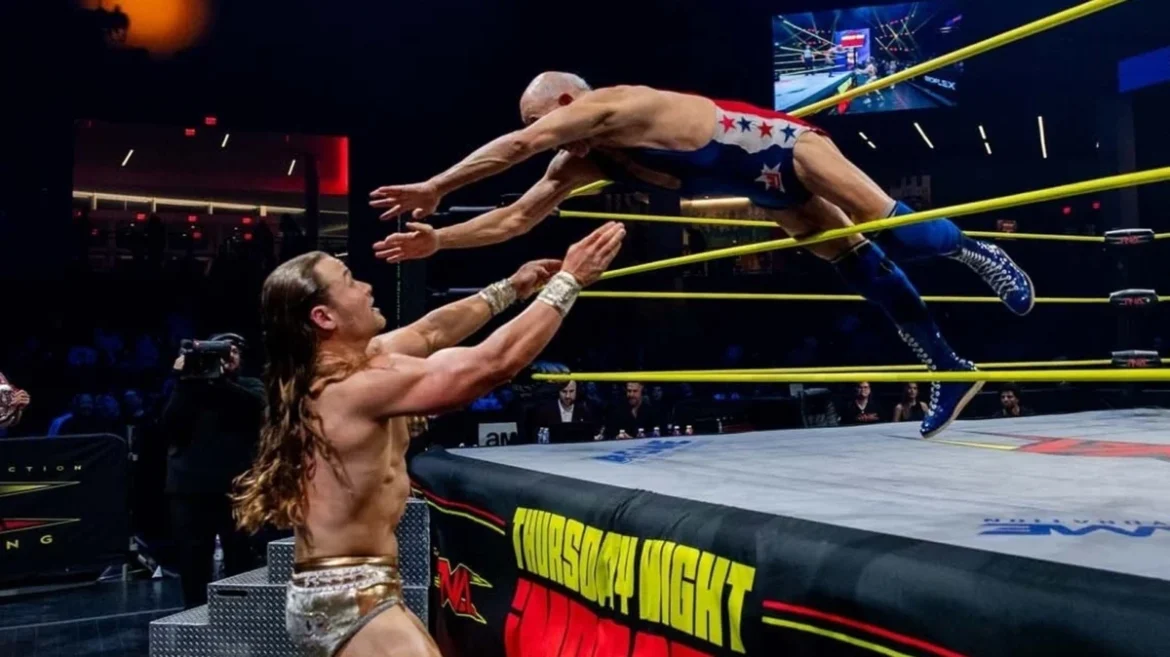
One of the most surprising bright spots of the evening was the unexpected brilliance showcased by the veteran performer "Action" Mike Jackson in his bout against Mr. Elegance. While many might have anticipated a perfunctory contest, perhaps even a simple exhibition of Jackson’s enduring spirit, the reality proved far more engaging. Jackson, at the remarkable age of 76, defied conventional expectations with a performance that was not only technically sound but also infused with a palpable energy that captivated the live audience. His repertoire of moves, including a daring dive to the exterior of the ring and a fluid walk along the top turnbuckle, demonstrated an athleticism and grace that belied his years. This display of sustained excellence was not merely a nostalgic nod to a bygone era; it was a testament to Jackson’s dedication and his innate ability to connect with the crowd. The enthusiasm of the spectators, amplifying the action within the squared circle, lent an additional layer of specialness to the encounter, transforming what could have been a brief interlude into a genuinely memorable segment. Even in the aftermath, despite the peculiar addition of ODB and her unconventional culinary offerings, the core of the match itself stood out as a highlight, offering a potent reminder of the enduring allure of seasoned talent.
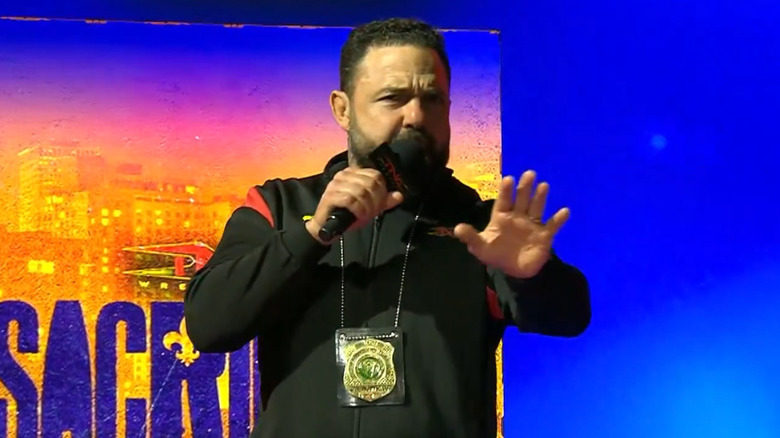
Conversely, a significant point of contention arose from the apparent squandering of valuable television time, particularly surrounding the actions of The System and Director of Authority Santino Marella. The narrative presented The System as a faction prone to underhanded tactics and ringside interference. Consequently, their pre-match presence, ostensibly to observe Brian Myers’ contest against a storyline-injured Moose, felt like a predictable, yet poorly managed, element. Marella’s directive to ban them from ringside, issued only moments before the bell, seemed less like decisive leadership and more like an after-the-fact reaction to an inevitable situation. The time spent by The System engaging in posturing and subsequently being admonified by Marella could have been far more effectively utilized to develop the actual match between Myers and Moose. Given Myers’ status as a number-one contender for the TNA Tag Team Championships and Moose’s compromised physical state, the swift conclusion of their bout – reportedly lasting a mere eight seconds – felt anticlimactic and indicative of a missed opportunity. In the fast-paced world of professional wrestling television, every minute counts, and this particular segment felt like a considerable expenditure of airtime with minimal narrative return.
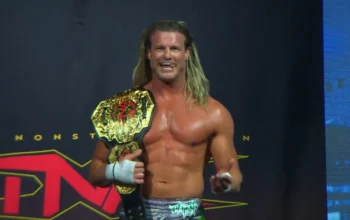
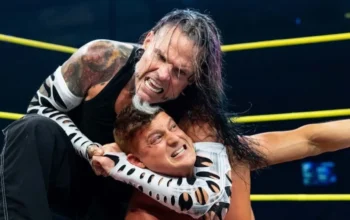
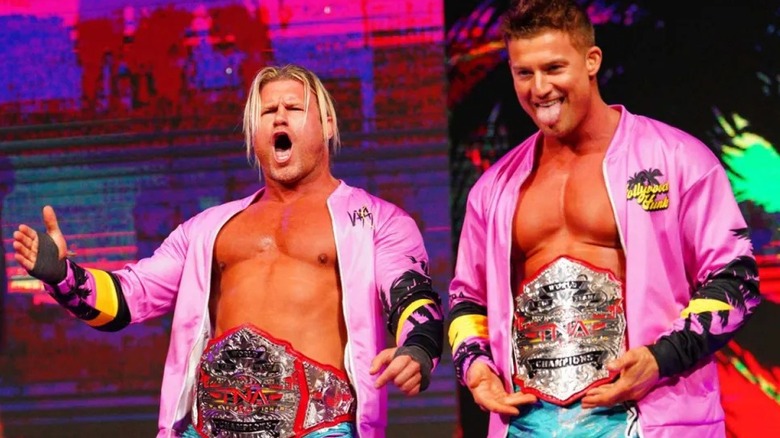
Amidst the program’s ebb and flow, the tag team divisions, both for the men and the Knockouts, delivered performances that were undeniably strong. The women’s division, a consistent area of pride for TNA, featured a compelling contest between the formidable duo of Dani Luna and Knockouts World Champion Arianna Grace against The Angel Warriors. The match was afforded a generous amount of time, allowing for intricate sequences and strategic exchanges, underscoring TNA’s commitment to showcasing its female talent. The palpable tension leading into the upcoming triple-threat match at Sacrifice, where Grace will defend her championship against both Luna and Lei Ying Lee, was effectively heightened. On the men’s side, the pairing of Nic and Dolph Ziggler, known collectively as The Nemeths, against the enigmatic The Righteous provided another highlight. The Nemeths, former TNA World Tag Team Champions, demonstrated their cohesive teamwork and offensive prowess. However, the unique, almost hypnotic, cult-like energy of The Righteous also proved captivating, making them a compelling presence regardless of their win-loss record. Their unpredictable charisma and the potential for them to ascend to the tag team championship ranks in the future were evident, making their matches must-see viewing. The inclusion of two such well-executed tag team encounters significantly elevated the overall quality of the broadcast.
The anticipation surrounding the TNA World Championship picture, specifically the burgeoning rivalry between champion Mike Santana and challenger Steve Maclin, was undeniable. Weeks of compelling promos and escalating tension had set the stage for a pivotal face-to-face confrontation. While the segment was visually appealing, adopting a cinematic style reminiscent of classic wrestling storytelling, its brevity proved to be a significant disappointment. For a match slated for a major pay-per-view event, the opportunity to delve deeper into the animosity between Santana and Maclin was regrettably curtailed. The comparison to extended verbal jousts seen in other major promotions, where competitors often engage in prolonged, intense exchanges that can last upwards of twenty to thirty minutes, highlighted what was missing. While Santana and Maclin may not possess the decades of shared history of some other rivalries, their current feud has generated significant intrigue. The truncated nature of their direct interaction left a void, leaving the audience craving more verbal sparring and deeper insights into their motivations. While the eventual in-ring encounter at Sacrifice is expected to deliver, the limited time afforded to this crucial segment felt like a missed chance to further solidify the stakes and emotional investment in the world title contest.
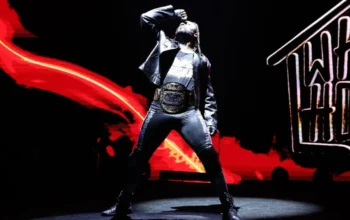
Beyond the in-ring action and planned confrontations, TNA also managed to inject moments of genuine intrigue through its cinematic segments. In an era where the overall narrative direction of TNA sometimes feels adrift, these vignettes offered glimmers of creativity and uniqueness. The resurrection of Allie, intertwined with Rosemary’s gothic persona, and the unexpected cameo from ECW legend Raven, created a surreal and fascinating narrative thread. While the logic behind these segments might be elusive, their sheer strangeness and the commitment to their fantastical elements proved to be engrossing. This unconventional approach, much like a quirky television series that defies easy categorization, managed to capture attention. Similarly, the main event segment featuring Santana and Maclin, choosing to conduct their confrontation in a dimly lit bar booth over drinks rather than a conventional ring setting, offered a refreshing departure. This attempt at a more grounded, yet dramatic, interaction, while perhaps evoking the feel of a television drama pilot, was a welcome deviation from the norm. These efforts, though seemingly minor, suggested a willingness to experiment with storytelling, providing much-needed substance and hinting at the potential for a more consistently engaging product.
However, the pervasive issue of inconsistent storytelling and a lack of clear direction remained a significant drawback. The inclusion of archival footage showcasing past stars like Jordynne Grace, Roxanne Perez, and Deonna Purrazzo during international commercial breaks, while intended to evoke nostalgia or highlight talent, ultimately served to underscore the perceived shortcomings of the current on-screen product. The stark contrast between these glimpses of impactful wrestling and the often sub-par narratives presented on the live show was jarring. The storylines themselves often felt convoluted or lacking in logical progression. The positioning of Mr. Elegance, a character subjected to rather undignified antics involving questionable food items and a veteran performer, alongside the unconventional path to a world title shot for Steve Maclin (a challenger who was seemingly fired via Feast or Fired before simply refusing to accept his dismissal), painted a picture of a promotion struggling to establish coherent and compelling narratives. The presence of TNA President Carlos Silva on screen, while perhaps an attempt at visibility, further diluted the focus on the active roster and their developing feuds. The championship reign of Knockouts World Champion Arianna Grace, a talent also featured on WWE’s NXT brand, fueled by consistent external interference, raised questions about the integrity of the division’s top prize. This approach felt like a misapplication of certain tropes from less successful eras of other promotions, failing to capitalize on the genuine talent available within TNA. The program often veered into a form of wrestling that felt overly artificial, relying on tired comedic beats and a repetition of past mistakes that have historically proven detrimental. Despite the clear capability of performers like Leon Slater, Mike Santana, Nic Nemeth, Trey Miguel, Lei Ying Lee, and even Tessa Blanchard to contribute to a compelling wrestling product, the focus seemed to remain on these questionable comedic elements and outdated booking strategies, hindering the potential for genuine success.