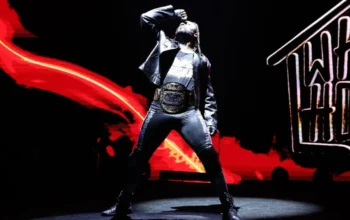

The intricate dance between global entertainment and international politics has once again placed World Wrestling Entertainment’s ambitious expansion plans under a harsh spotlight. Recent whispers emanating from the wrestling news circuits suggest a significant question mark hangs over the planned location for WWE’s highly anticipated "Night of Champions" premium live event. Once a seemingly assured fixture on the Kingdom of Saudi Arabia’s burgeoning sports entertainment calendar, reports now indicate that the event’s return to the Middle Eastern nation is far from a certainty, with figures within WWE reportedly expressing considerable doubt about its feasibility. This uncertainty stems from a complex web of geopolitical developments, most notably the escalating tensions involving the United States, Iran, and the broader regional instability.
For years, WWE has cultivated a lucrative and high-profile partnership with Saudi Arabia, transforming the nation into a key destination for its grandest spectacles. These events, often held biannually, have been instrumental in the Kingdom’s Vision 2030 initiative, aimed at diversifying its economy and boosting tourism and entertainment. The partnership has seen WWE deliver some of its most lavishly produced shows, featuring top-tier talent and drawing massive global attention. "Night of Champions," a historical event focused on showcasing championship matches, has been a recurring feature within this collaboration, often serving as a cornerstone of WWE’s international touring schedule. However, the current global climate has introduced a significant variable, forcing WWE to reassess its strategic roadmap.
The initial indications that "Night of Champions" might be returning to Riyadh were met with considerable anticipation. Reports had suggested that discussions between WWE and Saudi Arabia’s General Entertainment Authority (GEA) were progressing, with both parties seemingly intent on making the event a reality. However, the more recent intelligence paints a different picture. Sources close to the situation, as reported by wrestling news outlets, have characterized the likelihood of the event proceeding in Saudi Arabia as "doubtful at best." This sentiment suggests that internal assessments within WWE headquarters have flagged significant concerns that outweigh the established benefits of holding the show in the Kingdom. The specific nature of these concerns, while not explicitly detailed in every report, are widely understood to be rooted in the prevailing regional security landscape and the potential ramifications for talent, fans, and the overall logistical execution of such a high-stakes event.
The geopolitical situation in question involves a delicate and volatile balance of power. The ongoing conflict and heightened tensions in the Middle East, particularly involving the United States’ involvement in regional disputes and the potential for wider conflict, create a precarious environment. For a global brand like WWE, which relies on the safety and accessibility of its talent and a secure environment for its live audiences, these geopolitical complexities present considerable risks. The potential for travel disruptions, security threats, or even diplomatic fallout could have severe repercussions. This has undoubtedly led WWE to consider contingency plans and, in this instance, to question the viability of their established venue.
It is crucial to note that WWE has yet to officially confirm the location for "Night of Champions," whether it be in Saudi Arabia or any other territory. The company typically maintains a degree of secrecy surrounding event locations until official announcements are made. However, the timing of these reports, occurring as the event’s prospective date approaches, suggests a genuine internal re-evaluation is underway. The timeline for a definitive announcement regarding the venue remains unclear, adding another layer of uncertainty for the wrestling faithful who eagerly anticipate the event’s details. While alternative locations have not been publicly named, the mere suggestion of a relocation opens up a multitude of possibilities, each with its own set of logistical and creative considerations for WWE.

Despite the current doubts surrounding "Night of Champions," it is important to distinguish this situation from WWE’s broader commitment to Saudi Arabia. The company has, in fact, continued to plan for future major events in the Kingdom. Notably, reports have affirmed that WWE remains committed to hosting its flagship event, WrestleMania, in Saudi Arabia in 2027. This long-term vision underscores the significant financial and strategic importance of the partnership for both WWE and the Saudi government. However, even with this long-term commitment, WWE is reportedly adopting a more cautious approach, implementing contingency plans for future Saudi-based events. This suggests a proactive strategy to mitigate potential disruptions, indicating an awareness that even established partnerships can be impacted by unforeseen global events.
The history of "Night of Champions" itself provides an interesting context. The event, originally conceived in 2007, was a staple of the WWE calendar held annually in the United States until its retirement in 2015. It was resurrected in 2023, with its revival coinciding with WWE’s renewed focus on international premium live events. The decision to bring it back under the umbrella of the Saudi Arabia partnership was seen as a strategic move to leverage the Kingdom’s resources and its growing appetite for major sporting events. This historical perspective highlights that the event is not inherently tied to Saudi Arabia, but rather has been adapted to fit WWE’s evolving global strategy.
The implications of a potential relocation for "Night of Champions" are multifaceted. Creatively, a change in venue could necessitate adjustments to the overall presentation and narrative of the event. Logistically, it would require WWE to secure a new venue, arrange travel for its extensive roster and production crew, and coordinate with local authorities in a different country, all within a potentially compressed timeframe. Financially, the economic arrangements with a new host nation would need to be negotiated. From a fan perspective, a change in location could impact travel plans for those who had already made arrangements to attend the event in Saudi Arabia.
Furthermore, the situation raises questions about the future of WWE’s international event strategy. While the company has demonstrated remarkable resilience and adaptability in navigating various challenges over the years, the current geopolitical climate presents a unique and complex set of obstacles. The reliance on specific regions for major events, while often lucrative, also exposes the company to the vagaries of international relations. This may prompt a more diversified approach to event hosting in the future, with a greater emphasis on spreading major shows across a wider range of global territories to mitigate risks.
The ongoing dialogue surrounding "Night of Champions" serves as a potent reminder of the interconnectedness of the modern world. Entertainment, particularly on the scale of WWE, cannot operate in a vacuum, shielded from the realities of global politics and security concerns. The company’s ability to adapt and innovate in response to these external pressures will be a key determinant of its continued success and its capacity to deliver the grand spectacles that its global fanbase has come to expect. As the situation unfolds, wrestling enthusiasts worldwide will be closely watching for official statements from WWE and the GEA, eager to learn the ultimate fate of "Night of Champions" and its potential destination. The shifting sands of international relations have undoubtedly cast a long shadow, and the wrestling world awaits clarity on where this prestigious event will ultimately land.