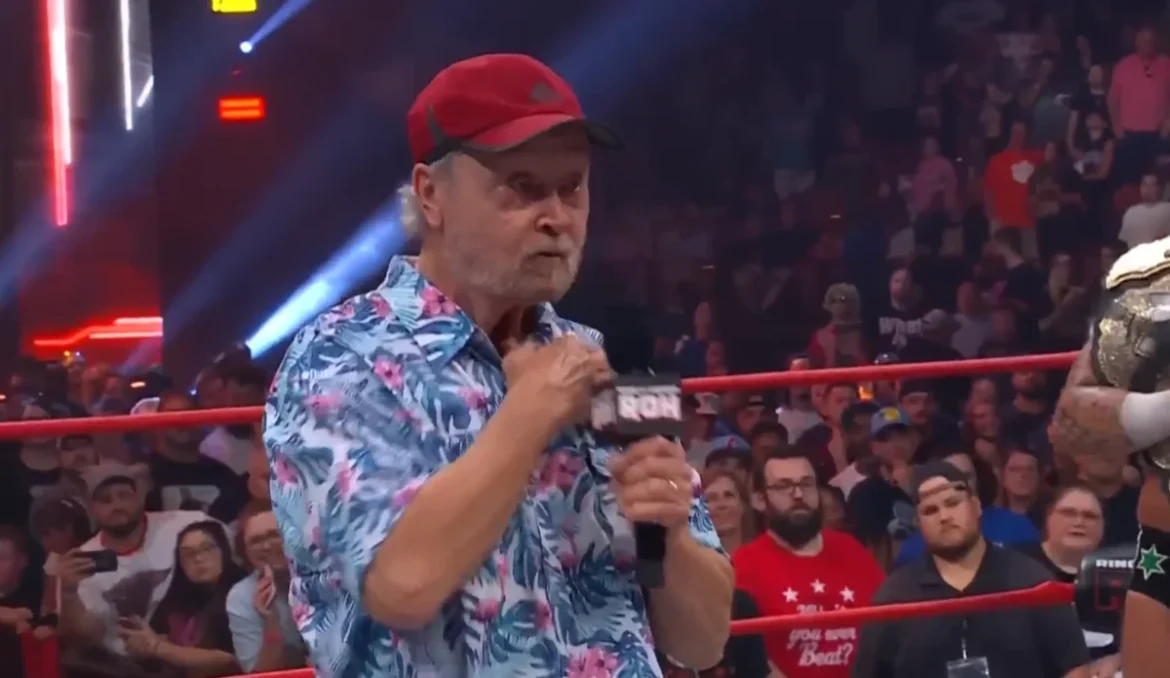
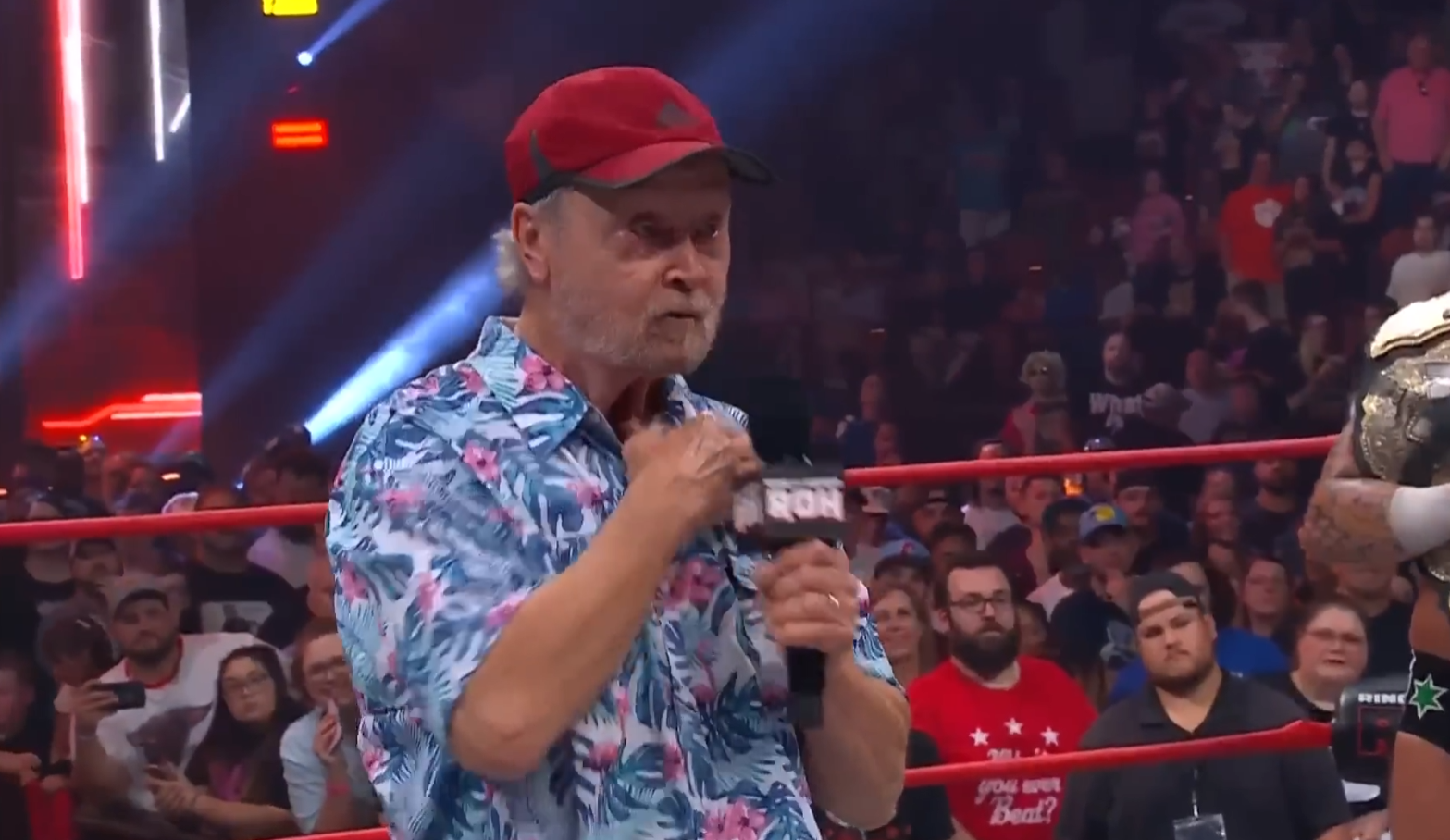
The professional wrestling community is in mourning following the passing of Dennis Condrey, a foundational pillar of one of the most iconic and influential tag teams in the sport’s history. At the age of 74, Condrey, widely known by his moniker "Loverboy," has left an indelible mark on the landscape of tag team wrestling, a legacy cemented by his pivotal role in the enduring saga of The Midnight Express. His departure represents the closing of a significant chapter, prompting a deep dive into the career that defined him and the lasting impact he had on the industry.
The story of Dennis Condrey’s wrestling career is intrinsically linked to the evolution of tag team wrestling itself, a division that, for many eras, served as a vital engine for storytelling and in-ring excellence. Condrey was a key architect of The Midnight Express, a stable that, across its various iterations, consistently delivered high-quality performances and captivating rivalries. His journey began in the early 1980s, a period where professional wrestling was undergoing significant stylistic shifts and expanding its reach. Condrey, alongside Randy Rose and Norvell Austin, first brought The Midnight Express moniker to prominence, establishing a foundation of athletic prowess and a dash of flamboyant showmanship that would become their hallmark. This initial incarnation laid the groundwork, but it was Condrey’s subsequent move to Mid-South Wrestling that would truly elevate the team’s profile and cement its place in wrestling lore.
It was in Mid-South Wrestling, under the astute guidance of Jim Cornette, that The Midnight Express truly found its definitive form and its most enduring legacy. Alongside the immensely talented Bobby Eaton, Condrey formed a partnership that would become synonymous with tag team wrestling perfection. Cornette, a visionary manager and booker, understood the chemistry between Condrey and Eaton, and he expertly crafted storylines and feuds that allowed their exceptional in-ring abilities to shine. This trio, often referred to as the "original" or "classic" Midnight Express by many fans, was a masterclass in professional wrestling. They possessed a seamless understanding of each other’s movements, a keen ability to work a crowd, and a repertoire of innovative tag team maneuvers that set them apart from their contemporaries. Their matches were not just contests; they were carefully constructed narratives, filled with dramatic near-falls, strategic cheating, and an undeniable charisma that drew audiences in.
The Mid-South era was instrumental in establishing The Midnight Express as a dominant force. Their rivalries with teams like The Rock ‘n’ Roll Express, managed by the equally charismatic Ricky Morton and Robert Gibson, became legendary. These feuds were a perfect storm of contrasting styles and personalities, captivating audiences across the territorial landscape. The Midnight Express, with their heelish tactics and Condrey’s aggressive style, provided a formidable foil to the babyface dynamism of The Rock ‘n’ Roll Express. The matches between these two iconic duos are still celebrated today as benchmarks of tag team wrestling, showcasing a blend of technical skill, emotional storytelling, and a palpable intensity that made every encounter feel significant. From Mid-South, their success and reputation carried them to other prominent promotions, including World Class Championship Wrestling (WCCW) and, crucially, Jim Crockett Promotions (JCP), the precursor to World Championship Wrestling (WCW).
Jim Crockett Promotions, and later WCW, provided The Midnight Express with their grandest stage. In this environment, Condrey and Eaton, with Cornette at their side, continued to be a premier tag team, collecting championships and engaging in memorable feuds. Their ability to adapt to the evolving wrestling landscape, while maintaining their core identity, was a testament to their talent and the strength of their presentation. Condrey’s physicality and his knack for playing the role of the enforcer within the team, often acting as the more aggressive and intimidating presence, complemented Eaton’s smooth, athletic style perfectly. This dynamic made them a versatile and formidable unit, capable of working as dominant heels or, when the storyline dictated, earning a grudging respect from the audience.
The internal dynamics and personnel changes within wrestling promotions often lead to shifts in creative direction, and The Midnight Express was no exception. In 1987, Dennis Condrey departed Jim Crockett Promotions. This departure marked a significant turning point, leading to a period of evolution for the team. Condrey would later reunite with Randy Rose, and this iteration of The Midnight Express resurfaced in the American Wrestling Association (AWA). The wrestling world was constantly in flux, and this new version of the team continued to ply their trade. However, the most intriguing chapter of this period came when they joined the nascent World Championship Wrestling (WCW) and were paired with the controversial and charismatic manager Paul E. Dangerously (Paul Heyman). This created a fascinating storyline: the original Midnight Express, managed by Paul Heyman, feuding with the established Midnight Express of Bobby Eaton and Stan Lane, managed by Jim Cornette. This "feud of the Expresses" was a meta-narrative that tapped into the history and the various incarnations of the team, offering a unique and engaging conflict for the WCW audience. Condrey’s involvement in this angle showcased his adaptability and his willingness to participate in creative, albeit complex, storylines. His tenure in WCW during this period, however, was relatively brief, concluding in early 1989 amidst significant booking changes within the company.
Following his departure from major national promotions, Dennis Condrey continued to contribute to the wrestling world by working on the independent circuit. This dedication to the craft, performing for smaller promotions and connecting with fans on a more intimate level, underscored his passion for professional wrestling. He wrestled professionally until 2011, demonstrating remarkable longevity in a physically demanding profession. His continued presence on the independent scene allowed new generations of fans to witness his in-ring abilities and his seasoned performance, while also keeping his name relevant within the broader wrestling conversation.

The enduring impact of Dennis Condrey and The Midnight Express was further highlighted in 2023 when All Elite Wrestling (AEW) recognized their contributions with a special tribute. This acknowledgement, featuring FTR (Cash Wheeler and Dax Harwood) and CM Punk, served as a powerful testament to the team’s lasting influence. FTR, in particular, has often cited The Midnight Express as a major inspiration for their own tag team philosophy, emphasizing their dedication to traditional tag team wrestling principles, storytelling, and executing precise, impactful offense. The fact that a modern promotion like AEW would dedicate time and resources to honoring Condrey and The Midnight Express speaks volumes about their historical significance and their role in shaping how tag team wrestling is perceived and executed today. It was during this period that Dax Harwood, a vocal admirer of Condrey’s work, publicly announced Condrey’s passing and initiated a GoFundMe campaign to assist his family with funeral expenses, a clear indication of the respect and affection Condrey commanded within the industry.
Dennis Condrey was more than just a wrestler; he was a performer who understood the art of professional wrestling. He was a key component of a team that redefined tag team excellence, delivering countless memorable matches and feuds that remain etched in the minds of wrestling fans. His presence in the ring, often characterized by a rugged toughness and a commanding aura, made The Midnight Express a truly formidable and compelling unit. While the wrestling world bids farewell to "Loverboy" Dennis Condrey, his legacy as a foundational member of one of the greatest tag teams of all time will undoubtedly endure, continuing to inspire and entertain for generations to come. The echoes of his impactful career will forever resonate within the squared circle, a testament to a life dedicated to the roar of the crowd and the thrill of professional wrestling.