The landscape of professional wrestling is a constantly evolving tapestry, with alliances forming and dissolving, and companies changing hands with a frequency that can leave even the most ardent fan struggling to keep pace. In recent memory, one of the most significant seismic shifts has been the acquisition of Lucha Libre AAA Worldwide, the venerable Mexican wrestling institution, by global entertainment behemoth WWE. This monumental transaction, occurring approximately a year ago, has inevitably led to profound changes within AAA, prompting a keen examination of how the storied promotion’s identity has been reshaped. Esteemed wrestling journalist Dave Meltzer, a keen observer of the global wrestling scene for decades, has offered his insights into these transformations, highlighting a blend of undeniable advancements and concerning cultural dilutions.
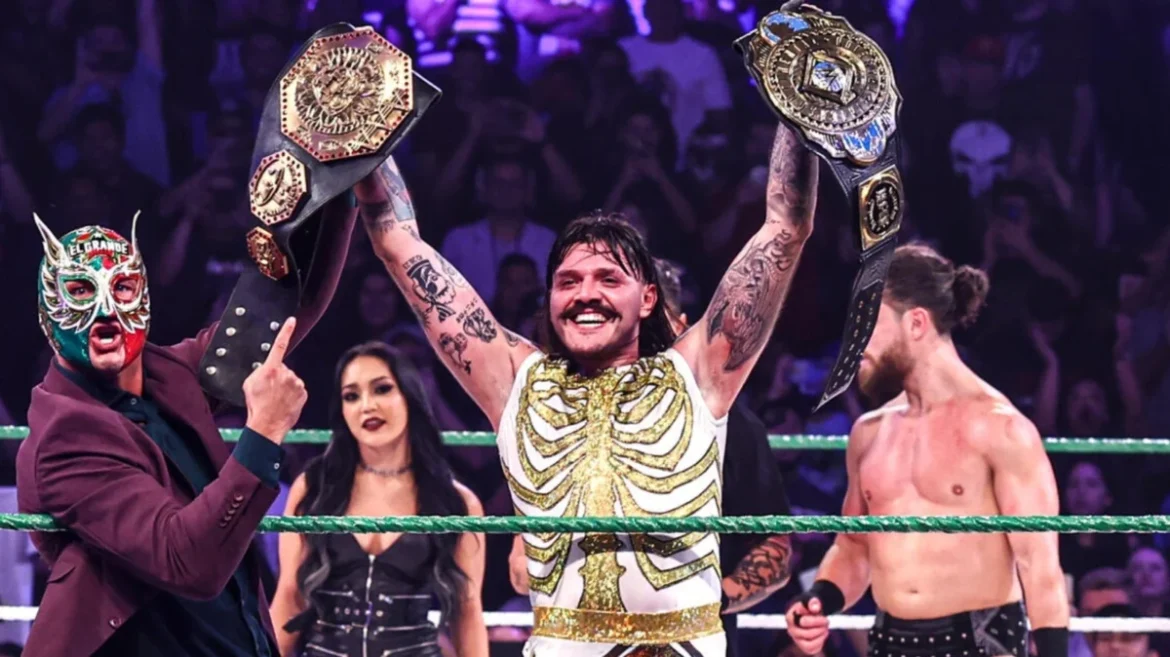
The most striking observation from Meltzer, and indeed many observers of AAA since the acquisition, is the pervasive influence of what can only be described as "WWEification." This isn’t merely a superficial aesthetic change; it’s a fundamental alteration in storytelling, character presentation, and in-ring philosophy. One of the most potent examples lies with El Hijo del Vikingo, a performer who has consistently been lauded as one of the most innovative and exhilarating high-flyers in the sport today. Under the new regime, Vikingo’s dazzling aerial repertoire, a cornerstone of his appeal, has been noticeably curtailed. Meltzer posits that this is a deliberate tactic, mirroring a long-standing WWE strategy to neutralize the crowd’s adoration for performers with spectacular in-ring abilities by re-casting them as villains. The logic, in this context, is to discourage fans from vociferously cheering individuals whose gravity-defying maneuvers might otherwise elicit overwhelming support. This approach, while proven effective in generating heel heat within the WWE system, risks alienating the core fanbase that has long cherished AAA for its distinct lucha libre traditions.
Furthermore, the tactical deployment of run-ins has become more pronounced, a common narrative device in WWE programming designed to inject chaos and advance storylines. Similarly, the frequency and length of backstage interviews and in-ring promos have increased. Meltzer notes that during recent AAA events, particularly those featuring appearances by WWE Superstars, the primary focus of the live audience often seems to be on these visiting dignitaries rather than the established AAA talent. This suggests a potential shift in fan engagement, where the allure of the familiar WWE stars overshadows the homegrown heroes of Mexican wrestling, a concerning development for a promotion striving to maintain its unique cultural identity.
Beyond the stylistic and structural changes, Meltzer has also pointed to what he perceives as WWE’s efforts to either simplify or, in some instances, rewrite AAA’s rich history. A specific case highlighted involves the recurring narrative surrounding the legendary La Parka. Commentary has frequently stated that La Parka was pursuing his sixth Rey De Reyes tournament victory. While it is true that the La Parka character, as portrayed by the late Jesús Escoboza, did win the tournament five times, the individual who embodied that iconic persona passed away in 2020. Meltzer observes that this crucial detail has been omitted from commentary, ostensibly to avoid complicating the narrative for a broader, potentially less familiar audience. This desire for narrative simplicity, while understandable from a global marketing perspective, risks erasing the poignant reality of the character’s history and the profound loss experienced by the wrestling community. It raises questions about the extent to which historical accuracy is being sacrificed in the pursuit of a more universally palatable product.
Despite these criticisms, it is crucial to acknowledge the undeniable positives that have emerged from AAA’s integration into the WWE fold. Meltzer is quick to praise the significant improvements in production quality. The visual presentation of AAA’s shows is now, in his estimation, superior to that of its long-standing rival in Mexico, Consejo Mundial de Lucha Libre (CMLL). The lighting, camera work, and overall aesthetic have been elevated, contributing to a more polished and professional viewing experience.
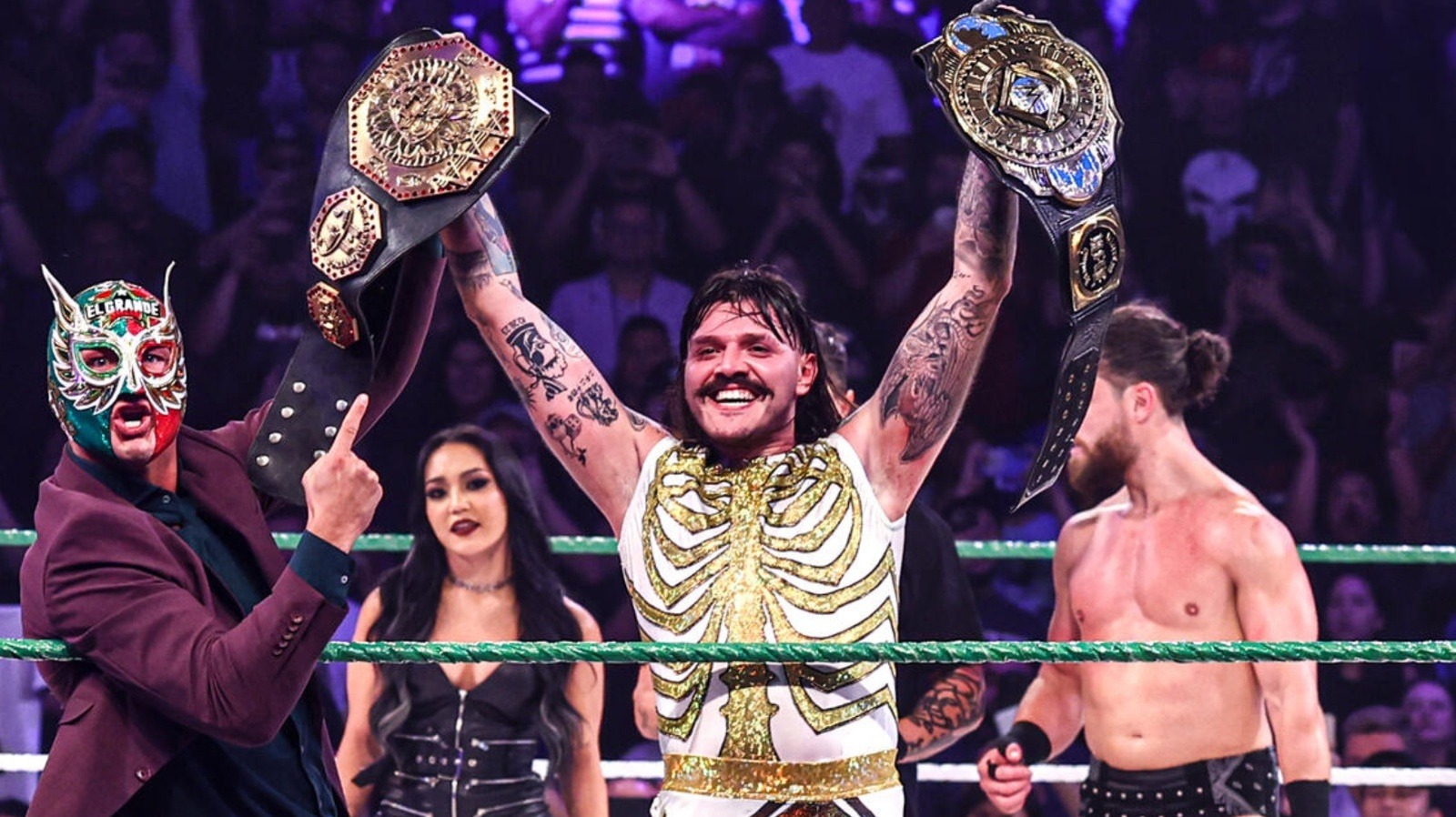
The passion of the AAA crowds remains a potent force, a hallmark of Mexican wrestling that has been preserved. Meltzer differentiates these audiences from their North American counterparts, noting that they exhibit a genuine investment in the matches themselves, rather than solely focusing on the outcome or the perceived star power of the participants. This deep-seated appreciation for the craft of wrestling, for the storytelling within the squared circle, is a vital component of AAA’s heritage. While acknowledging that certain divisions, particularly the women’s matches, may not consistently reach the highest echelons of quality, Meltzer generally finds the vast majority of bouts to be thoroughly entertaining.
The commercial success of AAA under WWE’s stewardship is also a compelling testament to the acquisition’s efficacy. The promotion has consistently sold out nearly every event since the takeover, a remarkable feat that underscores the continued appeal and viability of AAA as a live attraction. Moreover, the securing of a new, significant television deal with FOX for broadcast across Mexico and South America represents a substantial step forward in expanding AAA’s reach and influence in crucial international markets. This strategic partnership is a clear indicator of WWE’s commitment to leveraging AAA’s brand and talent to tap into new revenue streams and a broader global audience.
Perhaps the most provocative, yet insightful, observation from Meltzer comes in his assessment of AAA’s weekly television product. He suggests that, in its current iteration, the weekly programming emanating from AAA may actually be more engaging and entertaining than the television offerings produced by WWE itself. This is a bold statement, considering WWE’s unparalleled global reach and vast production resources. It implies that while AAA may be undergoing a period of cultural recalibration, its core appeal, its ability to deliver compelling wrestling content, has not only endured but has, in some respects, been amplified. This could be attributed to a variety of factors, including the continued presence of exceptional in-ring talent like El Hijo del Vikingo (even with his adjusted presentation), the passionate live audiences, and perhaps a renewed creative energy fueled by the potential for crossover opportunities with WWE’s global roster.
The integration of AAA talent into WWE programming, such as appearances on NXT or even main roster shows, further highlights the symbiotic relationship being fostered. These cross-promotional appearances serve multiple purposes: they provide AAA stars with exposure to a massive international audience, thereby increasing their marketability, and they offer WWE fans a glimpse into the exciting world of lucha libre, potentially generating interest in AAA’s core product. However, this also carries the risk of these talents being "lost in translation," their unique styles and characters not resonating with the WWE audience or being molded into a generic WWE mold. The success of these crossovers, therefore, hinges on careful booking and a genuine appreciation for the distinct talents being showcased.
The acquisition of AAA by WWE is not simply a financial transaction; it is a cultural negotiation. WWE, a global entertainment juggernaut, is now tasked with navigating the rich and complex history of lucha libre, a style deeply intertwined with Mexican culture and tradition. The challenge lies in striking a delicate balance: harnessing the power of the WWE brand to elevate AAA’s profile and profitability while simultaneously preserving the essence of what makes lucha libre so beloved. Meltzer’s analysis provides a valuable lens through which to view this ongoing evolution. He identifies the undeniable advancements in production and the continued commercial success, but also flags the potential for cultural dilution and the subtle erasure of historical nuances. The ultimate success of this partnership will be measured not only in financial metrics but in its ability to foster a mutually beneficial relationship that respects and celebrates the unique heritage of Lucha Libre AAA Worldwide. The coming years will undoubtedly reveal whether the "WWEification" of AAA proves to be a transformative enhancement or a gradual assimilation, and the wrestling world will be watching with keen interest.