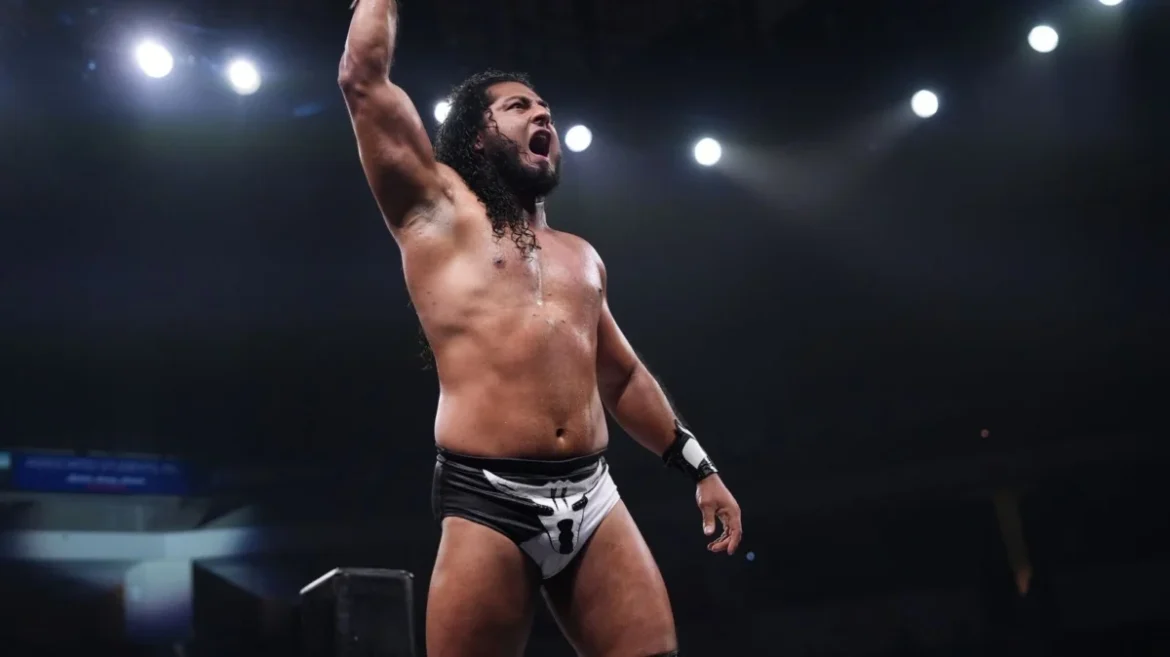
The wrestling landscape is perpetually shifting, and All Elite Wrestling’s "Dynamite" program, broadcast on March 25, 2026, served as a potent reminder of this ongoing evolution. In a week that saw significant stakes attached to championship contests and executive power, the show also presented a curious mix of compelling action and questionable booking decisions. From the hotly anticipated clash between two of the company’s most electrifying performers to the continued narrative surrounding championship pursuits and the emergence of new rivalries, this episode offered a snapshot of AEW’s current trajectory, highlighting both its strengths and areas ripe for refinement. As fans dissect the week’s events, certain moments undoubtedly resonated more than others, leaving an indelible mark on the viewer’s experience.
One of the most perplexing aspects of the evening was the perceived misallocation of main event status. While AEW has made strides in showcasing its women’s division, the decision to position the AEW Women’s World Championship match between Thekla and Mina Shirakawa as a secondary feature, despite the title being on the line, felt like a missed opportunity to elevate the championship and its holder. Furthermore, the actual main event, a no-disqualification encounter between Rush and Darby Allin, lacked any discernible stakes. This created a dissonant viewing experience, where a championship bout, even one with limited build, was overshadowed by a contest with no championship implications or clear storyline advancement. The strategic placement of the Swerve Strickland versus Kenny Omega bout, a contest with significant ramifications for both the AEW World Championship picture and Omega’s executive vice president status, opening the show instead of concluding it, further contributed to this feeling of imbalance. While Omega’s subsequent interruption of MJF’s promo later in the evening provided context for the earlier placement, it raised questions about the necessity of MJF’s extended television presence following a grueling championship defense at the preceding pay-per-view, Revolution. A week’s respite for the champion might have better served the narrative, allowing for a more impactful return to confront Omega after the latter had secured his victory and the crucial opportunity. The post-match angle involving the Don Callis Family’s assault on Allin, while adding a layer of intrigue, did not inherently justify its position as the show’s definitive conclusion, especially when compared to the potential impact of a title match or a high-stakes singles encounter. This structural decision left many observers questioning the show’s pacing and the prioritization of certain narratives over others, suggesting that a more fluid arrangement of the card might have amplified the overall impact of the evening’s key moments.
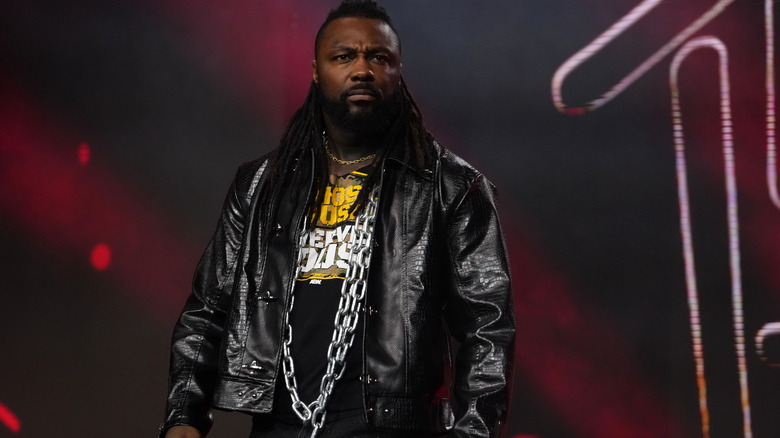
Conversely, the bout between Swerve Strickland and Kenny Omega was a resounding success, embodying the very best of what AEW has to offer. These two athletes, possessing distinct yet equally captivating in-ring styles, delivered a performance that not only met but exceeded the already lofty expectations set by their previous encounters. The contest was a masterclass in professional wrestling, characterized by its breakneck pace, aerial acrobatics, and a relentless series of near-falls that kept the audience on the edge of their seats. The stakes were palpable, with Strickland aiming to claim Omega’s executive vice president title and Omega seeking a coveted shot at the AEW World Championship. This dual stipulation added a crucial layer of significance, transforming the match from a mere exhibition into a pivotal chapter in the ongoing saga leading to the upcoming Dynasty pay-per-view. The extended runtime afforded to the match allowed both competitors to showcase their exceptional talents, meticulously building the narrative through their physical prowess and strategic exchanges. While Omega’s victory might have been somewhat predictable given the geographical proximity of Dynasty to his Canadian homeland, it did little to diminish the sheer quality of the wrestling on display. This match served as a powerful reminder of Omega’s enduring ability to deliver "best bout" performances and Strickland’s ascent as a legitimate main-event contender, solidifying their positions as two of AEW’s most valuable assets. The narrative threads woven through this encounter directly propelled the championship picture forward, creating genuine anticipation for future confrontations.
The build-up to the Dynasty pay-per-view also presented a point of contention, specifically concerning the highly anticipated grudge match between Will Ospreay and Jon Moxley. While the prospect of these two titans clashing is undeniably thrilling, the decision to stage this encounter as a non-title affair raises questions about the strategic utilization of AEW’s championship landscape. The AEW Continental Championship, currently held by Moxley, seemed like a natural focal point for this rivalry, given Moxley’s consistent defense of the title in eliminator matches. Ospreay’s stated desire for revenge against Moxley and the Death Riders could have been amplified by a pursuit of the championship, adding an extra layer of consequence to an already significant feud. However, the absence of the title on the line potentially diminishes the impact of Moxley’s recent victory over Konosuke Takeshita for the championship at Revolution. If the championship was not intended to be a factor in this new rivalry, its acquisition by Moxley might appear to be a tangential development, rather than a crucial stepping stone. Furthermore, the narrative surrounding the championship has been somewhat convoluted, with the babyface turn of Takeshita potentially losing momentum without the championship being a central element. The positioning of Moxley as a gradually more sympathetic figure in late 2025 and early 2026, only to now be pitted against the returning fan-favorite Ospreay, risks undermining the hard work invested in rebuilding his character. While the eventual match promises to be a show-stealing spectacle, the journey to this point has seemingly necessitated the unwinding of previously established storylines and character arcs, leading to a sense of detoured progression.
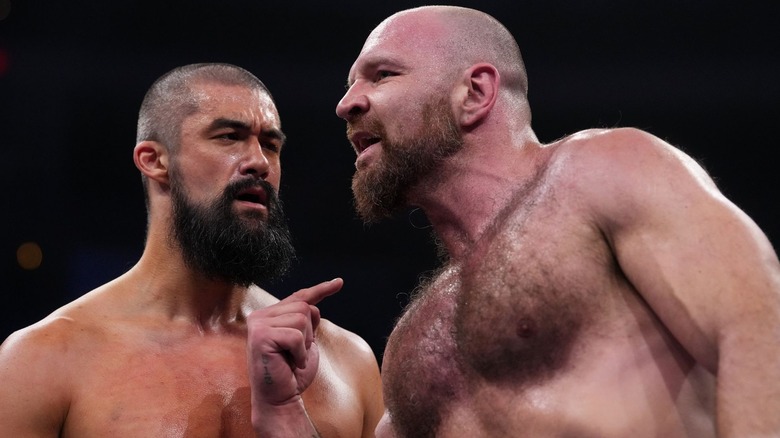
On a more positive note, Thekla’s AEW Women’s World Championship defense against Mina Shirakawa, while not a monumental bout, represented a welcome return to prominence for the champion on "Dynamite." Following a somewhat inconsequential defense against Thunder Rosa earlier in March, and a significant appearance at Revolution, Thekla’s presence defending her gold felt overdue. Shirakawa, as a more consistent presence on AEW programming, particularly in her recent storyline involving "Timeless" Toni Storm, offered a slightly more substantial challenge than Rosa. The narrative surrounding Shirakawa’s "new side" following Storm’s absence provided a hint of intrigue, though its full development remains to be seen. The chemistry between Thekla and Shirakawa was evident, with their contrasting styles creating an engaging match. Thekla’s hard-hitting offense and compelling selling ability, coupled with her willingness to embrace a more unhinged persona, make her a captivating champion. Her strategic use of the championship belt as a distraction and the subsequent removal of brass knuckles demonstrated a cunning and ruthless approach that perfectly fits the AEW mold. While the match itself may not have been a watershed moment, it served to re-establish Thekla as an active and formidable champion on the company’s flagship show, addressing concerns about her underutilization in recent weeks.
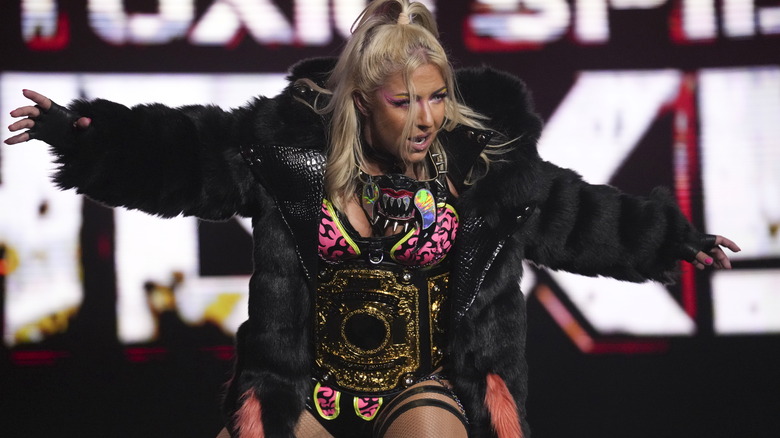
The promotional segment featuring MJF, the AEW World Champion, proved to be a significant letdown, particularly given his established prowess on the microphone. Following his brutal Texas Death Match victory over Hangman Page at Revolution, and with a title defense against Kenny Omega looming at Dynasty, MJF’s televised appearance was remarkably devoid of substance. His promo consisted primarily of superficial taunts directed at the Minnesota audience, a reiteration of his victory, and an excessive use of the word "ever" before resorting to his customary catchphrases. This lack of meaningful engagement with his upcoming opponent failed to generate genuine heat or anticipation for the championship match. In stark contrast, Kenny Omega, despite appearing somewhat fatigued after his opening match, delivered a compelling promo that effectively sold the stakes of his impending showdown with MJF. Omega’s reflection on his loss to Swerve Strickland and his subsequent learning experience highlighted his growth and readiness for the challenge, creating a sense of urgency and intrigue surrounding the Dynasty main event. This disparity in promotional effectiveness underscored MJF’s uncharacteristic failure to connect with the audience on a narrative level, leaving many to anticipate a more engaging contract signing segment in Omega’s hometown of Winnipeg. For a performer renowned for his mic skills, this particular outing felt like a significant misstep, relying on cheap heat rather than compelling storytelling to advance his feud.
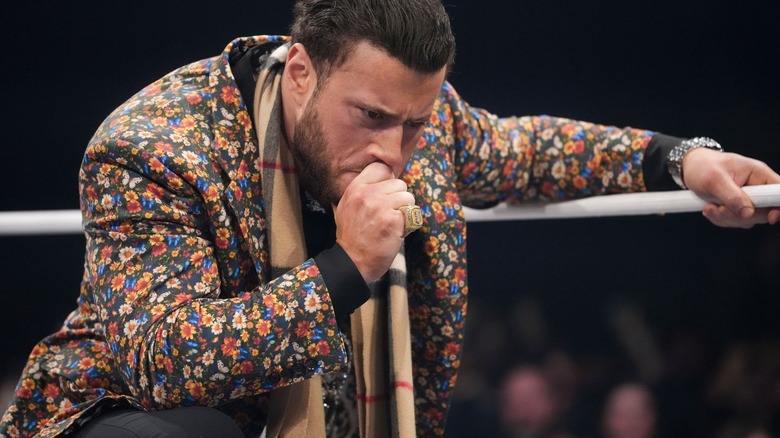
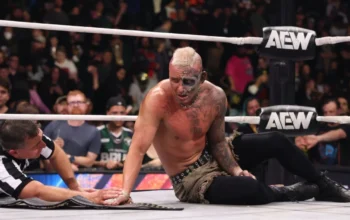
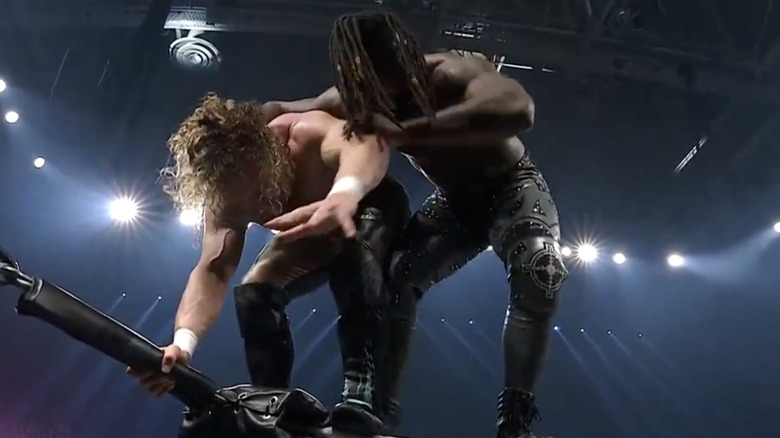
Finally, the main event encounter between Rush and Darby Allin, while misplaced in its billing, provided a platform for Rush to showcase his immense talent and commanding presence. The contest, a no-disqualification affair, was characterized by Rush’s brutal power as he manhandled Allin, a visual spectacle that resonated with the audience’s morbid fascination with high-risk wrestling. Despite the lack of championship stakes or a deeply developed storyline, Rush seized the opportunity, delivering a performance that positioned him as a credible threat and a potential star. His popularity with the Minnesota crowd, coupled with his confident demeanor, further amplified his impact. While the outcome saw Allin ultimately victorious, followed by an ambush from the Don Callis Family—a segment hinted to be orchestrated by MJF to prevent Allin from climbing the heavyweight ranks—the focus remained on Rush’s impressive display. This bout served as a positive moment for Rush, demonstrating his capacity to command attention and deliver a compelling performance, even in a less-than-ideal spot on the card. It was a strong closing to a show that, despite its structural curiosities, ultimately delivered moments of high-quality wrestling and intriguing narrative developments.