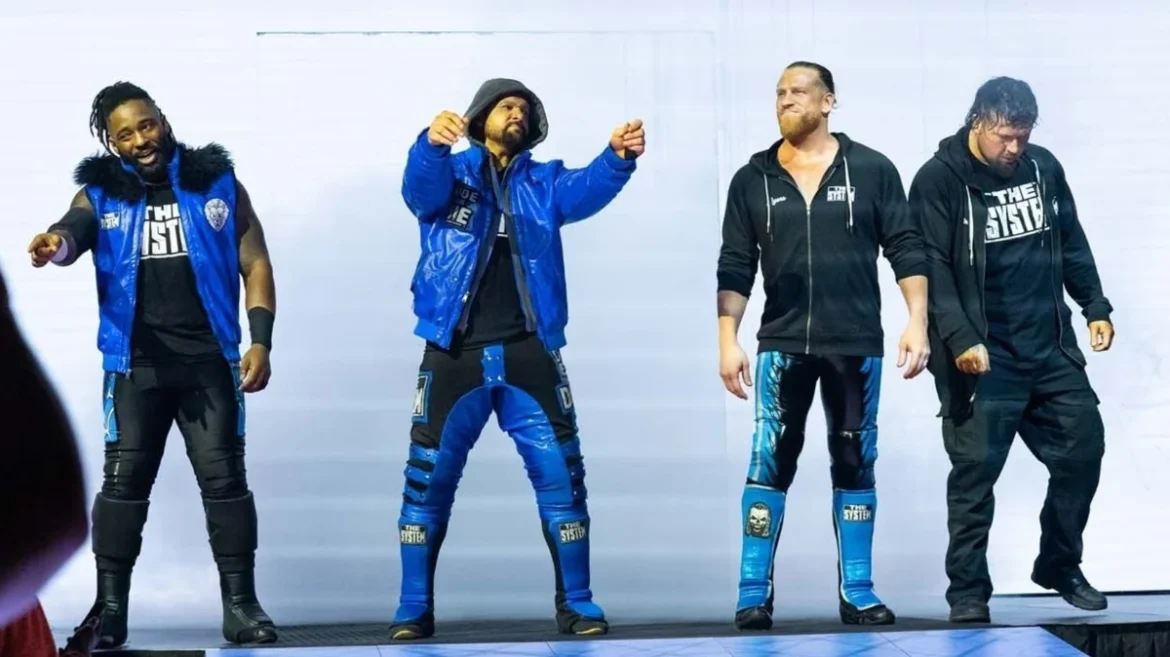
The penultimate episode of TNA Impact leading into the Sacrifice pay-per-view delivered a complex tapestry of wrestling programming, leaving viewers with a spectrum of reactions. This installment, airing on March 26, 2026, served as the final platform to solidify storylines and build anticipation for the upcoming major event. While the company aimed to provide a comprehensive preview, the broadcast presented a distinct division between elements that resonated positively and those that fell short of expectations. The overarching narrative of the show often revolved around the imposing presence of "The System," a faction whose extensive involvement on the broadcast proved to be a significant talking point, eliciting both appreciation for their omnipresence and frustration over their perceived overexposure. For those seeking a detailed breakdown of the night’s proceedings and an analysis of its highs and lows, this review delves into the specific moments that captured attention and those that unfortunately missed the mark, offering a comprehensive look at what made this episode a memorable, albeit uneven, chapter in TNA’s ongoing saga.
The evening kicked off with a dynamic encounter that immediately set a high standard for in-ring action. The pairing of BDE and the formidable Mustafa Ali proved to be an inspired choice, showcasing an electrifying chemistry that transcended individual accolades. While Ali ultimately absorbed the decisive pinfall, the performance from BDE was nothing short of spectacular, hinting at a bright future under the mentorship of Rich Swann. Swann himself, a former TNA World Champion and X-Division standout who once squared off with the likes of Kenny Omega, has clearly imparted his championship pedigree to his protégé. Under Swann’s guidance, BDE appears poised to ascend the ranks of the division swiftly, demonstrating a level of polish and aggression that suggests imminent success. Mustafa Ali, on the other hand, continues to carve out a significant niche for himself within TNA. Since his arrival, there has been a palpable resurgence in his veteran career, allowing fans to witness the impactful performer that many believed was long overdue for a prominent spotlight. The only lamentable aspect of this otherwise stellar opener was its brevity. The match concluded far too quickly, leaving audiences yearning for more of the captivating back-and-forth that characterized their contest. It served as a potent reminder that when wrestling possesses such inherent quality, it can often feel like it passes by in the blink of an eye.
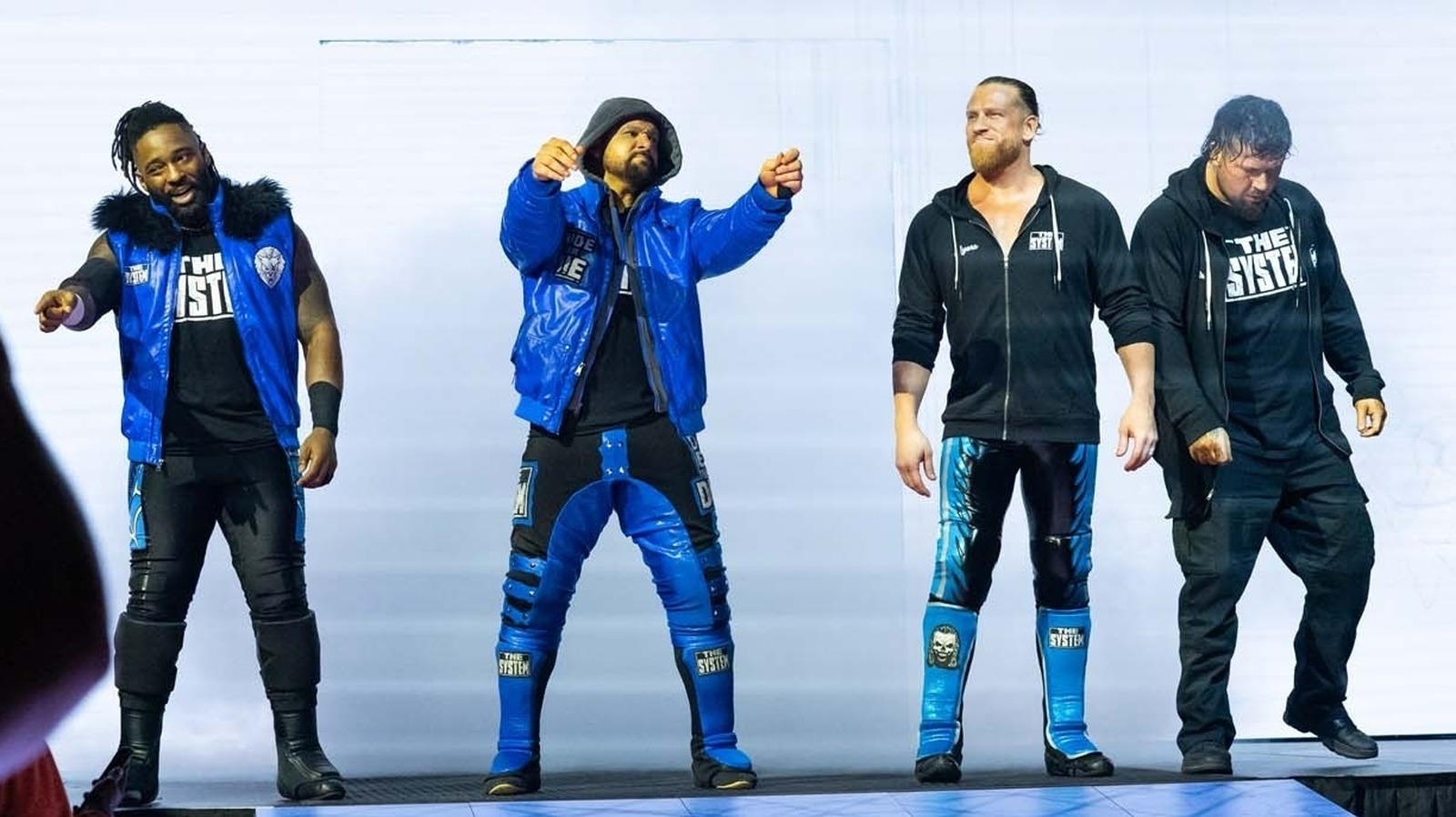
However, not all segments on the broadcast landed with the same impact. A singles contest between Jeff Hardy and Brian Myers, while not inherently problematic in its execution, felt somewhat out of place and strangely timed. The real contention arose from the subsequent brawl that engulfed Hardy, his brother Matt Hardy, the faction known as The System, and the enigmatic group The Righteous. This chaotic melee, when viewed in retrospect, highlighted a significant misstep in the episode’s narrative sequencing. Earlier in the month, on February 26, The System had emerged victorious in an eight-man tag team match against the combined forces of The Hardys and The Righteous. While that match itself felt a touch random at the time, it was understood as a consequence of the established alliance between the Hardy Boyz and The Righteous. The post-match confrontation on the March 26 episode, involving all three teams, suddenly lent greater context and logic to that earlier eight-man tag. The fundamental issue lay in the production timeline. Given that both the February 26 episode and this March 26 broadcast originated from the same block of tapings, it would have been far more logical and narratively coherent to have featured the Jeff Hardy vs. Brian Myers singles match, followed by the multi-team brawl, prior to the eight-man tag. This altered order would have effectively set the stage for the larger tag team encounter, imbuing it with a more substantial storyline foundation and preventing the feeling of a delayed or misplaced conflict. The current arrangement felt disjointed, suggesting a missed opportunity for more streamlined and impactful storytelling.
In stark contrast to the narrative missteps, the TNA Knockouts division delivered a consistently compelling performance that served as a true highlight of the evening. The simmering tension between Jody Threat and Tessa Blanchard, culminating in a fiercely contested singles match, was palpable and perfectly set the stage for their encounter at Sacrifice. Tonight’s confrontation offered a superb showcase of the talent involved, with the distinct personalities of each competitor meshing together in a captivating display that ensured no one was left without a moment in the spotlight. Beyond the ring, the ongoing saga of Rosemary and Allie in the ethereal "Undead Realm" continued to captivate with its unique blend of the kooky and the brilliant. Allie’s return to TNA after a seven-year absence, her character having been seemingly vanquished by the forces of the seven deadly sins, has been a masterclass in creative storytelling. Each week, their quest to collect these sins in an effort to resurrect "The Bunny" has been nothing short of euphoric and undeniably unmissable. Despite any criticisms leveled at recent episodes, the Knockouts division has remained a steadfast beacon of entertainment. It currently boasts a remarkable roster of veterans, emerging talents, and promising newcomers, setting a benchmark that other women’s divisions across the wrestling landscape aspire to emulate. The dedication and quality of work demonstrated by the Knockouts continue to be a significant strength for TNA.
However, a glaring omission from the broadcast left a notable void in the build-up to Sacrifice: the TNA Knockouts World Championship Triple Threat match. With the championship representing the pinnacle of the women’s division, it was perplexing that TNA opted not to dedicate any significant airtime to hyping the upcoming contest between Arianna Grace, Dani Luna, and Lèa Ylä-Mäki. One would expect the company to leverage every available opportunity to promote such a high-stakes bout, whether through promotional videos featuring the competitors or a segment involving them that culminates in a heated post-match confrontation. Instead, the episode offered no sign of any of the three women involved in the championship match. While it is understood that TNA tapes its shows in advance, and creative planning might not have prioritized this specific match during those taping sessions, the absence of even a brief video package or a mention of the championship felt like a considerable oversight. In fact, the overall hype generated for the Sacrifice card on this particular episode was disappointingly lackluster. The lack of any attention paid to the Knockouts World Championship match was particularly disheartening, leaving a significant portion of the audience feeling underserved in terms of build-up for one of the night’s most anticipated bouts.
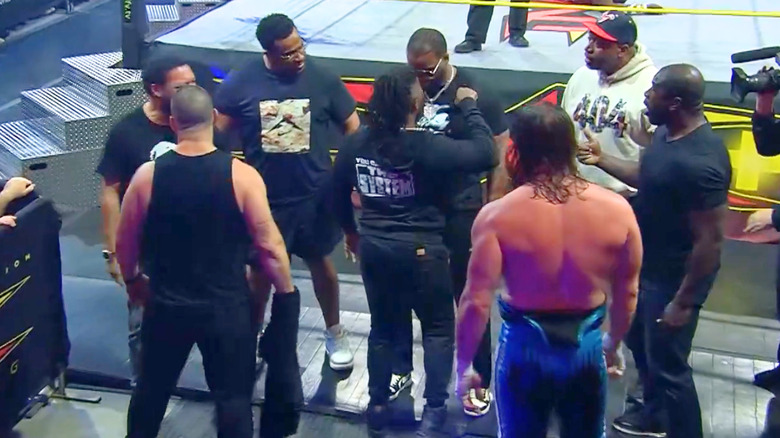
Amidst the critiques, a surprising and effective celebrity appearance managed to elevate the broadcast. In recent weeks, TNA’s handling of television time and the integration of celebrity guests had drawn criticism for being either awkward or underwhelming. However, the match between Bear Bronson and Moose provided a welcome and well-executed exception. Much like the previous week, Moose found himself in a contest against a member of The System, this time the powerfully built Bear Bronson. To the delight of many, the encounter was afforded a respectable amount of time, approximately thirteen minutes including commercial breaks, allowing for a compelling "big man vs. big man" showdown. Moose not only showcased his considerable strength but also demonstrated impressive athleticism, with sequences like his moonsault-senton-kip-up preceding Bronson’s pop-up powerbomb drawing particular admiration. Intriguingly, Moose’s background in professional football played a pivotal role in the match’s conclusion. As Bronson signaled for interference from his System stablemates, a contingent of former Atlanta Falcons, who were also Moose’s former teammates, rose from their seats to confront the TNA wrestlers. This led to an external brawl between the ex-NFL players and The System members, creating a distraction that allowed Moose to land his Spear and secure the victory. Among the various celebrity integrations seen in TNA this year, the appearance of the Atlanta Falcons proved to be one of the more effective. They didn’t simply occupy space in the crowd or engage in gratuitous, nonsensical actions. Instead, their involvement felt organic and served a purpose, both in terms of advancing the storyline and generating genuine hype. Their physical participation in the unfolding drama was precisely what could be expected and desired from such a crossover.
Despite the positive aspects of the celebrity involvement, the pervasive presence of The System continued to be a point of contention for many viewers. TNA’s historical struggles with effectively establishing and maintaining cohesive factions have been well-documented, with numerous attempts over the years failing to reach their full potential. The System, despite the deliberate efforts to make them a significant force, appears to be suffering a similar fate. Their omnipresence across nearly every segment of the show, while intended to establish dominance, often resulted in some of the more mundane and predictable moments. The booking surrounding them felt overly familiar, relying on well-trodden narrative paths. This reliance on established formulas, even with a prominent television deal, has, in the eyes of some critics, failed to translate into creative growth. The fundamental nature of The System’s presentation, and the way it has been executed, suggests an inevitable continuation of this booking strategy, which, for many, is beginning to wear thin. The promotion possesses a wealth of talent, both established veterans and promising up-and-comers who are not yet on the radar of larger organizations. The consistent allocation of significant screen time to The System, at the expense of developing these other individuals, feels like a missed opportunity. It fosters a sense of stagnation, leading to a diminished desire to tune in week after week. In essence, much like the concept of "the system" in a broader societal context, the wrestling iteration within TNA appears to be fundamentally flawed and is increasingly becoming a source of frustration for the audience.