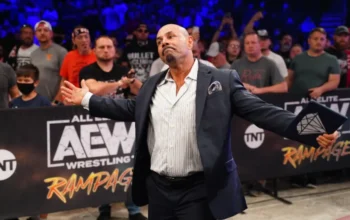
In the pantheon of professional wrestling, few figures cast a shadow as long and as influential as Paul Heyman. A true savant of sports entertainment, Heyman’s career has been defined by his uncanny ability to identify, cultivate, and elevate generational talent, transforming promising athletes into undeniable global superstars. His resume reads like a who’s who of wrestling titans: Brock Lesnar, Roman Reigns, CM Punk, Kurt Angle, and a litany of others whose legacies he has indelibly shaped with his silver tongue and strategic mind. Yet, for all his unparalleled success in guiding some of the most formidable male competitors to the pinnacle of WWE, there remains a curious omission from his storied client list within the company’s ranks: a female wrestler. This intriguing void has long been a topic of discussion among industry observers, creating a potent air of speculation regarding which woman, if any, could possibly meet the exacting standards of the "Wise Man." Now, the wrestling world finds itself abuzz with the prospect that this historical precedent may soon be shattered, with the name Jade Cargill emerging as the prime candidate to become the first "Paul Heyman Girl" in WWE history – though the shrewd Heyman has outlined a very specific, and characteristically strategic, pathway for this potential alliance to materialize.
The conversation surrounding a possible union between Heyman and Cargill gained significant traction recently when the WWE Hall of Famer appeared on The Stephen A. Smith Show. During his segment, Heyman was directly confronted with the tantalizing proposition of adding the physically imposing and charismatic Jade Cargill to his legendary stable of clients. This was not the first time such a notion had been floated; Cargill herself, recognizing the immense value and prestige that comes with Heyman’s endorsement, had previously voiced her own keen interest in having the celebrated advocate by her side. Her public acknowledgment of this desire only fueled the speculation, painting a vivid picture of a potential partnership that could redefine the landscape of women’s wrestling.
Heyman, ever the master of strategic communication, did not dismiss the idea out of hand. Instead, he offered a meticulously articulated vision for how such a partnership could eventually unfold, one that speaks volumes about his profound understanding of brand building and long-term legacy. His response was not merely an affirmation of interest but a blueprint for a future alliance, contingent upon Cargill’s continued independent ascent. He emphasized a desire for Cargill to forge her own undeniable path to superstardom, to solidify her standing as an undisputed champion in her own right, before he would consider stepping into an official managerial role. This is not a matter of reluctance on Heyman’s part, but rather a deeply ingrained philosophical approach to his craft: he seeks to align himself with established forces, not to be the sole architect of their initial rise.
This particular stance by Heyman is deeply rooted in his extensive history within the wrestling business. Paul Heyman doesn’t merely manage; he amplifies. He doesn’t create stars from scratch; he takes already shining stars and transforms them into supernova phenomena. Think of Brock Lesnar: "The Beast Incarnate" was already a dominant NCAA champion and a former WWE Champion before Heyman fully embraced the role of his advocate. Heyman’s genius was in refining Lesnar’s persona, crafting his narrative as an unstoppable force, and delivering the cutting promos that Lesnar, by design, did not. Similarly, when Heyman aligned with Roman Reigns, "The Tribal Chief" was already a multi-time world champion and the undisputed leader of his family dynasty. Heyman’s arrival didn’t make Reigns a star; it unlocked a new, darker, more compelling layer of his character, providing the voice and strategic counsel that elevated him to an entirely different echelon of dominance, solidifying his status as the most compelling antagonist in modern wrestling.
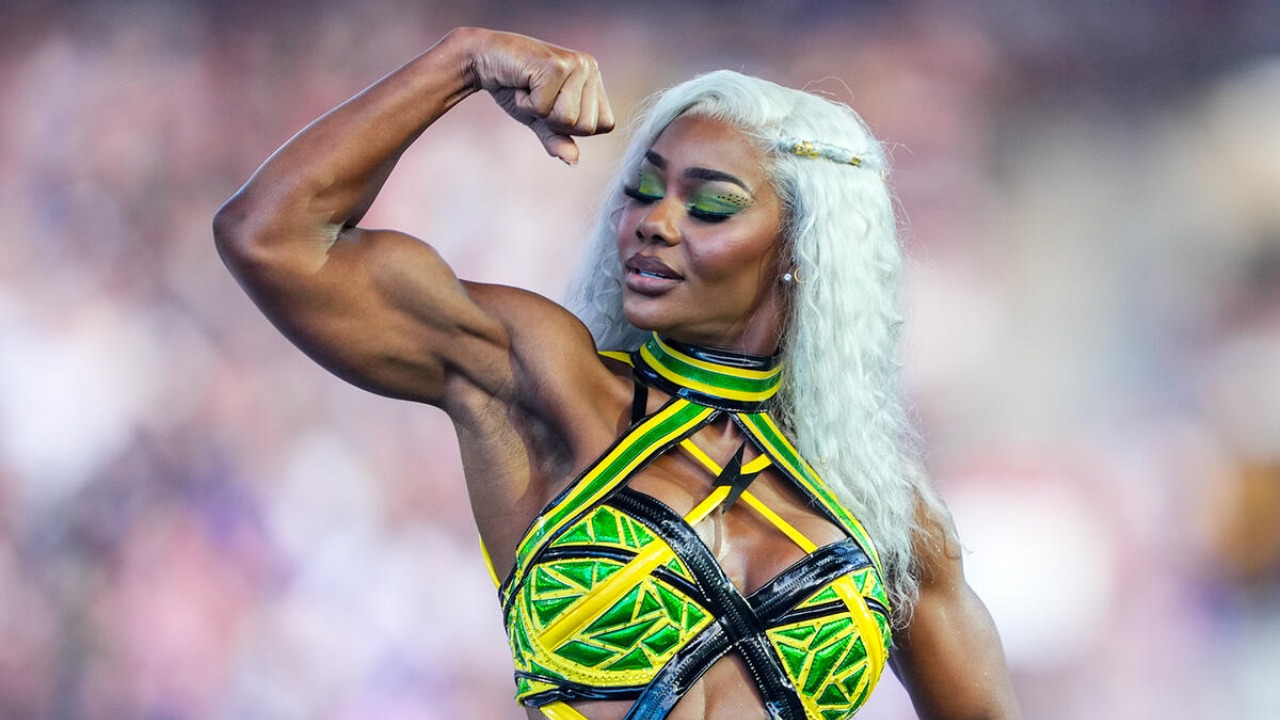
Heyman’s rationale for wanting Cargill to establish her own legacy is clear: he wishes for her to ride her current wave of momentum, to achieve the ultimate recognition as a Women’s Champion, and to etch her name into the history books through her own formidable efforts. Only then, he posits, would a union with him be perceived as the convergence of "two superpowers of the universe." This phrasing is deliberate, reflecting Heyman’s understanding that his involvement should never be seen as an endorsement of an unproven talent or, worse, as the catalyst that "made" a star. He wants the narrative to be one of mutual elevation, where Cargill’s already formidable presence is magnified by his strategic brilliance, rather than overshadowed by it. The goal is to prevent any narrative suggesting, "Paul Heyman stepped in, and that’s when Jade Cargill really became a star." He aims for a partnership built on respect for independent achievement, a testament to Cargill’s inherent capabilities and the undeniable impact she has already made.
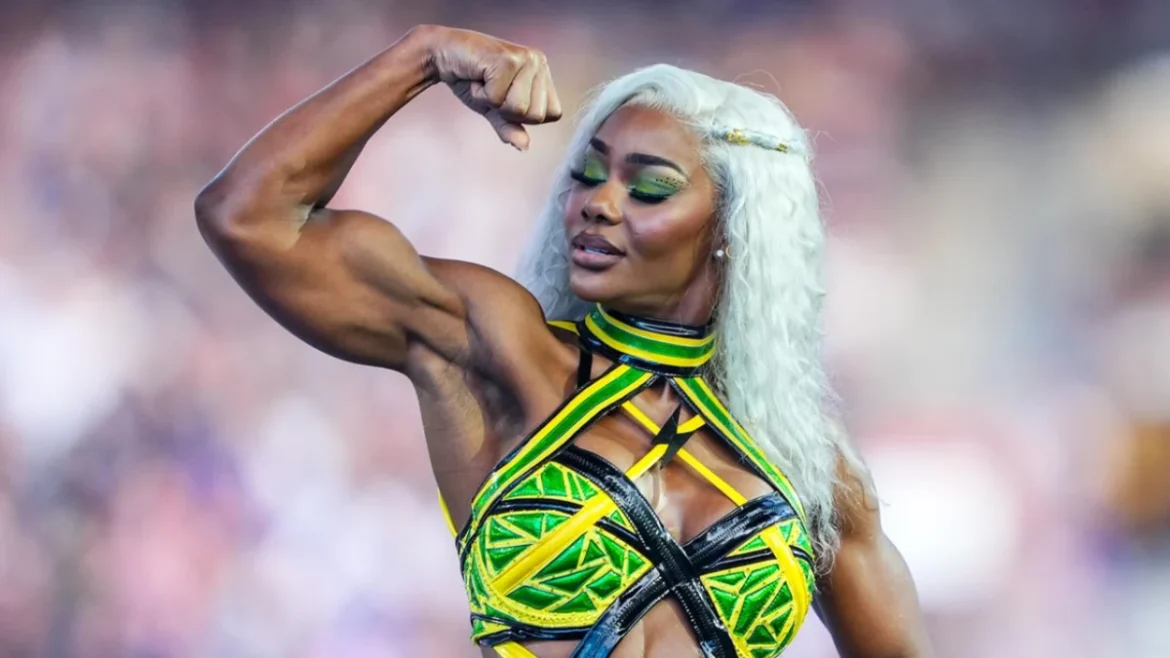
Jade Cargill, for her part, presents an incredibly compelling case for breaking Heyman’s established pattern. From the moment she stepped into the professional wrestling spotlight, she has exuded an aura of undeniable star power. Her chiseled physique, striking aesthetic, and commanding presence immediately set her apart. She doesn’t just enter an arena; she owns it. Her undefeated streak in her previous promotion cemented her as a force to be reckoned with, demonstrating a level of dominance rarely seen in modern wrestling. Upon her arrival in WWE, the anticipation surrounding her debut was palpable, and she has wasted no time in making her mark. Her in-ring performances have showcased her incredible athleticism and raw power, while her confident, often dismissive, demeanor has quickly resonated with audiences. She embodies a unique blend of athleticism and unapologetic swagger, a combination that Heyman, with his keen eye for authenticity, undoubtedly recognizes as fertile ground for legendary status.
The timing of this discussion is particularly crucial, as Cargill is currently on the precipice of what could be the defining moment of her young WWE career. She is slated to face the formidable Rhea Ripley at WrestleMania 42, with Ripley’s Women’s Championship on the line. This match represents a monumental challenge and an unparalleled opportunity for Cargill to fulfill Heyman’s stated condition. Ripley, as the reigning champion, has established herself as one of the most dominant and popular figures in all of WWE. Her "Mami" persona, combined with her brutal in-ring style, has garnered her a massive following and cemented her status as a legitimate main event attraction. To dethrone Ripley at the grandest stage of them all, WrestleMania, would not merely be a championship victory; it would be a coronation. It would unequivocally solidify Cargill’s position as a top-tier, undeniable "superpower" within the women’s division, a champion accepted and revered by the public, precisely as Heyman envisioned.
The implications of such a victory for Cargill are vast. A win against Ripley at WrestleMania 42 would validate her entire journey, proving that her confidence and self-belief are well-founded. It would demonstrate her ability to perform under the immense pressure of a global spectacle and conquer one of the division’s most dominant forces. This is the kind of defining moment that carves a legacy, transforming a promising talent into an established icon. For Heyman, it would represent the perfect scenario: a champion, forged through her own trials and triumphs, now ready for the strategic guidance that only he can provide. It wouldn’t be Heyman introducing Cargill to the world; it would be Heyman amplifying the already booming voice of a global champion.
The concept of a "Paul Heyman Girl" also carries significant historical weight within the wrestling industry. While Heyman has never officially managed a female competitor in WWE, the landscape of women’s wrestling has evolved dramatically. Traditionally, female figures associated with male wrestlers often filled the role of valets or managers who primarily served as eye candy or distraction. Heyman’s approach, however, has always been about elevating the brand of his client, not just their physical presence. His female associates in his ECW days, such as Francine or Tammy Sytch (Sunny), were often more aligned with traditional valet roles, albeit with an edgier, more modern twist for the time. In WWE, his focus has been exclusively on male powerhouses whose larger-than-life personas he could amplify through his unparalleled mic skills and strategic counsel.

For Cargill to become the first "Paul Heyman Girl" in WWE would signify a deliberate shift in Heyman’s strategy, a recognition that a female superstar has finally emerged who possesses the raw talent, magnetic charisma, and physical dominance to warrant his unique brand of advocacy. It would not be about a traditional valet role; it would be about a genuine partnership designed to elevate Cargill to an even greater stratosphere of global recognition. Heyman’s presence would provide an invaluable layer of depth to Cargill’s character, articulating her motivations, dissecting her opponents, and framing her dominance in ways that only he can. Imagine Heyman, microphone in hand, extolling the virtues of "That Bitch," detailing her physical prowess, her unwavering confidence, and her inevitable conquest of the entire women’s division. The possibilities for captivating storytelling are endless.
The potential alliance also raises fascinating questions about the future dynamics of the WWE women’s division. With Heyman as her advocate, Cargill would instantly become an even more formidable presence, not just in the ring but also on the microphone and in the minds of the WWE Universe. Her already impressive aura would be magnified tenfold, making her an even more challenging opponent for any competitor who dares to step into her path. This partnership could usher in a new era of dominance, where Cargill, backed by Heyman’s strategic genius, becomes an unstoppable force, a champion who transcends conventional boundaries and reshapes perceptions of what a female main eventer can achieve.
Furthermore, Heyman’s unique ability to weave intricate narratives and manipulate perceptions would be invaluable. He could protect Cargill’s character, ensuring she is always presented as an undeniable, dominant force. He would expertly navigate potential challenges, turning setbacks into opportunities and amplifying her triumphs. His presence would not only enhance her character but also provide a crucial layer of credibility and gravitas, linking her to the legacy of other Heyman-managed legends. This connection alone would immediately place her in an elite category, separating her from her peers and cementing her status as a true main event player.
In the ever-evolving landscape of professional wrestling, the strategic pairing of a generational talent with a legendary manager can unlock unprecedented levels of success and storytelling. Paul Heyman’s track record speaks for itself; his involvement has consistently led to the most compelling and dominant reigns in recent memory. For Jade Cargill, a superstar already brimming with untapped potential and a rapidly growing legion of admirers, the prospect of aligning with Heyman represents a tantalizing future. Her impending clash with Rhea Ripley at WrestleMania 42 is not just a championship match; it is a critical proving ground, a final hurdle to clear before she can potentially unlock a partnership that could cement her place among the truly immortal figures in sports entertainment. The wrestling world watches with bated breath, eager to witness if Cargill can achieve the independent success Heyman demands, thereby paving the way for the ultimate convergence of two undeniable superpowers, ready to conquer the universe.