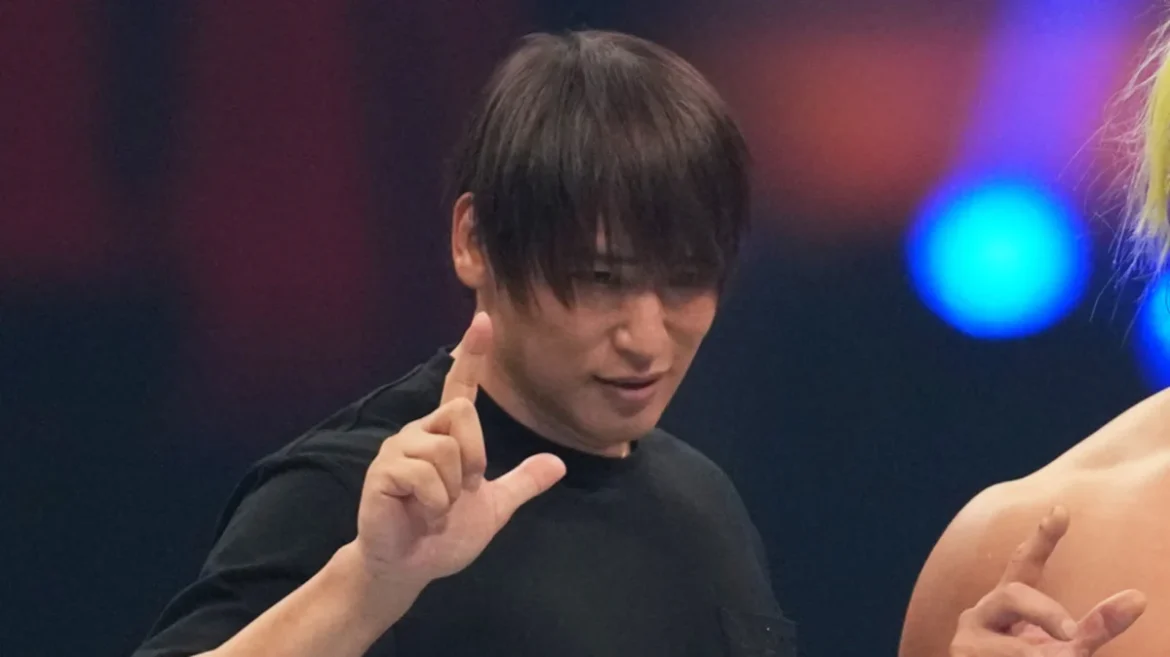
The wrestling world, ever a stage for extraordinary athleticism and compelling narratives, has been keenly watching the journey of Kota Ibushi. Known for his breathtaking aerial maneuvers, innovative offense, and undeniable charisma, Ibushi has carved out a legendary status for himself across multiple promotions. However, the path to continued greatness is rarely without its significant obstacles, and for Ibushi, a severe leg injury has presented one of the most formidable challenges of his illustrious career. This injury, sustained during a high-profile encounter, necessitated immediate medical intervention and has kept the "Golden Star" on the sidelines, prompting concern and anticipation among fans and industry insiders alike. The recent developments, however, paint a picture of remarkable recovery and an unwavering spirit, suggesting that while the road has been arduous, the end is in sight.
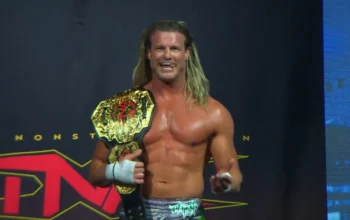
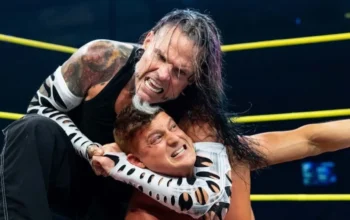
The initial incident that led to Ibushi’s extended absence occurred during a bout against Josh Alexander. In a moment that sent shockwaves through the AEW fanbase, a miscalculated maneuver resulted in Ibushi suffering a broken femur. This is not a minor ailment in professional wrestling; it is a devastating injury that requires extensive rehabilitation and a significant commitment to recovery. The immediate aftermath saw Ibushi undergo his first surgery, a critical step to stabilize the fractured bone and begin the healing process. Even in his recovery, his dedication to the wrestling community was evident. Shortly thereafter, Ibushi made a poignant appearance at Hiroshi Tanahashi’s retirement ceremony at the Tokyo Dome. Despite the evident pain and limited mobility, his presence underscored his deep respect for his peers and his enduring connection to the sport. This appearance, though brief, highlighted the severity of his condition while also offering a glimpse into his indomitable will.
Following this initial procedure, it became clear that the road to full recovery would be a lengthy one. Reports surfaced that Ibushi had undergone a second surgery. While the specifics of this subsequent operation were not immediately detailed, the fact that further medical intervention was required indicated the complexities of his healing process. The wrestling landscape is replete with stories of athletes battling back from severe injuries, and Ibushi’s situation was no different. The initial prognoses, often conservative in such cases, suggested a potential absence from in-ring competition stretching for up to two years. This timeline, while realistic from a medical standpoint, would have represented a significant hiatus for a performer at the peak of his powers, especially one whose style is so reliant on explosive agility and high-impact maneuvers.
However, in a testament to his dedication and the progress of his rehabilitation, Ibushi himself has provided updates that have significantly bolstered hopes for an earlier return. More recently, through social media platforms, he shared visual evidence of his advancing recovery. These updates, featuring him engaging in physical exercises that would have been unthinkable just months prior, have been met with widespread enthusiasm. Clips of Ibushi performing squats with noticeable ease and navigating a flight of stairs with minimal apparent difficulty offer compelling proof of his physical rehabilitation. These are not merely symbolic gestures; they represent tangible steps towards regaining the strength and stability required for the rigors of professional wrestling. The visual transformation from a hobbled figure to one actively participating in strenuous exercises is a powerful indicator of his progress.
The psychological aspect of recovering from such a severe injury cannot be overstated. Wrestlers often face not only physical pain but also the mental anguish of being sidelined, the fear of re-injury, and the uncertainty of their future in the sport. Ibushi’s willingness to share his journey publicly, not just the victories but also the challenges, fosters a deeper connection with his audience and provides inspiration to others facing similar adversities. His positive demeanor in these updates, coupled with his physical improvements, suggests a resilient mindset that is crucial for a successful comeback. He has openly expressed his desire to return to the ring, not just to fulfill contractual obligations but seemingly driven by a genuine passion for performing and competing at the highest level.
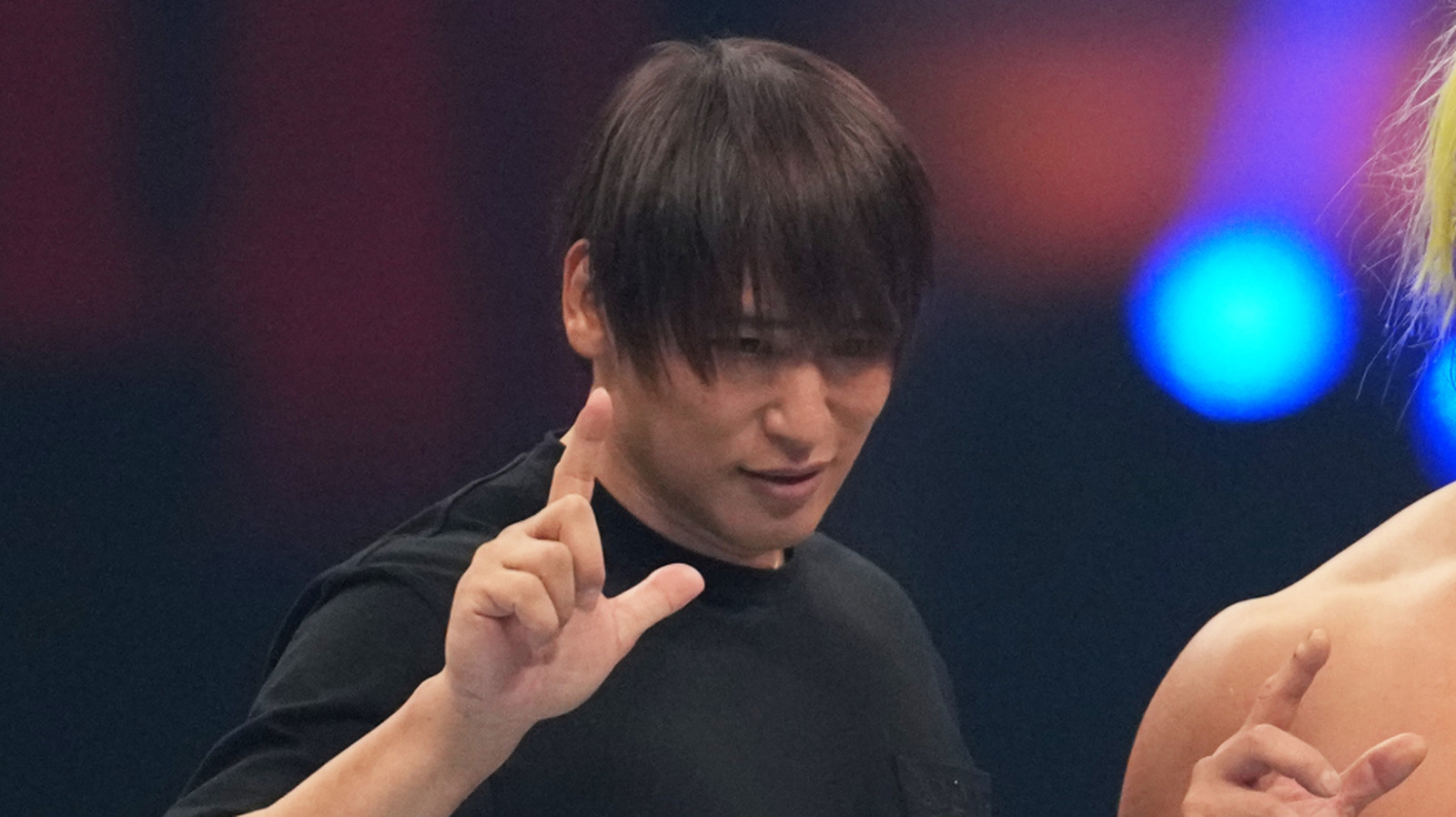
Looking back at the initial timeline, Ibushi had himself expressed optimism that he could potentially return before the end of 2026, a timeframe that, while still considerable, was more hopeful than the initial two-year estimate. This optimism was further amplified in a more recent interview where he indicated a more aggressive recovery target, aiming for a return within six months, even when doctors had advised a year-long recovery period. This bold ambition, while admirable, also carries inherent risks. Ibushi himself acknowledged this, admitting that his mobility was still limited to walking and that running was not yet possible. He also alluded to the fact that any potential early return would necessitate a strategic approach to match selection, focusing on bouts that were less physically demanding, at least initially. This pragmatic acknowledgment demonstrates a level of maturity and self-awareness that bodes well for his long-term career, prioritizing sustainable performance over a rushed, potentially detrimental, comeback.
The narrative surrounding Ibushi’s injury and recovery is more than just a personal story; it’s a microcosm of the sacrifices and resilience inherent in professional wrestling. Performers dedicate their bodies and minds to this demanding craft, often pushing themselves to their absolute limits. When injuries occur, the path back is a test of character, discipline, and support systems. For Ibushi, his connection with fans, his commitment to his craft, and likely the support of his peers and medical professionals, have all played a crucial role in his progress. The wrestling world is eager to see the "Golden Star" return, not just for his incredible talent but for the inspirational message his comeback story represents.
His injury, while unfortunate, has also provided an opportunity for AEW and its fans to reflect on the depth of its roster and the potential for new matchups and storylines once Ibushi is back at full strength. Imagine the possibilities: a feud with current AEW champions, a rekindling of past rivalries, or entirely new dream matches that have only existed in the realm of fantasy booking. The impact of Ibushi’s return will undoubtedly be felt across the promotion, adding another layer of excitement and unpredictability to the already dynamic landscape of All Elite Wrestling. His unique style, often described as a blend of athleticism, striking, and grappling, offers a distinct flavor that few other wrestlers can replicate.
The recovery process for a broken femur is notoriously challenging. It involves not only the bone healing but also the restoration of muscle mass, flexibility, and proprioception – the body’s awareness of its position in space, which is critical for preventing falls and executing complex movements. Ibushi’s visible progress in strength training, particularly with exercises like squats, suggests that he is effectively rebuilding the musculature around the injured leg. Furthermore, his ability to navigate stairs with relative ease indicates a significant improvement in balance and functional mobility. These are crucial indicators that the bone is healing and that he is regaining the confidence to put weight and pressure on the affected limb.
The interview where he mentioned a six-month recovery target, despite medical advice suggesting a year, speaks volumes about his determination. It’s a characteristic that has defined his career, whether it was pushing boundaries in the ring or persevering through grueling rehabilitation. This ambition, however, must be tempered with caution. A premature return, or a return without complete physical readiness, could lead to further injury, potentially derailing his career once again. AEW, as a promotion that emphasizes wrestler well-being, will undoubtedly be working closely with Ibushi to ensure he returns only when medically cleared and fully prepared. The narrative of his comeback will likely involve not just his physical recovery but also his psychological adjustment to the demands of in-ring competition after such a significant layoff.
The wrestling community has a long history of celebrating comebacks from adversity. Wrestlers who have overcome career-threatening injuries often receive an outpouring of support and appreciation from fans, who connect with their resilience and determination. Kota Ibushi’s journey is shaping up to be another such inspiring saga. His talent is undeniable, and his presence in the ring elevates the competition. The anticipation for his return is palpable, and when he eventually steps back into the squared circle, it will undoubtedly be a moment to savor, a testament to the indomitable spirit of the "Golden Star." His current progress suggests that this moment is drawing nearer, and the wrestling world is eagerly awaiting his triumphant return.