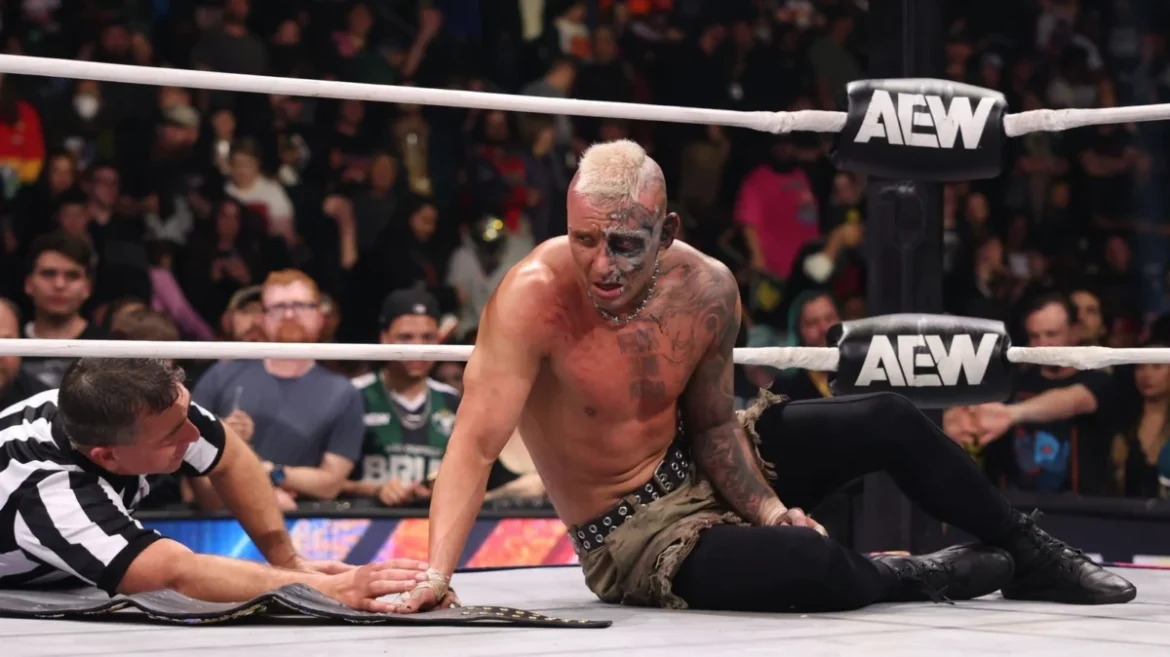
The landscape of professional wrestling is perpetually in flux, a dynamic ecosystem where storylines develop, rivalries ignite, and championships change hands. Within this ever-evolving narrative, AEW’s flagship program, Dynamite, serves as a crucial nexus, shaping the momentum and direction of the company’s top performers and ongoing feuds. The broadcast of April 29th, 2026, proved to be a particularly significant installment, offering a compelling blend of high-stakes championship defenses, intriguing character development, and the occasional misstep that sparks debate among the fanbase. As the dust settles on this week’s proceedings, it’s imperative to dissect the key moments that resonated, both positively and negatively, offering a comprehensive analysis of the broadcast’s impact on the ongoing saga of All Elite Wrestling.
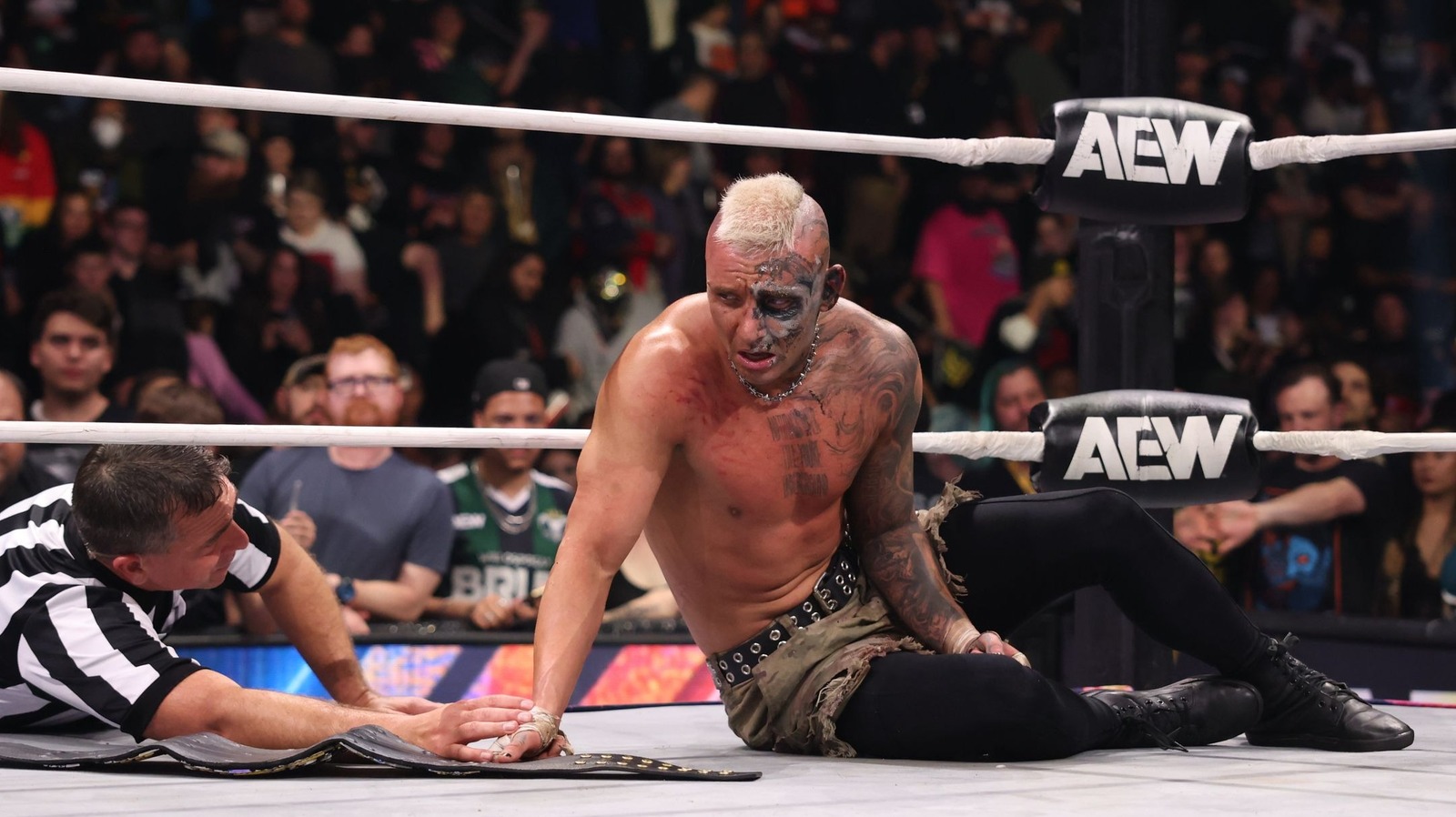
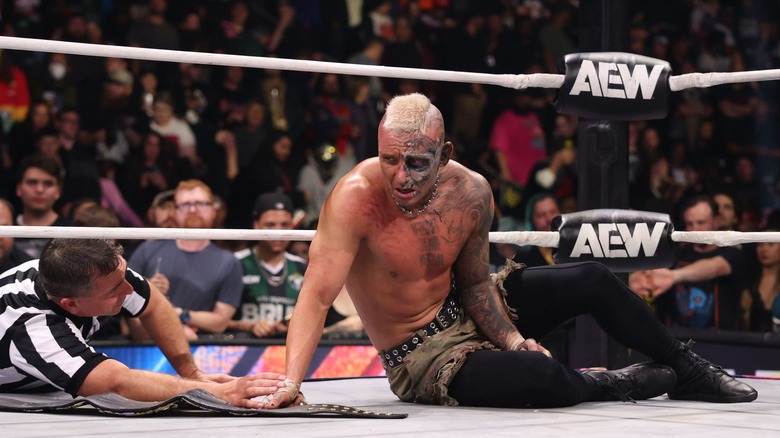
The show’s narrative began to take shape with a significant championship defense that set a tone of gritty realism. The AEW World Champion, Darby Allin, found himself in a perilous confrontation with the imposing Brody King. This match was not merely a contest for a prestigious title; it was a clash of ideologies and physicalities, a David-and-Goliath encounter amplified by the inherent danger and charisma both men possess. Allin, known for his daredevil style and unyielding spirit, has carved out a unique niche as a champion who thrives in adversity. King, conversely, represents a more brutal, power-based threat, a force of nature capable of overwhelming opponents with sheer physicality. Their encounter on this particular episode was a testament to their individual strengths, delivering a hard-hitting affair that underscored the demanding nature of the AEW World Championship. The strategic pacing of the match, highlighting King’s dominance and Allin’s resilience, culminated in a hard-fought victory for the champion. This defense not only solidified Allin’s reign but also effectively positioned him for future challenges, demonstrating his capacity to overcome formidable opposition and maintain his championship status through sheer grit and determination. The narrative surrounding his reign is rapidly evolving, showcasing a champion who isn’t afraid to push his own limits and engage in physically taxing battles, which in turn, builds a compelling story for his ongoing championship journey.
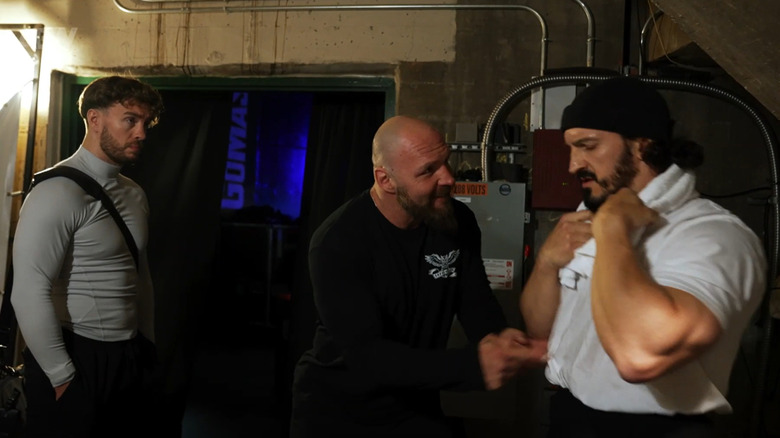
Beyond the main event’s intensity, the broadcast also delved into the intricate machinations of the "Death Riders" faction and their growing influence. A particularly captivating segment saw Jon Moxley taking Will Ospreay under his wing, initiating a form of tutelage that promises to reshape Ospreay’s trajectory within AEW. This storyline development is multifaceted, offering a glimpse into Moxley’s motivations and Ospreay’s current state of mind. Ospreay, having experienced a string of setbacks, appears to be at a crossroads, seeking guidance and perhaps a renewed sense of purpose. Moxley, a veteran with a formidable reputation and a deep understanding of the wrestling landscape, presents an unlikely but intriguing mentor. The dynamic between the two, underscored by Moxley’s frank assessment of Ospreay’s obligations and his encouragement to shed external pressures, created a compelling piece of character exposition. Furthermore, the subtle tension introduced with PAC’s presence, observing the interaction with a clear sense of unease, hints at future conflicts and potential betrayals within the "Death Riders" ranks. This budding alliance between Moxley and Ospreay is more than just a pairing of established stars; it’s a narrative arc designed to explore themes of loyalty, ambition, and the corrupting influence of power. The potential for Ospreay to ascend under Moxley’s guidance, or conversely, to become a pawn in a larger game, adds layers of intrigue to his future prospects and the internal dynamics of the faction.
However, not every aspect of the broadcast achieved the same level of success. The sheer volume of championship matches on display, while potentially exciting on paper, led to a perceived dilution of the show’s overall narrative flow. With multiple title bouts scheduled, the inclusion of shorter, seemingly inconsequential contests, such as a tag team match featuring The Brawling Birds against less prominent independent talent, felt like filler. While the intention may have been to showcase a broader array of the AEW roster and ensure all championships had television representation leading into an upcoming pay-per-view, these particular bouts lacked the narrative weight and competitive urgency to truly captivate. In a show already packed with significant matches, these shorter contests felt like an unnecessary diversion, potentially taking valuable time away from deeper character development or the establishment of more compelling feuds. The argument could be made that these matches were intended to build momentum for certain individuals or tag teams, but the limited time allotted and the absence of significant storyline progression rendered them largely forgettable. This approach, while aiming for comprehensive title coverage, inadvertently diminished the impact of the overall program, creating a sense of being overstuffed rather than enriched.
Conversely, a significant positive emerged from the tag team division, with the veteran pairing of Adam Copeland and Christian Cage engaging in a compelling encounter. Their match against Roppongi Vice, while not necessarily a groundbreaking contest in terms of in-ring innovation, carried immense historical significance. Copeland and Cage, two individuals with storied careers and a deep history within the industry, faced off against a respected duo in Trent Beretta and Rocky Romero. The allure of this match lay not just in the present-day competition but in the echoes of past eras and the potential for future storytelling. For a promotion like AEW, founded on the principle of bringing together established stars and presenting dream matches, this contest represented a successful execution of that ethos. It offered a glimpse into the enduring talent of these veterans and provided a platform for them to showcase their skills against a formidable contemporary pairing. The narrative surrounding their potential final tag team encounters adds a layer of emotional resonance, making each match a valuable opportunity to witness legends in action, appreciating their contributions to the sport.
Yet, another point of contention arose in the form of a title defense that felt largely superfluous. The International Championship match between Kazuchika Okada and Ace Austin, while competently executed, lacked the necessary narrative justification. With Okada already slated for a high-profile encounter against Konosuke Takeshita at the upcoming Double or Nothing pay-per-view, this mid-week defense against Austin appeared to serve primarily as a vehicle to pad Okada’s win-loss record and fill television time. The outcome was never in doubt, diminishing any sense of genuine suspense or consequence. While the inclusion of multiple title matches is a staple of AEW programming, this particular bout felt like an afterthought, a last-minute addition that did little to advance Okada’s championship storyline or build anticipation for his more significant challenge. The predictability of the outcome, coupled with the lack of a compelling reason for the match to occur beyond simply having another contest on the card, made it a disappointing segment for those seeking meaningful narrative progression. It highlighted a potential pitfall of over-emphasizing title defenses on weekly television without a clear storyline purpose.
Despite these criticisms, the broadcast delivered a strong showing from its women’s division, particularly in the context of Kris Statlander’s journey. While the match itself, pitting Statlander and Hikaru Shida against Megan Bayne and Lena Kross, was serviceable, the underlying story of Statlander’s current positioning is a point of concern. Having recently held the AEW Women’s World Championship, her current placement in the mid-card, engaged in non-title bouts, represents a significant downturn in her perceived status. This situation is emblematic of a broader challenge within AEW’s women’s division, where the lack of consistent, high-stakes storylines for talented performers can lead to their characters feeling adrift. Statlander, with her unique persona and athletic prowess, possesses the potential to be a cornerstone of the division. Her current booking, however, suggests a lack of clear direction, leaving fans questioning the long-term plans for such a prominent figure. The criticism is not necessarily aimed at the individual matches she’s having, but rather at the narrative vacuum that seems to have swallowed her character following her championship reign. The hope is that this period of mid-card engagement will ultimately serve as a springboard for a more significant storyline, rather than a permanent demotion.
Ultimately, the April 29th, 2026, edition of AEW Dynamite provided a complex tapestry of wrestling television. It showcased the resilience and championship mettle of Darby Allin, hinted at compelling future developments with the "Death Riders" and Will Ospreay, and delivered a nostalgic tag team encounter. However, the broadcast also grappled with pacing issues, the perceived dilution of championship significance through excessive defenses, and the ongoing challenge of effectively booking its talented women’s division. As AEW continues to navigate the competitive wrestling landscape, the ability to refine these elements – prioritizing narrative depth over sheer quantity of matches and ensuring every performer, especially its champions, has a clear and compelling storyline – will be crucial in maintaining audience engagement and building sustainable momentum towards its major events. The seeds of greatness were evident, but so too were areas ripe for improvement, making this week’s Dynamite a thought-provoking installment in the ongoing saga of All Elite Wrestling.