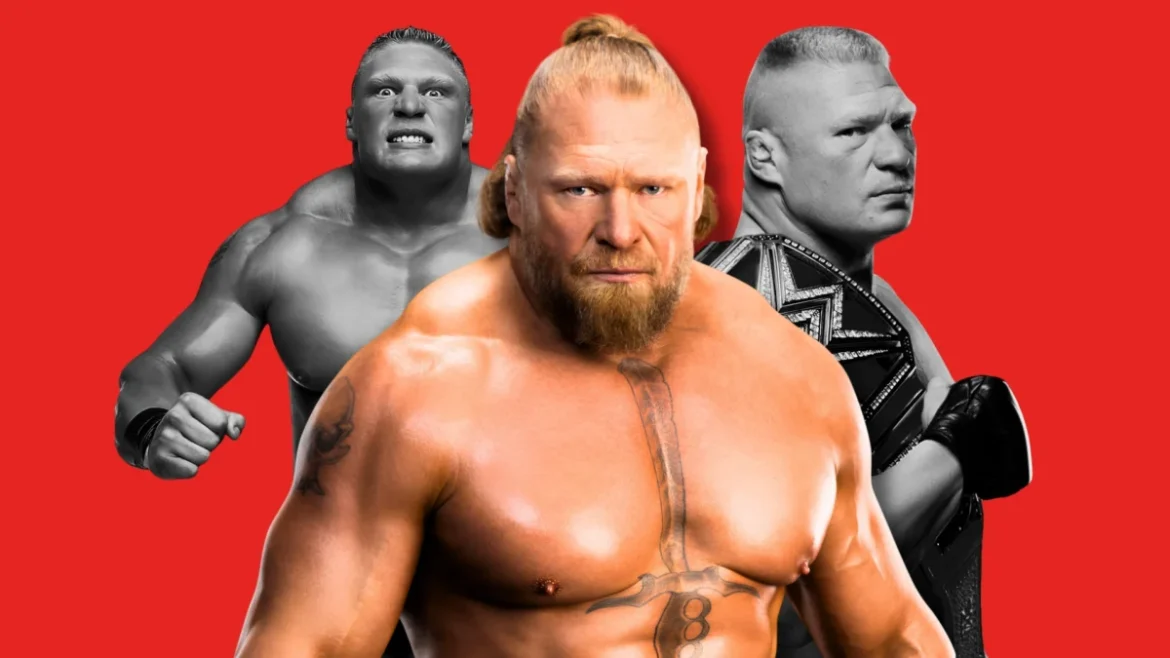
The roar of the crowd at WrestleMania 40 was palpable, a thrumming energy that permeated the stadium and underscored the significance of the moment. Within that electric atmosphere, a narrative unfolded that left many in the wrestling community contemplating the very nature of finality in this often-surreal industry. When Brock Lesnar, a figure synonymous with sheer, unadulterated power and a career that has defied conventional timelines, seemingly hung up his boots in the center of the ring after his bout with Oba Femi, a profound sense of closure settled over a segment of the fanbase. The symbolic act of removing and placing his wrestling footwear, a universally recognized gesture of retirement, was potent. It was a visual punctuation mark, an indication that perhaps, after all the earth-shattering slams and championship reigns, the era of "The Beast Incarnate" was drawing to a dignified close. This moment, laden with genuine emotion and the weight of Lesnar’s formidable presence, felt like a definitive end, a fitting farewell from one of the most dominant forces professional wrestling has ever witnessed.
For a significant portion of the WWE Universe, this perceived conclusion to Brock Lesnar’s in-ring career was met with a sense of quiet acceptance, even relief. Lesnar’s presence in WWE, while undeniably a massive draw and a catalyst for countless memorable encounters, had also become intertwined with a period of significant turmoil and controversy behind the scenes. His earlier returns, particularly the one preceding his supposed final act at WrestleMania, had been met with a mixed reception. While his physical prowess and ability to command attention were never in question, the circumstances surrounding his re-emergence, specifically his involvement in matters pertaining to the former chairman of the board, cast a long shadow. For many, the idea of Lesnar simply retiring and retreating to his personal life, perhaps tending to his ranch or engaging in whatever pursuits occupied his time away from the spotlight, felt like a logical and even desirable outcome. His return to face John Cena, a veteran on his own farewell tour, initially seemed to align with this sentiment. It presented a compelling narrative, pitting two titans against each other in what felt like a mutual send-off. However, the swift and decisive nature of Lesnar’s victory over Cena at a subsequent event, a bout that felt more like a decisive end to Cena’s career than a shared moment, sowed seeds of doubt. The realization that Lesnar was likely to remain a prominent fixture, continuing his pattern of dominating opponents with his signature, albeit limited, offensive repertoire, cast a pall over the excitement.
The prospect of Lesnar’s extended tenure became a recurring point of internal debate for fans like myself. While his matches often delivered a visceral impact, the underlying narratives sometimes felt repetitive, and his continued presence served as a constant reminder of the less savory aspects that had briefly tarnished the company’s image. Thus, when the camera focused on Lesnar meticulously unlacing his boots at WrestleMania 40, a genuine sense of catharsis washed over me. It felt like a moment of liberation, an opportunity to move past the lingering discomfort and embrace a future where his dominant, albeit one-dimensional, threat would no longer be a focal point. This wasn’t a desire for Lesnar to disappear from the wrestling landscape entirely, but rather a hope that his chapter could conclude on a high note, leaving behind a legacy of unparalleled physical dominance without the accompanying baggage. The universal symbolism of the discarded boots resonated deeply, suggesting a conscious decision to step away, to allow younger talent to ascend and to preserve the mystique of "The Beast."
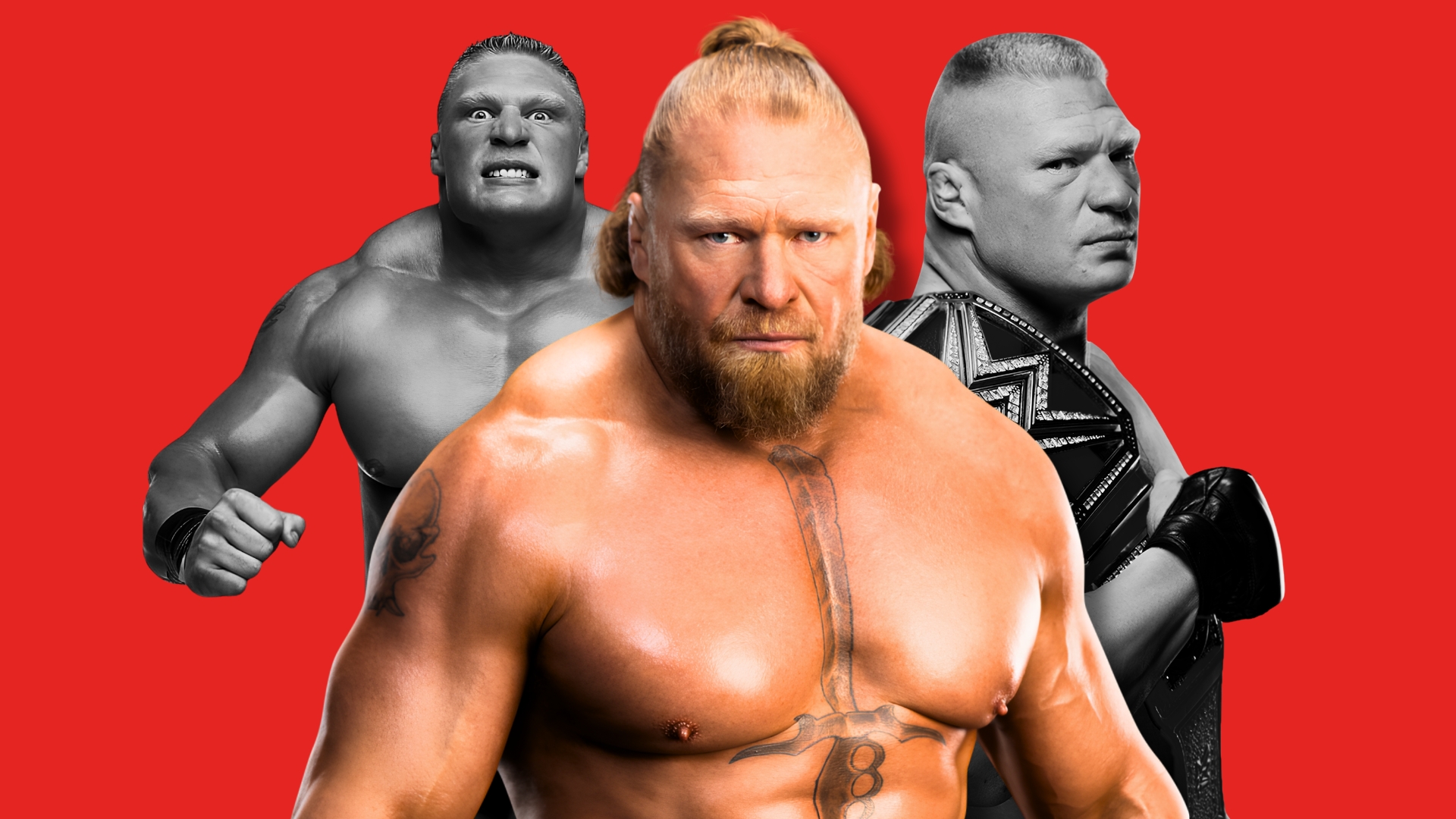
However, the wrestling world, much like the narratives it crafts, is rarely so straightforward. The seemingly definitive conclusion at WrestleMania was, as it turned out, merely a pause, a prelude to an unexpected resurgence. The recent events on Monday Night RAW have seen Brock Lesnar not only return to active competition but also, in a move that has raised eyebrows across the wrestling community, seemingly secure a contract for a rematch against Oba Femi. This swift un-retirement, coupled with the implication that Lesnar himself may have drafted the terms of this new engagement, has rekindled the very feelings of disappointment and confusion that many thought had been laid to rest. The notion of a third encounter between Lesnar and Femi, potentially culminating at SummerSlam in Lesnar’s home state of Minnesota, feels like a narrative loop that few genuinely anticipated or, perhaps, desired. It begs the question: why revisit a conclusion that felt so poignant and earned?
The immediate reaction to Lesnar’s return is a complex tapestry of conflicting emotions. He remains a monumental attraction, a guaranteed ratings booster and a draw for pay-per-view events. Yet, his prolonged presence has also become a focal point for the more ethically questionable elements that have, at times, marred the industry’s public perception. The earlier return to confront John Cena, while tinged with controversy due to the underlying circumstances, at least presented a logical narrative bridge. It was a clash of legends, a final chapter for two iconic figures. But the subsequent squash match at WrestleMania, where Lesnar systematically dismantled Cena, extinguished any lingering hopes of a mutual, dignified exit. It was a stark reminder that Lesnar’s presence often signifies a prolonged reign of dominance, a pattern that can stifle the growth of other performers. Therefore, the sigh of relief that accompanied his apparent retirement at WrestleMania 40 has been replaced by a renewed sense of unease. As a viewer, the internal conflict persists: appreciating Lesnar’s unparalleled ability to captivate an audience while simultaneously wishing for a narrative that prioritizes the future and avoids rehashing past glories. The perceived betrayal of a genuinely emotional moment at WrestleMania, a moment that offered a rare sense of finality in a career often characterized by its longevity, only amplifies this sense of dissatisfaction.
The prevailing sentiment among many observers is that certain storylines, once concluded, should remain so. The dramatic unlacing of Brock Lesnar’s boots at WrestleMania 40 was perceived as a powerful statement of closure, a signal that his monumental career in the squared circle had reached its natural conclusion. The visual of him leaving his footwear in the ring was a universally understood testament to this decision. For a significant portion of the WWE Universe, this felt like a fitting and satisfying end to the "Beast Incarnate" era. The thought of Lesnar transitioning to a life beyond the demands of professional wrestling, perhaps embracing the tranquility of his ranch or pursuing other personal endeavors, was a welcome prospect. This sentiment was further solidified when WWE, in a move that suggested a definitive separation, moved Lesnar to the "Alumni" section of their official website. It was a clear indication that the company itself acknowledged the finality of his in-ring contributions.
However, the wrestling landscape is notoriously fluid, and the concept of permanent retirement often proves to be a temporary state. The recent developments, including Lesnar’s reappearance on WWE programming and the swift establishment of a new contractual obligation, have undeniably thrown a curveball into this perceived conclusion. This abrupt reversal of fortunes has left many wrestling enthusiasts grappling with a sense of disillusionment. The emotional resonance of Lesnar’s apparent farewell at WrestleMania, a moment that felt genuinely poignant and earned, now appears to have been a fleeting illusion. The feeling is not one of anger, but rather a profound sense of disappointment. It’s the disappointment of seeing a carefully constructed narrative unraveled, of witnessing a potentially meaningful conclusion being superseded by a seemingly opportunistic revival.

From a purely fan-centric perspective, the prospect of a trilogy between Lesnar and Oba Femi carries little appeal. The initial encounter, where Femi displayed an impressive ability to handle Lesnar’s immense power, felt like a significant victory for the rising star. It was a moment that solidified Femi’s status as a credible threat and a potential cornerstone for the future of the promotion. To revisit this dynamic, to engage in a rubber match that feels driven by a desire to capitalize on Lesnar’s name recognition rather than narrative progression, undermines the very principles of building a compelling future. The current trajectory suggests a strategy of "milking" established stars for diminishing returns, potentially at the expense of nurturing the next generation of talent.
The return of Brock Lesnar, while undoubtedly a spectacle, raises questions about the long-term vision of the company under new leadership. The emphasis on drawing from past successes and relying on familiar names, while understandable in the short term, risks alienating a fanbase that craves fresh narratives and the emergence of new, compelling characters. The decision to resurrect Lesnar’s feud with Femi, particularly after the impactful conclusion at WrestleMania, feels like a step backward. It implies a lack of confidence in the current roster’s ability to generate significant interest on their own merit, a sentiment that can be detrimental to the overall health of the product. Instead of investing in a potentially drawn-out series with a returning legend, the focus should be on building formidable challengers for Femi, allowing him to carve out his own legacy by overcoming the current stars who have earned their place at the top. This approach would not only elevate Femi but also demonstrate a commitment to the future, fostering a sense of excitement and anticipation for what lies ahead. The current direction, however, suggests a short-sighted approach, one that prioritizes immediate financial gains over the sustainable growth of the wrestling empire.