The landscape of professional wrestling in late 2026 is a vibrant, fiercely competitive arena, reminiscent of eras past, yet distinctly modern in its execution. As November unfolds, the industry finds itself in the throes of a calculated skirmish, with major promotions employing every strategic maneuver to capture audience attention and market share. This intensified rivalry, particularly between the two dominant North American entities, has given rise to a flurry of significant developments, from unexpected star appearances to the scheduling of high-stakes special events, all designed to carve out a definitive advantage in the ongoing ratings battle.
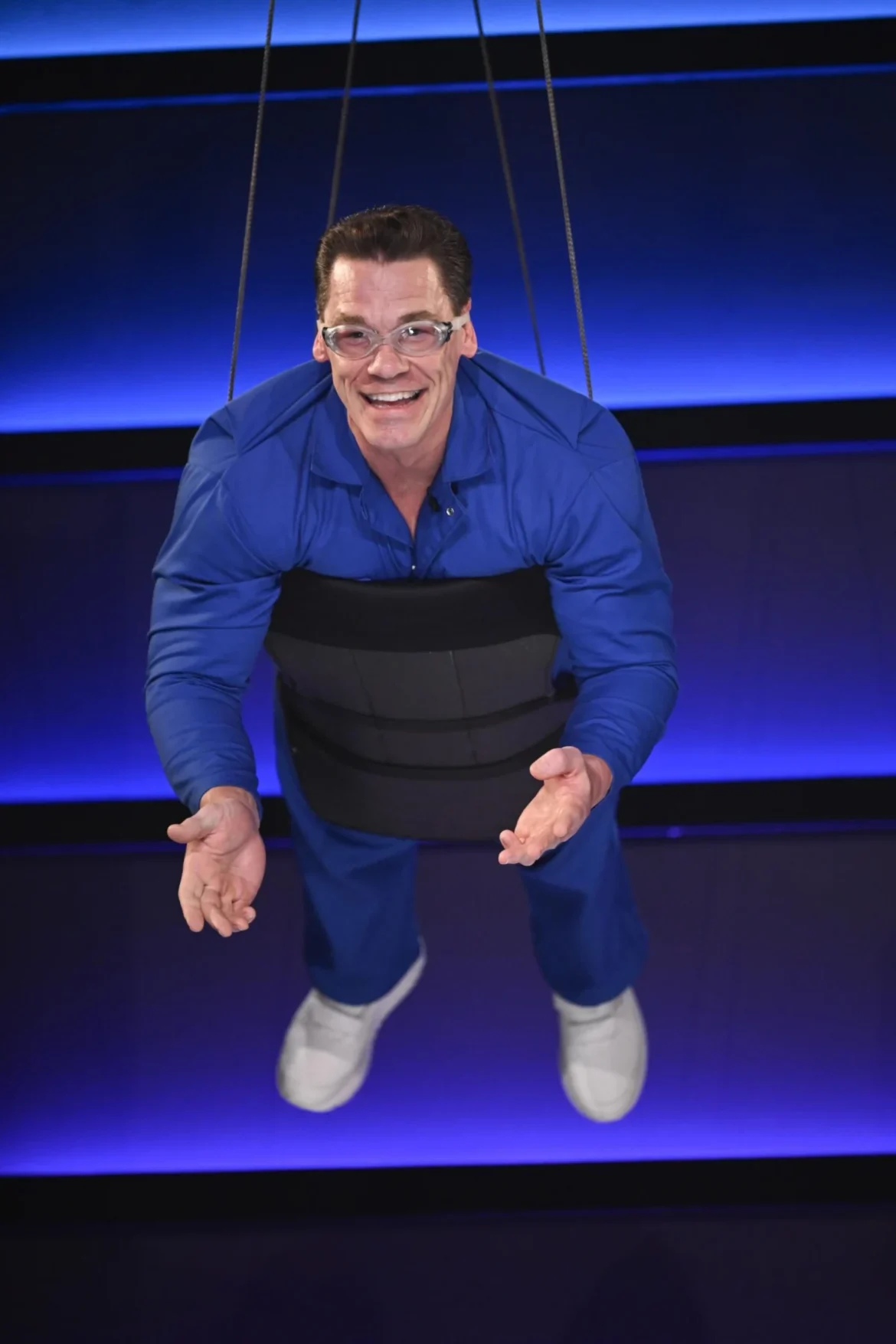
One of the most talked-about developments revolves around a legendary figure stepping back into an active role, not just on the flagship shows, but making a rare and impactful appearance on a developmental brand. Industry observers note that the decision to feature a multi-time world champion and global icon on a Tuesday night program is a direct response to a rival promotion’s highly anticipated special. The esteemed veteran, known for his unwavering dedication and unparalleled drawing power, is slated to grace the proceedings of the developmental brand in the coming week. This move is widely understood as a defensive play, aiming to bolster the brand’s viewership against a formidable challenge. The rival organization is set to unleash one of its signature, brutal team-based contests, a format known for its high-octane action and significant fan appeal, on the same evening. The underlying rationale for deploying such a prominent personality is not necessarily to secure an outright victory in the ratings, but rather to prevent a substantial loss, ensuring that the developmental show remains competitive and retains its audience during a direct confrontation.
This particular instance is a microcosm of a larger, more aggressive strategy that has become increasingly prevalent in recent times. The echoes of the "Monday Night Wars" reverberate through the current competitive environment, though the battlegrounds have shifted and expanded. Once a period defined by head-to-head programming on a single night, the modern era sees promotions strategically deploying their biggest assets across multiple days, utilizing special events, surprise returns, and major announcements to counter any momentum gained by the opposition. This escalating arms race for viewership ultimately translates into significant financial implications, impacting everything from advertising revenue to future broadcast rights negotiations. For the fans, it often means an embarrassment of riches, with top-tier talent performing in compelling storylines across various platforms, but it also creates a fragmented viewing experience as loyalties are tested and tough choices must be made regarding what to watch live.
Beyond his imminent appearance on the developmental program, the aforementioned iconic superstar is also preparing for another significant announcement. This week’s edition of the premier Monday night spectacle is expected to feature the unveiling of a brand new, potentially annual, special event bearing his name: The John Cena Classic. Speculation is rife regarding the precise timing of this inaugural tournament or showcase. Early indications suggest that Saturday, December 19th, stands as the most probable date for this marquee occasion. This timing, however, is not without its strategic complexities. The preceding Saturday, December 12th, is already penciled in for two other significant events within the same corporate umbrella: the annual TLC pay-per-view, renowned for its unpredictable ladder, tables, and chairs matches, and Wrestlepalooza, another high-profile show. Furthermore, the proposed December 19th date would place The John Cena Classic in direct opposition to a major year-end pay-per-view from the rival promotion, Worlds End, a show often featuring crucial championship bouts and climactic storyline conclusions.
The intricate dance of scheduling these major events highlights the deliberate nature of modern wrestling promotion. Each date, each marquee match, and each significant appearance is meticulously planned to maximize impact and minimize competitor advantage. While a December 5th date for The John Cena Classic was briefly considered, it is now believed to be less likely, primarily because it deviates from established patterns and would not align with the narrative build-up required for such a significant undertaking. The wrestling world eagerly awaits the formal confirmation and detailed rundown of The John Cena Classic during this week’s Monday night broadcast, as the implications for the December calendar, and indeed the broader competitive landscape, are substantial. The creation of such an event under the banner of a living legend speaks volumes about the company’s commitment to leveraging its most potent intellectual property to create new, must-see programming. It also signals a deeper dive into content creation, ensuring that even during traditionally slower periods, fans have compelling reasons to tune in and engage.
The renewed competitive fervor extends beyond mere scheduling, reaching into the very heart of roster management and character development. The return of one of the most polarizing and celebrated figures in recent memory, CM Punk, has undeniably sent ripples throughout the industry. His re-emergence, after a significant hiatus and amidst a cloud of controversy, has injected an unparalleled level of unpredictability and fan engagement. Since his dramatic return, the narrative surrounding Punk has been one of both redemption and resurgence, with many anticipating his inevitable pursuit of championship gold. Reports indicate that substantial plans are in motion for the "Best in the World," focusing on his trajectory towards a top-tier title match. The exact nature of these plans remains closely guarded, but the general sentiment within the industry is that Punk’s presence is not merely for nostalgic appearances; he is positioned to be a central figure in major storylines, potentially culminating in a championship reign that would further solidify his second act within the company.

Punk’s unique ability to command attention, both through his in-ring prowess and his compelling, often provocative, promos, makes him a valuable asset in this competitive environment. His segments consistently draw significant viewership, and his merchandise sales are among the highest in the company. The anticipation surrounding his championship aspirations is palpable, with fans dissecting every interaction, every subtle hint, and every match outcome to discern the path laid out for him. Whether it’s challenging a reigning world champion, headlining a major pay-per-view, or simply elevating the prestige of any title he pursues, Punk’s involvement is a guaranteed draw. His storyline potential is vast, ranging from a gritty, underdog tale of reclaiming his past glory to a more antagonistic role, challenging the established order and asserting his dominance. Regardless of the specific direction, the long-term booking for CM Punk is geared towards maximizing his impact and delivering on the immense expectations that accompany his legendary status.
On the women’s side of the roster, another prominent figure whose future has garnered significant discussion is Bayley. As a foundational member of a revolutionary era in women’s wrestling and a multi-time champion, Bayley’s current standing and upcoming storylines are always a point of interest for the fanbase. Having successfully transitioned from a beloved fan-favorite to a cunning, manipulative leader, her character work has been consistently praised. While specific details about her immediate trajectory are not yet publicly known, industry insights suggest that she remains a pivotal force within the women’s division. Her role, whether as a solo competitor chasing individual glory or as the orchestrator of a dominant faction, is integral to the overall narrative of the female roster.
Bayley’s ability to seamlessly shift between roles and adapt her character has kept her at the forefront of the women’s division for years. If she is currently leading a faction, the internal dynamics and external feuds of that group would be a major focus, potentially leading to a faction warfare storyline culminating in a high-stakes match. Alternatively, if she is on a solo run, her quest for a championship, perhaps rekindling rivalries with past opponents or forging new ones with emerging talents, would be a compelling narrative. The depth of the women’s roster allows for numerous possibilities, and Bayley, with her experience and star power, is a key player in elevating any program she is involved in. Her character’s evolution, from the "hugger" to the "role model," showcases a versatility that promotions value, particularly when looking to craft long-term, engaging narratives. Her presence ensures that the women’s championship scene remains robust and that rising stars have a credible, established antagonist or ally to work with, fostering dynamic storytelling and high-quality matches.
The confluence of these major developments – the strategic counter-programming involving a global icon, the introduction of a new signature event, and the carefully laid plans for two of wrestling’s most compelling personalities – paints a vivid picture of the current state of professional wrestling. This is an industry operating at a heightened level of competition, where every decision is scrutinized for its potential impact on viewership, market share, and long-term brand building. The days of promotions existing in separate spheres are long gone; instead, a complex, interconnected ecosystem has emerged, where the actions of one entity directly influence the strategies of another.
For the dedicated fanbase, this competitive climate presents a double-edged sword. On one hand, the quality and intensity of the product have arguably never been higher. Promotions are forced to innovate, to elevate their talent, and to deliver consistent, compelling content to retain their audience. The sheer volume of high-profile matches, dramatic storyline twists, and star appearances means that there is almost always something significant happening within the wrestling world. This constant demand for excellence pushes performers to new heights and encourages creative teams to think outside the box, resulting in a more dynamic and unpredictable viewing experience.
However, the relentless pace and strategic maneuvering also place demands on the viewer. Keeping up with multiple promotions, each with their flagship shows, developmental programs, and special events, requires significant time and dedication. The "must-see" moments are spread across different platforms and different nights, making it challenging for even the most ardent fans to consume everything live. This fragmentation, while a boon for variety, can also lead to a sense of fatigue or the feeling of missing out. The constant battle for attention means that even beloved events and long-standing traditions are not immune to being moved or adjusted in the grand chess game of broadcast scheduling.
Ultimately, the competitive spirit driving these decisions is a testament to the enduring appeal and financial viability of professional wrestling. The stakes are high, with lucrative television deals, streaming rights, and global expansion opportunities fueling the ambition of these entertainment giants. The deployment of a legendary figure to boost a developmental brand, the creation of a new signature event, and the meticulous planning for top stars like CM Punk and Bayley are all pieces of a much larger puzzle. As November progresses and the year-end events draw closer, the wrestling world will undoubtedly witness further dramatic turns and calculated gambits. The ongoing struggle for dominance ensures that fans will continue to be treated to a product that is, by necessity, constantly striving for greatness, shaping an exciting, albeit complex, future for the sport.