The global landscape of professional wrestling and mixed martial arts has undergone a seismic shift with the formation of TKO Group Holdings, the formidable parent company uniting the colossal brands of World Wrestling Entertainment (WWE) and the Ultimate Fighting Championship (UFC). This corporate behemoth, designed to maximize synergy and expand global reach, finds itself increasingly embroiled in a contentious internal debate surrounding its continued commitment to staging high-profile events in Saudi Arabia. Beneath the glittering spectacle and the immense financial windfalls, a growing chorus of discontent among TKO employees has surfaced, articulating profound anxieties over perceived risks to their safety and well-being amidst escalating geopolitical tensions in the region. These internal voices paint a picture of an organization driven by commercial imperatives, allegedly to the detriment of its workforce’s peace of mind, raising uncomfortable questions about the true cost of lucrative international partnerships.
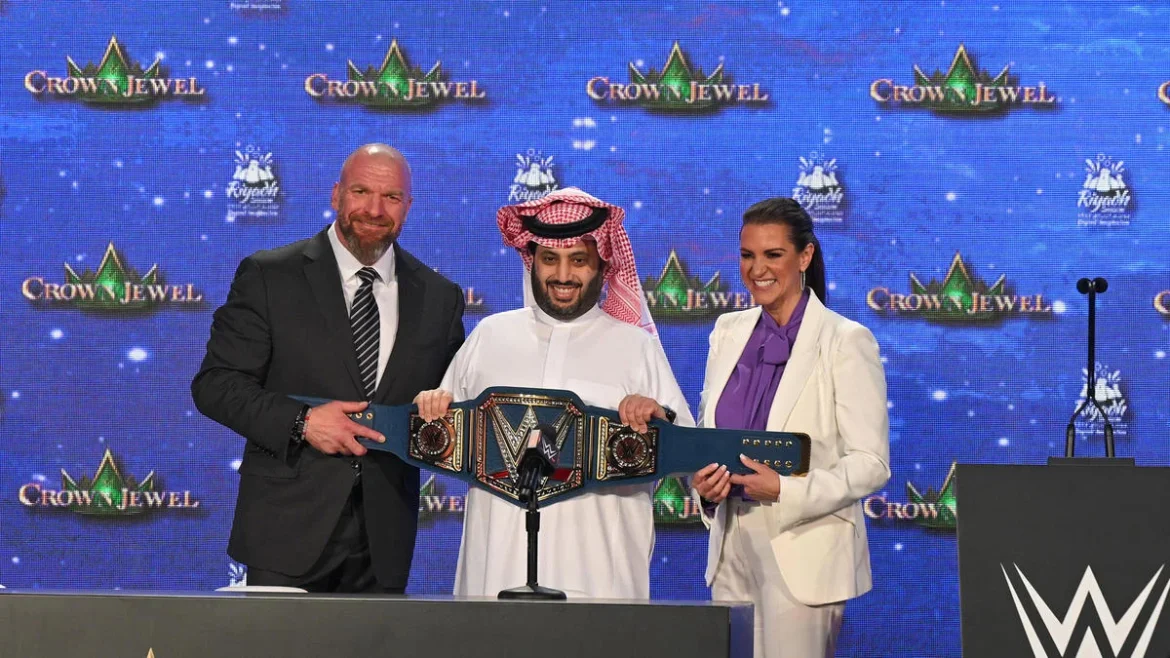
For years, WWE has been a pioneering force in the Saudi Arabian entertainment market, a relationship that predates the TKO merger. This partnership began in earnest in 2018, as part of the Kingdom’s ambitious "Vision 2030" initiative, a comprehensive plan to diversify its economy and enhance its global image through investments in tourism, technology, and, notably, entertainment and sports. The initial ten-year agreement between WWE and the Saudi General Sports Authority was a landmark deal, reportedly worth hundreds of millions of dollars annually, promising a series of major live events, effectively establishing Saudi Arabia as a recurring, high-stakes destination on the WWE calendar. These events, typically branded as Crown Jewel or Super ShowDown, quickly became known for their extravagant production values, significant title matches, and the occasional return of legendary figures, all under the watchful eye of the global wrestling community.
However, this lucrative arrangement has been consistently shadowed by controversy. From the outset, critics raised concerns about "sportswashing," alleging that Saudi Arabia was leveraging high-profile sporting events to divert attention from its human rights record. These criticisms intensified following the tragic killing of journalist Jamal Khashoggi in late 2018, an event that sparked international outrage and placed immense pressure on WWE to reconsider its ties with the Kingdom. Despite the condemnation, WWE maintained its commitment, citing contractual obligations and the desire to bring entertainment to its fans worldwide. The financial magnitude of the deal was simply too significant for the company to easily walk away, a reality that has only been amplified under the TKO umbrella, where maximizing shareholder value is paramount.
The recent period leading up to the Crown Jewel event on November 4, 2023, in Riyadh, brought these long-simmering concerns to a boiling point. The geopolitical climate in the Middle East had become demonstrably more volatile, with the United States Department of State issuing several travel advisories and security alerts for Americans in the region. These warnings specifically highlighted the potential for attacks on civilian infrastructure, including airports, a direct consequence of missile and drone strikes orchestrated by Iran-supported Houthi factions. For TKO personnel, including wrestlers, production crews, technical staff, and administrative support, these alerts were not abstract geopolitical headlines but immediate, personal threats that directly impacted their upcoming travel and work assignments. The proximity of these warnings to a major live event in the capital city created an atmosphere of palpable apprehension within the company ranks.
Internal accounts suggest a deep vein of frustration running through various departments within TKO. Individuals working for the company have reportedly voiced profound dismay at the perceived corporate indifference to their safety. The sentiment articulated by some employees is that the decision to proceed with events in a region marked by elevated security risks is primarily, if not exclusively, dictated by financial considerations. There is a strong sense among these employees that the leadership prioritizes the substantial monetary gains derived from the Saudi partnership above the personal well-being of the individuals tasked with executing these events. This perspective fosters a feeling of being disposable, of being cogs in a machine designed to generate revenue, regardless of the human cost or the psychological toll.
The internal dialogue within TKO, as conveyed by these anonymous sources, reportedly contrasts the company’s approach with that of other major sports organizations. While other leagues and promotions might consider postponing or relocating events in the face of significant security advisories, TKO’s stance appears unyielding. The recurring argument from leadership, according to these accounts, centers on official government advisories – specifically, if the State Department deems travel permissible, then operations proceed as planned. However, for many on the ground, the very fact that such extensive deliberation and warnings are necessary should be a sufficient trigger for caution. The prevailing sentiment among some staff members is that if there’s even a question about safety, the prudent course of action would be to err on the side of caution and defer the event. This perceived disconnect between corporate policy and individual apprehension underscores the growing chasm between management and a segment of its workforce.
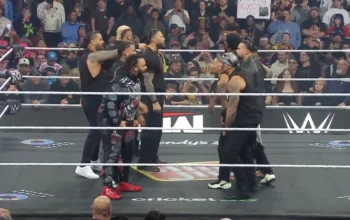
The Crown Jewel event itself ultimately transpired without any direct security incidents impacting the talent or crew during their time in Riyadh. The elaborate spectacle unfolded as planned, featuring a series of high-stakes matchups, including Roman Reigns defending his Undisputed WWE Universal Championship against LA Knight in the main event, and Logan Paul capturing the United States Championship from Rey Mysterio. Following the successful conclusion of the event, the vast majority of WWE talent and personnel swiftly departed Saudi Arabia, a coordinated exodus designed to minimize any lingering exposure to potential risks. However, the sense of relief was short-lived for some, as missile strikes reportedly impacted Riyadh’s financial district just days after the event, on Sunday, November 5, further underscoring the precarious security situation in the region and validating the underlying fears that had permeated the locker room and production teams.
One notable exception to the swift return of talent was Bronson Reed, who, for reasons undisclosed, remained in the region following the event while the vast majority of his colleagues departed. This isolated instance, while not directly attributed to any security threat, served as a stark reminder of the complexities and potential individual challenges that can arise during international tours, especially in sensitive areas. The mere fact that one member of the roster did not immediately return with the main contingent added a layer of unease to an already tense situation, highlighting the vulnerabilities faced by those operating far from home.
The frustration among TKO employees extends beyond the immediate security concerns to the broader issue of compensation and job security. Many feel that the financial remuneration for participating in these high-risk events does not adequately reflect the perceived danger. There is a palpable sense of being trapped, where declining to travel to a potentially hazardous location could have severe professional repercussions. The corporate culture, as described by some, leaves little room for individual dissent or refusal, with the implied threat of job loss looming large, especially during a period of corporate consolidation and restructuring within TKO. This creates an environment where employees feel compelled to make an impossible choice: jeopardize their personal safety by flying into an area with elevated security warnings or risk their livelihood, particularly with the holiday season approaching. Such pressures foster resentment and erode trust between employees and the company’s executive leadership.
The strategic motivations behind TKO’s unwavering commitment to its Saudi Arabian engagements are multifaceted. Beyond the direct financial payments from the Kingdom, these events serve as crucial platforms for global brand expansion. For WWE, they offer access to a significant market and an opportunity to present its unique brand of sports entertainment to a passionate, growing fanbase. For UFC, the prospect of staging fight nights and potentially other combat sports ventures, such as the recently announced Zuffa Boxing joint venture with Saudi company Sela, represents a powerful avenue for market penetration in a region known for its appreciation of combat sports. Indeed, upcoming TKO events in Riyadh include a Zuffa Boxing contest scheduled for November 14 and a UFC Fight Night slated for December 5, indicating a continued, robust schedule despite the escalating concerns. This ambitious expansion strategy, however, comes with inherent risks, both financial and, as employees contend, human.
The formation of TKO Group Holdings through the merger of Endeavor’s UFC and WWE was heralded as a new era of dominance in sports and entertainment. The synergy promised by combining these two powerhouses was expected to unlock unprecedented financial opportunities, streamline operations, and enhance global reach. However, this consolidation of power also places immense pressure on the new entity to deliver on its financial projections and satisfy shareholders. Lucrative international deals, particularly those with sovereign wealth funds or state-backed entities, become even more critical components of the overall business model. The internal discord regarding Saudi Arabia illustrates the tension between these overarching corporate objectives and the ground-level realities faced by the workforce. The drive for increased profitability and global footprint, while fundamental to modern corporate strategy, can sometimes overshadow ethical considerations and the imperative to safeguard employee welfare.
The long-term implications of this internal strife could be significant for TKO. A workforce feeling undervalued or, worse, expendable, can lead to decreased morale, higher turnover rates, and a potential decline in performance quality. In an industry as reliant on human talent and intricate logistical coordination as professional wrestling and mixed martial arts, a disaffected workforce poses a substantial operational risk. Furthermore, should these internal concerns spill more widely into the public discourse, it could negatively impact TKO’s brand image, potentially alienating fans and stakeholders who value ethical corporate practices and employee well-being. The challenge for TKO leadership lies in navigating these complex waters, balancing the undeniable commercial benefits of its Saudi partnership with its responsibility to foster a safe and supportive environment for all its employees.
The ongoing situation underscores a fundamental tension in the globalized entertainment industry: the pursuit of expansive market opportunities often leads companies into regions with varying geopolitical landscapes and security challenges. For TKO, the decision to maintain its robust presence in Saudi Arabia reflects a strategic calculation of risk versus reward, a calculation that, from the perspective of many of its employees, disproportionately burdens the individual. As the company continues to stage events in the Kingdom, the internal dialogue around safety, compensation, and corporate responsibility will likely persist, shaping the company’s culture and potentially influencing its future operational decisions on the international stage. The coming months will reveal how TKO chooses to address these profound employee concerns, whether through revised policies, increased transparency, or enhanced support, or by simply maintaining its current trajectory, leaving its workforce to contend with the unsettling calculus of high stakes in the desert.