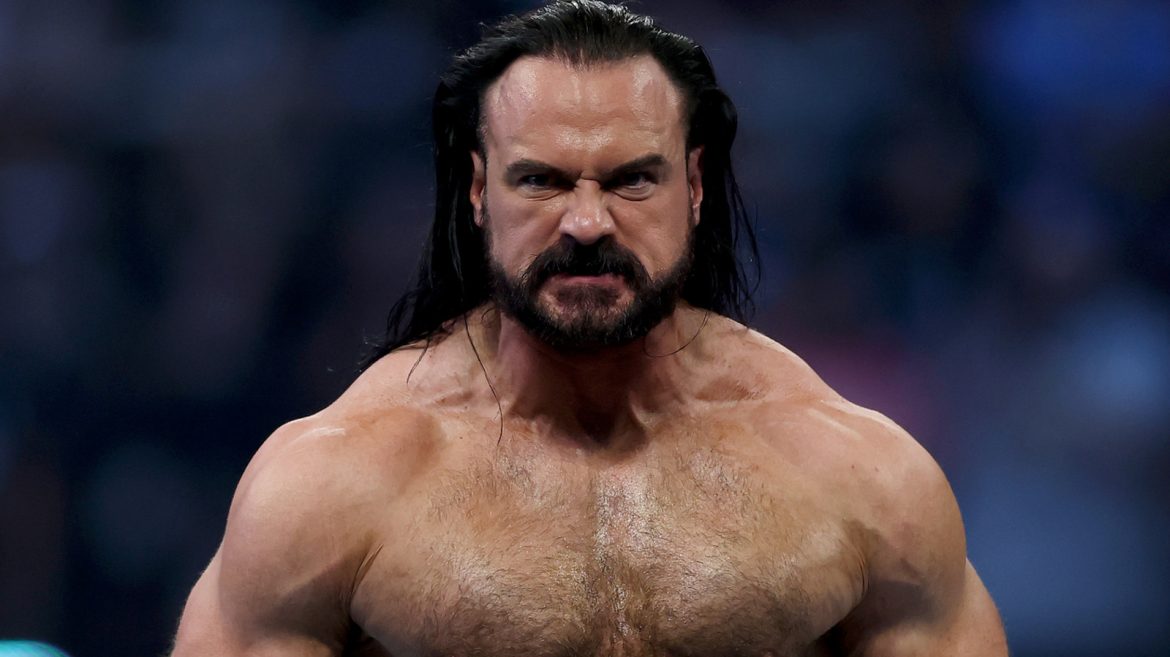
The world of professional wrestling, often viewed through the lens of choreographed spectacle and athletic artistry, harbors a deeply ingrained physicality that can, and often does, translate into genuine pain. For performers like Drew McIntyre, a man whose imposing presence and powerful ring style have become hallmarks of his WWE career, this duality is a constant companion. While the roar of the crowd and the thrill of victory are paramount, the underlying reality of delivering and receiving impactful blows is a testament to the dedication and resilience required of those who step between the ropes. McIntyre, a seasoned veteran who has navigated the demanding landscape of sports entertainment for years, recently offered a candid glimpse into the less glamorous, yet utterly essential, aspect of his profession: the sheer, unadulterated force that shapes every match.
Speaking on "The Rich Eisen Show," McIntyre, a two-time WWE Champion and a prominent figure on the SmackDown roster, delved into the intricate balance of protecting opponents while still delivering the believable impact that resonates with audiences. It’s a delicate dance, one that requires immense skill and an innate understanding of the human body, both one’s own and that of their adversary. He acknowledged that while the intention is never to cause undue harm, the nature of their craft means that miscalculations, or simply the sheer velocity of a well-executed maneuver, can lead to unintended consequences. McIntyre admitted to instances where his signature Claymore Kick, a devastating running boot to the head, has landed with more force than intended, leading to genuine discomfort for those on the receiving end. This wasn’t a boast, but rather a reflective observation on the inherent risks involved in their high-octane performances.
He candidly referenced Jacob Fatu, a wrestler known for his own hard-hitting style, as someone who has felt the full brunt of the Claymore. McIntyre, with a touch of dark humor, even coined a nickname, "Bleeding Gums" Fatu, drawing a comparison to a character from "The Simpsons" known for his dental misfortunes. While this anecdote might elicit a chuckle, it underscores a significant point: the line between simulated impact and actual injury can, at times, become blurred. McIntyre’s honesty about these moments highlights a sense of responsibility and awareness that exists within the locker room, a tacit understanding among performers that while the show must go on, the well-being of fellow athletes is a paramount concern.
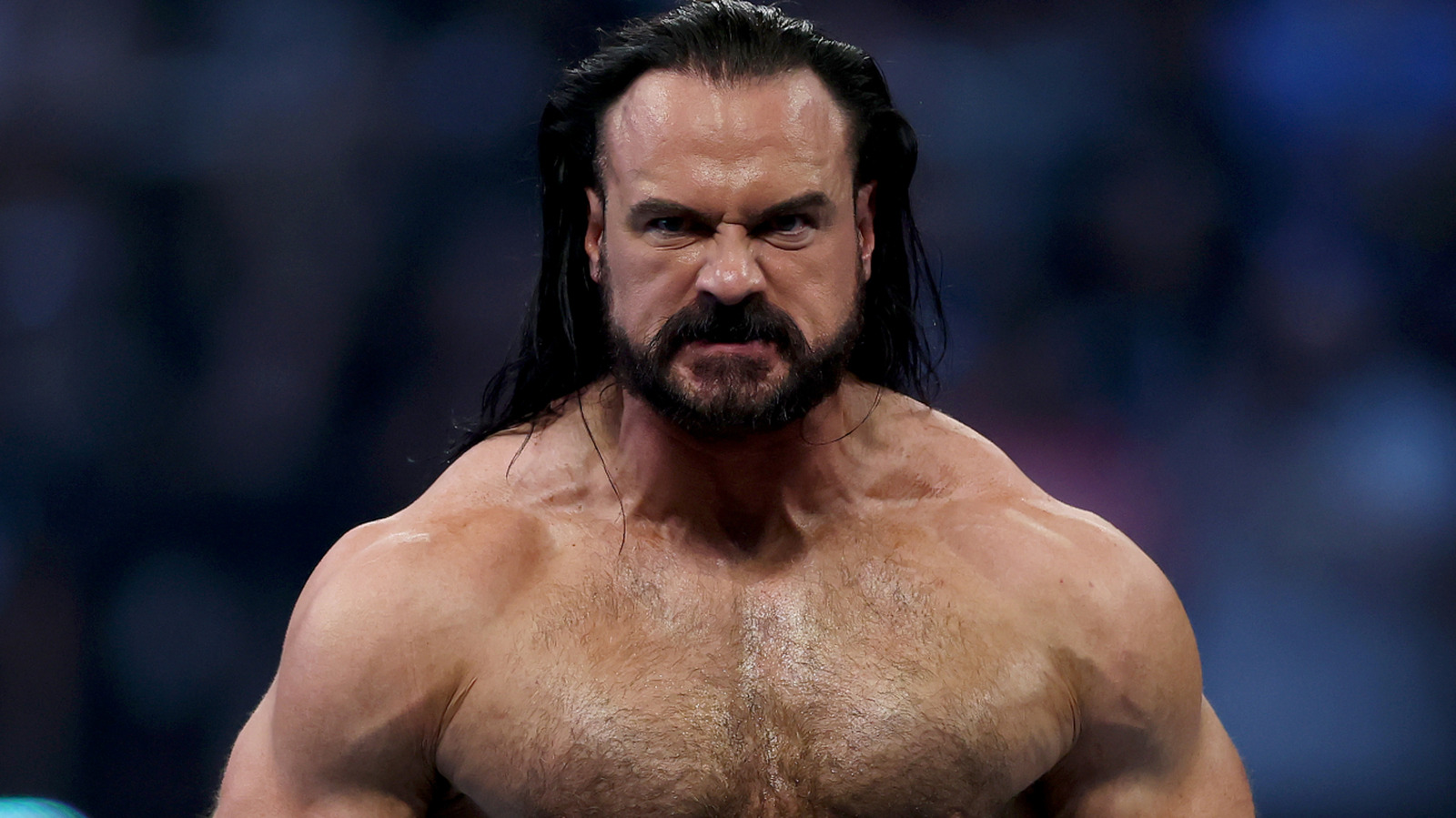
One particular incident that weighed on McIntyre’s conscience involved Samoa Joe, a respected veteran known for his stoic demeanor and formidable in-ring presence. During a Royal Rumble match, a chaotic environment where eliminations and impactful exchanges are constant, McIntyre’s Claymore connected with Joe with significant force. While Joe, ever the professional, didn’t outwardly react during the match, he later pulled McIntyre aside, not in anger, but to quietly inform him of the severity of the impact. McIntyre expressed genuine remorse for this particular instance, stating that while most opponents are good about absorbing the blows and understanding the nature of the business, the incident with Joe left him feeling particularly guilty. This admission speaks volumes about the camaraderie and respect that often underpins the intense rivalries seen on screen. Wrestlers are, in many ways, a brotherhood and sisterhood, bound by shared experiences and the understanding of the physical toll their profession takes.
McIntyre then contrasted his feelings about Joe with his relationship with Sheamus, another WWE Superstar known for his brawling style and willingness to absorb punishment. McIntyre revealed that he has connected with Sheamus hard on countless occasions, yet his fellow countryman seemingly thrives on such physicality. According to McIntyre, Sheamus appears to draw strength from being hit forcefully, an almost masochistic enjoyment that allows McIntyre to unleash his offense with less apprehension. This dynamic between performers is crucial for building believable and hard-hitting matches. When a performer is willing and able to absorb impact effectively, it allows their opponent to execute their offense with greater conviction, ultimately enhancing the realism and excitement of the contest for the audience. It’s a symbiotic relationship built on trust and a shared commitment to delivering a compelling performance.
The physical demands of professional wrestling are not a one-way street. Performers are constantly subjected to a barrage of blows, slams, and aerial maneuvers. McIntyre himself has been on the receiving end of some truly punishing offense throughout his career. He vividly recalled the sheer agony of taking a Chokeslam from Kane, the iconic "Big Red Machine." McIntyre admitted that while he has experienced numerous Chokeslams from various giants of the wrestling world, including The Undertaker and Big Show, Kane’s iteration of the move always felt particularly brutal. The impact, he described, was excruciating, a testament to the power and intensity that performers like Kane brought to their signature moves. This exchange of heavy offense is what defines many classic wrestling matches, leaving both the victor and the vanquished battered but unbowed, a testament to their fortitude.
The art of professional wrestling is a complex tapestry woven with threads of athleticism, storytelling, and theatricality. However, beneath the dazzling lights and the carefully crafted narratives lies an undeniable bedrock of physical exertion and potential danger. Drew McIntyre’s reflections offer a valuable perspective on this often-overlooked facet of the industry. His willingness to discuss the genuine impact of his actions in the ring, and the pain he has endured himself, provides a deeper appreciation for the sacrifices made by these athletes. It’s a reminder that the larger-than-life characters they portray are embodied by real people who push their bodies to the absolute limit, night after night, in pursuit of entertainment and glory. The echoes of every Claymore, every Chokeslam, and every impactful maneuver are not just sounds for the crowd; they are the physical manifestations of a demanding profession that requires unwavering dedication, immense courage, and a profound respect for the craft and its practitioners. The pursuit of championship gold and the adoration of millions come at a cost, a cost measured in bumps, bruises, and the quiet understanding that in the squared circle, the line between performance and reality is often thinner than it appears.