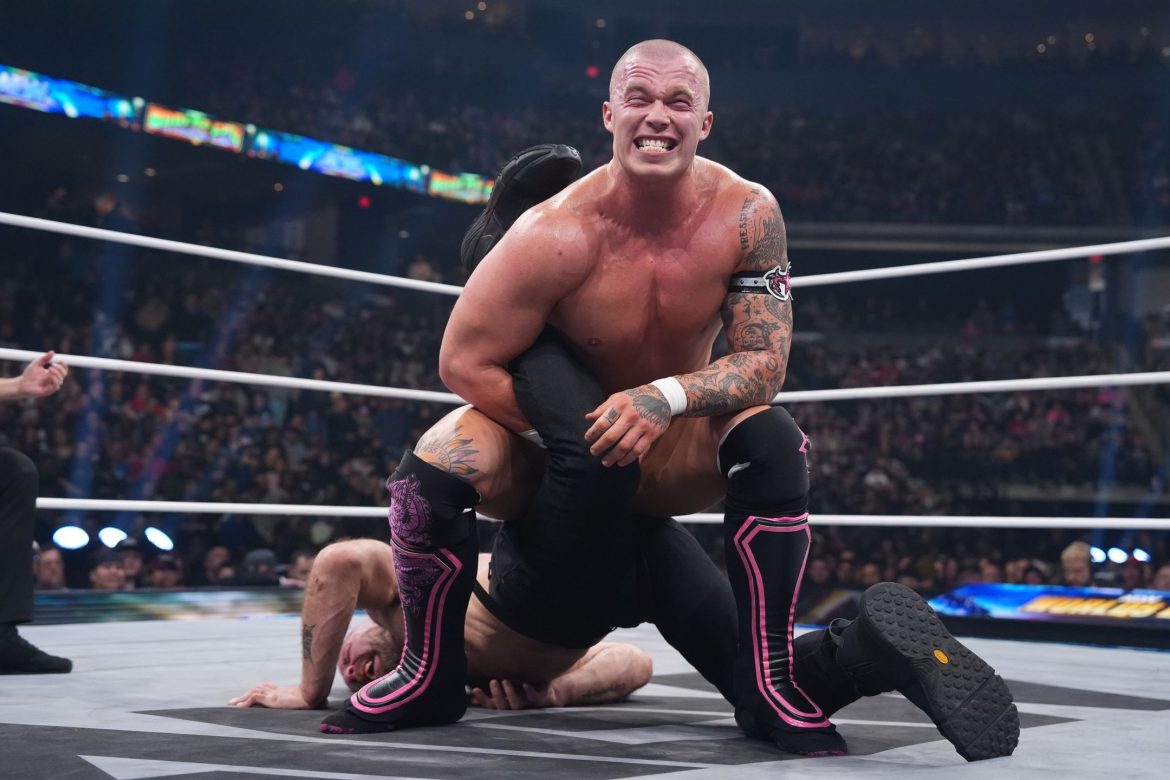
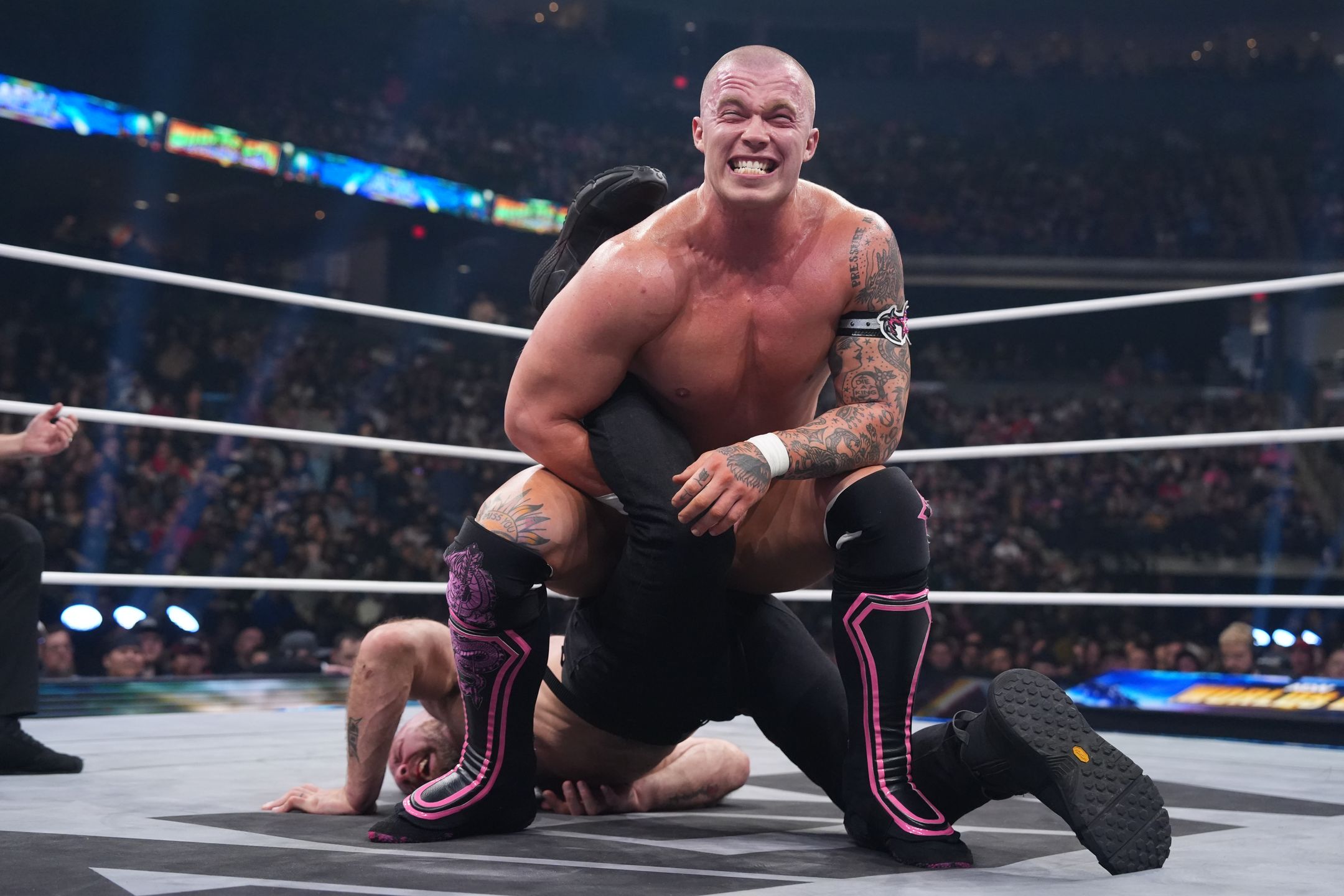
The unforgiving landscape of professional wrestling once again cast a shadow of concern this past weekend, following a particularly alarming incident involving Kyle Fletcher, the dynamic Australian competitor. During a high-stakes encounter, a miscalculated maneuver resulted in a visibly awkward and dangerous landing on his neck, sending a collective shiver down the spines of fans and industry veterans alike. This moment, captured and replayed, immediately sparked a fervent discussion across social media and within wrestling circles, highlighting the ever-present tightrope walk between athletic spectacle and life-altering risk that defines the squared circle. The inherent dangers of the profession, often masked by the vibrant characters and dramatic storylines, were starkly brought into focus, serving as a sobering reminder of the physical sacrifices performers make in the pursuit of their craft.
Fletcher, a formidable presence whether as part of the dominant Aussie Open tag team or as a burgeoning singles competitor, is renowned for his hard-hitting style and impressive agility. His contributions to the Don Callis Family faction have seen him rise through the ranks, consistently delivering impactful performances that blend power with technical precision. However, the very nature of his aggressive in-ring approach, which endears him to audiences, also places him at heightened risk. The incident in question saw him take a bump that caused his head and neck to snap back in a manner that immediately signaled potential injury. While details regarding his immediate condition were cautiously awaited, the visual alone was enough to trigger a wave of worry, prompting many to reflect on the long and often tragic history of neck trauma in professional wrestling. The immediate concern was palpable, with fans hoping for a swift and full recovery for the talented athlete, recognizing that such bumps can have profound, long-term consequences far beyond the confines of a single match.
Adding gravitas to the ongoing dialogue surrounding performer safety was the insight offered by William Regal, a man whose career spans decades and whose wisdom is highly revered within the industry. Regal, a true student of the game and a master of technical wrestling, has witnessed the evolution of the sport firsthand, from its grittier days to its modern, high-flying iteration. His own career was punctuated by numerous injuries and physical tolls, lending a deeply personal and authoritative weight to his perspective. He often speaks with a keen understanding of the pressures wrestlers face and the critical importance of protecting oneself in the ring. Regal’s commentary on Fletcher’s bump likely underscored the critical need for vigilance, proper technique, and the often-overlooked art of taking a safe fall. His experience as both a performer and a coach provides him with a unique lens through which to view these incidents, emphasizing that while the pursuit of entertainment is paramount, the long-term health and well-being of the athletes must never be compromised. His counsel serves as a potent reminder that the cumulative effect of bumps, even seemingly minor ones, can lead to devastating consequences over time, advocating for a more cautious and sustainable approach to in-ring work.
The discussion surrounding Kyle Fletcher’s neck bump inevitably drew parallels to the experiences of numerous WWE superstars who have faced similar, often career-threatening, neck injuries and subsequent surgeries. Their stories serve as powerful testaments to both the brutality of the sport and the incredible resilience of its athletes. One cannot discuss neck trauma in wrestling without immediately recalling the legendary Kurt Angle, an Olympic gold medalist who famously wrestled for years with a broken neck, undergoing multiple fusion surgeries throughout his illustrious career. Angle’s determination allowed him to continue performing at an elite level, but his story is a stark illustration of the extreme physical sacrifice demanded by the profession and the long-term implications of pushing one’s body to such limits. His struggles with pain and the eventual impact on his mobility are well-documented, painting a vivid picture of the personal cost involved.
Equally iconic is the saga of "Stone Cold" Steve Austin, whose career trajectory was irrevocably altered by a botched piledriver at SummerSlam 1997, resulting in a severe neck injury. Though he miraculously returned to become the biggest star in wrestling history, his style had to adapt dramatically, and he eventually underwent neck fusion surgery. The injury ultimately contributed to his early retirement from full-time competition, leaving fans to wonder what more he could have achieved had his body not given out. His situation highlights how a single incident can profoundly change a performer’s entire career arc, forcing them to modify their approach or, in some cases, step away entirely.
Then there is the inspirational journey of Edge, whose first retirement in 2011 due to cervical spinal stenosis, necessitating neck fusion surgery, was a heartbreaking moment for the wrestling world. His miraculous return nearly nine years later, after years of diligent rehabilitation and medical clearance, defied expectations and provided a beacon of hope. Edge’s story not only showcased his incredible resolve but also the advancements in medical science that can sometimes offer a path back from what once seemed like career-ending ailments. His experiences speak to the emotional and physical toll of such injuries, as well as the profound connection wrestlers have to their craft, often willing to endure immense hardship for the chance to perform again.
Other notable figures like John Cena, while not having the same degree of career-altering neck trauma as Angle or Austin, also dealt with significant neck issues during his tenure, underscoring the universal nature of such risks for top-tier talent. More recently, the career of Paige was tragically cut short due to recurring neck problems, a stark reminder that even with modern medicine, some injuries are simply too severe to overcome, forcing promising careers to end prematurely. Bryan Danielson, another incredibly gifted and physically demanding performer, has faced a litany of neck and concussion issues throughout his career, leading to a temporary retirement before his eventual return. His meticulous approach to in-ring safety and his advocacy for wrestler welfare stem directly from his personal battles with these debilitating injuries. These collective narratives serve as a powerful backdrop to any discussion of neck safety, reinforcing the idea that Kyle Fletcher’s recent scare is not an isolated incident but part of a larger, ongoing concern within the industry.
Further enriching the discourse on wrestling safety are the unique insights provided by veteran observers and performers who have dedicated their lives to understanding the nuances of the sport. A seasoned trainer and technical wizard like Lance Storm, known for his methodical and safe in-ring style, often emphasizes the importance of fundamentals. He would likely elaborate on how a proper bump, executed correctly, can dissipate force across the body rather than concentrating it in one vulnerable area like the neck. Storm’s perspective, honed through years of teaching and performing, stresses that while wrestling is inherently dangerous, many risks can be mitigated through rigorous training, intelligent match planning, and a deep understanding of body mechanics. He might highlight that the pressure to perform increasingly spectacular and risky maneuvers, often driven by fan expectations and the desire to stand out, can sometimes override common sense, leading to preventable injuries. His hypothetical insights would focus on the craft of protecting oneself and one’s opponent, a skill that is arguably as crucial as any offensive technique.
From the journalistic and analytical standpoint, a veteran wrestling observer often voices concerns about the cumulative impact of these physical tolls. They would speak to the long-term health implications, the silent battles wrestlers fight with chronic pain, and the difficult choices they often face between career longevity and pushing their physical limits for a momentary pop. Such insights often bring to light the psychological aspect of wrestling injuries – the fear of losing one’s livelihood, the pressure to return quickly, and the mental fortitude required to overcome significant physical setbacks. These perspectives underscore that the discussion around wrestler safety is not merely about preventing acute injuries, but about fostering a culture that prioritizes the holistic well-being of performers throughout their careers and into their post-wrestling lives. They serve as a crucial check on the spectacle, reminding everyone involved that behind every thrilling move is a human being with a finite physical capacity.
Against this backdrop of safety concerns, the professional wrestling world also delivered a spectacular year-end showcase in the form of AEW World’s End. Held as the company’s final pay-per-view of 2023, the event was designed to cap off the year with explosive action and pivotal storyline developments. The atmosphere was electric, with fans eager to witness the culmination of several long-running feuds and the crowning of new champions. The main event, a highly anticipated clash for the AEW World Championship between the reigning champion MJF and the formidable Samoa Joe, promised a brutal encounter. The Continental Classic, a tournament designed to crown a new "Triple Crown" champion, also reached its dramatic conclusion, adding significant stakes to the card.
Kyle Fletcher, having been a consistent presence on AEW programming leading up to World’s End, would naturally have been a topic of discussion in the context of the event, especially after his recent bump. While his exact role on the card might have been contingent on his condition, his team, Aussie Open, or his faction, the Don Callis Family, were likely involved in key matchups, further cementing their status within the company. The PPV itself aimed to provide a definitive close to the year, setting the stage for new rivalries and championship pursuits heading into the new year. Major shows like World’s End inevitably push performers to their physical limits, making the discussion of safety even more pertinent as wrestlers strive to deliver unforgettable moments on such a grand stage. The balance between delivering a show-stopping performance and maintaining physical integrity is never more critical than at events of this magnitude, where the stakes are highest and the spotlight brightest.

Yet, amidst the discussions of physical peril and the grandeur of a major pay-per-view, the weekend also offered a breathtaking display of wrestling artistry that reminded everyone why the sport continues to captivate millions. The NXT Championship encounter between Ilja Dragunov and Carmelo Hayes was singled out as an absolute must-see match, a clinic in storytelling, athleticism, and sheer intensity. These two phenomenal athletes, representing the future of sports entertainment, delivered a performance that transcended mere competition, becoming an instant classic.
Ilja Dragunov, the "Unbesiegbar" (Unbeatable) Russian powerhouse, is known for his incredibly stiff, hard-hitting style, characterized by thunderous chops, relentless strikes, and an almost superhuman ability to absorb punishment. His matches are visceral, emotionally charged battles that push the boundaries of physical endurance. Carmelo Hayes, on the other hand, embodies a sleek, modern athleticism, combining high-flying acrobatics with precise technical wrestling and an undeniable swagger. He is "HIM," a self-proclaimed star who backs up his bravado with unparalleled in-ring execution.
Their championship clash was a symphony of contrasting styles, a masterful blend of Dragunov’s brutal intensity and Hayes’s fluid innovation. The match was a rollercoaster of emotions, filled with dramatic nearfalls that had the audience on the edge of their seats, genuinely believing either man could secure the victory at any given moment. Each sequence was meticulously crafted, building tension with every strike, every submission attempt, and every high-risk maneuver. Hayes’s aerial attacks were met with Dragunov’s unyielding resolve, while Dragunov’s devastating power was expertly countered by Hayes’s agility and ring awareness. The match served as a powerful reminder of the incredible athleticism and narrative depth that professional wrestling can offer when executed at its highest level. It was a testament to the skill, dedication, and passion of both competitors, showcasing the very best of what NXT has to offer and solidifying its reputation as a breeding ground for future main eventers. This match, in its brilliance, implicitly contrasted with the earlier discussion of injury, demonstrating the exhilarating rewards that come when the inherent risks are managed with extraordinary skill and precision, allowing for moments of pure, unadulterated wrestling magic.
In conclusion, the professional wrestling world exists in a perpetual state of dynamic tension, a delicate balance between the breathtaking artistry and the inherent, often brutal, physical demands placed upon its performers. The recent scare involving Kyle Fletcher’s neck bump served as a stark, unavoidable reminder of this perilous reality, prompting critical reflections from seasoned veterans like William Regal and echoing the historical struggles of legendary figures such as Kurt Angle, Steve Austin, and Edge. Their collective journeys underscore the profound impact of neck injuries, which can prematurely end careers, necessitate drastic changes in in-ring style, or force athletes into arduous paths of recovery and rehabilitation. The insights from wrestling experts and observers further amplify the discourse, stressing the importance of proper technique, the cumulative toll of countless bumps, and the psychological pressures that shape a wrestler’s approach to their craft.
Simultaneously, events like AEW World’s End and the instant classic delivered by Ilja Dragunov and Carmelo Hayes for the NXT Championship vividly showcase the unparalleled spectacle and athletic brilliance that defines the industry. These high-stakes encounters and dazzling performances are what captivate audiences, drawing them into the captivating narratives and incredible physical feats that unfold in the squared circle. However, the pursuit of these unforgettable moments must always be tempered by an unwavering commitment to performer safety. The ongoing dialogue around wrestler welfare, medical advancements, and responsible in-ring practices remains paramount. As the industry continues to evolve, pushing boundaries in athleticism and storytelling, it must simultaneously prioritize the long-term health and well-being of the incredible individuals who dedicate their lives to entertaining us, ensuring that the spectacle does not overshadow the human cost. The wrestling world constantly walks this tightrope, striving for greatness while perpetually mindful of the unseen toll.